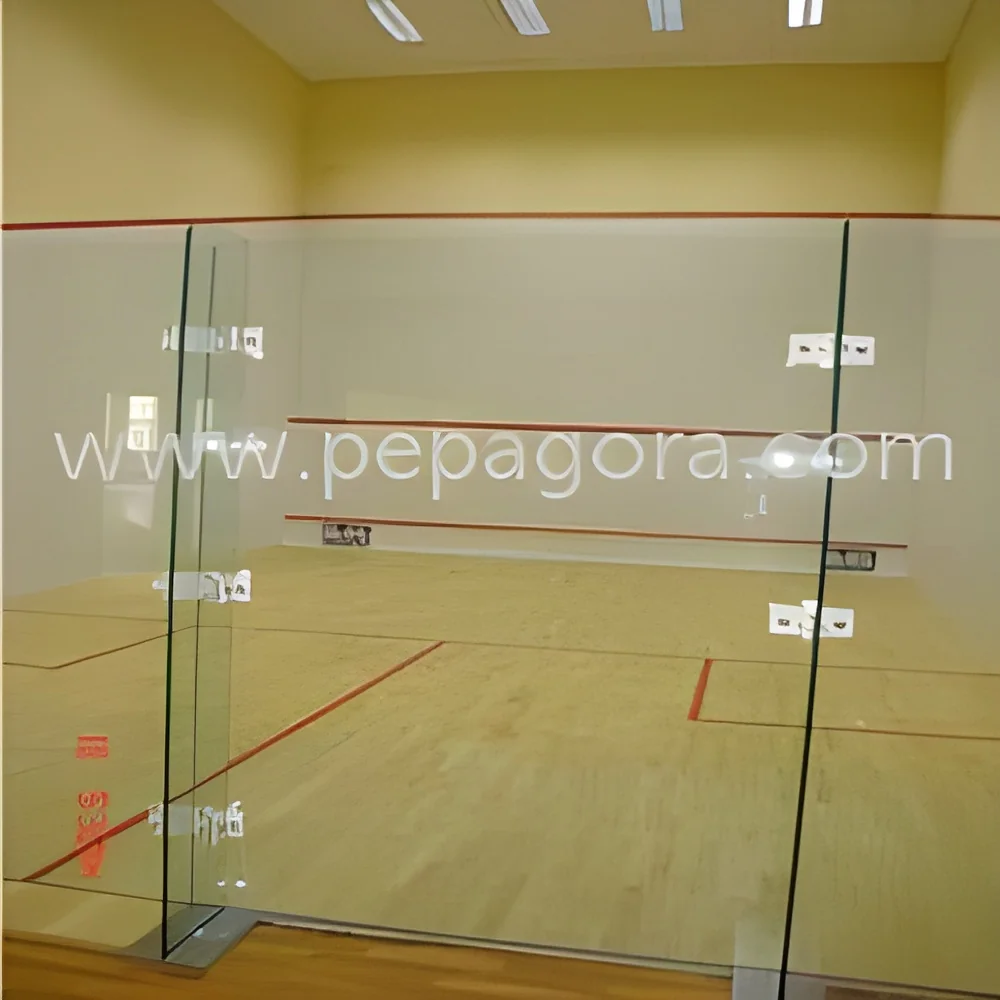
What are Squash Court Construction?
Squash court construction refers to the process of building specialized facilities for the sport of squash. These courts are designed to meet specific dimensions and standards set by governing bodies, ensuring a consistent playing experience. The construction involves selecting appropriate materials, determining court layout, and implementing features such as walls, flooring, and lighting that enhance the game.
The primary uses of squash court construction include serving educational institutions, athletic clubs, and recreational centers. Many organizations invest in squash courts to promote physical fitness and provide a space for both competitive and casual play. As squash gains popularity globally, more businesses are considering the construction of these facilities to attract members and events.
In the current market, squash court construction is relevant not only for sports but also for community building and wellness initiatives. The rise of health consciousness among individuals has led to increased demand for sports facilities. This trend reflects a broader societal shift towards promoting active lifestyles and engaging in sports.
Key Features and Specifications
When considering squash court construction, several key features and specifications come into play. These specifications ensure that the courts are built to the necessary standards for optimal performance and safety.
Key specifications include:
1. Court Dimensions
- The standard squash court measures 9.75 meters wide by 6.4 meters long, with a height of 4.57 meters.
2. Wall Material
- Courts are typically constructed with high-quality materials such as glass or concrete to provide a durable and impact-resistant playing surface.
3. Flooring Type
- The flooring is often made from hardwood or synthetic materials designed to provide adequate grip and shock absorption.
4. Lighting Specifications
- Adequate lighting is crucial for visibility, with recommendations for a minimum of 300 lux for competitive play.
5. Ventilation Systems
- Proper ventilation is essential to maintain air quality and comfort for players, often utilizing mechanical systems for optimal airflow.
6. Court Markings
- Courts are marked with specific lines that define play areas, made from durable paint that withstands wear.
7. Accessibility Features
- Courts should include features that accommodate players with disabilities, ensuring inclusive access to facilities.
8. Soundproofing
- Effective soundproofing materials can enhance the playing experience by minimizing external noise disruptions.
In summary, understanding these features and specifications is crucial for organizations planning to invest in squash court construction. Proper planning ensures that the courts meet both player expectations and regulatory standards.
Common Applications and Use Cases
Squash court construction serves a variety of industries and applications.
1. Educational Institutions: Many schools and universities build squash courts to enhance their sports programs and promote student health and fitness.
2. Fitness Centers: Gyms and fitness clubs often include squash courts as part of their facility offerings to attract members interested in dynamic sports.
3. Residential Communities: High-end residential complexes may incorporate squash courts to provide exclusive amenities for residents.
4. Athletic Clubs: Dedicated squash clubs construct specialized courts to host events, tournaments, and training programs.
5. Sports Academies: These institutions build squash courts focused on developing professional players through specialized training environments.
6. Corporate Wellness Programs: Companies increasingly build squash courts to encourage employee fitness and team-building activities.
7. Community Centers: Public facilities may offer squash courts as a means to engage the community in health-promoting activities.
Product Variants and Subcategories
Squash court construction can vary significantly based on design and function.
Standard Court
This variant adheres to international regulations for size and materials, making it suitable for competitive play. It is often equipped with high-quality lighting and flooring for optimal performance.
Glass Court
A popular choice for professional tournaments, glass courts feature transparent walls that allow spectators to view the game from multiple angles. They are designed for high visibility and enhanced aesthetics.
Portable Court
These courts are designed for temporary setups at events or tournaments. They can be assembled quickly and are ideal for locations without permanent squash facilities.
Benefits and Advantages
Investing in squash court construction offers numerous benefits to organizations.
Key benefits include:
1. Increased Membership: Facilities with squash courts can attract more members seeking diverse fitness options.
2. Enhanced Community Engagement: Building squash courts fosters community interaction and promotes healthy lifestyles.
3. Revenue Generation: Courts can be rented out for events, tournaments, and private lessons, creating additional income streams.
4. Competitive Edge: Offering squash facilities can differentiate a business in a crowded fitness market.
5. Health Benefits: Squash is an excellent cardiovascular workout, encouraging players to maintain an active lifestyle.
6. Versatile Use: Squash courts can accommodate various activities, including fitness classes and recreational play.
Buying Guide for B2B Buyers
When sourcing squash court construction, several factors should be considered to ensure a successful investment.
1. Quality Assessment: Evaluate the quality of materials and workmanship. Look for suppliers with a proven track record in building durable and high-performance courts.
2. Supplier Verification: Research potential suppliers thoroughly. Verify their credentials, project history, and customer reviews to ensure reliability.
3. Pricing and MOQ: Understand the pricing structure and minimum order quantities. This will help in budgeting and determining the scale of your project.
4. Delivery and Lead Times: Discuss expected delivery times and project timelines with suppliers to align your schedules effectively.
5. Compliance Requirements: Ensure that the construction meets local regulations and safety standards. Familiarize yourself with any necessary certifications or approvals.
Compliance and Certifications
Compliance is a critical aspect of squash court construction. Relevant quality standards, such as ISO 9001, ensure that construction processes meet international benchmarks for quality management.
Certifications like CE indicate that the court materials and construction methods comply with European safety and environmental regulations.
Additionally, safety and testing requirements must be adhered to, particularly regarding structural integrity and material performance.
Regional compliance considerations are also important, as different countries may have specific regulations governing sports facility construction.
Why Source Squash Court Construction from Pepagora?
Pepagora offers a trusted platform for sourcing squash court construction with distinct advantages for B2B buyers.
Verified Supplier Network: Pepagora connects buyers with a network of verified suppliers who have undergone rigorous vetting processes, ensuring quality and reliability in every project.
Streamlined RFQ Process: The request for quotation system simplifies the sourcing process, allowing businesses to receive multiple competitive quotes quickly and efficiently.
Trade Assurance and Support: Buyers benefit from trade assurance programs that protect their investments, along with dedicated support teams to assist throughout the purchasing process.
Regional Coverage: Pepagora's extensive geographical reach includes markets in India, the GCC, and Southeast Asia, making it easier for businesses to find local suppliers and manage logistics effectively.

 IN
IN