What are Volleyball Court Construction?
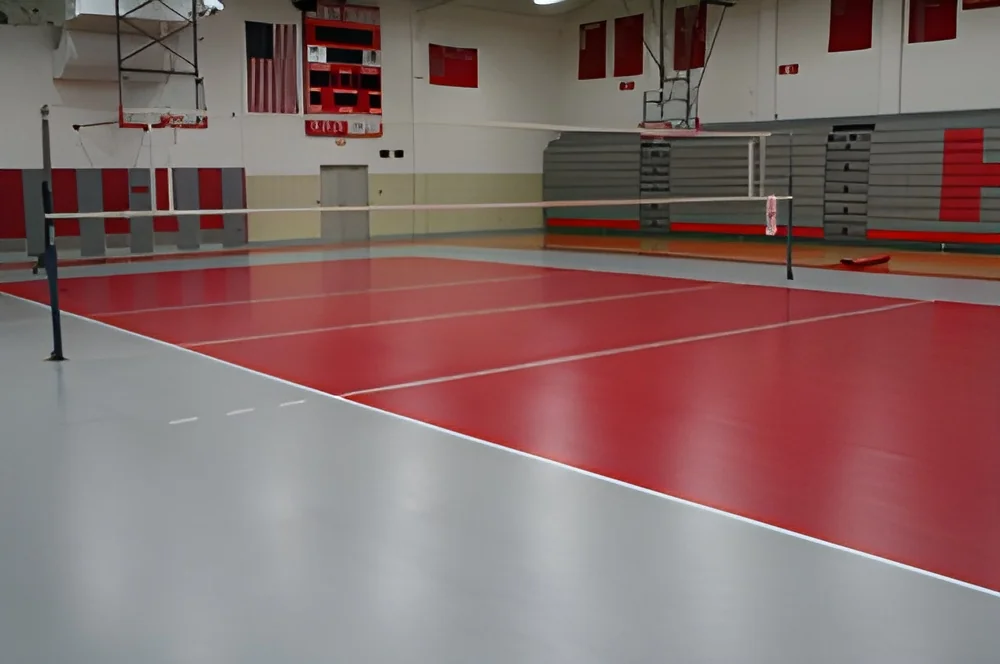
Volleyball court construction refers to the process of designing and building professional-grade courts for volleyball, a popular sport played both indoors and outdoors. These courts are constructed to specific dimensions and standards to ensure optimal playing conditions. The construction process involves site preparation, material selection, and installation of the playing surface, net systems, and additional features such as lighting and seating.
Volleyball courts serve various sectors, including educational institutions, sports complexes, recreational facilities, and professional sports organizations. They are essential for hosting local, regional, and national competitions. The quality of construction directly influences the performance of athletes and the overall experience of spectators. As the popularity of volleyball continues to grow globally, the demand for well-constructed courts remains high, making this an important area in the sports infrastructure market.
Key Features and Specifications
Volleyball court construction includes several key features and specifications that ensure the courts meet international standards for playability and safety. These specifications are crucial for B2B buyers looking to invest in high-quality court construction.
Key specifications include:
1. Court Dimensions
- Standard size for indoor courts is 18 meters long by 9 meters wide.
- Outdoor courts may vary slightly based on local regulations.
2. Surface Material
- Common materials include wood, synthetic, and sand-based surfaces.
- Choice affects player comfort and injury prevention.
3. Net System
- Height is set at 2.43 meters for men and 2.24 meters for women.
- Must include adjustable features for different levels of play.
4. Lighting Specifications
- Adequate illumination levels are essential for indoor courts.
- Typically requires 300 to 500 lux for professional play.
5. Boundary Lines
- Lines must be clearly marked and 5 centimeters wide.
- Materials used should be durable and weather-resistant for outdoor courts.
6. Drainage System
- Important for outdoor courts to prevent water accumulation.
- Proper grading and drainage channels are necessary.
7. Fencing and Safety Features
- Courts should be enclosed with safety fencing to prevent ball loss.
- Padding on poles and boundaries is recommended for player safety.
8. Accessibility Features
- Courts should comply with local regulations for accessibility.
- Includes ramps and designated areas for spectators with disabilities.
In summary, understanding these key specifications is critical for stakeholders involved in the planning and construction of volleyball courts to ensure they meet the necessary standards.
Common Applications and Use Cases
Volleyball court construction serves various industries, each with its unique applications.
1. Educational Institutions: Schools and universities often construct volleyball courts for physical education classes and collegiate competitions. Having quality courts enhances the athletic program and encourages student participation.
2. Sports Complexes: These facilities frequently include multiple volleyball courts for hosting tournaments and leagues. The courts are designed to accommodate a high volume of play and varying skill levels.
3. Recreational Facilities: Community centers and parks provide volleyball courts for local leagues and recreational play. These courts promote physical activity and community engagement.
4. Professional Sports Organizations: Professional teams require high-quality courts to train and compete at elite levels. Courts are often equipped with advanced features to meet specific training needs.
5. Event Venues: Temporary volleyball courts are often constructed for special events, such as festivals or beach volleyball tournaments. These courts can be set up and dismantled quickly based on event requirements.
6. Fitness Centers: Many gyms now include volleyball courts as part of their offerings, attracting members interested in various sports. These courts provide a versatile space for fitness and social interaction.
7. Military and Defense Facilities: Some military bases build volleyball courts for physical training and recreational purposes. These courts promote physical fitness and team-building among personnel.
Product Variants and Subcategories
Volleyball court construction encompasses various options, tailored to meet different needs and preferences.
Indoor Volleyball Courts
Indoor volleyball courts are designed for year-round use, featuring high-quality wooden or synthetic surfaces that provide optimal playability. These courts are often equipped with advanced lighting systems and adjustable net heights, suitable for different levels of competition.
Outdoor Volleyball Courts
Constructed using weather-resistant materials, outdoor volleyball courts are designed for durability and performance in various environmental conditions. They often feature sand-based surfaces or synthetic materials that can withstand rain and sun exposure, making them ideal for recreational use.
Beach Volleyball Courts
These courts are specifically designed for beach volleyball, utilizing sand as the playing surface. They require specific dimensions and often include features like shading for players and spectators, making them suitable for beachside events and tournaments.
Benefits and Advantages
Investing in quality volleyball court construction offers numerous benefits for organizations and institutions.
1. Enhanced Player Performance: Well-constructed courts provide a consistent playing surface, which can improve player performance and reduce the risk of injuries.
2. Increased Participation: Quality facilities attract more players and spectators, fostering community engagement and promoting the sport.
3. Multi-Functionality: Volleyball courts can often be adapted for other sports or events, maximizing the use of the facility and generating additional revenue.
4. Professional Standards: Courts built to international standards enhance the reputation of sports programs and facilities, making them more competitive in hosting events.
5. Long-Term Investment: Quality construction ensures durability, reducing maintenance costs and the need for frequent repairs over time.
6. Compliance and Safety: Properly constructed courts meet safety standards and compliance regulations, ensuring a safe environment for players and spectators alike.
Buying Guide for B2B Buyers
When sourcing volleyball court construction, B2B buyers should consider several critical factors to make informed decisions.
1. Quality Assessment: Buyers should evaluate the materials used and the construction methods employed. This includes checking for durability, safety features, and adherence to industry standards.
2. Supplier Verification: It is essential to vet suppliers to ensure they have a proven track record in delivering quality construction services. Look for reviews, certifications, and previous project portfolios.
3. Pricing and MOQ: Understand the pricing structure and minimum order quantities. This helps in budgeting and ensures that the project can be completed within financial constraints.
4. Delivery and Lead Times: Assess the supplier's ability to meet deadlines and manage logistics effectively. Timely delivery is crucial for project planning and execution.
5. Compliance Requirements: Ensure that the construction meets local and international regulations. This includes safety standards and accessibility requirements to avoid future legal issues.
Compliance and Certifications
Volleyball court construction must adhere to various compliance and certification standards to ensure quality and safety. Key quality standards include ISO 9001, which focuses on quality management systems. This certification ensures that the construction process meets customer satisfaction and regulatory requirements.
Additionally, CE marking is crucial for products sold within the European Economic Area. This certification indicates that the construction meets EU safety, health, and environmental protection standards.
Safety and testing requirements are essential in ensuring that the courts are safe for all users. This includes regular inspections and compliance with industry guidelines.
Regional compliance considerations may vary, so it is important for buyers to understand the local regulations that may affect construction practices.
Why Source Volleyball Court Construction from Pepagora?
Pepagora provides a trusted platform for sourcing volleyball court construction with several key advantages.
Verified Supplier Network: Pepagora offers a network of verified suppliers, ensuring that buyers are connected with reputable companies that have a history of quality work. This reduces the risks associated with sourcing and enhances buyer confidence.
Streamlined RFQ Process: The request for quotation (RFQ) process on Pepagora is designed to be efficient and user-friendly. Buyers can easily submit their requirements and receive competitive quotes from multiple suppliers, saving time and effort.
Trade Assurance and Support: Pepagora offers trade assurance, providing buyers with protection against potential issues during the transaction process. This includes support and mediation in case of disputes, ensuring a smoother purchasing experience.
Regional Coverage: With a broad reach in India, the GCC, and Southeast Asia, Pepagora can connect buyers with local suppliers, facilitating easier logistics and communication. This regional coverage enhances the overall procurement process for volleyball court construction.

 IN
IN