𝗪𝗵𝗮𝘁 𝗮𝗿𝗲 𝗦𝗽𝗼𝗿𝘁𝘀 𝗙𝗮𝗰𝗶𝗹𝗶𝘁𝘆 𝗖𝗼𝗻𝘀𝘁𝗿𝘂𝗰𝘁𝗶𝗼𝗻 𝗦𝗲𝗿𝘃𝗶𝗰𝗲𝘀?
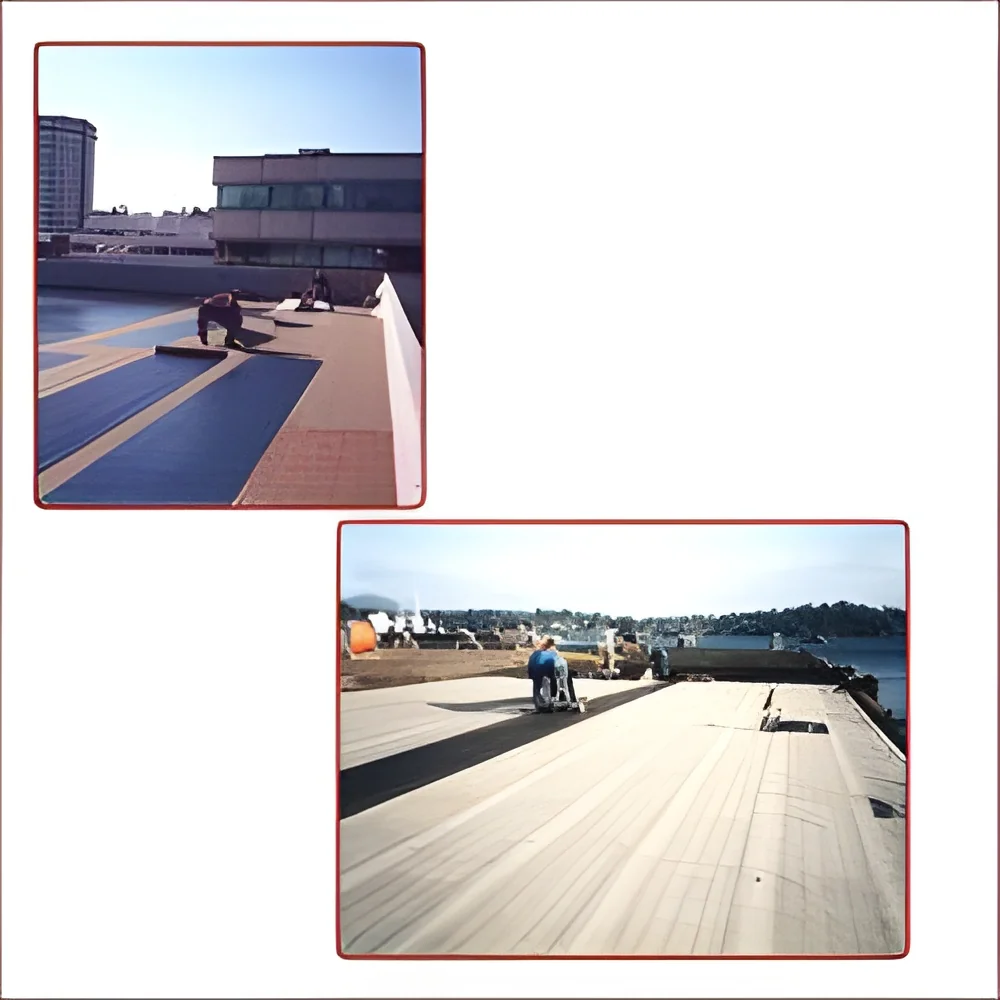
Sports Facility Construction Services encompass a range of activities designed to build, renovate, or expand sports-related venues. These services include everything from initial design and planning to the actual construction and finishing touches. The aim is to create facilities that meet the specific needs of various sports, ensuring they are functional, safe, and compliant with industry standards.
These services are primarily used by sports organizations, educational institutions, and private entities looking to develop or upgrade their athletic facilities. They can also be applied to municipal projects aimed at community engagement through sports. The demand for such facilities has been growing due to increasing participation in sports and recreational activities, making it crucial for businesses in this sector to adopt innovative construction techniques and sustainable practices.
In the current market, sports facility construction plays a vital role in the development of community infrastructure and the promotion of health and wellness. With a focus on enhancing user experiences, the industry must adapt to emerging trends such as eco-friendly designs and smart technology integration. This dynamic landscape presents opportunities for construction service providers who can meet the evolving demands of clients.
𝗞𝗲𝘆 𝗙𝗲𝗮𝘁𝘂𝗿𝗲𝘀 𝗮𝗻𝗱 𝗦𝗽𝗲𝗰𝗶𝗳𝗶𝗰𝗮𝘁𝗶𝗼𝗻𝘀
Sports Facility Construction Services offer numerous features and specifications that cater to various sporting needs. These specifications are crucial for ensuring the durability, safety, and functionality of constructed facilities.
Key specifications include:
1. Design Customization
- Tailored designs to meet specific sports requirements
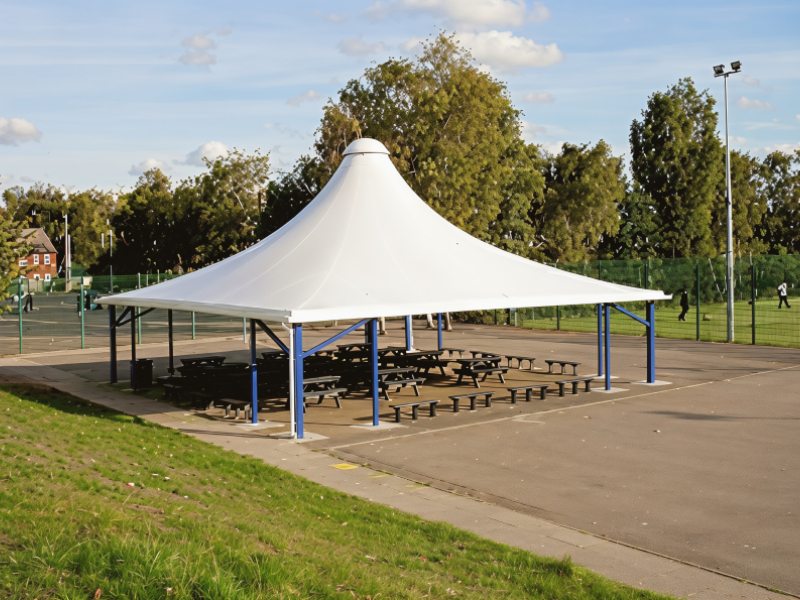
- Options for indoor and outdoor facilities
2. Material Quality
- Use of durable, high-quality materials
- Compliance with safety and environmental standards
3. Facility Types
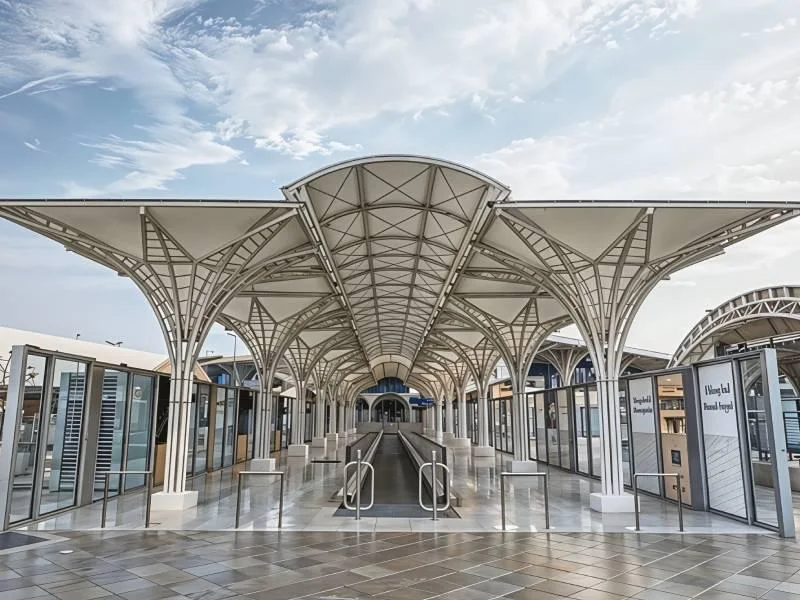
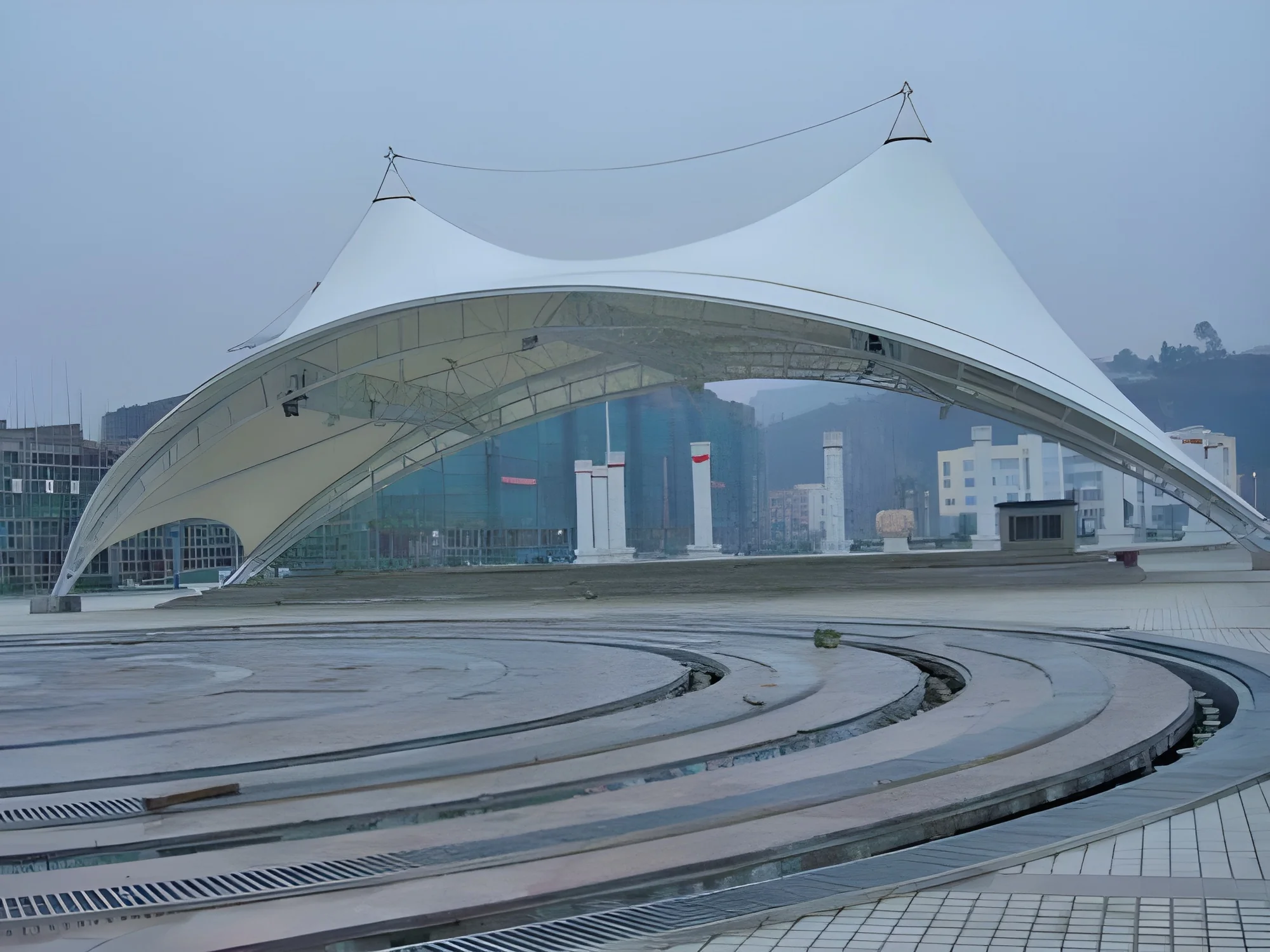
- Construction of multipurpose arenas, stadiums, and training facilities
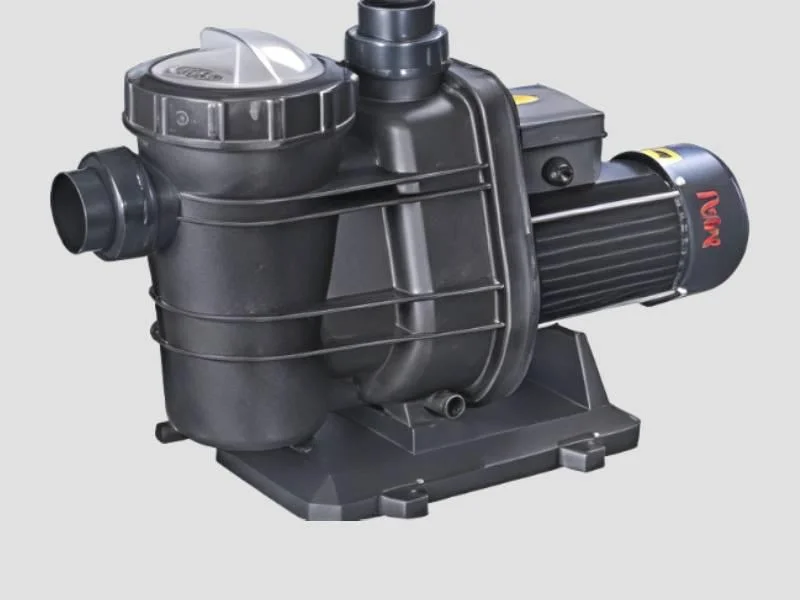
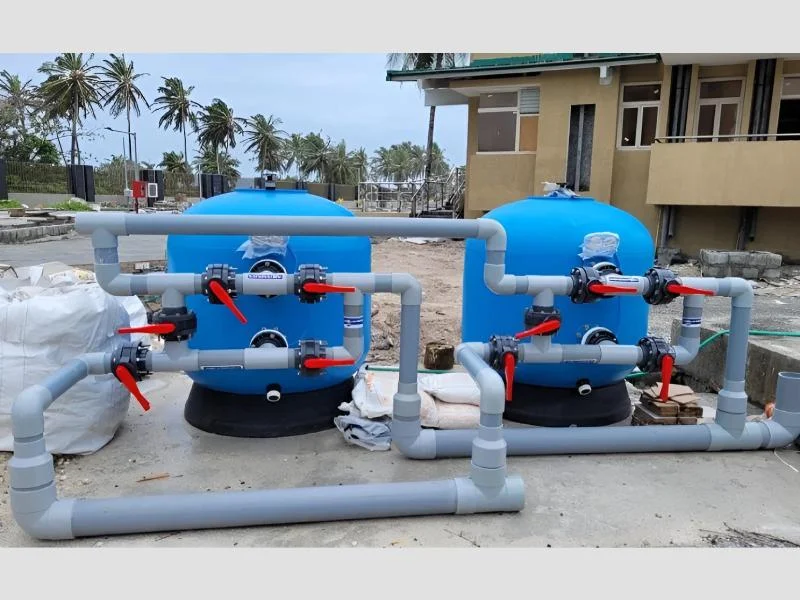
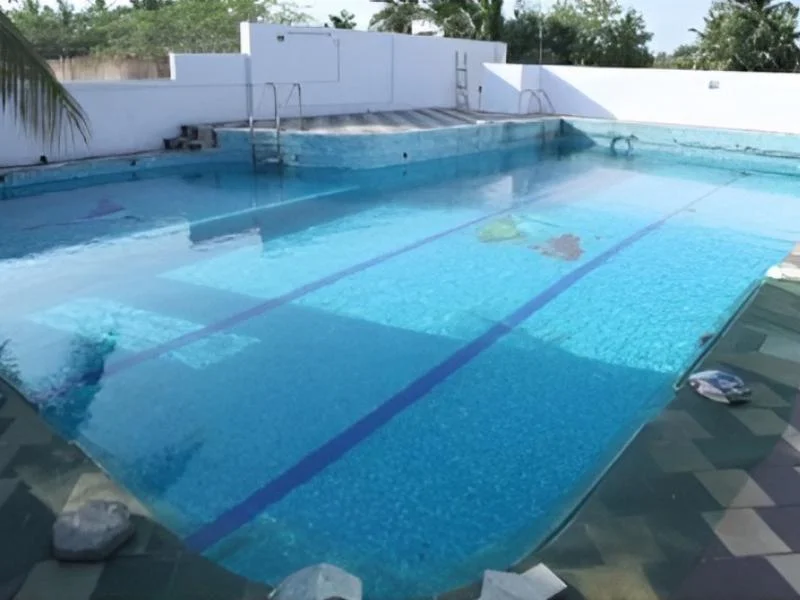
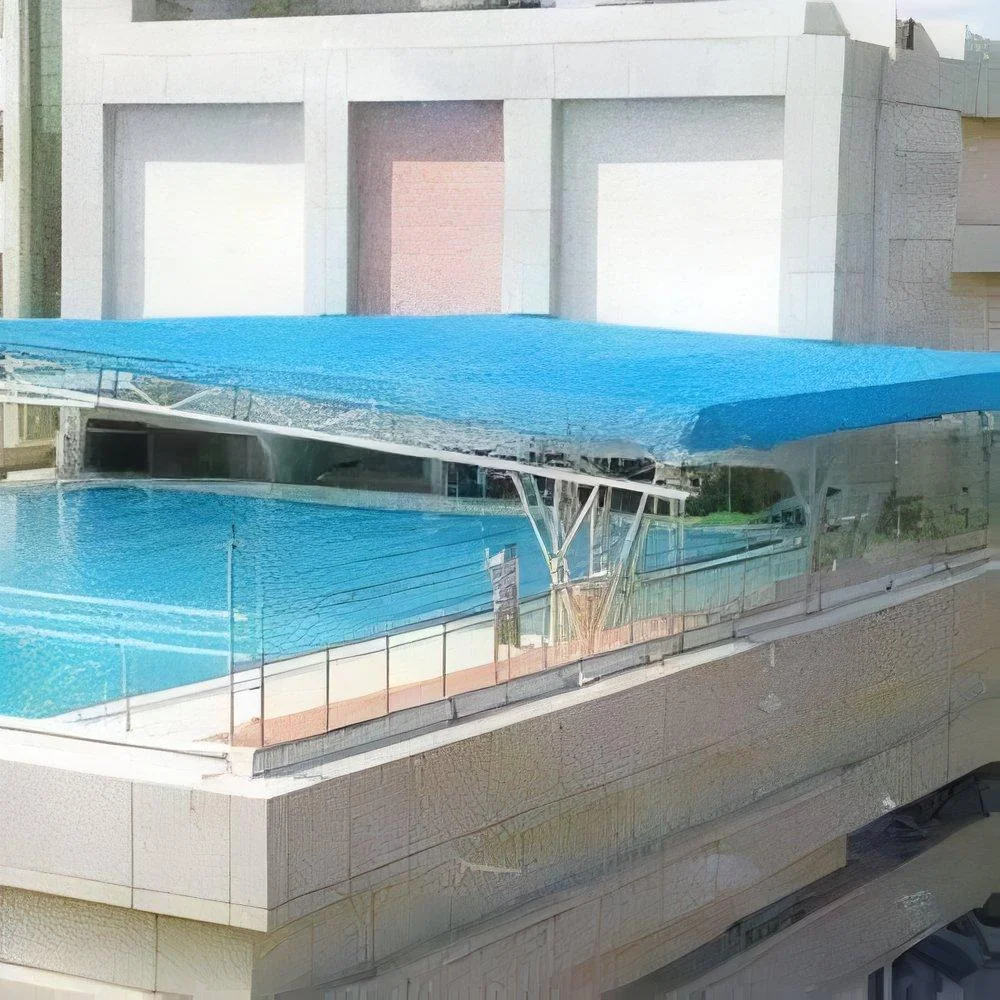
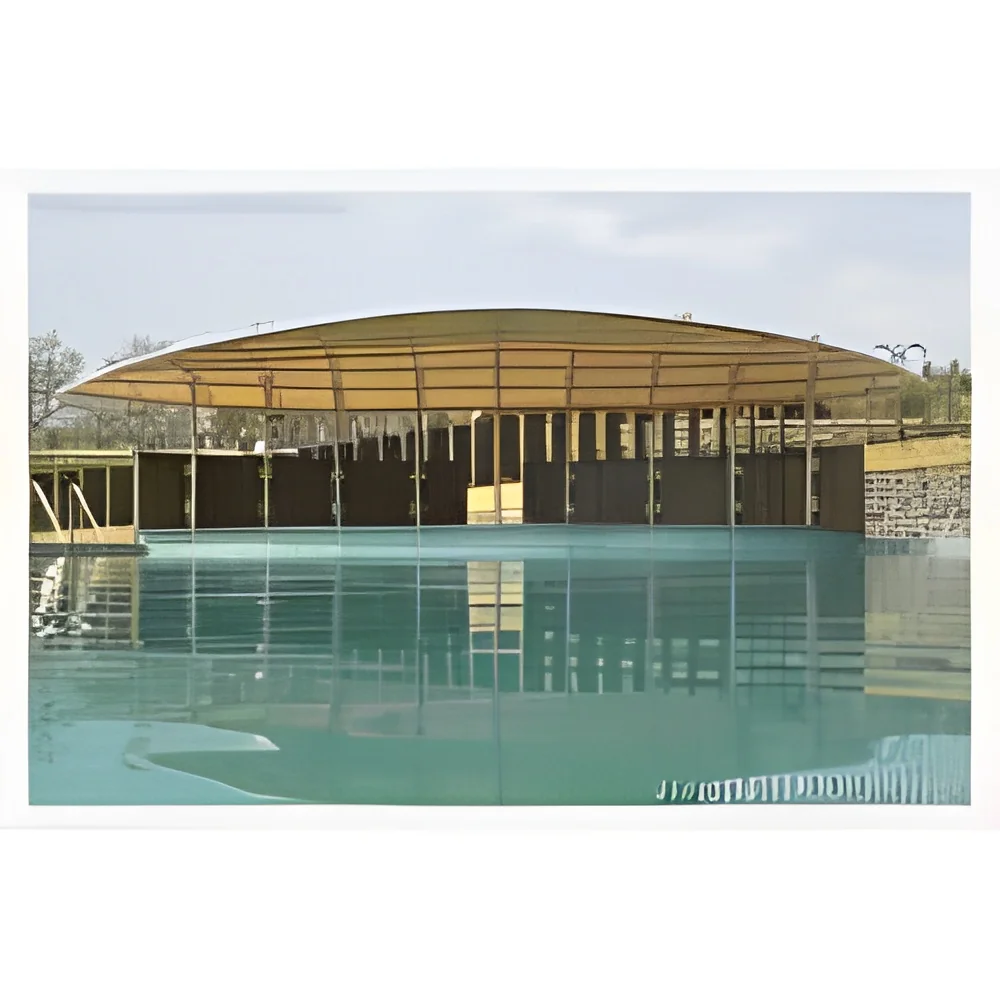
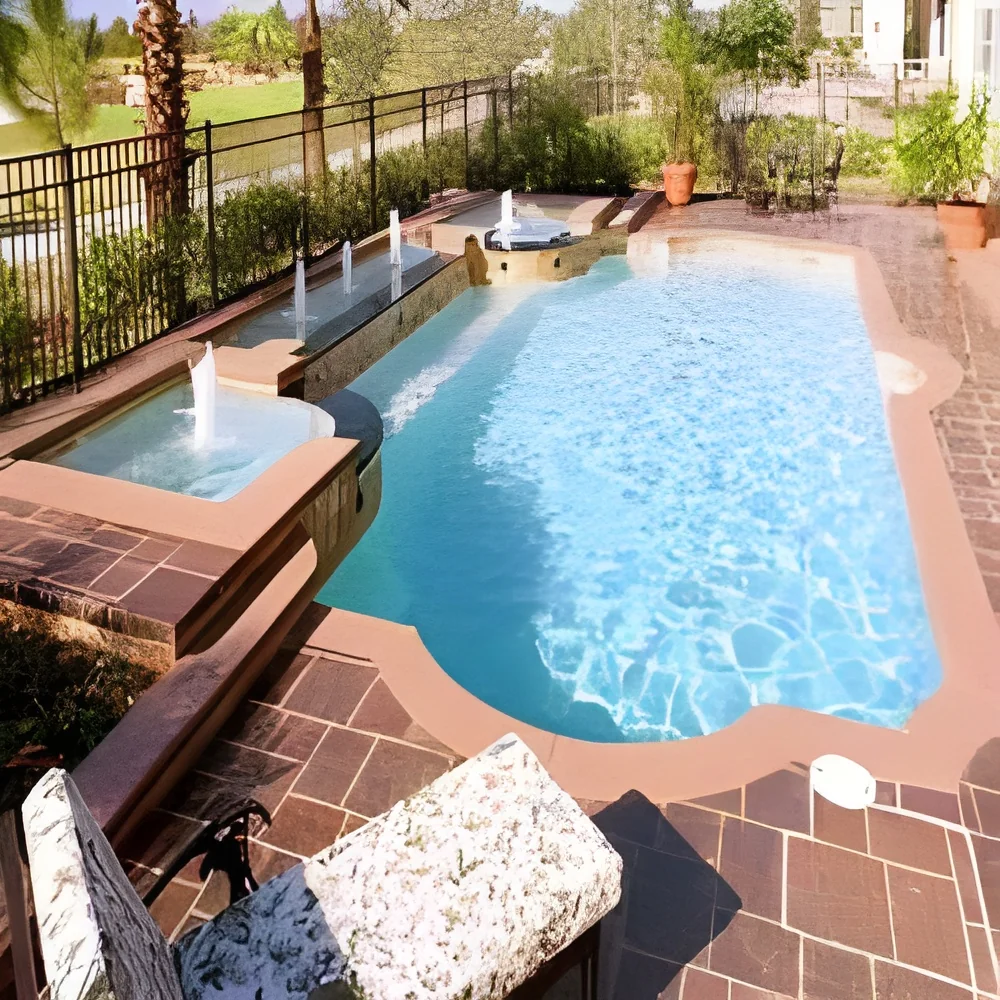
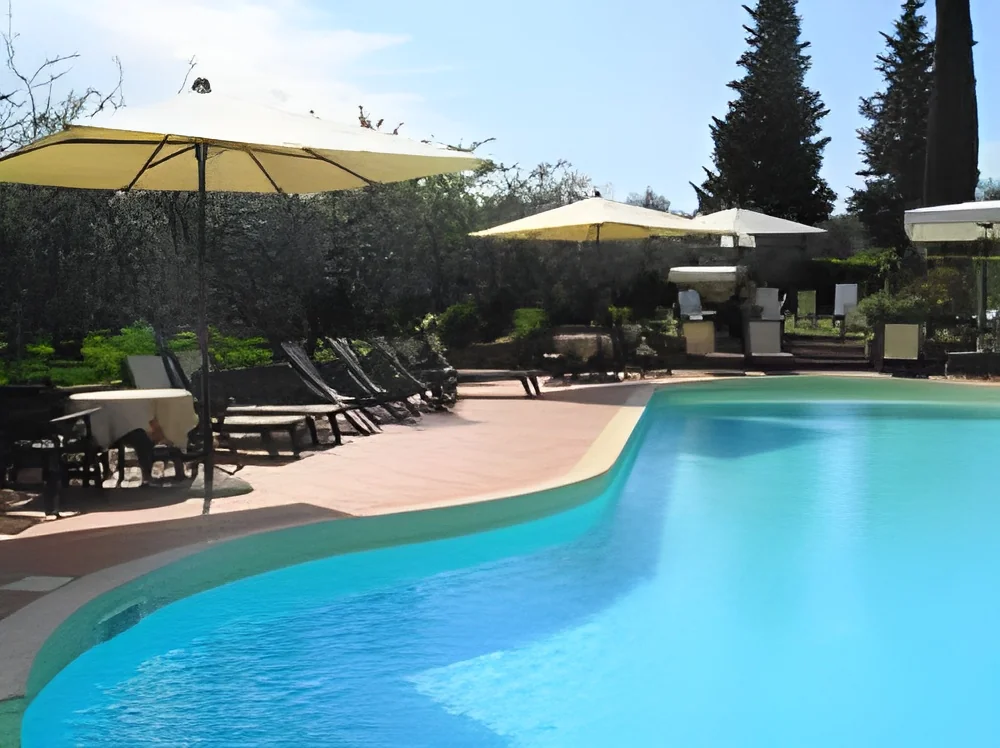
- Options for specialized areas like swimming pools and gyms
4. Sustainability Features
- Incorporation of energy-efficient systems
- Use of recyclable materials and water conservation systems
5. Compliance Standards
- Adherence to international quality standards such as ISO 9001
- Meeting local building codes and regulations
6. Project Management
- Comprehensive project management from inception to completion
- Regular updates and communication throughout the construction process
7. Safety Measures
- Implementation of rigorous safety protocols
- Conducting thorough inspections and testing
8. Accessibility
- Designing facilities for inclusivity and accessibility
- Compliance with ADA standards for public spaces
In summary, these specifications ensure that sports facilities are not only built to last but also designed to enhance the experience of athletes and spectators alike.
𝗖𝗼𝗺𝗺𝗼𝗻 𝗔𝗽𝗽𝗹𝗶𝗰𝗮𝘁𝗶𝗼𝗻𝘀 𝗮𝗻𝗱 𝗨𝘀𝗲 𝗖𝗮𝘀𝗲𝘀
Sports Facility Construction Services are widely applicable across various sectors.
1. Educational Institutions: Schools and universities often require sports facilities for physical education programs and athletic events. Custom-built gyms, fields, and courts enhance student engagement in sports.
2. Municipal Projects: Local governments invest in sports facilities to promote community health and wellness. Parks and recreational centers often feature sports venues for public use.
3. Professional Sports Teams: Franchises require state-of-the-art stadiums and training facilities to maintain competitive advantages. These projects often involve advanced technology and specialized designs.
4. Fitness Centers: Commercial gyms and fitness studios expand their offerings with dedicated spaces for sports training, group classes, and personal training.
5. Community Organizations: Non-profits and community groups build facilities to provide access to sports for underprivileged youth, promoting inclusivity and physical activity.
6. Corporate Facilities: Companies are increasingly investing in sports facilities for employee wellness programs, offering recreational activities as part of their benefits packages.
7. Event Venues: Sports arenas and stadiums are often repurposed for concerts and other events, requiring versatile designs to accommodate diverse audiences.
𝗣𝗿𝗼𝗱𝘂𝗰𝘁 𝗩𝗮𝗿𝗶𝗮𝗻𝘁𝘀 𝗮𝗻𝗱 𝗦𝘂𝗯𝗰𝗮𝘁𝗲𝗴𝗼𝗿𝗶𝗲𝘀
Sports Facility Construction Services can be diverse, catering to different needs and specifications.
Indoor Sports Facilities
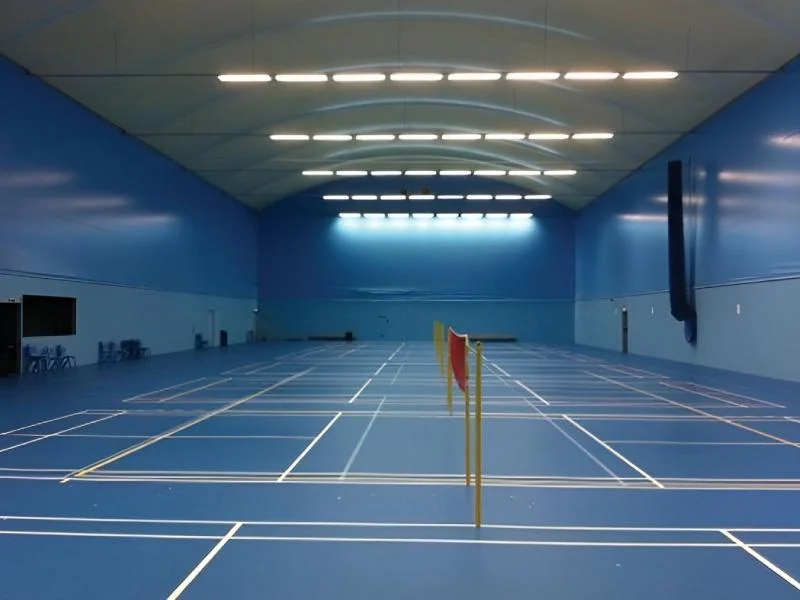
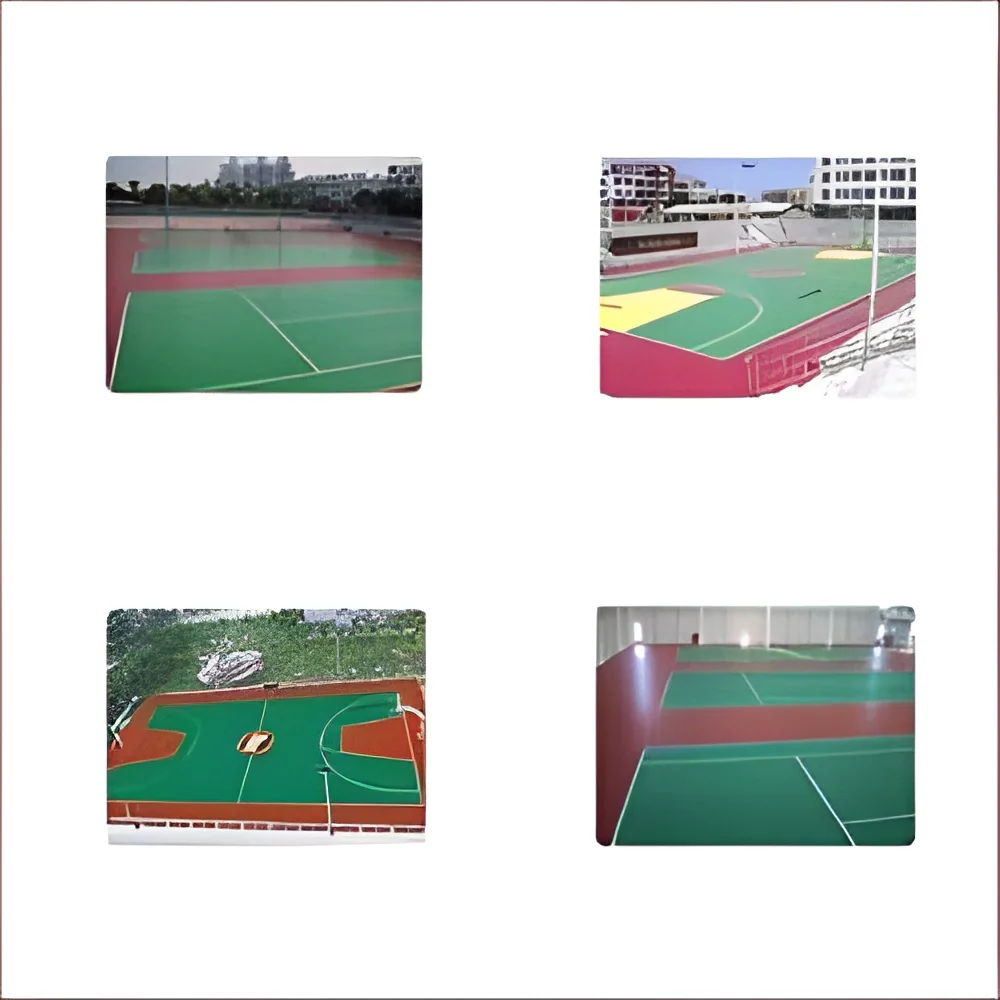
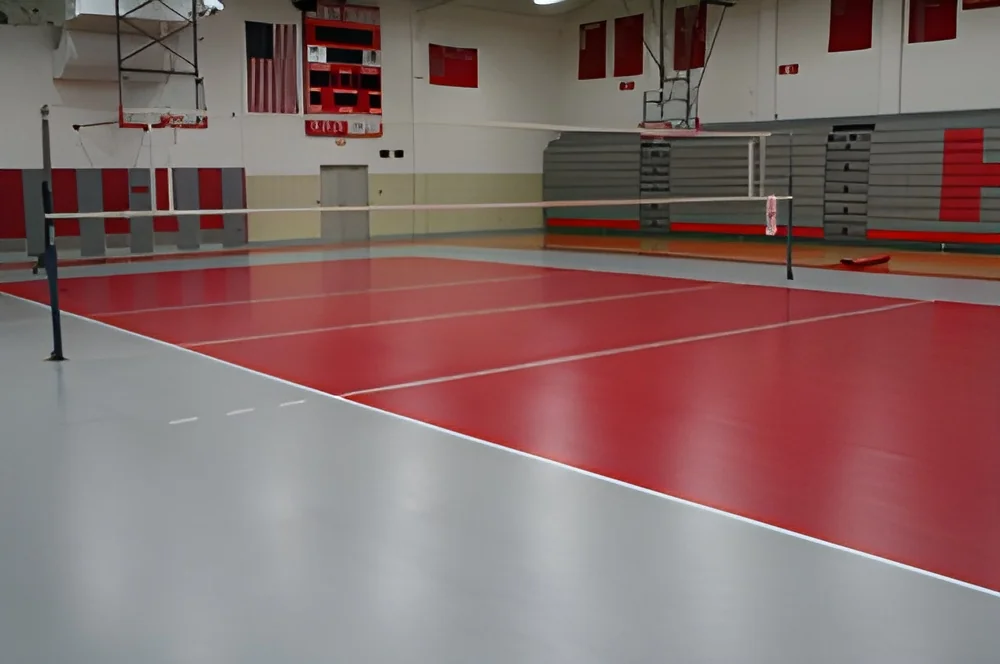
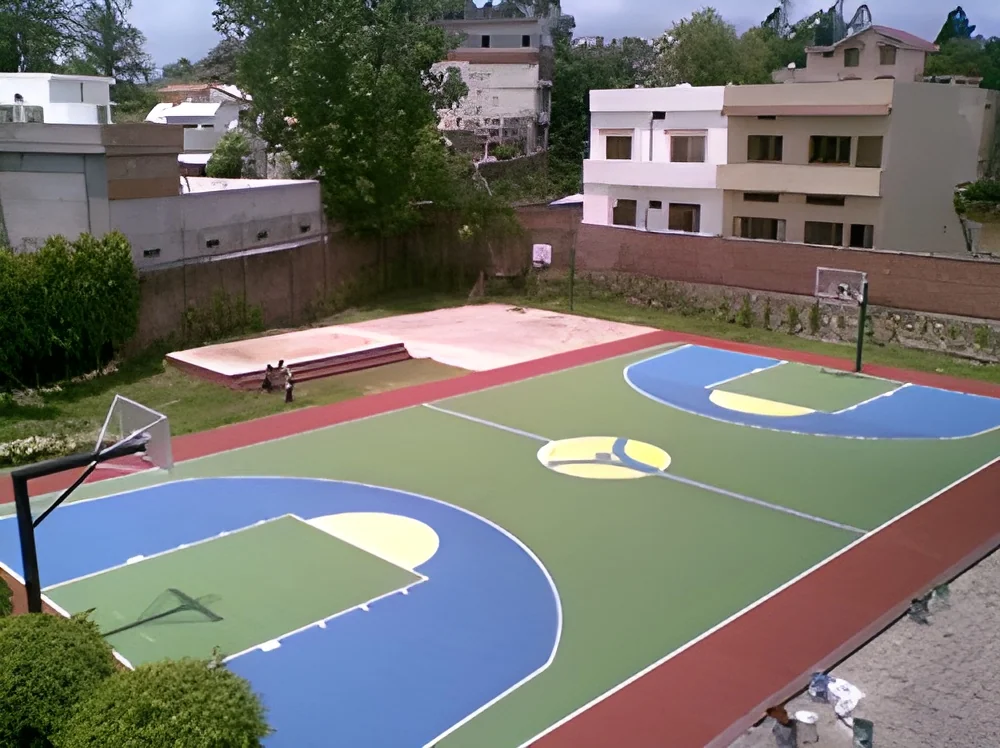
These facilities are designed for various indoor sports such as basketball, volleyball, and gymnastics. They often include features like climate control, specialized flooring, and seating arrangements for spectators.
Outdoor Sports Facilities
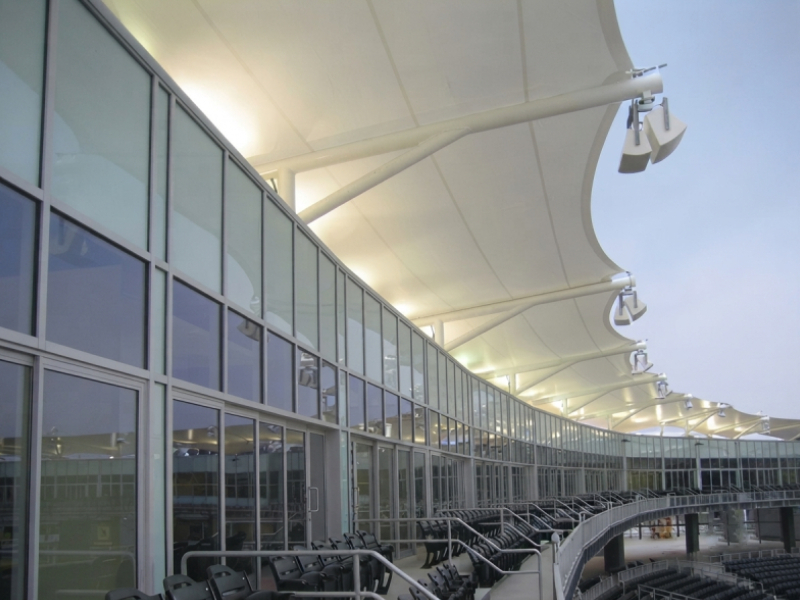
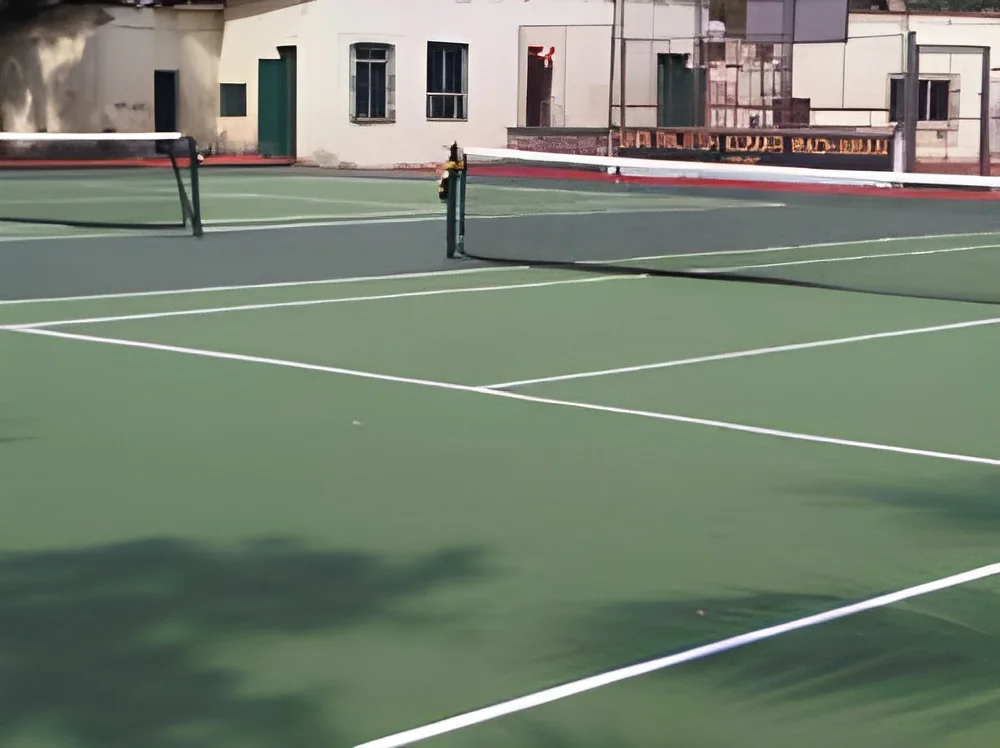
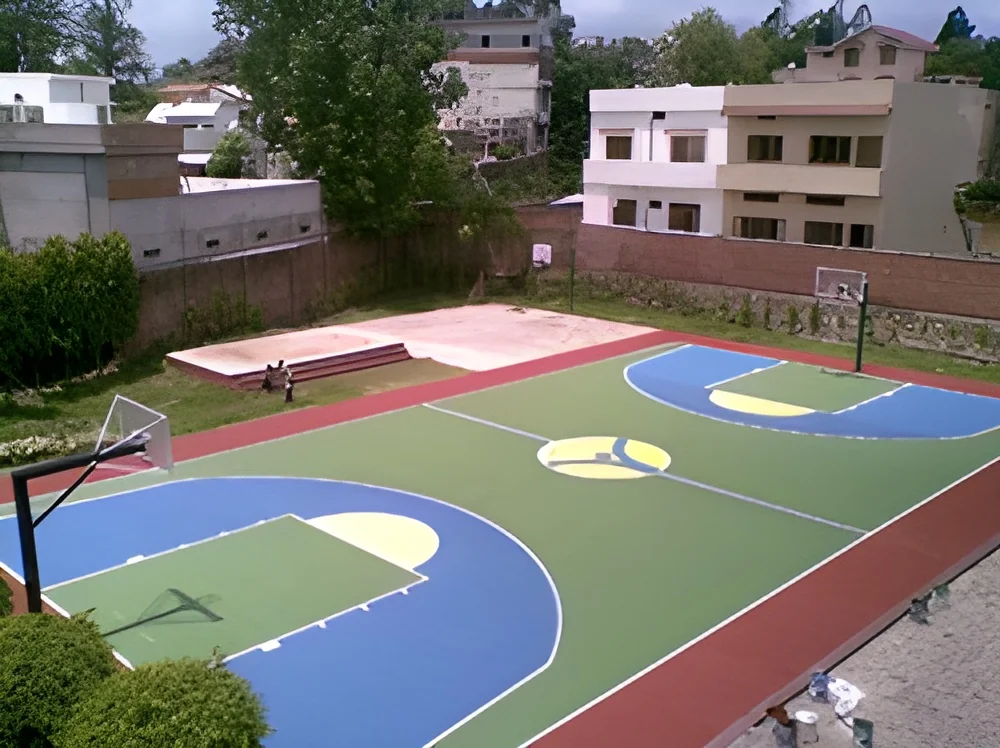
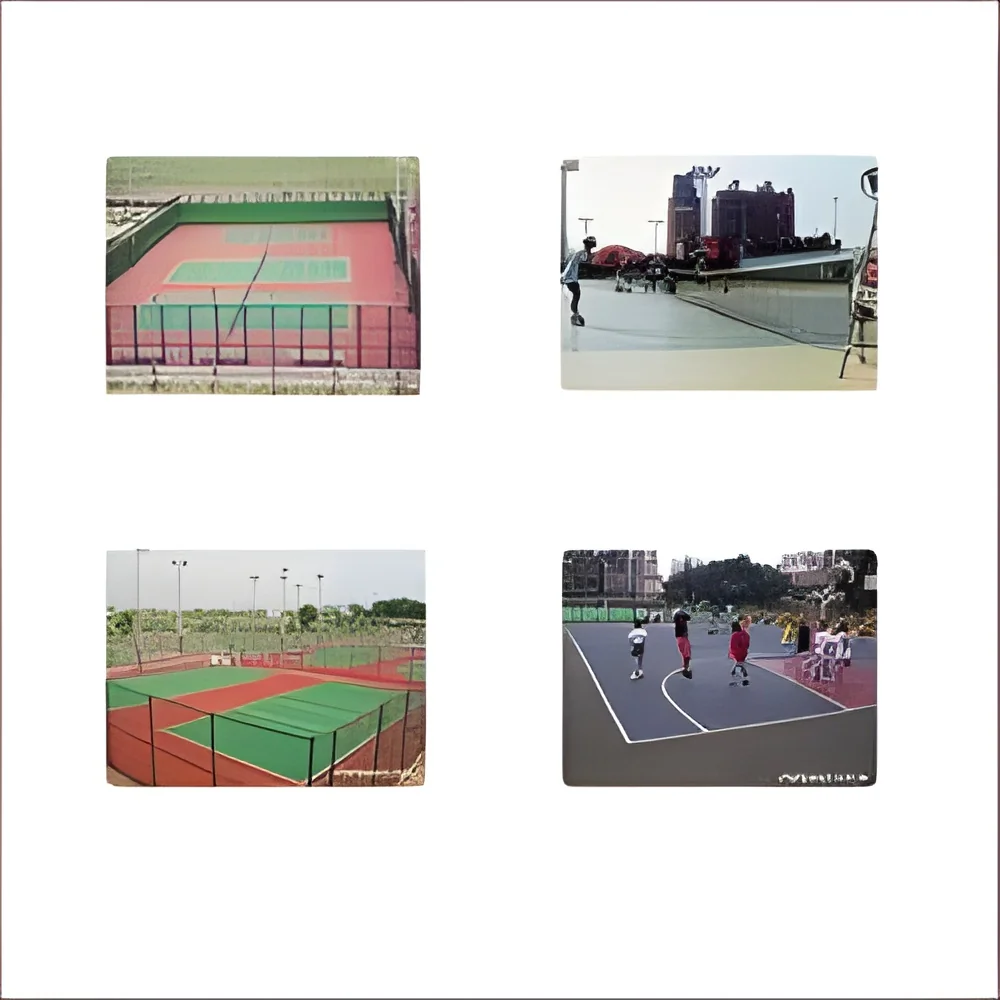
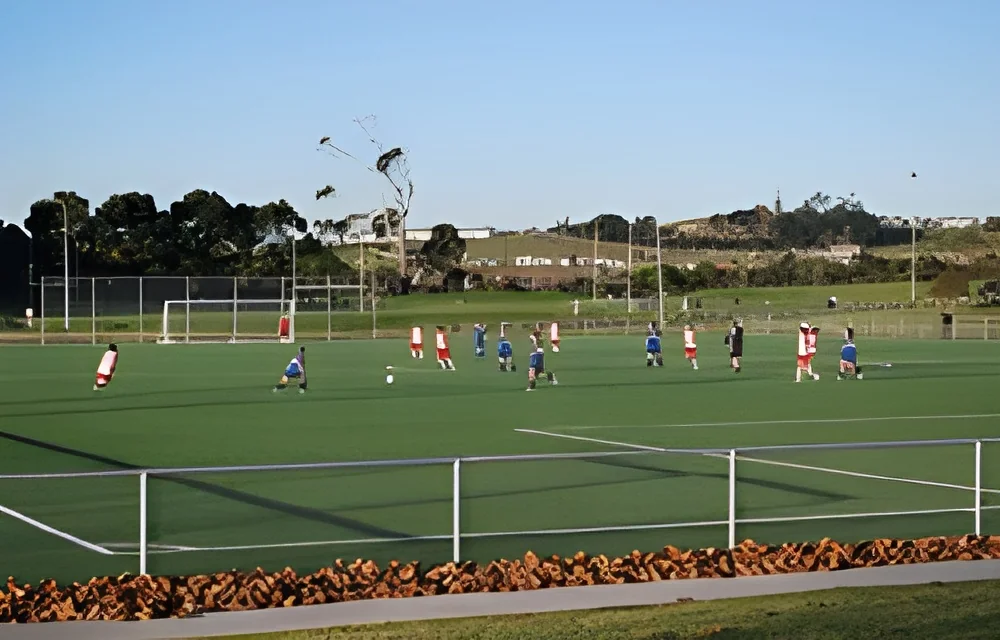
These include stadiums and fields for sports like soccer, baseball, and track events. They require weather-resistant materials and designs that consider natural lighting and drainage.
Training Centers
Focused on specific sports training, these centers provide specialized areas for athletes to practice and improve their skills. They often include advanced equipment and technology for performance monitoring.
Multi-purpose Venues
These facilities are adaptable for various sports and events, allowing for flexibility in usage. They can host everything from local tournaments to large-scale sporting events and concerts.
𝗕𝗲𝗻𝗲𝗳𝗶𝘁𝘀 𝗮𝗻𝗱 𝗔𝗱𝘃𝗮𝗻𝘁𝗮𝗴𝗲𝘀
Investing in Sports Facility Construction Services comes with numerous benefits.
1. Enhanced User Experience: Well-designed facilities improve the overall experience for athletes and spectators, promoting greater participation in sports activities.
2. Increased Revenue Potential: High-quality sports facilities can attract more events, leading to increased ticket sales and sponsorship opportunities.
3. Compliance and Safety: Construction services that adhere to industry standards ensure the safety of users and compliance with local regulations.
4. Community Engagement: Facilities promote community involvement by providing accessible venues for sports and recreational activities, fostering a sense of belonging.
5. Long-term Durability: Using quality materials and construction practices leads to facilities that require less maintenance and have a longer lifespan.
6. Sustainability: Incorporating eco-friendly practices in construction helps reduce the environmental footprint of sports facilities, aligning with global sustainability goals.
𝗕𝘂𝘆𝗶𝗻𝗴 𝗚𝘂𝗶𝗱𝗲 𝗳𝗼𝗿 𝗕𝟮𝗕 𝗕𝘂𝘆𝗲𝗿𝘀
When sourcing Sports Facility Construction Services, it is important to consider various factors to ensure a successful project.
1. Quality Assessment: Evaluate potential suppliers based on their track record of delivering high-quality projects. Look for testimonials and case studies that demonstrate their capabilities.
2. Supplier Verification: Conduct thorough checks on suppliers to verify their credentials, experience, and reputation in the industry. This can include referencing past projects and client feedback.
3. Pricing and MOQ: Understand the pricing structure and minimum order quantities. Compare quotes from different suppliers to ensure you are getting competitive rates.
4. Delivery and Lead Times: Discuss timelines with suppliers to ensure that project deadlines are realistic and achievable. Confirm logistics and any potential delays.
5. Compliance Requirements: Ensure that the supplier is knowledgeable about local regulations and standards. This will help avoid compliance issues that could delay the project.
𝗖𝗼𝗺𝗽𝗹𝗶𝗮𝗻𝗰𝗲 𝗮𝗻𝗱 𝗖𝗲𝗿𝘁𝗶𝗳𝗶𝗰𝗮𝘁𝗶𝗼𝗻𝘀
Sports Facility Construction Services must adhere to a variety of compliance and certification requirements to ensure quality and safety.
Relevant quality standards include ISO 9001, which focuses on quality management systems. This certification helps ensure that construction processes meet customer and regulatory requirements consistently.
Industry certifications such as CE indicate that the facilities comply with European safety and health standards. These certifications are crucial for ensuring that the facility is safe for public use.
Safety and testing requirements are essential to verify the integrity of materials and construction practices. Regular inspections and adherence to safety protocols are mandatory throughout the construction phase.
Regional compliance considerations may vary. It is important to be aware of local building codes and regulations that govern sports facility construction, ensuring that all projects meet necessary legal requirements.
𝗪𝗵𝘆 𝗦𝗼𝘂𝗿𝗰𝗲 𝗦𝗽𝗼𝗿𝘁𝘀 𝗙𝗮𝗰𝗶𝗹𝗶𝘁𝘆 𝗖𝗼𝗻𝘀𝘁𝗿𝘂𝗰𝘁𝗶𝗼𝗻 𝗦𝗲𝗿𝘃𝗶𝗰𝗲𝘀 𝗳𝗿𝗼𝗺 𝗣𝗲𝗽𝗮𝗴𝗼𝗿𝗮?
Pepagora offers a trusted platform for sourcing Sports Facility Construction Services, providing several key advantages for B2B buyers.
Verified Supplier Network: Pepagora ensures that all suppliers are thoroughly vetted and verified. This process provides peace of mind to buyers, knowing they are working with reputable service providers.
Streamlined RFQ Process: The platform simplifies the request for quotation (RFQ) process, allowing buyers to receive multiple quotes from different suppliers quickly. This efficiency helps in making informed decisions.
Trade Assurance and Support: Pepagora offers trade assurance measures to protect buyers throughout the sourcing process. This includes support for resolving disputes and ensuring product quality.
Regional Coverage: With a broad geographic reach across India, the GCC, and Southeast Asia, Pepagora connects buyers with suppliers in various regions, promoting accessibility and convenience in sourcing sports facility construction services.

 IN
IN