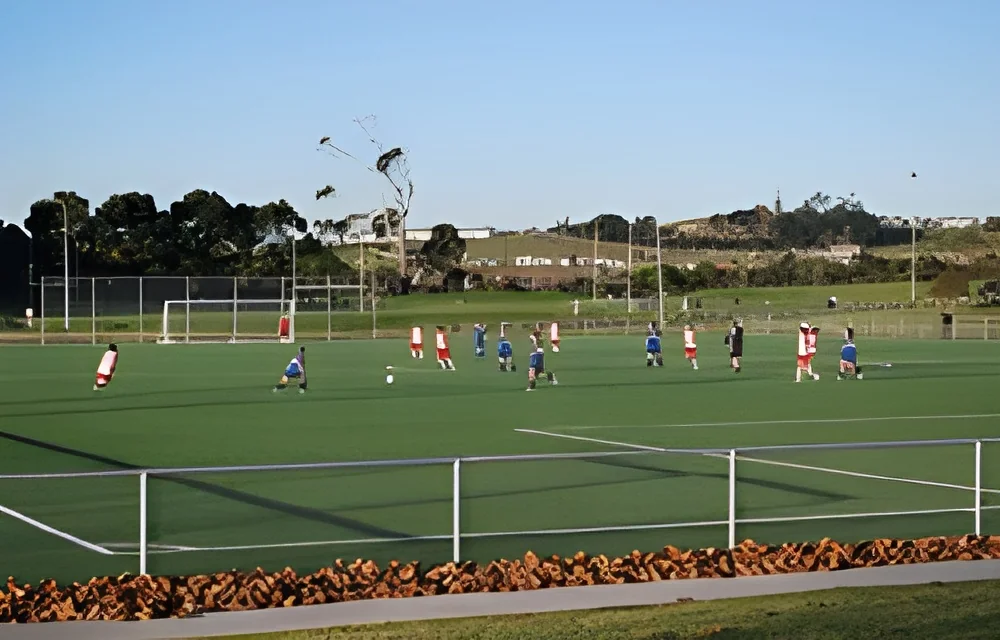
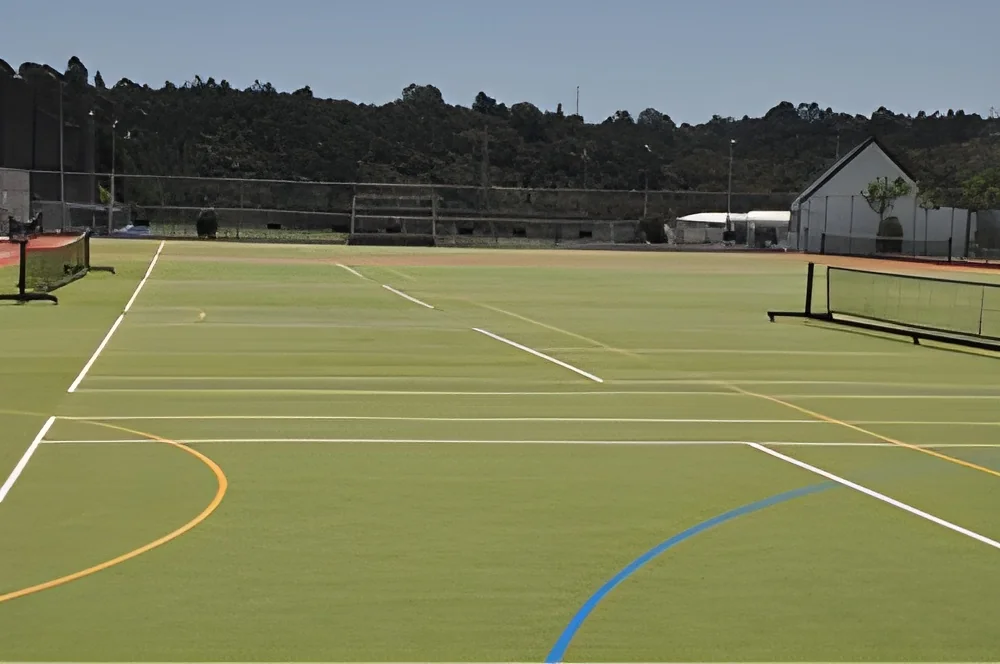
What are Football Field Construction?
Football field construction refers to the process of designing and building a regulated playing surface for football, whether for professional, amateur, or recreational use. This involves careful planning and execution to ensure the field meets specific dimensions and quality standards. The construction typically includes site preparation, drainage installation, turf laying, and maintenance infrastructure.
These fields are primarily used in sports facilities, schools, and community centers. They facilitate various activities, including soccer matches, training sessions, and tournaments. The construction of a football field is crucial to provide a safe and competitive environment for players. As the popularity of football continues to grow globally, the demand for well-constructed fields has increased, making it a relevant area in the sports infrastructure market.
In the current market context, football field construction plays a vital role in promoting sports at all levels. As organizations recognize the importance of quality sports facilities, investments in football field construction are growing. This trend is further supported by public and private partnerships dedicated to enhancing community sports infrastructure.
Key Features and Specifications
Football field construction involves several key features and specifications that ensure the field's performance and durability. Understanding these specifications is essential for making informed decisions when planning a football field.
Key specifications include:
1. Field Dimensions
- The standard size for a football field is 100-110 meters in length and 64-75 meters in width.
2. Surface Type
- Options include natural grass, artificial turf, or hybrid systems, each with unique maintenance and performance characteristics.
3. Drainage System
- Proper drainage is essential to prevent water accumulation, with systems designed to handle local rainfall conditions.
4. Soil Quality
- The underlying soil must have appropriate compaction and permeability for optimal turf growth and stability.
5. Markings and Goals
- Field markings must adhere to official regulations, and goals should be constructed to standard dimensions.
6. Maintenance Equipment
- Equipment for regular upkeep, including mowers, aerators, and field conditioners, is crucial for longevity.
7. Safety Features
- The field should include safety measures, such as shock-absorbing surfaces and proper barriers.
8. Accessibility
- The design must consider accessibility for athletes and spectators, ensuring compliance with local regulations.
In summary, understanding the key features and specifications of football field construction can guide buyers in selecting the right materials and methods for their projects.
Common Applications and Use Cases
Football field construction is essential in various applications across different sectors.
1. Sports Clubs: Sports clubs use professionally constructed fields to host training sessions and competitive matches, fostering talent development.
2. Educational Institutions: Schools and universities require football fields for physical education programs and inter-school competitions, promoting student engagement in sports.
3. Community Parks: Local governments invest in football fields to enhance community recreation options, encouraging physical activity among residents.
4. Professional Facilities: Professional teams rely on high-quality fields for training and matches, impacting player performance and audience experience.
5. Event Hosting: Fields are often used for hosting tournaments, which can attract visitors and generate local economic benefits.
6. Rehabilitation Centers: Some rehabilitation centers utilize football fields for therapy programs, promoting physical recovery through sports.
7. Youth Programs: Organizations that focus on youth development often build football fields to provide structured programs that teach teamwork and discipline.
Product Variants and Subcategories
Football field construction can encompass various aspects tailored to different needs and preferences.
Natural Grass Fields: These fields offer a traditional playing surface that provides excellent aesthetics. They require regular maintenance, including mowing, fertilization, and irrigation.
Artificial Turf Fields: Ideal for high usage, these fields are low maintenance and provide consistent playing conditions year-round. They are popular in areas with limited water resources or harsh weather conditions.
Hybrid Fields: Combining natural grass with synthetic fibers, hybrid fields aim to enhance durability while retaining the natural feel of grass. They are suitable for high-performance environments.
Indoor Football Fields: Constructed within enclosed facilities, these fields allow for year-round play regardless of weather conditions. They often feature specialized artificial surfaces.
Benefits and Advantages
Investing in football field construction comes with numerous benefits that enhance the experience for players and organizations.
1. Quality of Play: High-quality fields provide a safer and more enjoyable playing experience, contributing to improved athlete performance.
2. Durability: Well-constructed fields withstand heavy usage, reducing the need for frequent repairs and replacements.
3. Aesthetic Appeal: Professionally designed fields enhance the visual appeal of sports facilities, attracting more visitors and events.
4. Increased Participation: Quality fields encourage greater community involvement in sports, fostering a culture of physical activity.
5. Revenue Generation: Well-maintained fields can host tournaments and events, creating additional revenue streams for organizations.
6. Environmental Considerations: Sustainable construction practices can reduce the ecological footprint of football fields, promoting greener initiatives.
Buying Guide for B2B Buyers
When sourcing football field construction, several factors should be considered to ensure a successful project.
1. Quality Assessment: Evaluate the quality of materials and construction techniques. Look for fields that meet relevant industry standards and offer warranties.
2. Supplier Verification: Vet potential suppliers by checking their credentials, past projects, and client references. This helps ensure reliability and expertise.
3. Pricing and MOQ: Understand the pricing structure and minimum order quantities required by suppliers. Negotiating favorable terms can lead to better pricing.
4. Delivery and Lead Times: Clarify logistics regarding delivery schedules and lead times. Timely completion is crucial for meeting project deadlines.
5. Compliance Requirements: Ensure that the construction adheres to local regulations and safety standards, which may vary by region.
Compliance and Certifications
Football field construction must adhere to various quality standards and certifications to ensure safety and performance.
Relevant quality standards include ISO 9001, which emphasizes quality management systems, and CE marking, which indicates compliance with EU safety standards.
Industry certifications may also involve specific testing requirements to ensure materials and construction methods meet safety and durability benchmarks.
Regional compliance considerations can vary significantly, requiring adherence to local building codes, environmental regulations, and sports governing body guidelines.
Why Source Football Field Construction from Pepagora?
Pepagora offers a reliable platform for sourcing football field construction with several compelling advantages.
Verified Supplier Network: All suppliers on Pepagora undergo a thorough verification process to ensure quality and reliability. This creates confidence in sourcing decisions.
Streamlined RFQ Process: The platform simplifies the request for quotation process, allowing buyers to compare multiple suppliers and select the best options based on their needs.
Trade Assurance and Support: Pepagora provides robust buyer protection, which includes support for resolving disputes and ensuring timely delivery of products.
Regional Coverage: With a strong presence in India, the GCC, and Southeast Asia, Pepagora facilitates connections with suppliers across diverse markets, enhancing access to quality football field construction solutions.

 IN
IN