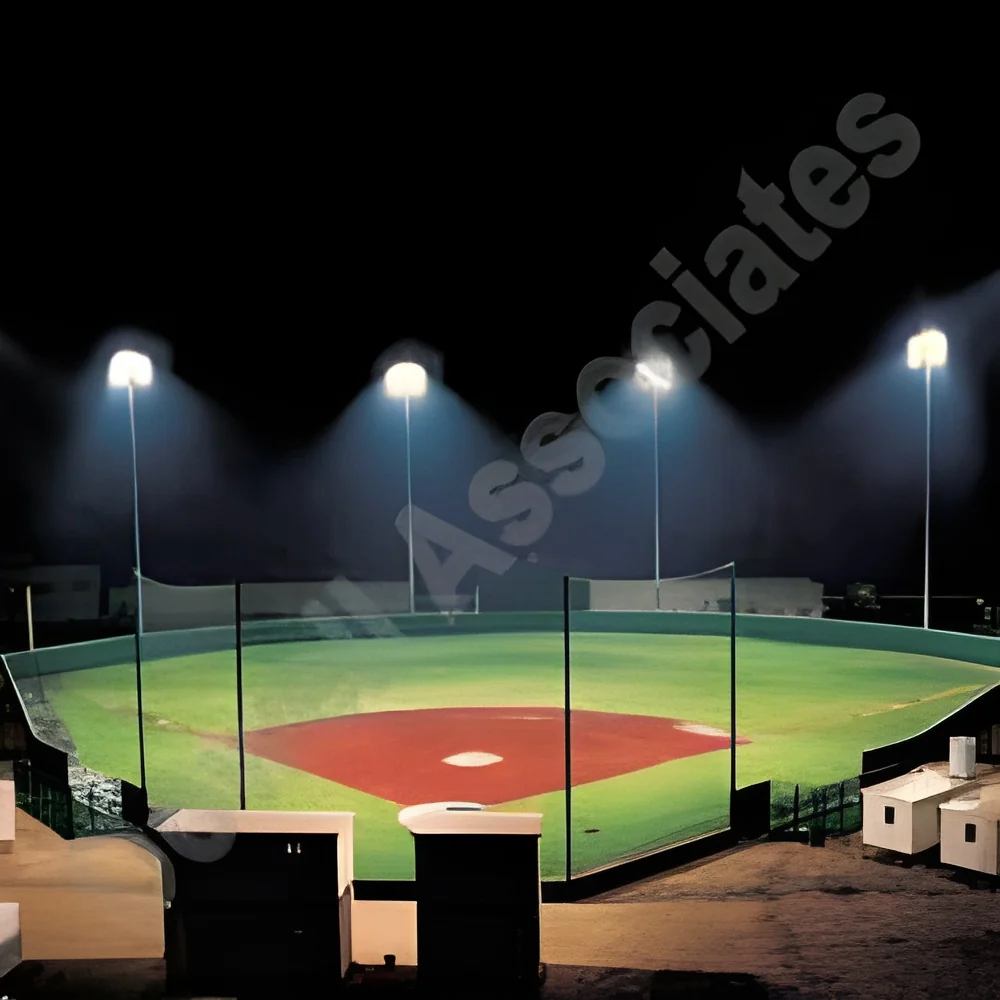
What are Sports Lighting Systems?
Sports lighting systems are specialized lighting solutions designed to illuminate outdoor and indoor sports facilities. These systems provide the required brightness and uniformity to enhance visibility during sporting events, ensuring safety and optimal performance for athletes. Typically, these lighting solutions utilize high-intensity lighting technology, such as LED fixtures, which offer energy efficiency and long-lasting performance.
The primary applications of sports lighting systems include stadiums, arenas, tennis courts, soccer fields, and other athletic venues. Businesses involved in sports management, facility operations, and event hosting rely on these lighting systems to meet the specific illumination requirements of various sports. As the demand for night games and events increases, the relevance of efficient and effective sports lighting systems continues to grow within the industry.
In the current market context, sports lighting systems are becoming increasingly sophisticated, integrating advanced technologies like smart controls and energy management systems. This evolution reflects the trends towards sustainability and efficiency in sports facilities. As more organizations recognize the importance of quality lighting, the market for sports lighting systems is expected to expand, driven by both technological advancements and growing consumer expectations.
Key Features and Specifications
Sports lighting systems come with a variety of features and specifications that ensure they meet the rigorous demands of sporting events. These features enhance performance, energy efficiency, and safety.
Key specifications include:
1. Lumen Output
- A measure of the total amount of visible light emitted by a source.
- Ranges typically from 10,000 to 200,000 lumens, depending on the application.
2. Color Temperature
- Refers to the color appearance of the light emitted.
- Usually ranges from 3000K (warm white) to 6000K (cool white).
3. Beam Angle
- The angle at which light is distributed from the fixture.
- Commonly available in narrow (15-30 degrees) to wide (60-120 degrees) beam angles.
4. Energy Efficiency
- Expressed in terms of watts per lumen output.
- High-performance systems can achieve over 100 lumens per watt.
5. Lifespan
- The operational life of the lighting fixtures.
- LED fixtures typically last between 30,000 to 50,000 hours.
6. Control Systems
- Options for dimming, scheduling, and remote management.
- May include smart technology integration for enhanced functionality.
7. Weather Resistance
- Ratings for outdoor fixtures against environmental factors.
- Commonly rated IP65 or higher for dust and water resistance.
8. Installation Type
- Options include pole-mounted, truss-mounted, or integrated designs.
- Installation method may vary based on facility layout and usage.
In summary, understanding these features and specifications is crucial for selecting the right sports lighting system that meets specific facility needs and regulatory requirements.
Common Applications and Use Cases
Sports lighting systems are utilized across various industries, each with unique applications.
1. Stadiums: Sports lighting systems are essential for stadiums hosting professional games, allowing for high visibility and ensuring safety for players and spectators.
2. Educational Institutions: Schools and universities use sports lighting systems for their athletic fields and courts, enabling night-time practices and events.
3. Recreational Facilities: Community parks and recreation centers install sports lighting to extend the usability of fields and courts for local leagues and events.
4. Commercial Sports Venues: Gyms and fitness centers incorporate sports lighting to enhance the experience for indoor sports like basketball or volleyball.
5. Event Management: Temporary lighting solutions can be deployed for special events or tournaments, ensuring optimal visibility for participants and audiences.
6. Broadcasting: High-quality sports lighting is crucial for televised events, providing the necessary illumination for cameras to capture clear images.
7. Multi-purpose Venues: Facilities that host a variety of sports can benefit from versatile lighting systems adaptable to different sports requirements.
Product Variants and Subcategories
Sports lighting systems come in various forms, catering to different needs and environments.
LED Flood Lights
These fixtures are known for their energy efficiency and bright output. They are ideal for large outdoor areas such as stadiums and fields, providing uniform lighting coverage.
High Mast Lighting
Typically used for large areas, high mast lighting fixtures are mounted on tall poles. They are effective for illuminating parking lots, stadiums, and large open spaces.
Portable Lighting Systems
These systems are designed for flexibility and mobility, making them suitable for events that require temporary lighting solutions. They can be easily transported and set up as needed.
Solar-Powered Lighting
An environmentally friendly option, solar-powered sports lighting systems utilize renewable energy. They are ideal for remote locations where traditional power sources may not be available.
Benefits and Advantages
Sports lighting systems offer numerous benefits that enhance the experience for both users and spectators.
1. Improved Visibility: High-quality lighting ensures that athletes can perform optimally, minimizing risks of accidents or injuries during play.
2. Extended Usage Hours: With proper lighting, facilities can host events and practices beyond daylight hours, maximizing their operational potential.
3. Energy Efficiency: Modern lighting technologies, particularly LED systems, consume less power, reducing energy costs and environmental impact.
4. Durability: Many sports lighting systems are designed to withstand harsh weather conditions, ensuring long-term reliability and reduced maintenance costs.
5. Enhanced Spectator Experience: Properly lit venues create an enjoyable atmosphere for fans, encouraging attendance and engagement.
6. Compliance with Standards: Many sports lighting systems meet industry standards, ensuring safety and performance for competitive events.
Buying Guide for B2B Buyers
When sourcing sports lighting systems, businesses should consider several critical factors to ensure they make informed decisions.
1. Quality Assessment: Evaluate the quality of the lighting fixtures based on specifications such as lumen output, energy efficiency, and lifespan. Look for products that comply with industry standards.
2. Supplier Verification: Research potential suppliers to ensure they have a track record of delivering reliable products. Check for reviews, certifications, and case studies related to their past projects.
3. Pricing and MOQ: Understand the pricing structure and minimum order quantity (MOQ) requirements. Compare costs among suppliers to find a balance between quality and affordability.
4. Delivery and Lead Times: Clarify the expected delivery times and logistics involved in obtaining the lighting systems. Plan accordingly to avoid delays in project timelines.
5. Compliance Requirements: Ensure that the lighting systems meet local regulations and safety standards. This is crucial for avoiding compliance issues that can arise during installations or inspections.
Compliance and Certifications
Sports lighting systems must adhere to various quality standards and certification requirements to ensure their reliability and performance.
ISO 9001 is a widely recognized standard that outlines criteria for a quality management system. Compliance with ISO 9001 indicates that a manufacturer maintains consistent quality in their products and services.
CE certification signifies that a product meets European Union safety, health, and environmental protection requirements. This certification is especially important for systems intended for use in various international markets.
Safety and testing requirements are paramount in the sports lighting industry. Fixtures must be tested for electrical safety, performance, and environmental impact to ensure they can withstand the rigors of their intended use.
Additionally, regional compliance considerations may vary based on local regulations. Buyers should be aware of specific standards that apply in their locations to ensure that the lighting systems they choose comply with all necessary legal requirements.
Why Source Sports Lighting Systems from Pepagora?
Pepagora provides a trusted platform for sourcing sports lighting systems, offering several key advantages for B2B buyers.
Verified Supplier Network: Pepagora connects buyers with a network of verified suppliers, ensuring that the products offered meet high standards of quality and reliability. This network reduces the risk associated with sourcing from unknown manufacturers.
Streamlined RFQ Process: The platform features a simplified request for quotation (RFQ) process, allowing buyers to quickly receive multiple quotes from different suppliers. This efficiency helps businesses make informed purchasing decisions.
Trade Assurance and Support: Pepagora offers trade assurance, protecting buyers against potential issues during the transaction process. This support enhances buyer confidence and ensures a smoother purchasing experience.
Regional Coverage: With a strong presence in India, the GCC, and Southeast Asia, Pepagora serves a broad geographic area. This regional coverage ensures that buyers can access quality sports lighting systems tailored to their specific market needs.

 IN
IN