𝗪𝗵𝗮𝘁 𝗮𝗿𝗲 𝗦𝘆𝗻𝘁𝗵𝗲𝘁𝗶𝗰 𝗧𝘂𝗿𝗳 𝗜𝗻𝘀𝘁𝗮𝗹𝗹𝗮𝘁𝗶𝗼𝗻?
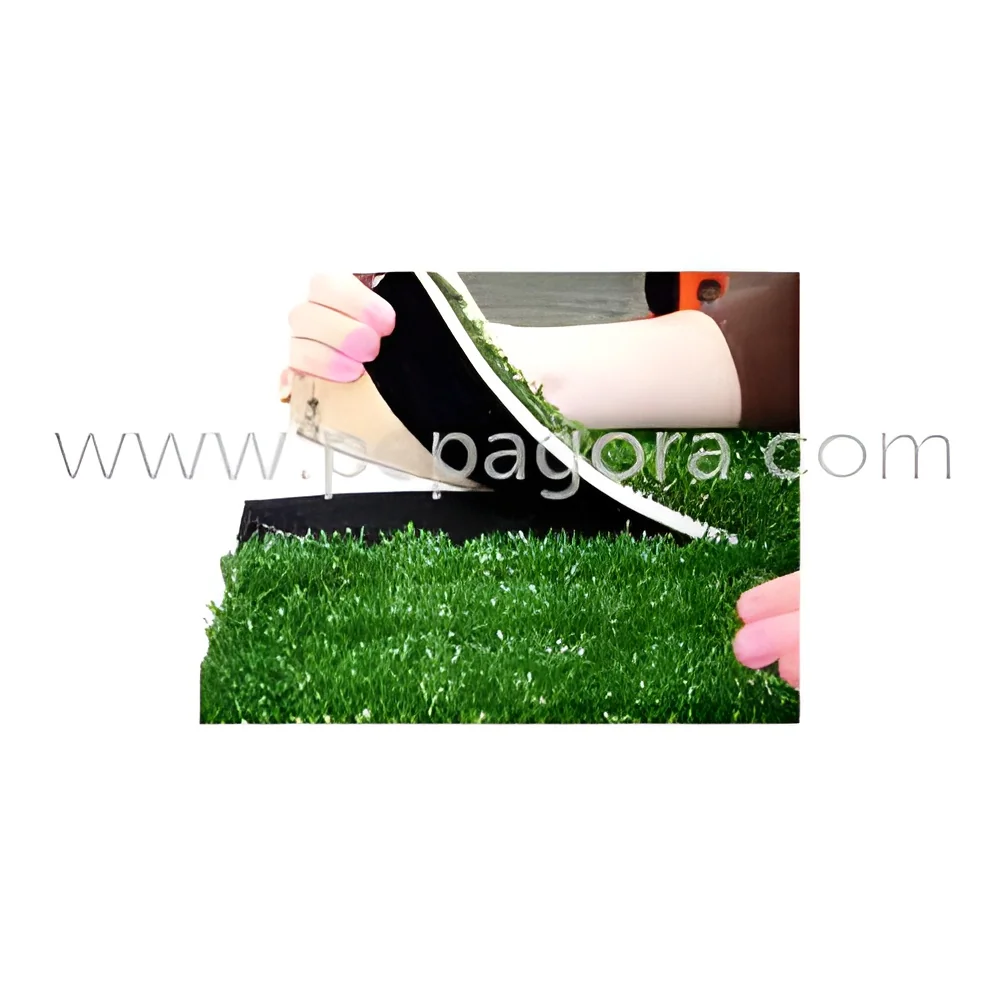
Synthetic turf installation refers to the process of laying down artificial grass surfaces in various environments. This product is made from synthetic fibers designed to mimic the appearance and functionality of natural grass. The installation process involves several steps, including surface preparation, turf layout, and securing the material to ensure durability and performance.
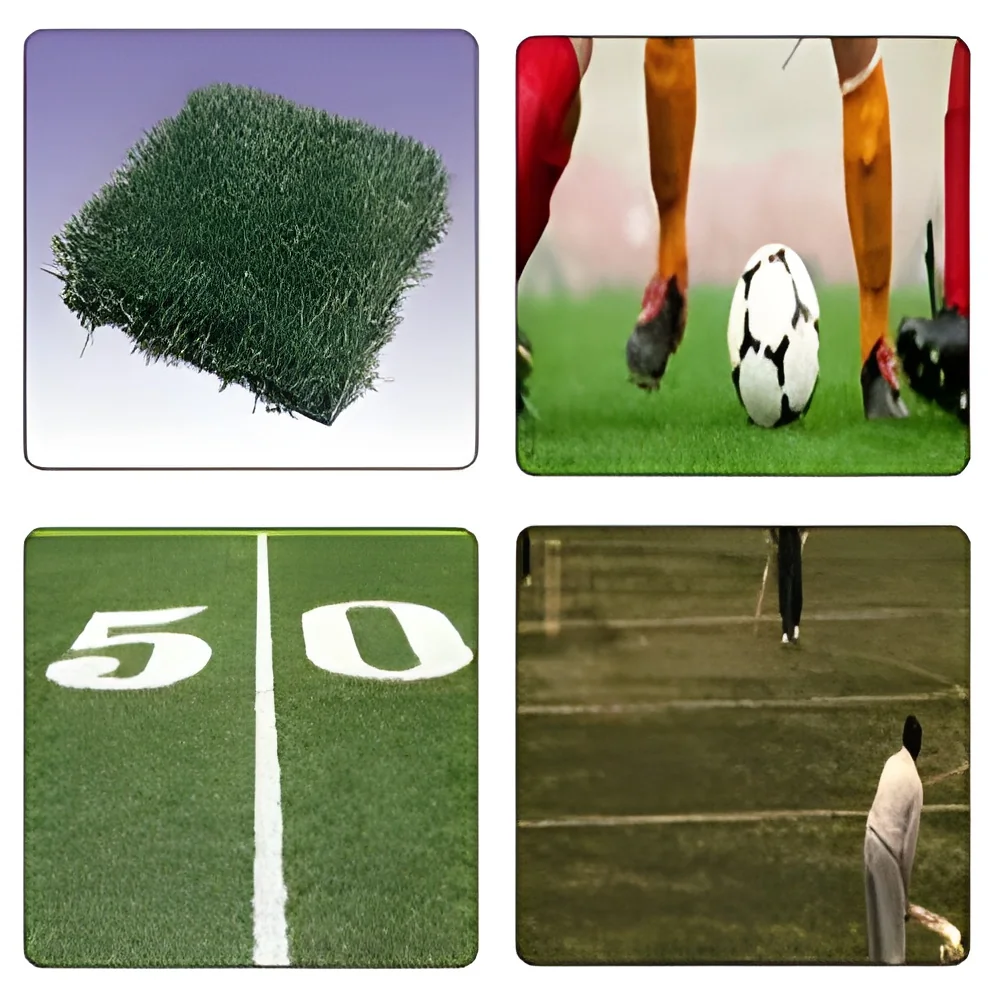
Synthetic turf finds primary applications in sports fields, landscaping, and recreational areas. It is used extensively in institutions such as schools and sports complexes, providing a consistent playing surface that requires minimal maintenance. Additionally, synthetic turf is increasingly popular in residential landscaping, allowing homeowners to maintain green spaces without the upkeep associated with natural grass. The market for synthetic turf installation is growing, driven by advancements in technology that enhance the quality and realism of the turf.
𝗞𝗲𝘆 𝗙𝗲𝗮𝘁𝘂𝗿𝗲𝘀 𝗮𝗻𝗱 𝗦𝗽𝗲𝗰𝗶𝗳𝗶𝗰𝗮𝘁𝗶𝗼𝗻𝘀
Synthetic turf installation boasts various features that cater to different needs across industries. The specifications of synthetic turf can vary based on the intended use and technology employed in its manufacturing.
Key specifications include:
1. Material Composition
- Typically made from polyethylene, polypropylene, or nylon fibers
- Offers different levels of durability and softness based on the material used
2. Pile Height
- Generally ranges from 20mm to 60mm, depending on use
- Shorter pile heights are ideal for sports applications, while taller piles suit landscaping
3. Infill Type
- Common infill materials include rubber, sand, or a combination
- Affects the performance, drainage, and shock absorption of the turf
4. UV Stabilization
- Treatments to prevent fading and degradation from sunlight exposure
- Ensures longevity and maintains aesthetic appeal
5. Drainage Capability
- Designed with perforations for efficient water drainage
- Helps prevent pooling and maintains usability during rain
6. Fire Resistance
- Treatments that enhance the turf's resistance to fire hazards
- Important for compliance in certain environments
7. Weight
- Typically weighs between 50 to 80 oz per square yard
- Heavier turf may offer better durability but can be more challenging to install
8. Warranty Period
- Most products come with warranties ranging from 5 to 15 years
- Indicates manufacturer confidence and product longevity
In summary, synthetic turf installation features a range of specifications that can be tailored to meet the specific requirements of various applications, making it a versatile choice for many businesses.
𝗖𝗼𝗺𝗺𝗼𝗻 𝗔𝗽𝗽𝗹𝗶𝗰𝗮𝘁𝗶𝗼𝗻𝘀 𝗮𝗻𝗱 𝗨𝘀𝗲 𝗖𝗮𝘀𝗲𝘀
Synthetic turf installation is utilized across diverse sectors, catering to various needs.
1. Sports Facilities: Synthetic turf is extensively used in sports fields, including soccer, football, and baseball. It provides a consistent playing surface that can withstand heavy use and various weather conditions.
2. Landscaping: Many commercial properties and residential areas use synthetic turf to create attractive green spaces without the maintenance demands of natural grass. It is ideal for parks, playgrounds, and gardens.
3. Pet Areas: Synthetic turf is popular for pet-friendly spaces, offering a clean, durable surface that is easy to maintain and provides comfort for pets.
4. Event Spaces: Temporary installations of synthetic turf are often used for events, festivals, and exhibitions. It provides a clean and appealing surface for guests.
5. Rooftop Gardens: Urban environments utilize synthetic turf on rooftops to create green spaces that enhance aesthetics and provide insulation.
6. Golf Courses: Some golf courses employ synthetic turf for putting greens, allowing for consistent performance and reduced maintenance.
7. Commercial Properties: Businesses use synthetic turf in outdoor areas, such as restaurants and hotels, to enhance the visual appeal and provide functional spaces for customers.
𝗣𝗿𝗼𝗱𝘂𝗰𝘁 𝗩𝗮𝗿𝗶𝗮𝗻𝘁𝘀 𝗮𝗻𝗱 𝗦𝘂𝗯𝗰𝗮𝘁𝗲𝗴𝗼𝗿𝗶𝗲𝘀
Synthetic turf installation offers a variety of options to suit different applications and preferences.
Landscape Turf
This variant is designed for aesthetic purposes in residential and commercial settings. It mimics natural grass in appearance and texture, making it ideal for gardens and lawns.
Sports Turf
Engineered specifically for athletic fields, this type of turf is durable and designed to withstand high-impact activities. It often features specialized infill materials for optimal performance.
Playground Turf
Designed with safety in mind, playground turf includes additional shock-absorbing layers to ensure child safety during play. It is often used in schools and parks.
Putting Green Turf
This variant is designed for golf enthusiasts, providing a smooth surface that closely resembles natural putting greens. It is ideal for home installations or commercial golf courses.
𝗕𝗲𝗻𝗲𝗳𝗶𝘁𝘀 𝗮𝗻𝗱 𝗔𝗱𝘃𝗮𝗻𝘁𝗮𝗴𝗲𝘀
Synthetic turf installation offers numerous benefits for businesses and property owners.
Key benefits include:
1. Low Maintenance: Synthetic turf requires minimal upkeep compared to natural grass, saving time and costs associated with mowing, watering, and fertilizing.
2. Durability: Designed to withstand heavy foot traffic and various weather conditions, synthetic turf maintains its appearance and functionality over time.
3. Water Conservation: By eliminating the need for irrigation, synthetic turf conserves water resources, making it an environmentally friendly choice.
4. Aesthetic Consistency: Synthetic turf maintains a vibrant green appearance year-round, enhancing the visual appeal of any space.
5. Safety: With features like shock absorption and UV resistance, synthetic turf can provide a safer surface for sports and recreational activities.
6. Versatility: Suitable for various applications, synthetic turf can be used in sports facilities, landscaping, playgrounds, and more.
𝗕𝘂𝘆𝗶𝗻𝗴 𝗚𝘂𝗶𝗱𝗲 𝗳𝗼𝗿 𝗕𝟮𝗕 𝗕𝘂𝘆𝗲𝗿𝘀
When sourcing synthetic turf installation, careful consideration is necessary to ensure the best outcomes.
1. Quality Assessment: Evaluate the quality of synthetic turf based on material composition, durability, and manufacturer reputation. Look for products that meet industry standards.
2. Supplier Verification: Verify suppliers by checking their credentials, customer reviews, and previous projects. A reputable supplier should have experience in the industry and a solid track record.
3. Pricing and MOQ: Understand the pricing structure and minimum order quantities. Comparing prices among suppliers can help find the best value without compromising quality.
4. Delivery and Lead Times: Inquire about delivery schedules and lead times to ensure timely installation. Confirm logistics to avoid project delays.
5. Compliance Requirements: Identify any regulatory compliance needs specific to your location, including safety standards and environmental considerations.
𝗖𝗼𝗺𝗽𝗹𝗶𝗮𝗻𝗰𝗲 𝗮𝗻𝗱 𝗖𝗲𝗿𝘁𝗶𝗳𝗶𝗰𝗮𝘁𝗶𝗼𝗻𝘀
When engaging in synthetic turf installation, adherence to quality and safety standards is crucial.
Relevant quality standards such as ISO 9001 ensure that products meet international quality management criteria. Compliance with these standards helps ensure consistent product quality.
Industry certifications, including CE marking, indicate that the synthetic turf meets European safety and environmental requirements. This certification is important for businesses looking to market their products in Europe.
Safety and testing requirements are essential to ensure that synthetic turf surfaces are safe for use in various applications. This includes testing for fire resistance, UV stability, and physical properties to ensure that the turf performs well.
Regional compliance considerations may vary based on local regulations. Buyers should be aware of specific compliance needs that pertain to their geographical area to avoid potential legal issues.
𝗪𝗵𝘆 𝗦𝗼𝘂𝗿𝗰𝗲 𝗦𝘆𝗻𝘁𝗵𝗲𝘁𝗶𝗰 𝗧𝘂𝗿𝗳 𝗜𝗻𝘀𝘁𝗮𝗹𝗹𝗮𝘁𝗶𝗼𝗻 𝗳𝗿𝗼𝗺 𝗣𝗲𝗽𝗮𝗴𝗼𝗿𝗮?
Pepagora serves as a trusted platform for sourcing synthetic turf installation with several key advantages for B2B buyers.
Verified Supplier Network: Pepagora has established a comprehensive network of verified suppliers, ensuring that buyers have access to reputable manufacturers. This helps mitigate risks associated with sourcing.
Streamlined RFQ Process: The platform offers a streamlined Request for Quotation (RFQ) process, making it easy for buyers to obtain quotes from multiple suppliers. This efficiency aids in making informed purchasing decisions.
Trade Assurance and Support: Buyers can benefit from trade assurance features that provide protection throughout the procurement process. Pepagora offers support to address any concerns, ensuring a smooth transaction.
Regional Coverage: With a strong presence in India, the GCC, and Southeast Asia, Pepagora provides extensive regional coverage for sourcing synthetic turf installation. Buyers can access local suppliers and understand market dynamics.
By choosing Pepagora, businesses can confidently navigate the synthetic turf installation market, ensuring quality products and reliable service.

 IN
IN