What are Multi-sport Arena Construction?
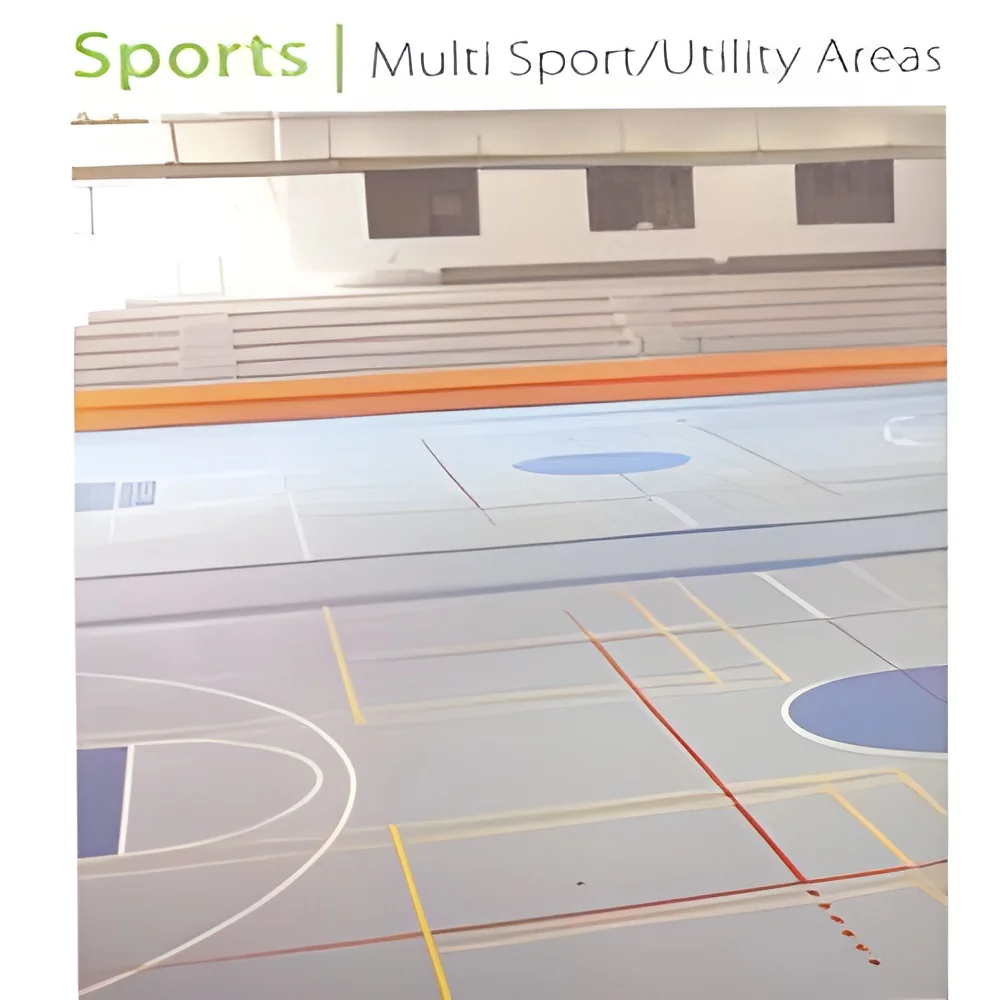
Multi-sport arena construction refers to the design and building of facilities that accommodate multiple sports activities within a single venue. These arenas are equipped to host a variety of sporting events, including basketball, volleyball, badminton, and indoor soccer, among others. The construction of these facilities involves specialized architectural and engineering considerations to ensure they meet the diverse requirements of different sports.
These arenas are primarily utilized by schools, universities, sports clubs, and community centers. They provide a versatile space for hosting competitions, training sessions, and community events. The flexibility of these arenas allows organizations to maximize their usage, enabling them to serve multiple purposes throughout the year. This adaptability is essential in today’s market where the demand for multi-functional spaces is on the rise.
The relevance of multi-sport arena construction in the current market is significant. With increasing interest in sports and physical activities, the need for such facilities has grown. Organizations are investing in multi-sport arenas to enhance their offerings and attract larger audiences. This trend reflects a broader commitment to promoting health, wellness, and community engagement through sports.
Key Features and Specifications
Multi-sport arenas are characterized by several key features that contribute to their functionality and versatility. These specifications ensure that the arenas meet the needs of various sports while adhering to safety and performance standards.
Key specifications include:
1. Modular Design
- Allows for reconfiguration to accommodate different sports and events.
- Enables quick changes in layout to suit specific requirements.
2. High-Quality Flooring
- Specialized flooring systems to reduce injury risk and enhance performance.
- Options for various surfaces, such as hardwood or synthetic materials.
3. Safety Features
- Inclusion of safety padding and barriers to protect athletes.
- Compliance with national safety standards.
4. Spectator Seating
- Flexible seating arrangements to accommodate varying audience sizes.
- Comfortable seating options with good sightlines for viewing events.
5. Lighting Systems
- Advanced LED lighting for optimal visibility during events.
- Adjustable lighting configurations to suit different activities.
6. Climate Control
- HVAC systems to maintain comfortable temperatures year-round.
- Humidity control to protect facility infrastructure and ensure athlete comfort.
7. Accessibility Features
- Compliance with ADA standards for inclusive access.
- Designated areas for individuals with disabilities.
8. Advanced Technology Integration
- Installation of sound systems, scoreboards, and video displays.
- Capability for live streaming and broadcasting events.
In summary, the specifications of multi-sport arena construction emphasize versatility, safety, and advanced technology, making them suitable for a range of sporting events and community activities.
Common Applications and Use Cases
Multi-sport arenas serve a wide array of industries and applications.
1. Educational Institutions: Schools and universities utilize these facilities for physical education classes, interscholastic competitions, and community events. They provide a space for students to engage in various sports and promote physical health.
2. Sports Clubs: Local sports clubs use multi-sport arenas to host training sessions and competitions in multiple disciplines. This flexibility allows clubs to attract different sports enthusiasts and broaden their membership base.
3. Community Centers: Community centers leverage these arenas for recreational activities and events, providing a venue for leagues, tournaments, and fitness classes. They contribute to community cohesion and promote active lifestyles.
4. Corporate Events: Companies often rent multi-sport arenas for team-building events, corporate leagues, and wellness programs. These arenas offer a unique environment for fostering teamwork and employee engagement.
5. Event Hosting: Multi-sport arenas can be used to host regional and national sports events, drawing participants and spectators from various locations. This can boost local economies and enhance community visibility.
6. Training Facilities: Professional teams and athletes may use these arenas for training purposes. The ability to accommodate different sports makes them ideal for cross-training and skill development.
7. Fitness Programs: Gyms and fitness organizations can conduct various fitness programs, classes, and workshops within these venues, catering to diverse client needs.
Product Variants and Subcategories
Multi-sport arena construction offers a range of diverse options to meet varying needs. Each variant is designed with specific features to enhance functionality and user experience.
Standard Arena Model
This model features a modular design that allows for quick reconfiguration based on the sport being played. It includes high-quality flooring and advanced climate control systems, making it suitable for year-round use.
Premium Arena Model
The premium variant incorporates state-of-the-art technology, including advanced lighting and sound systems. It is ideal for professional events, providing enhanced spectator experiences and media capabilities.
Customizable Arena Model
Designed for organizations with specific requirements, this model allows for extensive customization in layout, design, and features. It caters to unique user preferences and can adapt to various community needs.
Benefits and Advantages
Investing in multi-sport arena construction offers numerous advantages for organizations.
1. Versatility: Multi-sport arenas can accommodate various sports and events, maximizing usage and revenue potential.
2. Community Engagement: These facilities promote physical activity and social interaction, contributing to healthier communities.
3. Cost-Effectiveness: By hosting multiple sports in one venue, organizations can reduce operational costs associated with maintaining multiple facilities.
4. Increased Revenue Streams: Multi-sport arenas can generate income through event hosting, rentals, and community programs.
5. Enhanced Athlete Development: Access to a well-equipped facility supports athlete training and development across different sports.
6. Improved Marketability: Organizations with modern multi-sport arenas can attract more participants, sponsors, and community partnerships.
Buying Guide for B2B Buyers
When sourcing multi-sport arena construction, buyers should consider several critical factors to ensure they make informed decisions.
1. Quality Assessment: Evaluate the materials and construction standards to ensure longevity and safety. Look for facilities that adhere to recognized quality standards.
2. Supplier Verification: Vet suppliers thoroughly to ensure they have a proven track record in constructing multi-sport arenas. Check references and past projects for quality assurance.
3. Pricing and MOQ: Understand the pricing models and minimum order quantities. Comparing quotes from different suppliers can help in making cost-effective decisions.
4. Delivery and Lead Times: Establish clear timelines for project completion. Ensure the supplier can meet deadlines to avoid disruptions.
5. Compliance Requirements: Be aware of local regulations and compliance standards related to sports facility construction. Verify that suppliers can meet these requirements.
Compliance and Certifications
Multi-sport arena construction must adhere to various compliance and certification standards to ensure safety and quality.
Relevant quality standards include ISO 9001, which ensures that organizations meet customer and regulatory requirements effectively. Compliance with HACCP and GDP may also be necessary for facilities that include food services or other health-related activities.
Industry certifications such as CE and UL denote that products meet specific safety and performance standards. These certifications are essential for ensuring the safety of athletes and spectators alike.
Safety and testing requirements are critical in the construction of multi-sport arenas. Facilities must undergo rigorous testing to confirm structural integrity, safety features, and equipment functionality.
Regional compliance considerations vary depending on local laws and regulations. It is essential for organizations to work with suppliers familiar with regional requirements to ensure their multi-sport arenas are built to standard.
Why Source Multi-sport Arena Construction from Pepagora?
Pepagora offers a trusted platform for sourcing multi-sport arena construction, bringing together a network of verified suppliers. This ensures buyers can find reliable partners with a proven history in quality construction.
The streamlined RFQ process facilitates quick and efficient quotations from multiple suppliers, allowing buyers to compare options easily. This transparency helps organizations make informed decisions that align with their budget and project timelines.
Trade assurance and support from Pepagora provide an added layer of buyer protection. This ensures that funds are secure and that projects are completed as agreed, reducing risks associated with construction.
Pepagora’s regional coverage across India, the GCC, and Southeast Asia allows organizations to connect with local suppliers, ensuring that their specific regional needs are addressed. This accessibility enhances the overall sourcing experience and supports the growth of multi-sport facilities across diverse markets.

 IN
IN