What are Badminton Court Construction?
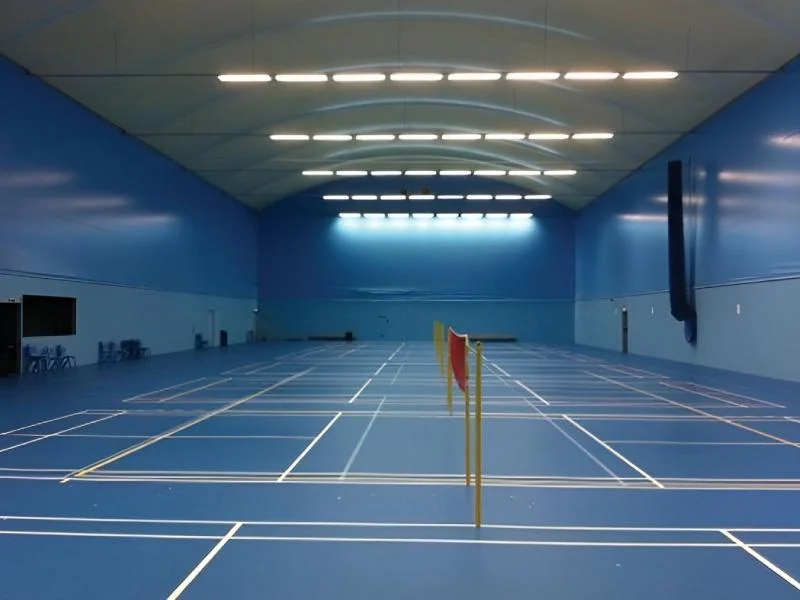
Badminton court construction refers to the specialized process of designing and building courts specifically for the sport of badminton. This construction involves selecting appropriate materials, planning the court layout, and ensuring compliance with relevant regulations and standards. The construction can take place both indoors and outdoors, depending on the intended use and climate considerations.
These courts are primarily used in sports facilities, schools, and recreational centers. They serve as venues for competitive play, training, and recreational activities. The demand for badminton courts has grown significantly due to the rising popularity of the sport globally, especially in regions where badminton is a traditional sport. The construction of high-quality courts is essential for ensuring optimal playing conditions, enhancing player performance, and maintaining safety standards.
The relevance of badminton court construction in the industry is underscored by its alignment with growing health and fitness trends. As more individuals seek active lifestyles, the establishment of dedicated sports facilities becomes increasingly important. Additionally, market trends indicate a shift towards multi-purpose sports venues, which include badminton courts as part of their offerings to attract diverse clientele.
Key Features and Specifications
Badminton court construction requires careful consideration of various features and specifications to ensure optimal performance and safety. These specifications guide the construction process and help maintain the quality of the facilities.
Key specifications include:
1. Court Dimensions
- A standard badminton court measures 13.4 meters in length and 6.1 meters in width for doubles play.
- The height of the net is 1.55 meters at the center.
2. Surface Material
- Common materials include wood, synthetic flooring, and rubber, each providing different levels of grip and shock absorption.
- The choice of surface material affects the playing experience and the durability of the court.
3. Lighting Standards
- Adequate lighting is essential, with a recommended illumination level of 300 to 500 lux.
- Proper lighting minimizes shadows and enhances visibility during play.
4. Net System
- The net must meet official specifications, with a mesh size that allows for easy visibility.
- The pole height should be adjustable to accommodate various playing levels.
5. Shock Absorption
- Courts should feature a shock-absorbing layer to reduce impact on players’ joints.
- This is particularly important for indoor courts to enhance player comfort.
6. Flooring Type
- Different flooring types may be used, including hardwood or specialized synthetic materials.
- Flooring impacts player movement and safety during matches.
7. Surrounding Space
- Adequate clearance around the court is needed to prevent injuries and ensure safe play.
- A minimum of 2 meters around all sides is recommended.
8. Compliance with Standards
- Courts must adhere to international standards set by governing bodies such as the Badminton World Federation.
- Compliance ensures that the courts are suitable for competitive play.
In summary, the specifications for badminton court construction are crucial for creating an environment that promotes fair play and athlete safety.
Common Applications and Use Cases
Badminton court construction serves various industries with specific applications tailored to their needs.
1. Sports Facilities: These courts are built in dedicated sports complexes, enabling organized competitions and training sessions for athletes of all levels.
2. Educational Institutions: Schools and universities often include badminton courts in their sports programs to promote physical education and recreational activities among students.
3. Fitness Centers: Gyms and health clubs incorporate badminton courts to diversify their offerings and attract members interested in racquet sports.
4. Community Centers: Local community centers frequently establish badminton courts to encourage community engagement and provide recreational opportunities for residents.
5. Multi-purpose Venues: Facilities designed for multiple sports often include badminton courts as part of their infrastructure, catering to a wider audience.
6. Resorts and Hotels: Many upscale resorts and hotels include badminton courts on-site to enhance guest experiences and promote outdoor activities.
7. Corporate Wellness Programs: Companies increasingly build badminton courts in corporate campuses to encourage employee wellness and team-building activities.
Product Variants and Subcategories
Badminton court construction offers a variety of options to meet different needs and preferences.
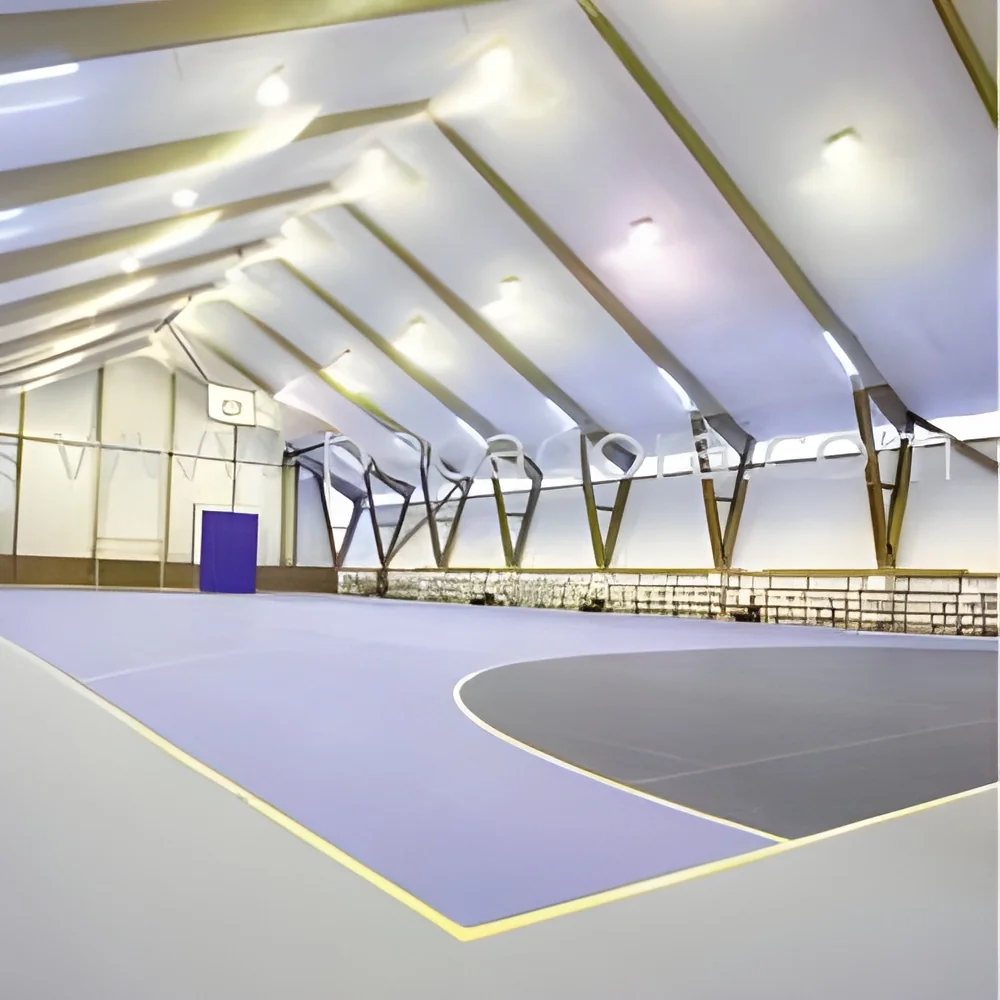
Indoor Badminton Courts: These courts are designed with specific flooring and lighting to optimize indoor play. They often feature advanced shock absorption systems and are built to accommodate year-round use.
Outdoor Badminton Courts: Constructed with weather-resistant materials, these courts are designed for external environments. They may include specialized surfaces to ensure durability against natural elements.
Portable Badminton Courts: These courts can be assembled and disassembled easily, making them ideal for temporary setups in events or recreational gatherings. They are lightweight and convenient for transport.
Custom Badminton Courts: Tailored to specific requirements, these courts can vary in size, surface materials, and additional features. Custom options cater to unique preferences or venue constraints.
Benefits and Advantages
Investing in badminton court construction provides numerous advantages for organizations and communities.
1. Enhanced Sports Experience: High-quality courts improve the overall playing experience for athletes, encouraging participation and skill development.
2. Safety Assurance: Proper construction minimizes injury risks, ensuring a safe environment for players of all ages.
3. Increased Revenue Potential: Facilities with badminton courts can attract more visitors and generate additional revenue through memberships, rentals, and events.
4. Community Engagement: Badminton courts foster community interaction and promote active lifestyles, benefiting public health.
5. Versatility: Multi-purpose courts can accommodate various sports, maximizing usage and facility value.
6. Compliance with Standards: Courts built to official specifications enhance credibility and may qualify for hosting competitive events.
Buying Guide for B2B Buyers
When sourcing badminton court construction, several factors should be considered to ensure a successful investment.
1. Quality Assessment: Evaluate the quality of materials and construction methods used to ensure durability and performance. Request samples or visit existing facilities to gauge quality firsthand.
2. Supplier Verification: Vet potential suppliers by checking their credentials, previous projects, and client reviews. Reliable suppliers should have a track record of successful court construction.
3. Pricing and MOQ: Understand the pricing structure and minimum order quantities required by suppliers. Compare quotes to ensure competitive pricing while maintaining quality.
4. Delivery and Lead Times: Discuss delivery timelines upfront to align with your project schedules. Ensure that the supplier can meet your deadlines without compromising quality.
5. Compliance Requirements: Familiarize yourself with local regulations and standards specific to badminton court construction. Ensure that suppliers are well-versed in these requirements to avoid compliance issues.
Compliance and Certifications
Badminton court construction must adhere to various quality standards and certifications to ensure safety and performance.
ISO 9001 is a widely recognized quality management standard that ensures manufacturers maintain consistent quality in their processes. Compliance with this standard is a positive indicator of a supplier's commitment to quality.
The CE mark indicates that products meet European Union safety and health requirements. For badminton courts, this certification assures buyers that the construction meets essential safety regulations.
Safety and testing requirements are critical, especially for indoor facilities where flooring and materials must support high levels of activity. Courts should undergo testing for slip resistance, impact absorption, and durability.
Regional compliance considerations may vary, so it is vital to be aware of local building codes and safety standards. This ensures that the constructed courts are safe for use and accepted by local authorities.
Why Source Badminton Court Construction from Pepagora?
Pepagora provides a trusted platform for sourcing badminton court construction with several key advantages.
Verified Supplier Network: Pepagora connects buyers with a network of verified suppliers who have undergone rigorous checks. This ensures that businesses can source from reputable providers with proven track records.
Streamlined RFQ Process: The platform offers a streamlined request for quotation (RFQ) process, allowing buyers to easily compare quotes from multiple suppliers. This simplifies the procurement process and saves time.
Trade Assurance and Support: Pepagora offers trade assurance, providing buyers with added protection during transactions. This support builds confidence in the purchasing process and minimizes risks.
Regional Coverage: With a strong presence in India, the GCC, and Southeast Asia, Pepagora can facilitate sourcing for badminton court construction across these regions. This broad geographic reach enables buyers to connect with local suppliers for their specific needs.

 IN
IN