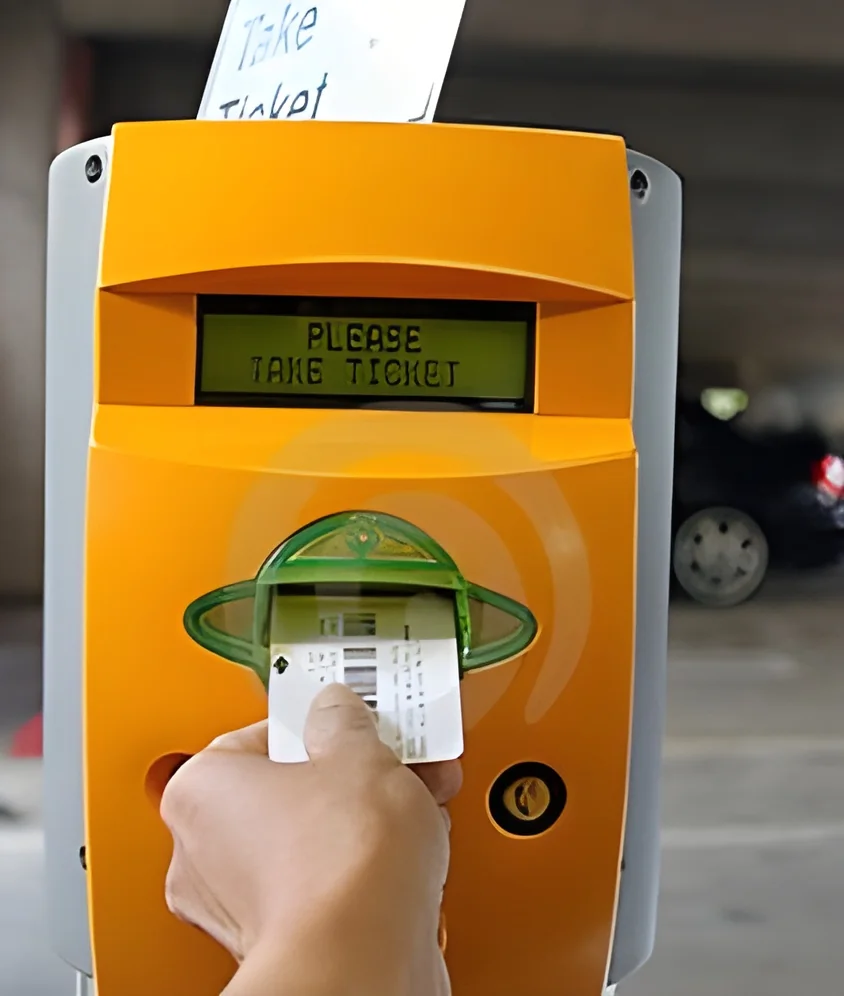
What are Facility Access Control Systems?
Facility Access Control Systems are security solutions designed to regulate and monitor entry points within a facility. These systems utilize various technologies, such as card readers, biometric scanners, and keypads, to ensure that only authorized personnel can gain access to specific areas. By integrating hardware and software components, these systems provide a comprehensive method for managing access permissions and tracking user activity.
These systems find primary applications in industries that require stringent security measures, such as commercial buildings, healthcare facilities, educational institutions, and government establishments. Businesses utilize access control systems to enhance security, protect sensitive information, and ensure compliance with regulations. With the rise of remote working and the increasing need for secure environments, the importance of these systems has grown significantly in the market.
As organizations seek to safeguard their assets and personnel, the demand for advanced Facility Access Control Systems continues to rise. This trend is driven by the need for improved safety protocols, the integration of smart technology, and the focus on risk management across various sectors. Consequently, these systems are becoming essential components of modern security infrastructure.
Key Features and Specifications
Facility Access Control Systems come equipped with a range of features designed to enhance security and ease of use. These specifications are crucial for businesses to understand when considering implementation.
Key specifications include:
1. Access Methods
- Various options such as RFID cards, biometric identification, and mobile access.
- Flexibility to choose the most suitable method for the organization.
2. User Capacity
- Systems can support a wide range of users, from small teams to large enterprises.
- Scalability is a key aspect to accommodate future growth.
3. Integration Capabilities
- Ability to integrate with existing security systems, such as CCTV and alarm systems.
- Seamless connectivity with building management systems for holistic control.
4. Reporting and Analytics
- Advanced reporting features to track access logs and user activities.
- Analytical tools to assess security trends and potential vulnerabilities.
5. Remote Management
- Capability to manage access controls remotely via web interfaces or mobile apps.
- Real-time monitoring for immediate response to security incidents.
6. Customization Options
- Ability to tailor settings and features based on specific organizational needs.
- User-defined access levels and permissions for different roles.
7. Compliance Features
- Systems designed to meet industry regulations and standards for security.
- Documentation and audit trails to support compliance audits.
8. Energy Efficiency
- Low power consumption and eco-friendly design.
- Features that contribute to overall energy savings in facility operations.
These features ensure that Facility Access Control Systems provide robust security while being user-friendly and adaptable.
Common Applications and Use Cases
Facility Access Control Systems are versatile and can be applied across various industries for enhanced security and efficiency.
1. Healthcare: Hospitals and clinics use these systems to restrict access to sensitive areas such as medication storage and patient records, ensuring compliance with health regulations.
2. Education: Schools and universities implement access control to safeguard students and staff, controlling entry to buildings and specific facilities like laboratories.
3. Corporate Offices: Businesses utilize these systems to protect confidential information and manage employee access to secure areas, promoting a safe work environment.
4. Government Facilities: Access control is critical in government buildings to restrict entry and monitor activities for national security and operational integrity.
5. Manufacturing: Factories use these systems to control access to production areas, ensuring only authorized personnel are allowed in sensitive zones to maintain safety standards.
6. Retail: Stores implement access control to manage employee access behind the scenes and protect inventory from theft.
7. Data Centers: These facilities require strict access protocols to safeguard critical IT infrastructure and sensitive data from unauthorized access.
Product Variants and Subcategories
Facility Access Control Systems offer a variety of options to suit different business needs and environments.
Cloud-Based Systems: These systems provide remote access and management through cloud technology, allowing businesses to monitor and control access from anywhere. They offer scalability and reduce the need for on-site hardware.
On-Premises Systems: These solutions require installation within the facility and provide complete control over data and security. On-premises systems are ideal for organizations with strict compliance requirements.
Mobile Access Solutions: These systems leverage smartphones for access, allowing users to enter secured areas with mobile credentials. This variant enhances convenience and modernizes the access experience.
Benefits and Advantages
Implementing Facility Access Control Systems offers numerous advantages that can significantly improve security and operational efficiency.
Key benefits include:
1. Enhanced Security: By restricting access to authorized personnel, these systems significantly reduce the risk of unauthorized entries and potential threats.
2. Improved Accountability: Detailed access logs and reports provide accountability, enabling organizations to track user activities and identify security breaches quickly.
3. Increased Flexibility: With various access methods and integration capabilities, businesses can customize the systems to meet their unique security requirements.
4. Cost-Effective Operations: By preventing unauthorized access and potential theft, these systems help organizations save costs associated with security incidents.
5. Compliance Support: Facility Access Control Systems assist organizations in meeting industry regulations and standards, ensuring legal compliance and enhanced trust.
6. User-Friendly Interfaces: Modern systems are designed with intuitive interfaces, making it easier for users to manage access controls and monitor activities.
Buying Guide for B2B Buyers
When sourcing Facility Access Control Systems, businesses should consider several critical factors to ensure they select the best solution.
1. Quality Assessment: Evaluate the quality of the systems by reviewing manufacturer credentials and product reviews. Consider systems that meet recognized standards for reliability and performance.
2. Supplier Verification: Vet potential suppliers for their experience and reputation in the market. Look for companies with a proven track record in providing access control solutions.
3. Pricing and MOQ: Understand the pricing structure and minimum order quantities. Compare different suppliers to ensure competitive pricing while maintaining quality.
4. Delivery and Lead Times: Assess the logistics involved in acquiring the systems. Confirm delivery timelines to ensure that the systems are available when needed.
5. Compliance Requirements: Ensure the systems meet relevant regulatory standards and compliance requirements specific to your industry. This will safeguard your organization against legal issues.
Compliance and Certifications
Facility Access Control Systems must adhere to several industry standards and certifications to ensure safety and reliability.
ISO 9001 is a quality management standard that emphasizes continuous improvement and customer satisfaction. Systems that comply with this standard demonstrate a commitment to quality and operational excellence.
CE certification indicates that the product meets European health, safety, and environmental protection standards. This certification is crucial for organizations operating within Europe or exporting products to European markets.
Safety and testing requirements are essential to ensure that access control systems function reliably under various conditions. Proper testing helps identify potential issues before deployment.
Regional compliance considerations may vary based on local regulations and standards. Businesses should be aware of these requirements to avoid non-compliance risks and ensure smooth operations.
Why Source Facility Access Control Systems from Pepagora?
Pepagora offers a reliable platform for sourcing Facility Access Control Systems, providing several key advantages for B2B buyers.
Verified Supplier Network: Pepagora works with a network of verified suppliers, ensuring that buyers can access high-quality products from reputable manufacturers.
Streamlined RFQ Process: The request for quotation process is designed to be efficient and user-friendly, allowing businesses to compare offers quickly and make informed purchasing decisions.
Trade Assurance and Support: Buyers benefit from trade assurance measures that protect their investments. Comprehensive support is available throughout the purchasing process to address any concerns.
Regional Coverage: Pepagora serves a broad geographic area, including India, the GCC region, and Southeast Asia. This extensive reach ensures that businesses across these areas can find suitable access control solutions tailored to their specific needs.

 IN
IN