What are Basketball Court Construction?
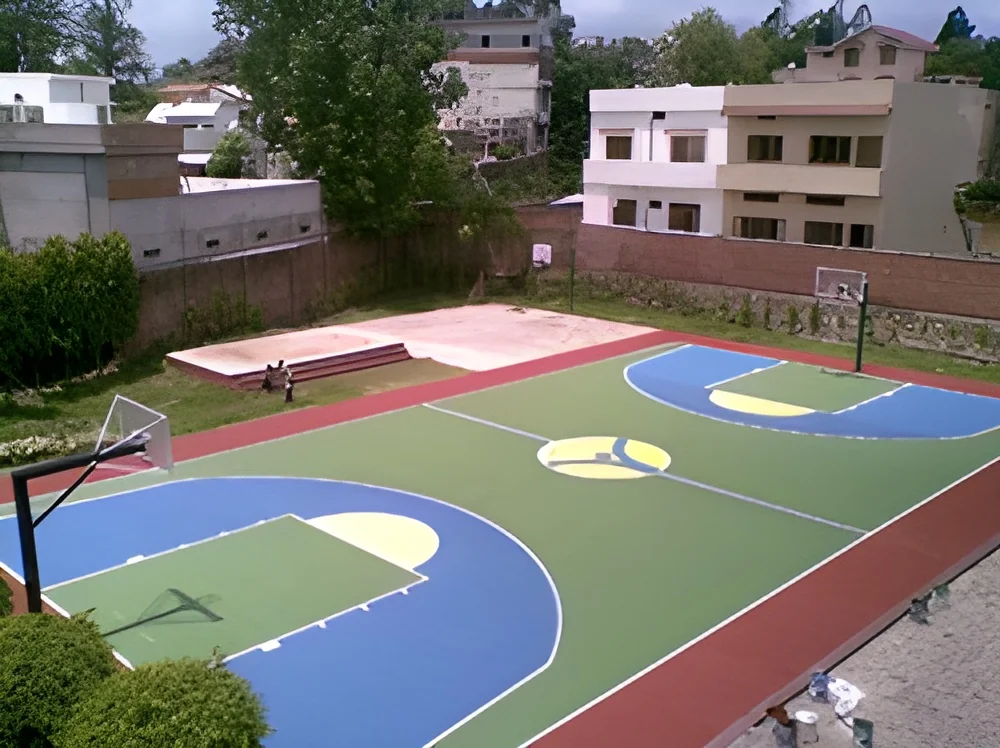
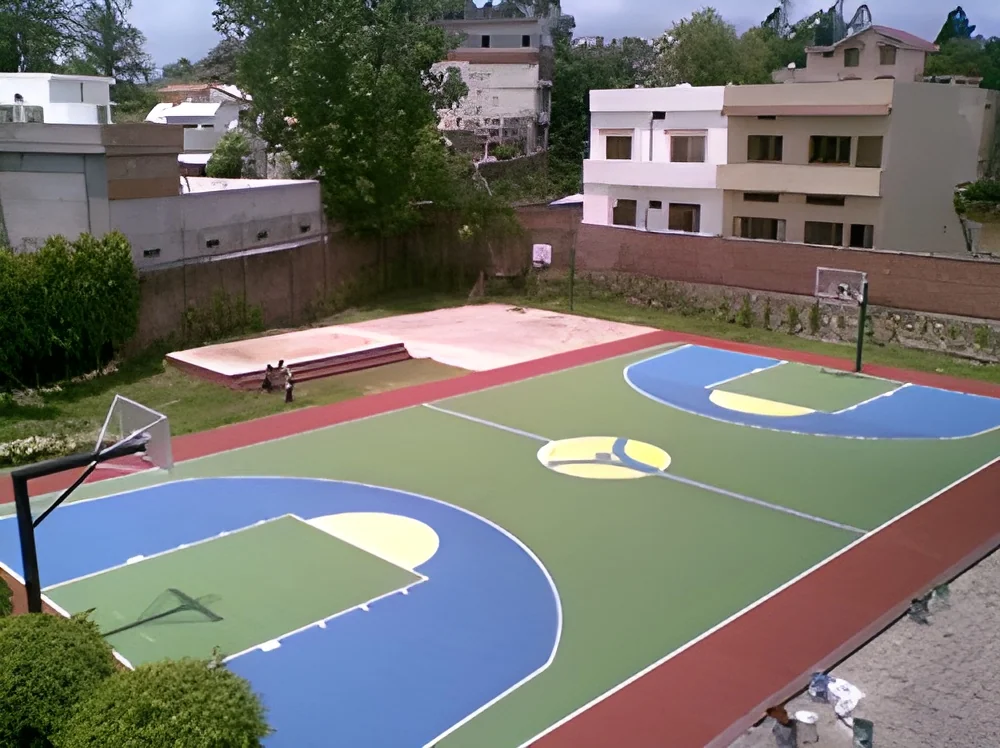
Basketball court construction refers to the process of designing and building a specialized playing area specifically for basketball. This construction involves laying down a suitable surface, installing boundary lines, and ensuring that the court adheres to official size specifications and safety standards. Different materials can be used, including asphalt, concrete, and synthetic surfaces, which provide varying levels of durability and performance.
The primary uses of basketball court construction span across various sectors, including educational institutions, sports complexes, and community centers. These courts facilitate organized sports, recreational play, and professional training. Basketball courts are not only essential for physical activities but also contribute to community engagement and the promotion of health and wellness.
In the current market, basketball court construction holds significant relevance due to the rising popularity of basketball as a sport. Increased participation at youth levels and a growing focus on fitness have resulted in a higher demand for well-constructed facilities. This trend is further supported by urban development initiatives that aim to provide more recreational options in both urban and rural settings.
Key Features and Specifications
Basketball court construction encompasses several key features and specifications that determine the quality and functionality of the court. Understanding these specifications is crucial for potential buyers and decision-makers.
Key specifications include:
1. Court Surface Material
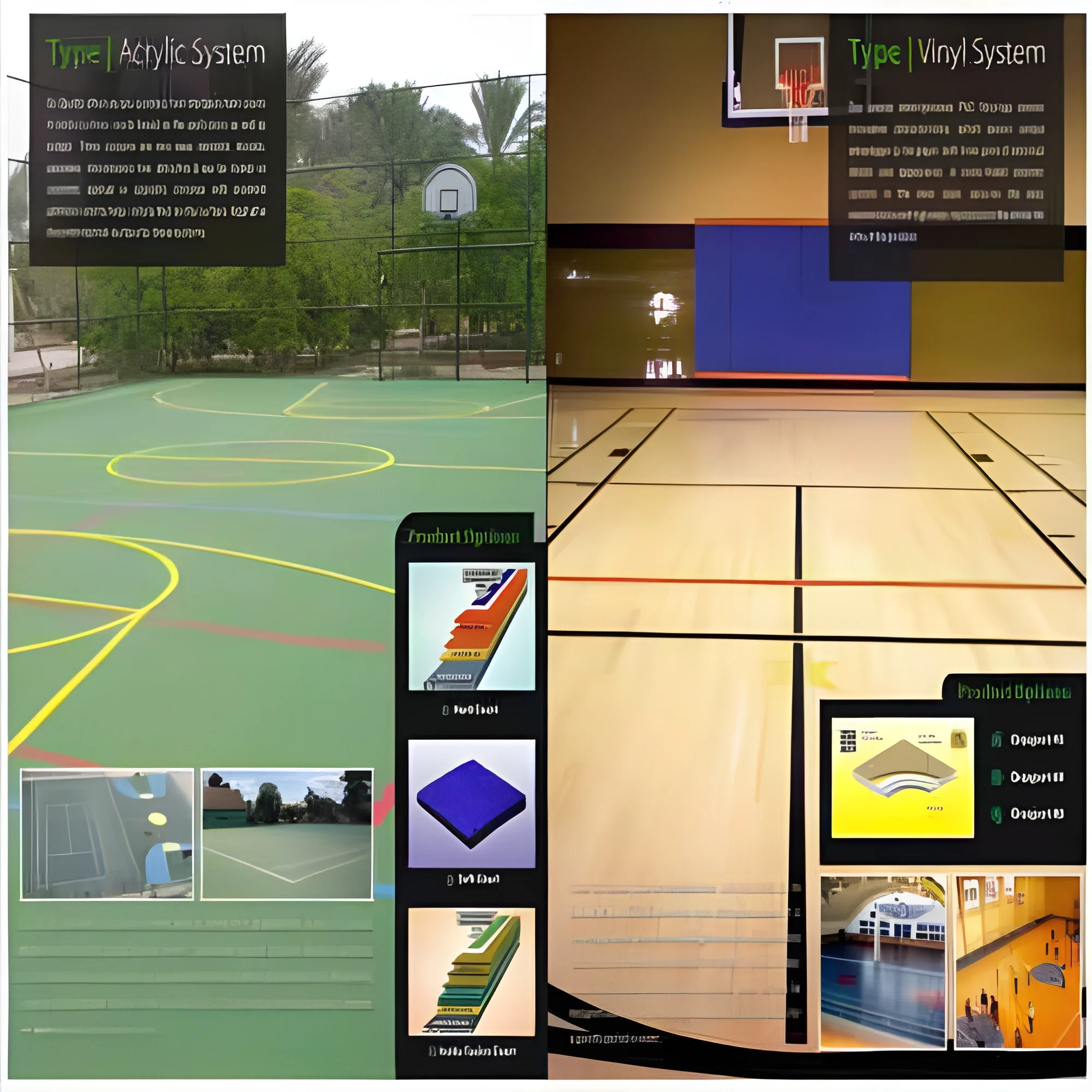
- Options include hardwood, asphalt, and synthetic materials
- Each material offers different levels of traction, durability, and maintenance requirements
2. Court Dimensions
- Standard dimensions for high school and college courts are 84 feet by 50 feet
- NBA regulation courts measure 94 feet by 50 feet
3. Line Markings
- Courts must include specific line markings for three-point lines, free-throw areas, and boundary lines
- Compliance with official guidelines is essential for competitive play
4. Hoop Height
- Standard hoop height is 10 feet from the ground
- Adjustable hoop systems are available for varying age groups and skill levels
5. Lighting Requirements
- Adequate lighting is crucial for both indoor and outdoor courts
- Lighting systems should provide uniform illumination to ensure visibility during play
6. Drainage System
- Essential for outdoor courts to prevent water accumulation
- Well-designed drainage systems enhance the longevity of the surface
7. Safety Features
- Includes padding on walls and poles to prevent injuries
- Non-slip surfaces reduce the risk of accidents during play
8. Accessibility Features
- Courts should be designed to accommodate individuals with disabilities
- Considerations may include wheelchair ramps and accessible seating areas
In summary, understanding the features and specifications of basketball court construction ensures that buyers can make informed choices based on their specific needs and budget.
Common Applications and Use Cases
Basketball court construction serves a variety of industries and sectors, each with unique applications.
1. Educational Institutions: Schools and universities often build basketball courts to facilitate physical education, sports teams, and recreational activities for students.
2. Sports Complexes: Multi-sport facilities incorporate basketball courts to host tournaments, training camps, and community events, catering to athletes of all ages.
3. Municipal Parks: Local governments construct basketball courts in public parks to provide residents with accessible outdoor recreational opportunities.
4. Fitness Centers: Gyms and health clubs utilize basketball courts for group classes, leagues, and open gym sessions, promoting health and fitness.
5. Community Centers: These facilities often feature basketball courts to encourage social interaction and community engagement through organized sports.
6. Professional Sports Teams: Franchise teams build custom courts that meet specific requirements for training and competitive play, enhancing their athletes' performance.
7. Private Residences: Some homeowners opt for personal basketball courts in their yards for family enjoyment and casual play.
Product Variants and Subcategories
Basketball court construction offers diverse options to meet various needs and preferences.
Outdoor Basketball Courts: These courts are designed to withstand outdoor conditions, using durable materials like asphalt or concrete. They often feature weather-resistant coatings to ensure longevity.
Indoor Basketball Courts: Typically built with hardwood flooring, indoor courts provide a professional playing surface and are commonly found in gyms and sports complexes.
Lightweight Portable Courts: These courts can be assembled and disassembled quickly, making them ideal for events, festivals, and temporary use. They offer flexibility for different venues.
Full-Court vs. Half-Court Designs: Buyers can choose between full-court layouts for competitive play or half-court designs for recreational use, depending on available space and intended use.
Benefits and Advantages
Investing in basketball court construction provides numerous advantages for businesses and organizations.
1. Enhanced Physical Activity: Courts promote regular exercise and physical fitness among users, contributing to healthier communities.
2. Increased Community Engagement: Well-constructed courts serve as gathering places for social interaction, fostering community spirit and collaboration.
3. Versatility of Use: Basketball courts can accommodate various activities beyond basketball, including events, tournaments, and other sports.
4. Customization Options: Courts can be tailored to specific requirements, including size, surface type, and additional features such as lighting.
5. Long-Term Investment: Quality basketball court construction offers durability and low maintenance costs, ensuring longevity and value over time.
6. Enhanced Brand Visibility: Organizations can use basketball courts for sponsorship opportunities and branding, increasing their visibility in the community.
Buying Guide for B2B Buyers
When sourcing basketball court construction, several factors should be considered to ensure a successful investment.
1. Quality Assessment: Evaluate the quality of materials and workmanship by reviewing project portfolios and client testimonials. Look for courts that meet industry standards and specifications.
2. Supplier Verification: Vet potential suppliers by investigating their experience, reputation, and past projects. Ensure they have relevant experience in basketball court construction.
3. Pricing and MOQ: Understand the pricing structure and minimum order quantities. Request quotes from multiple suppliers to compare costs and terms.
4. Delivery and Lead Times: Discuss logistics to ensure timely delivery and installation. Consider the supplier's ability to meet your project schedule.
5. Compliance Requirements: Verify that the construction meets local regulations and safety standards. Check for necessary certifications and compliance with industry guidelines.
Compliance and Certifications
Compliance and certifications in basketball court construction are essential for ensuring quality, safety, and adherence to industry standards. Relevant standards include ISO 9001, which focuses on quality management systems, ensuring that suppliers maintain high-quality processes throughout construction. Safety standards may also include CE certification, which indicates that products meet European safety and environmental requirements.
Testing requirements for basketball courts typically encompass surface testing for traction, durability, and safety characteristics. Additionally, regional compliance considerations may vary, so it is essential to stay informed about local regulations regarding construction materials and installation practices.
By adhering to these compliance standards and certifications, buyers can ensure that the basketball courts constructed are safe, durable, and of high quality.
Why Source Basketball Court Construction from Pepagora?
Pepagora offers a trusted platform for sourcing basketball court construction, providing numerous advantages for businesses seeking reliable suppliers.
Verified Supplier Network: Pepagora connects buyers with a network of pre-vetted suppliers. This ensures that buyers can access quality providers with proven track records in basketball court construction.
Streamlined RFQ Process: The platform simplifies the request for quotation process, allowing buyers to easily compare offers from multiple suppliers. This efficiency helps businesses make informed decisions quickly.
Trade Assurance and Support: Pepagora prioritizes buyer protection through trade assurance programs, ensuring that investments are secure and that projects are completed to satisfaction.
Regional Coverage: With a strong presence in India, the GCC, and Southeast Asia, Pepagora facilitates sourcing for businesses across various regions, making it easier to find local suppliers that meet specific needs.
Utilizing Pepagora for basketball court construction not only simplifies the sourcing process but also ensures that buyers receive quality services tailored to their requirements.

 IN
IN