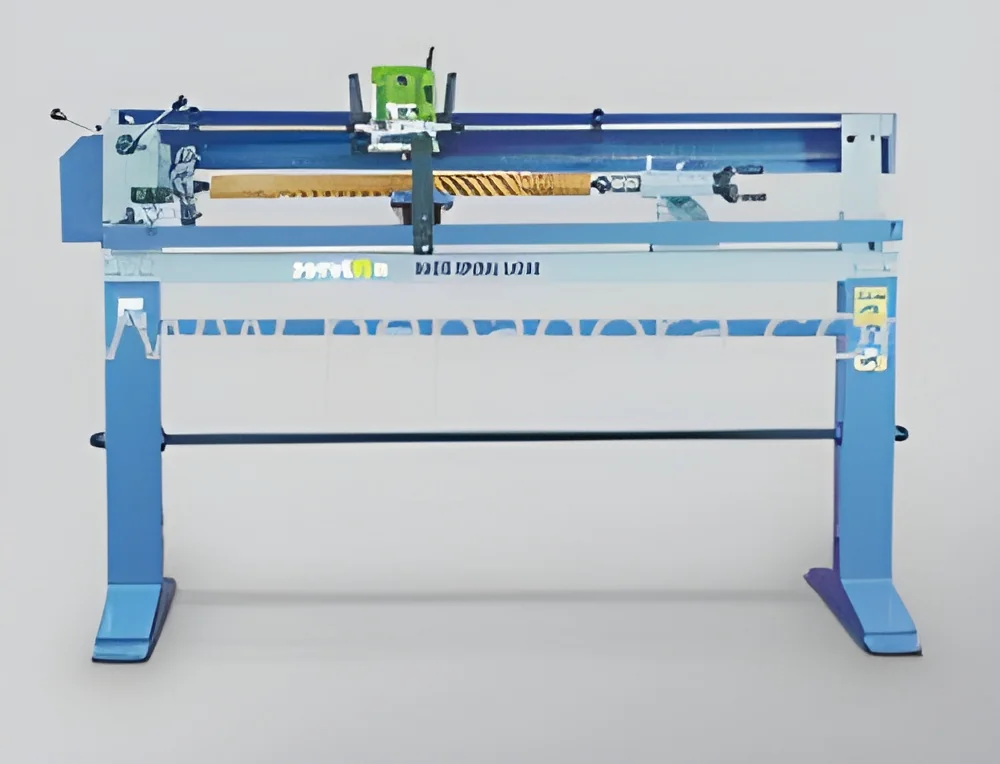
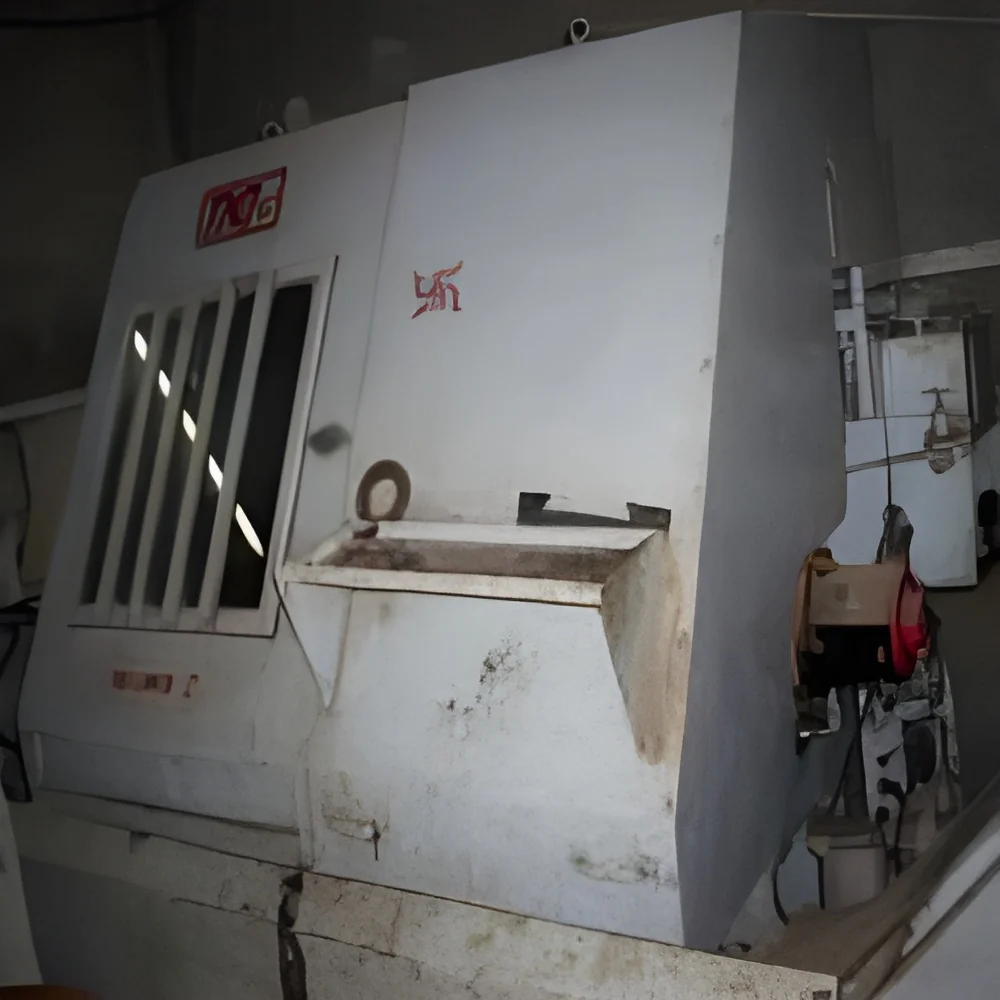
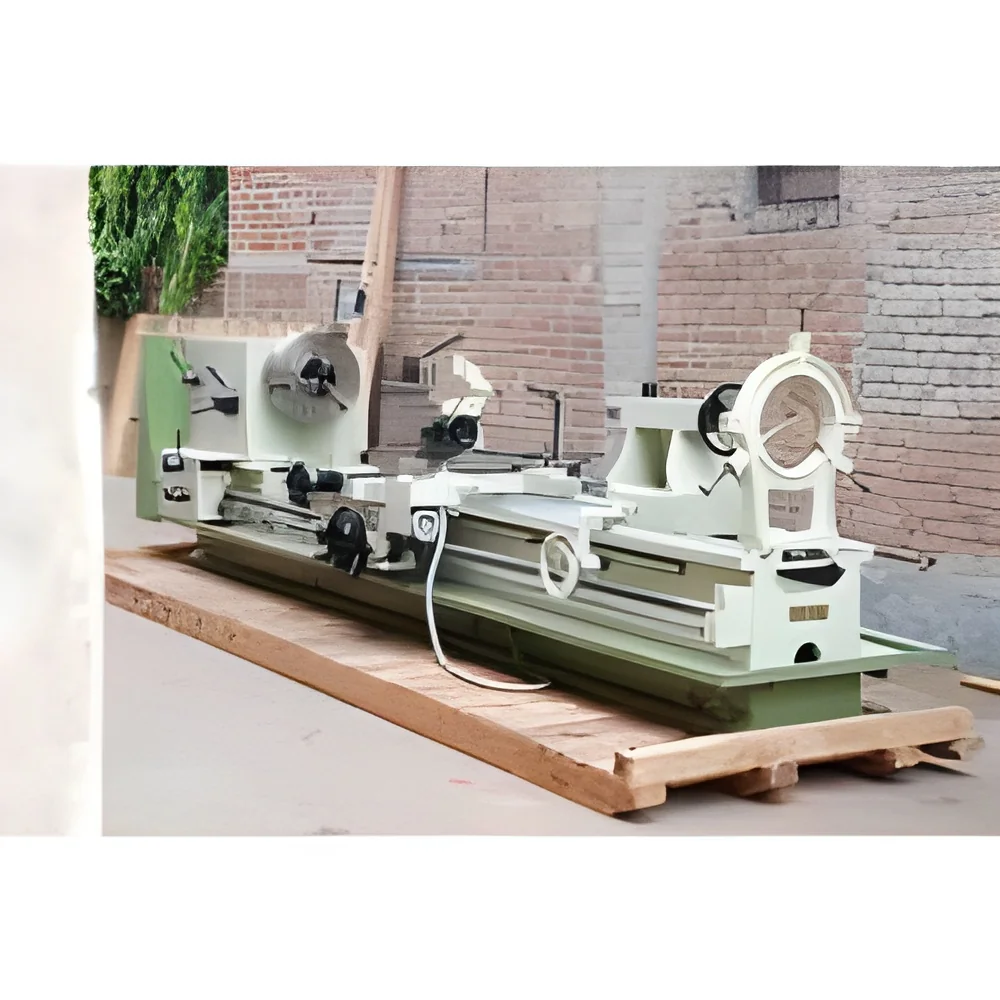
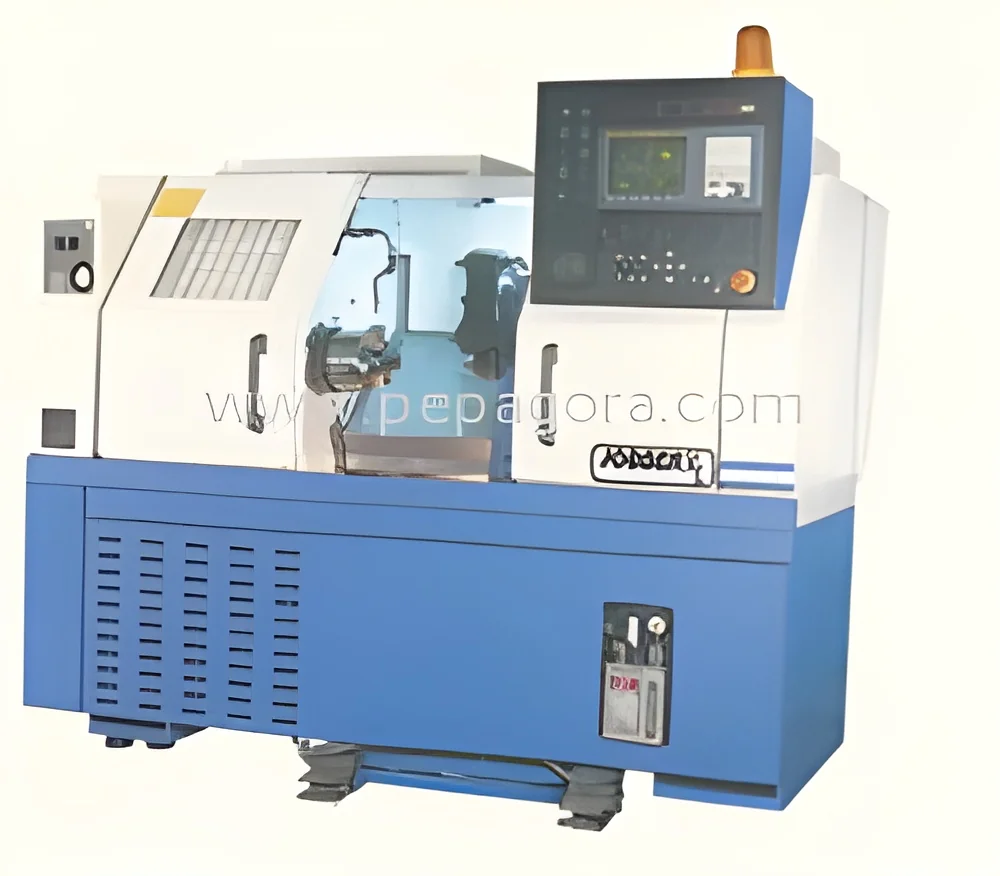
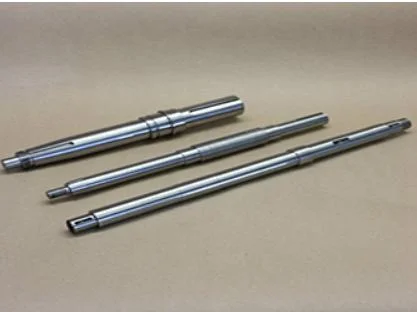
What are Heavy Duty Lathes?
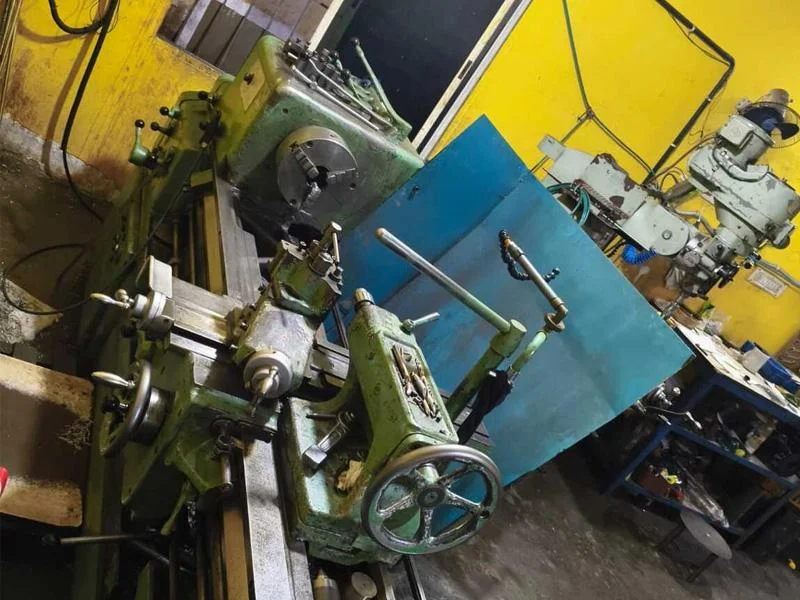
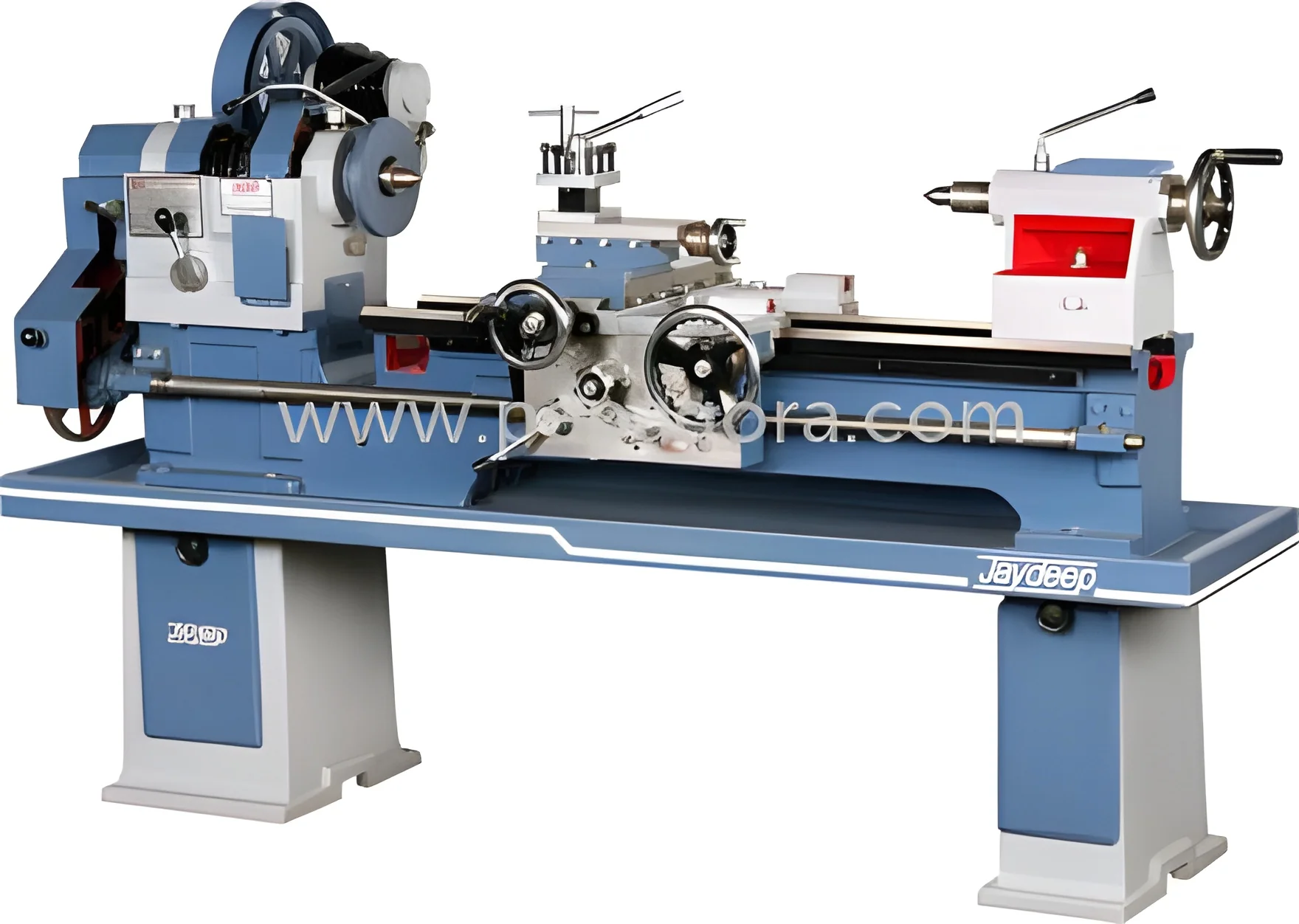
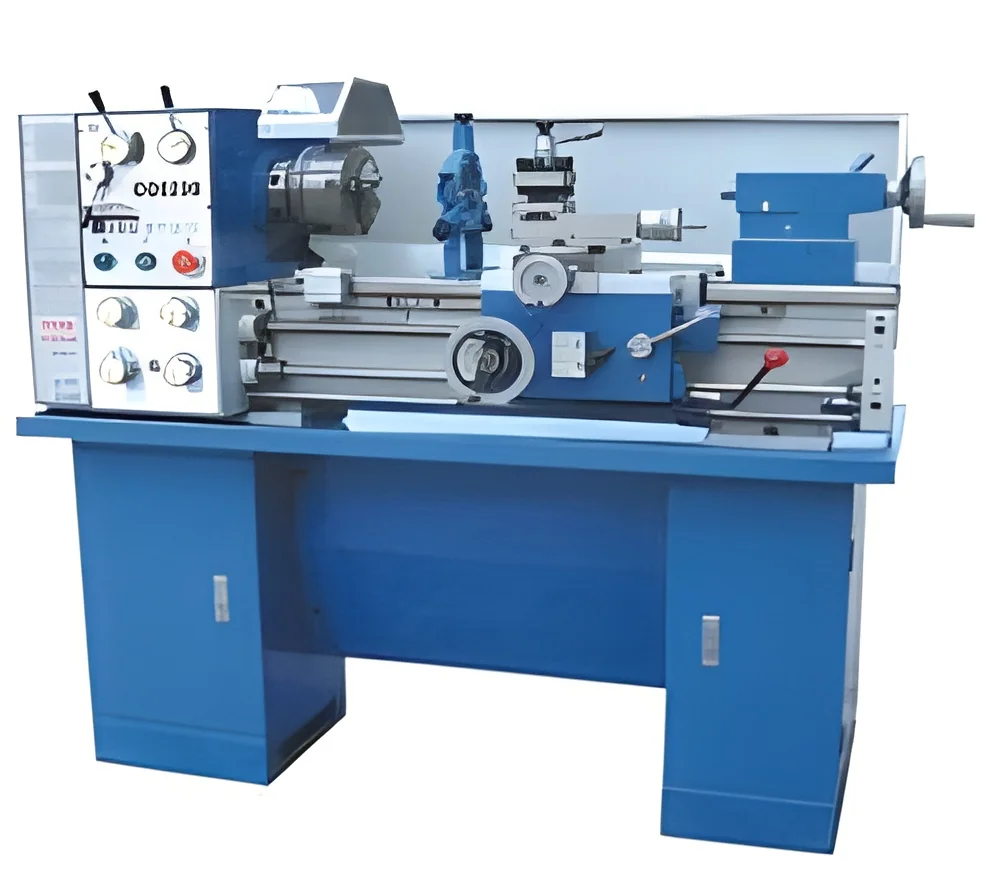
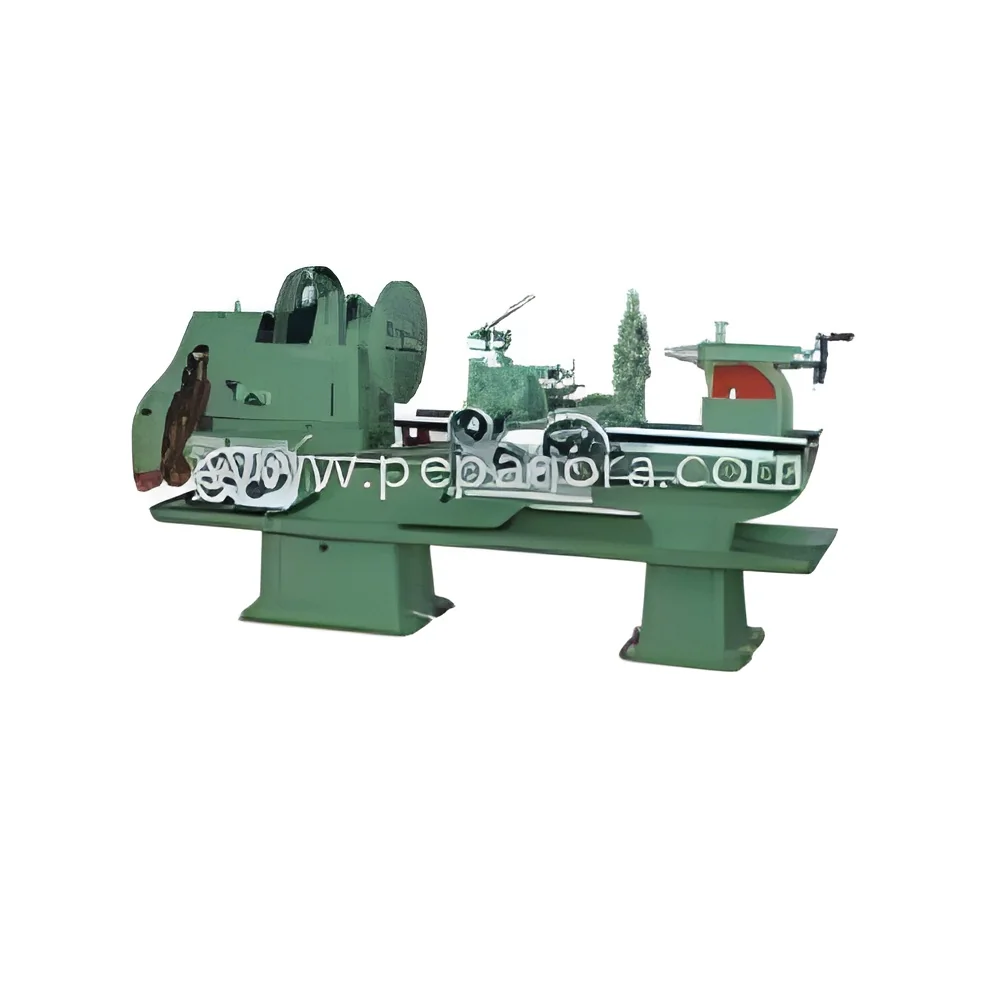
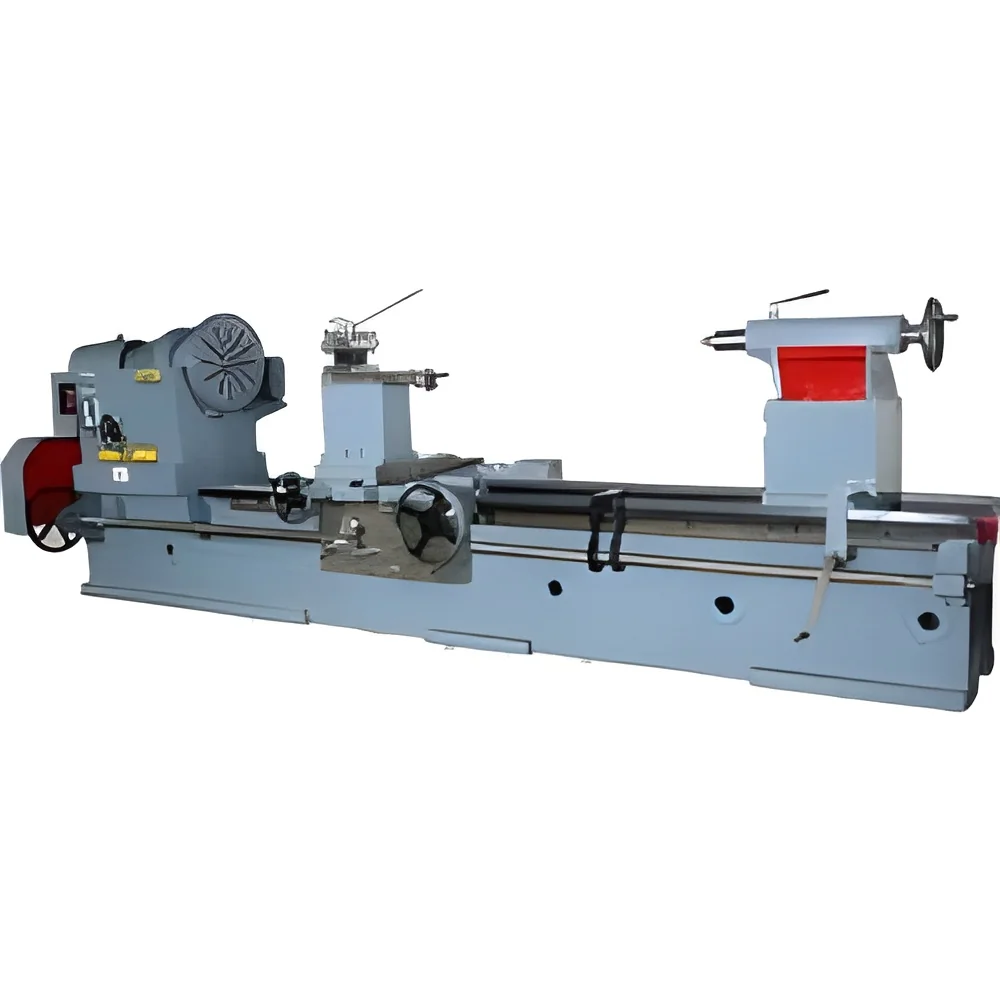
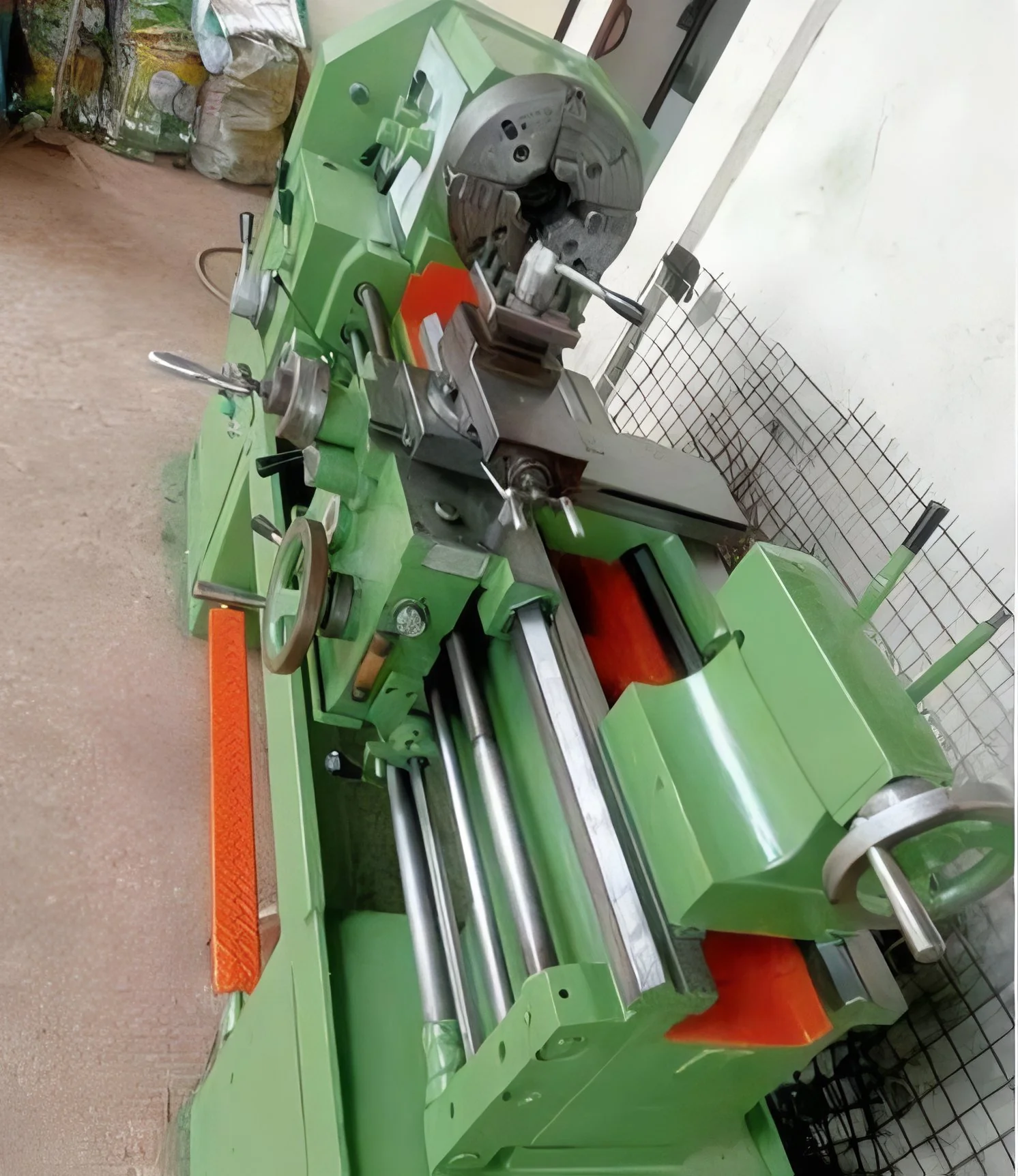
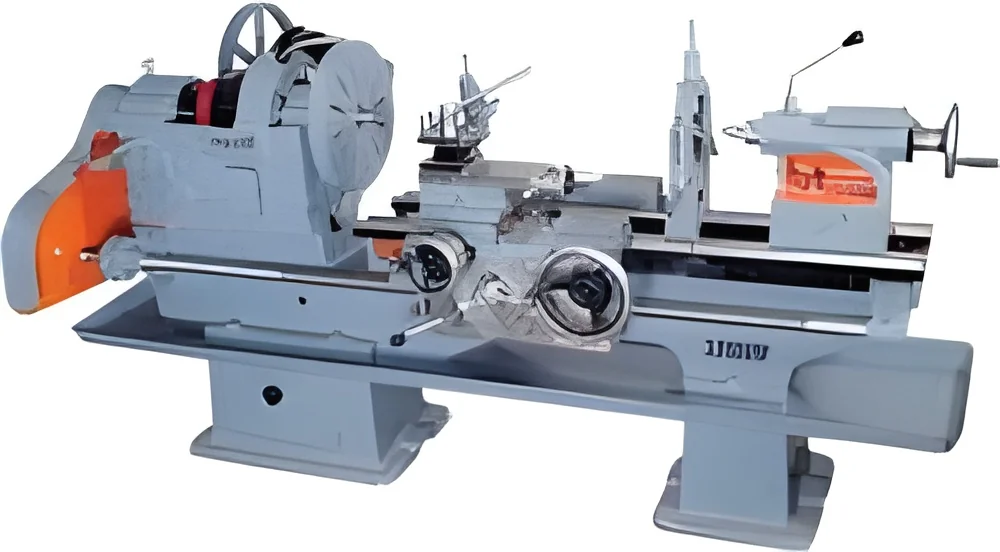
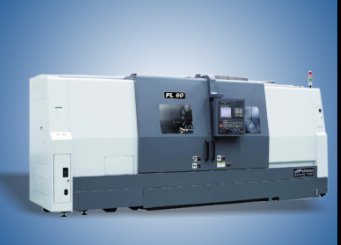
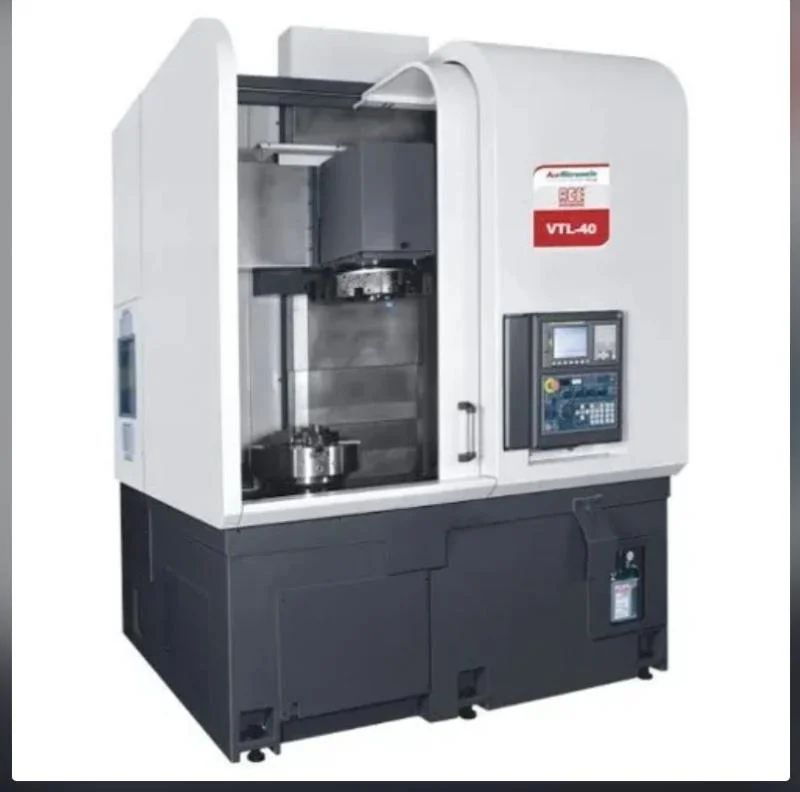
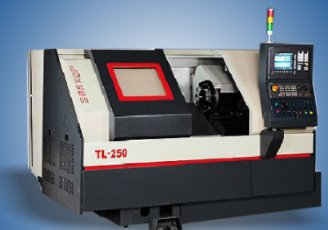
Heavy duty lathes are robust machining tools designed to handle the demands of heavy industrial work. These machines are engineered for precision turning of large and heavy materials, making them essential in workshops and manufacturing plants where durability and accuracy are crucial. They typically feature a larger bed and a more powerful motor compared to standard lathes, allowing them to manage substantial workloads and materials with ease.
These lathes are widely used across various industries, including automotive, aerospace, and heavy machinery. Their primary applications include turning, threading, and boring of large workpieces, which are common in the production of components and parts that require high precision. The relevance of heavy duty lathes in today’s market is significant, as they support the growth of manufacturing sectors that demand efficiency and reliability in production processes.
Key Features and Specifications
Heavy duty lathes offer a range of features and specifications that enhance their performance and usability. These specifications are crucial for ensuring that the machines meet the rigorous demands of industrial applications.
Key specifications include:
1. Swing Over Bed
- This specification indicates the maximum diameter of workpieces that can be accommodated.
- Typical ranges are from 20 inches to over 60 inches.
2. Distance Between Centers
- This refers to the maximum length of the workpiece that can be mounted on the lathe.
- Common lengths range from 40 inches to 120 inches.
3. Spindle Speed
- This specifies the number of revolutions per minute (RPM) the spindle can achieve.
- Standard ranges are from 20 RPM to 1,500 RPM.
4. Motor Power
- This indicates the power supplied to the lathe, affecting its cutting capabilities.
- Power ratings typically range from 5 HP to 30 HP.
5. Tailstock Type
- The tailstock can be fixed or movable, affecting the lathe's versatility.
- Movable tailstocks are common for enhancing functionality.
6. Control System
- Lathes may feature manual, CNC, or PLC controls, impacting ease of use and automation level.
- CNC systems offer advanced programming options for precision work.
7. Bed Construction
- The bed is usually made from cast iron for stability and vibration absorption.
- A heavier bed contributes to better machining accuracy.
8. Tool Post Type
- The tool post can be quick-change or fixed, affecting tool changing efficiency.
- Quick-change tool posts enhance productivity during operations.
These features collectively determine the performance and suitability of heavy duty lathes for specific industrial applications.
Common Applications and Use Cases
Heavy duty lathes are employed in various sectors, showcasing their versatility and strength.
1. Automotive Industry: Heavy duty lathes are used to manufacture engine components, axles, and other critical parts that require high precision and robustness.
2. Aerospace Sector: These lathes are essential for producing parts like fuselage components and turbine casings, where accuracy and the ability to handle large materials are vital.
3. Heavy Machinery Manufacturing: They are extensively used for machining large equipment parts, such as those found in construction and mining machinery.
4. Oil and Gas Industry: Heavy duty lathes play a role in producing pipes and fittings that require high durability and resistance to harsh conditions.
5. Shipbuilding: These machines are crucial for fabricating large components used in ships, including shafts and propellers.
6. Defense Sector: Heavy duty lathes are utilized in manufacturing parts for military equipment, ensuring reliability under demanding conditions.
7. Railways: These lathes assist in the production of locomotive and train components, ensuring they meet strict safety and performance standards.
Product Variants and Subcategories
Heavy duty lathes come in various configurations to cater to specific machining needs.
CNC Heavy Duty Lathes
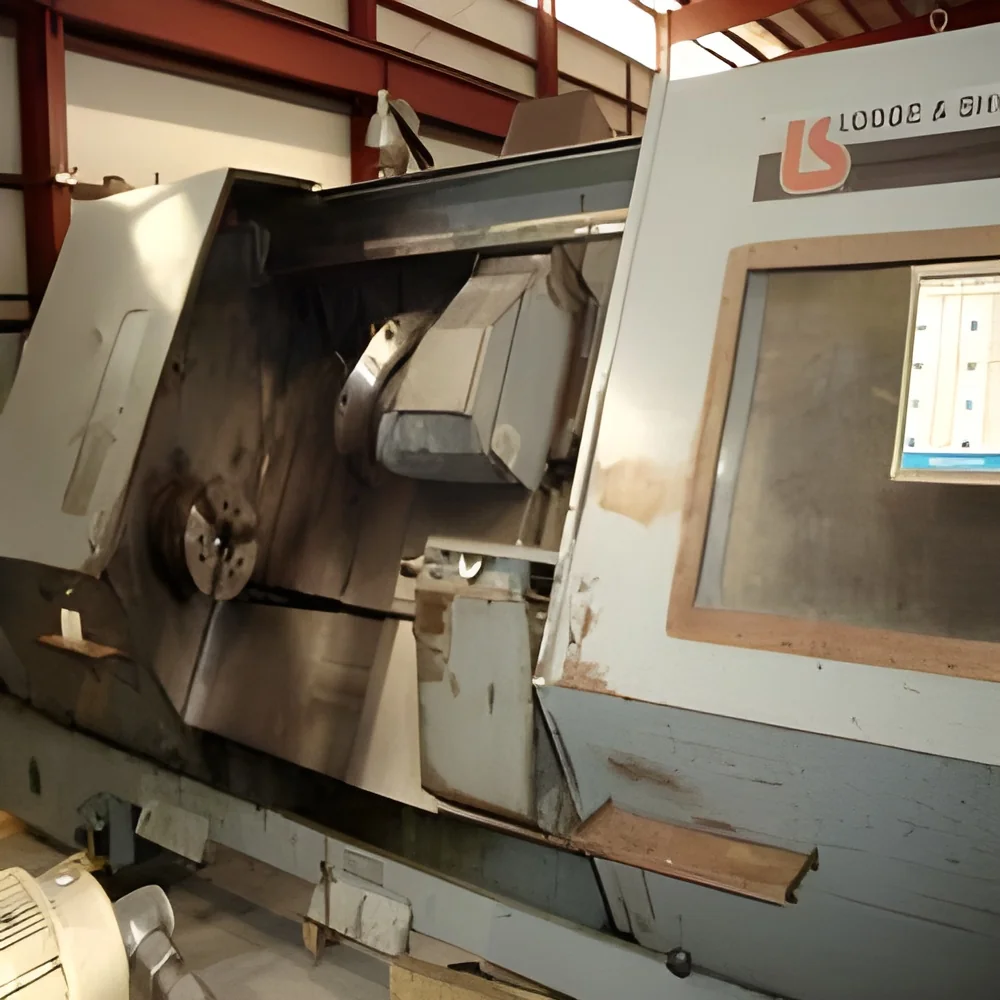
These lathes are equipped with computer numerical control technology, allowing for automated precision machining. They are ideal for high-volume production and complex part geometries.
Manual Heavy Duty Lathes
These machines are operated manually, providing operators with direct control over the machining process. They are suitable for smaller workshops and custom jobs.
Electric Heavy Duty Lathes
These lathes use electric motors for operation, offering energy efficiency and reduced operational costs. They are commonly found in industries focused on sustainability.
Hydraulic Heavy Duty Lathes
Utilizing hydraulic systems for movement, these lathes provide enhanced power and control. They are often used in heavy-duty applications requiring significant force.
Benefits and Advantages
Heavy duty lathes present numerous benefits to businesses seeking reliable machining solutions.
1. Enhanced Durability: Designed to withstand rigorous use, heavy duty lathes offer long service life and reduced maintenance needs.
2. Precision Engineering: These lathes ensure high accuracy in machining, leading to better quality products and reduced waste.
3. Versatility: Capable of handling various materials and sizes, heavy duty lathes adapt to numerous applications across different industries.
4. Increased Productivity: The robust design and efficient features enable faster machining operations, improving overall productivity.
5. Cost-Effectiveness: Investing in heavy duty lathes can reduce labor costs and time associated with machining processes due to their efficiency.
6. Customization Options: Many heavy duty lathes can be tailored to specific needs, allowing businesses to optimize their operations.
Buying Guide for B2B Buyers
When considering the purchase of heavy duty lathes, several key factors should be taken into account to ensure the best choice for your business.
1. Quality Assessment: Evaluate the build quality and precision of the lathes. Look for models that meet industry standards and have a reputation for reliability to minimize downtime.
2. Supplier Verification: Conduct thorough research on potential suppliers. Check for certifications, customer reviews, and their history in the market to ensure you are dealing with reputable sources.
3. Pricing and MOQ: Compare pricing across different suppliers while also considering the minimum order quantity. This helps in understanding the total investment and potential savings.
4. Delivery and Lead Times: Assess the supplier’s ability to deliver on time. Delays in machine delivery can impact production schedules, so it is crucial to confirm lead times upfront.
5. Compliance Requirements: Be aware of any industry regulations and standards that the lathes must meet. Ensure that suppliers provide documentation proving compliance with necessary regulations.
Compliance and Certifications
Heavy duty lathes are subject to various quality standards and certifications that ensure they meet industry requirements.
Compliance with ISO 9001 is essential for quality management systems, ensuring that manufacturers consistently provide products that meet customer and regulatory requirements.
The CE marking is crucial for machinery sold in Europe, indicating conformity with health, safety, and environmental protection standards. This certification assures buyers that the lathes have been tested and meet rigorous safety requirements.
Safety and testing requirements are vital in the manufacturing of heavy duty lathes. These machines must undergo strict testing to verify their performance and reliability under load.
Regional compliance considerations may vary, so it is important for buyers to understand the specific regulations that apply in their geographical area to ensure that the lathes they acquire meet local standards.
Why Source Heavy Duty Lathes from Pepagora?
Pepagora provides a trusted platform for sourcing heavy duty lathes, offering several key advantages for B2B buyers.
Verified Supplier Network: Pepagora connects buyers with a robust network of verified suppliers. Each supplier undergoes a thorough vetting process, ensuring that buyers can trust the quality and reliability of the products.
Streamlined RFQ Process: The platform simplifies the request for quotation process, allowing buyers to easily compare options and select the best offers based on their specific needs.
Trade Assurance and Support: Pepagora offers trade assurance, providing buyers with protection against potential issues. This support fosters a secure purchasing environment, enhancing buyer confidence.
Regional Coverage: With a wide geographic reach, including India, the GCC, and Southeast Asia, Pepagora enables buyers to access local suppliers, making logistics and communication more efficient. This broad coverage ensures that businesses can find the right heavy duty lathes to meet their operational demands.

 IN
IN