What are Automatic Lathes?
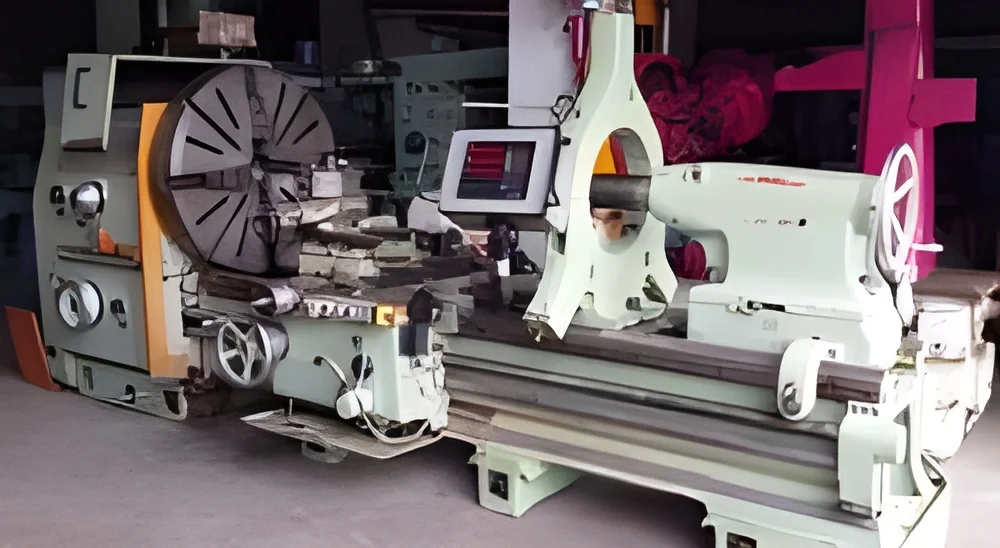
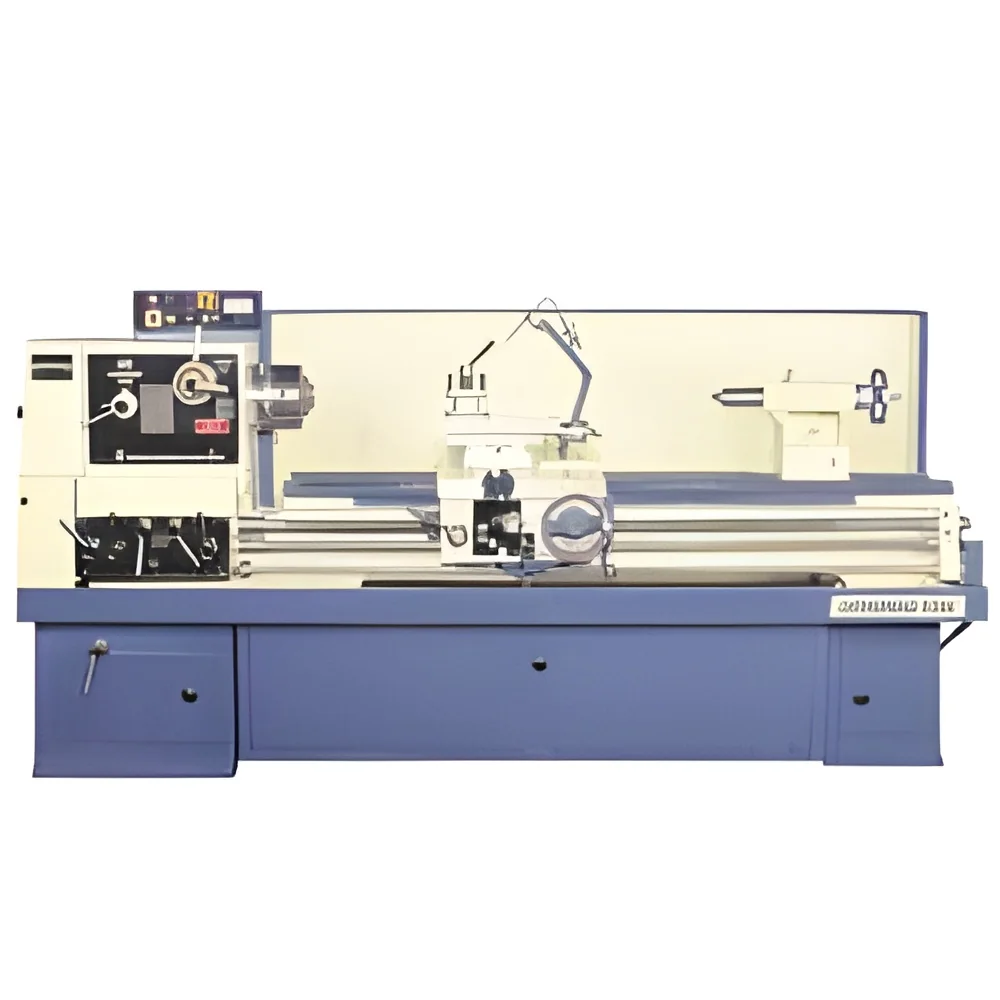
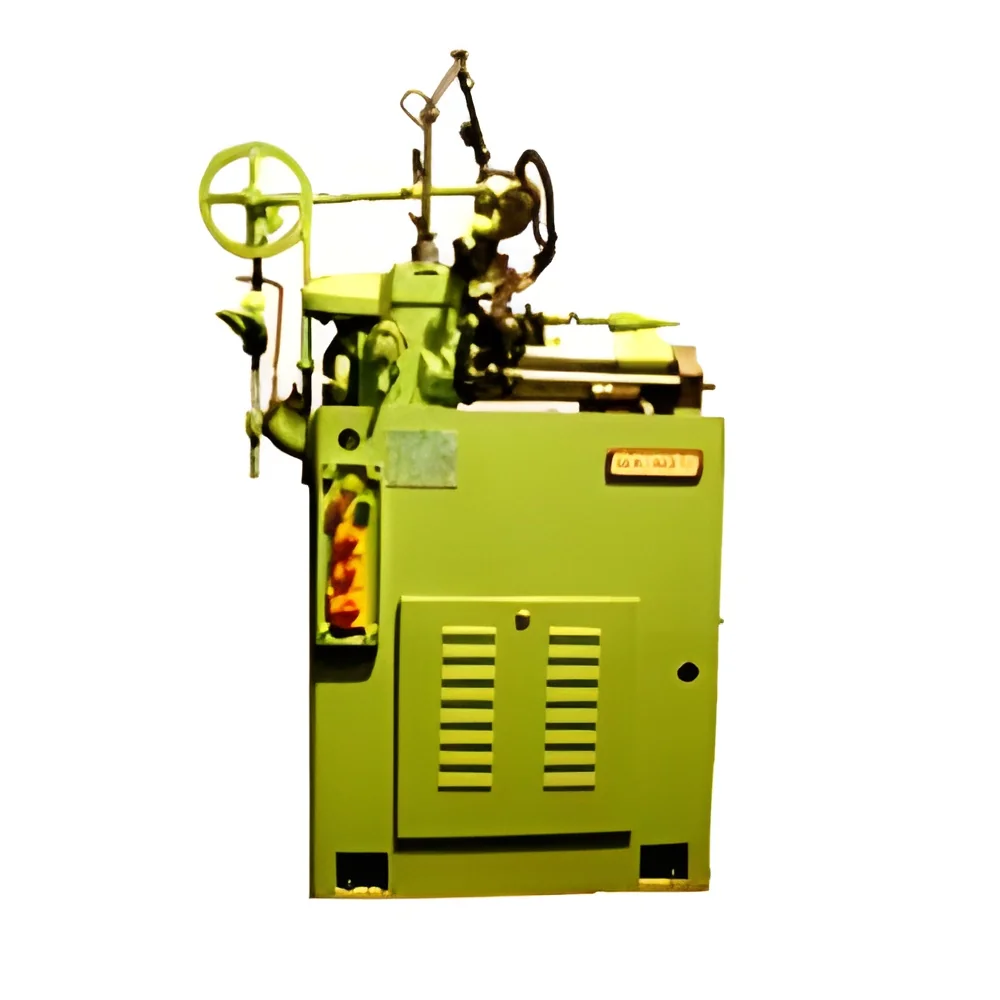
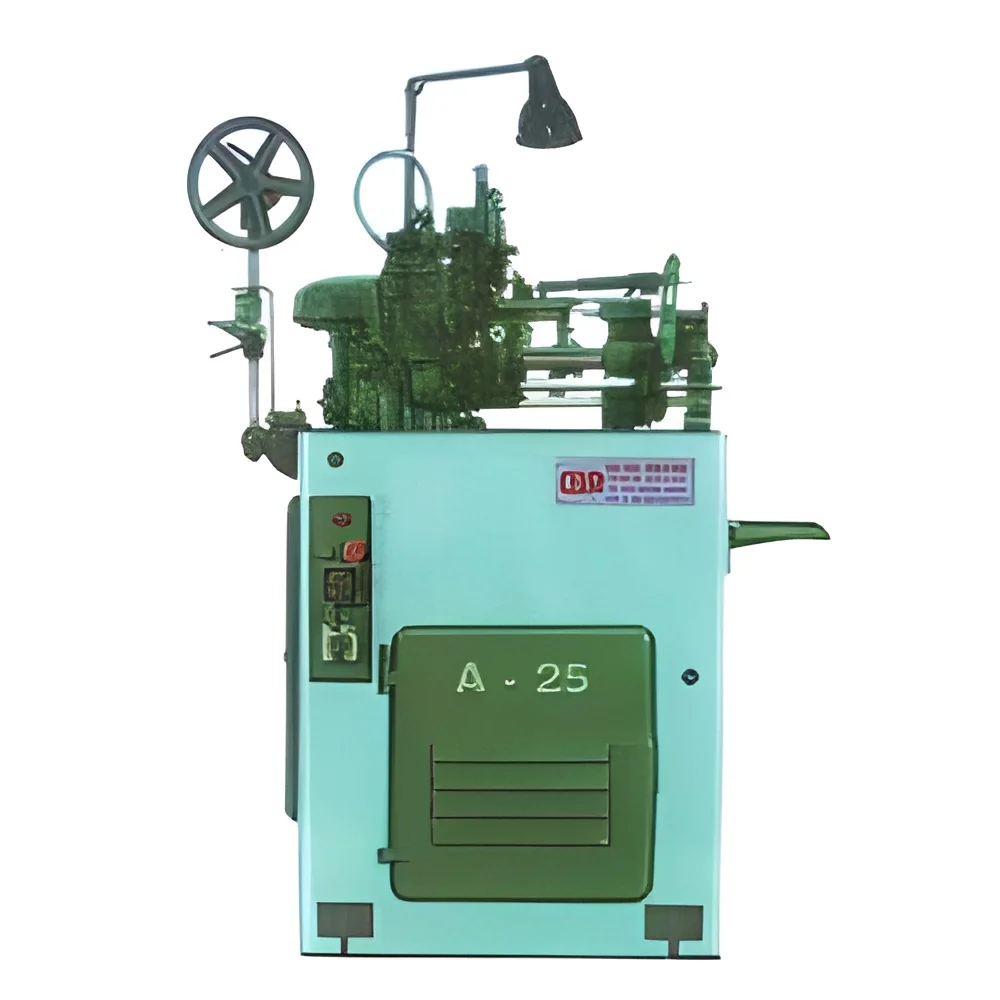
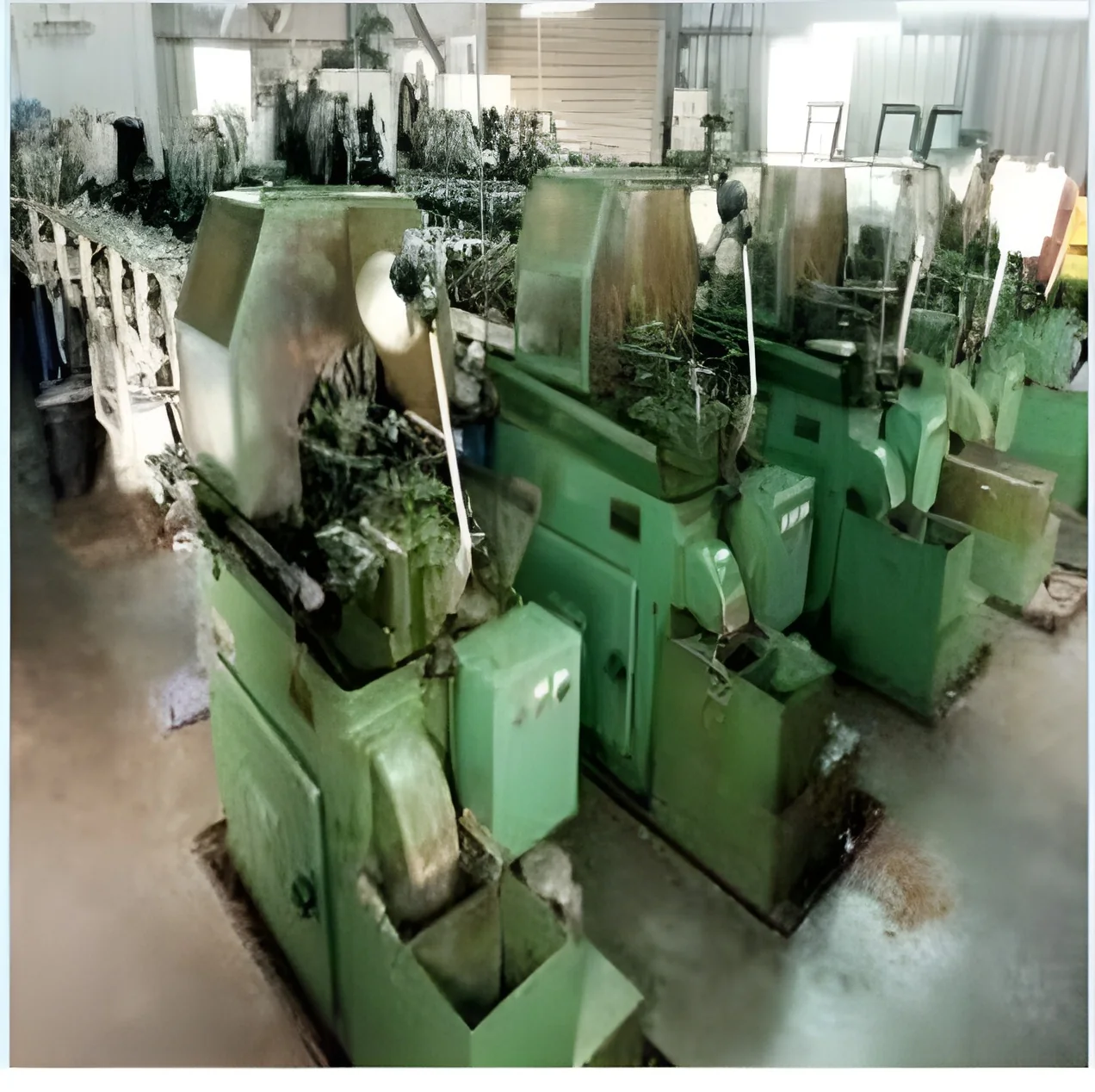
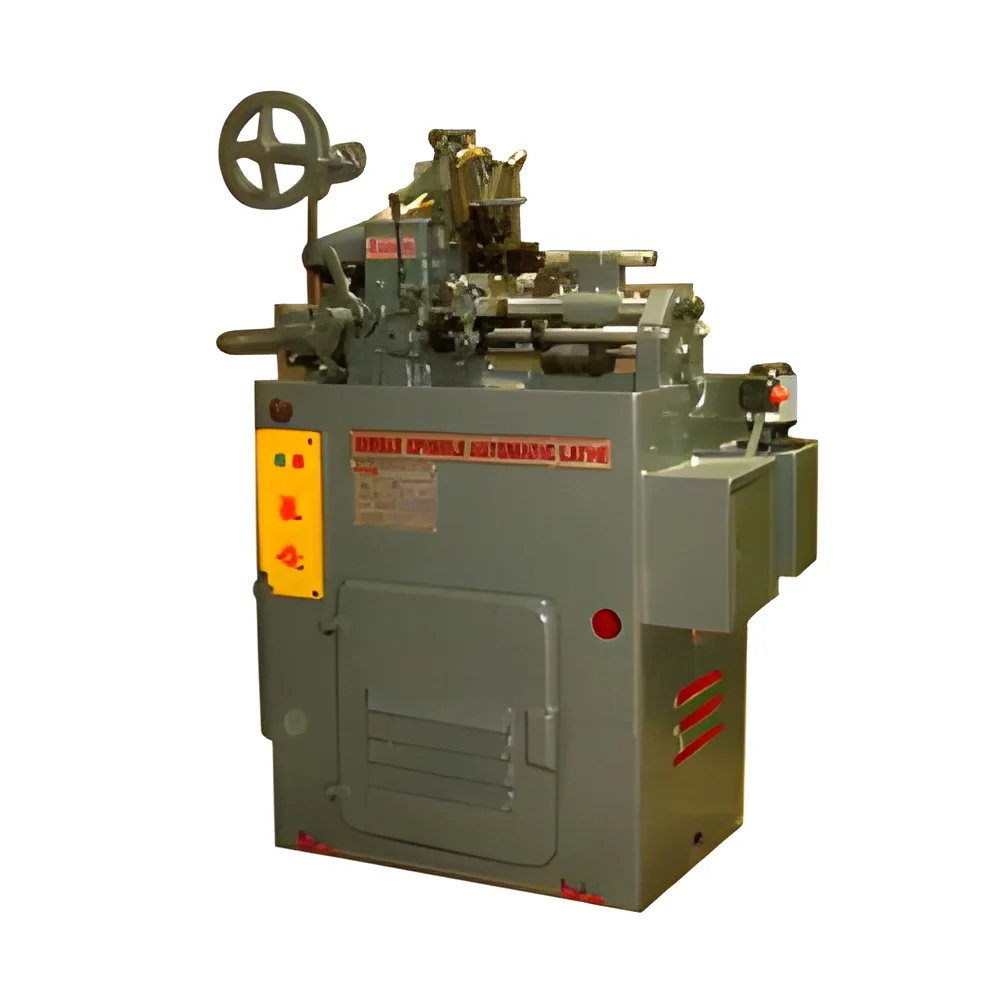
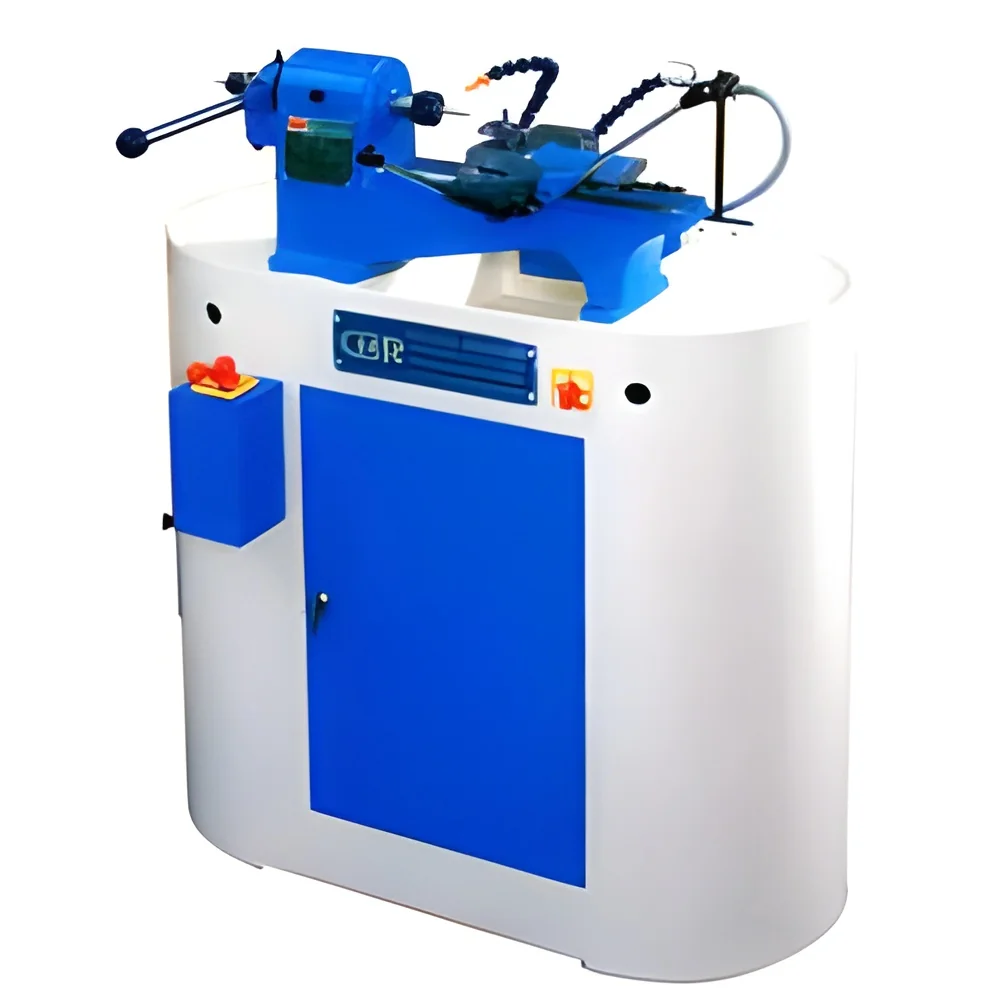
Automatic lathes are advanced machine tools designed to manufacture precise cylindrical components through automated processes. These machines efficiently rotate a workpiece against cutting tools to achieve desired shapes and dimensions. Unlike traditional lathes, automatic lathes can perform multiple machining operations in a single setup, significantly enhancing production efficiency and reducing manual intervention.
In industrial applications, automatic lathes are commonly used to produce a variety of products such as bolts, screws, and intricate components for automotive and aerospace industries. They are particularly valued for their ability to maintain high precision and repeatability during mass production. The growing demand for high-quality, cost-effective manufacturing solutions has made automatic lathes a vital tool across various sectors, providing businesses with a competitive edge in the market.
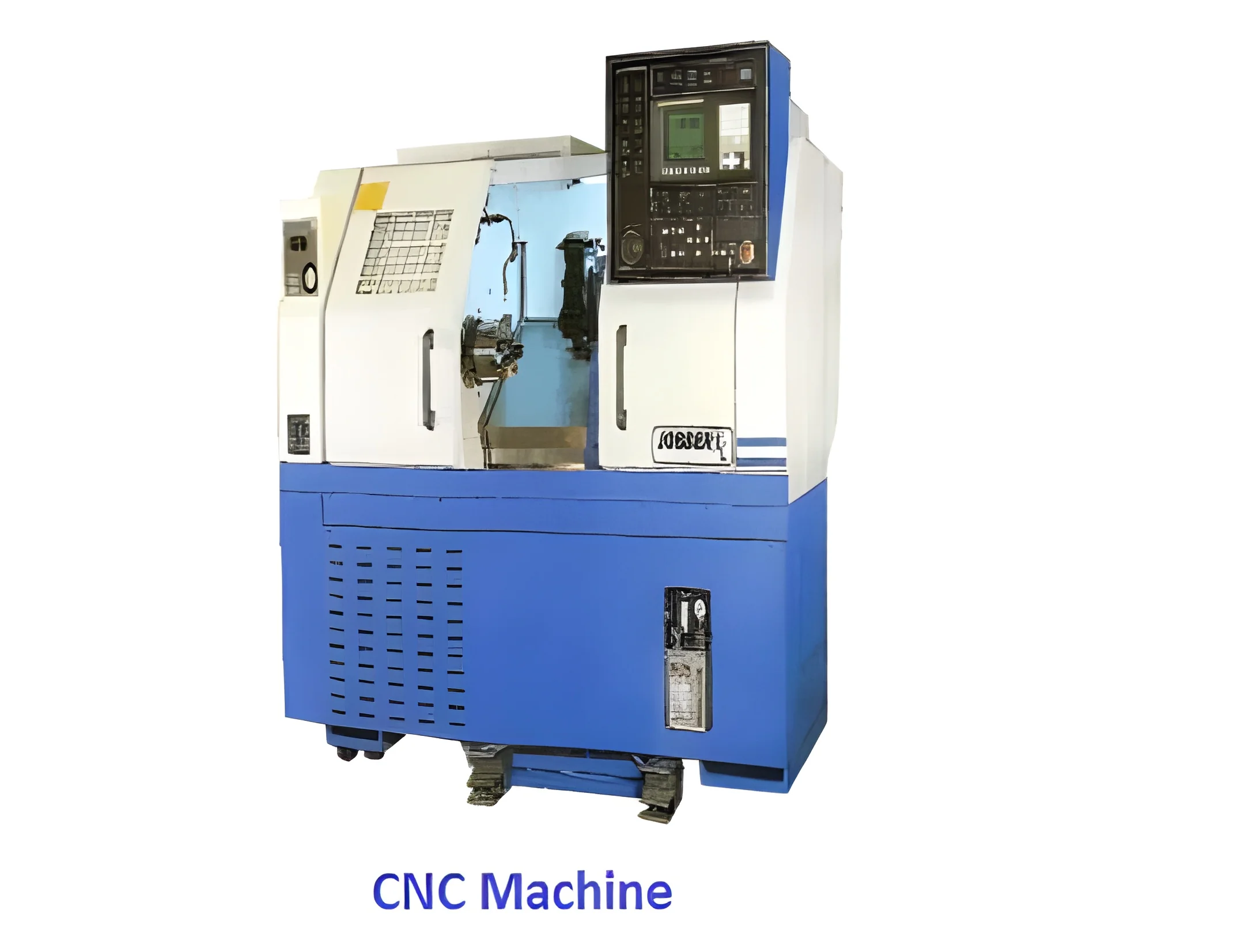
As industries continue to evolve, automatic lathes are increasingly relevant due to advancements in technology. They integrate features such as computer numerical control (CNC) systems, which allow for complex programming and automation. This relevance is further amplified by the rising emphasis on efficiency, productivity, and precision in manufacturing processes.
Key Features and Specifications
Automatic lathes come equipped with a range of features that enhance their functionality and performance. These specifications are essential for buyers to consider when evaluating different models.
Key specifications include:
1. Spindle Speed
- Typical ranges from 1500 to 6000 RPM
- Determines the speed at which the workpiece is rotated
2. Tool Capacity
- Varies from 6 to 12 tools
- Affects the number of operations that can be performed without tool changes
3. Maximum Workpiece Diameter
- Common sizes range from 20 mm to 300 mm
- Indicates the largest diameter of the material that can be machined
4. Control Type
- Options include manual, semi-automatic, and fully automatic
- Impacts the level of operator intervention required
5. Power Consumption
- Typically ranges from 1.5 kW to 10 kW
- Influences operational costs and energy efficiency
6. Weight
- Varies widely based on machine size, generally between 300 kg to 2000 kg
- Affects installation and space requirements
7. Machine Dimensions
- Standard dimensions can range from 1.5 m to 3 m in length
- Important for fitting the machine into the production area
8. Safety Features
- May include emergency stops and protective enclosures
- Essential for ensuring safe operation in industrial settings
Automatic lathes are engineered to meet the diverse needs of manufacturers, making them a critical investment for improving productivity and precision.
Common Applications and Use Cases
Automatic lathes serve a wide range of industries, providing tailored solutions for various manufacturing needs.
1. Automotive Industry: Automatic lathes are used to produce components such as crankshafts, pistons, and gear shafts. These parts require high precision to meet stringent safety and performance standards.
2. Aerospace Industry: In aerospace manufacturing, automatic lathes create critical components, including turbine blades and landing gear parts. The need for lightweight and durable materials makes these machines indispensable.
3. Electronics Industry: Automatic lathes manufacture small precision parts like connectors and housings. These components are essential for assembling electronic devices and require exact specifications.
4. Medical Devices: In the medical field, automatic lathes are employed to produce surgical instruments and implants. Precision and reliability are paramount in this sector, making these machines crucial.
5. Construction Equipment: Automatic lathes are used to fabricate parts for machinery such as excavators and cranes. The durability and strength of these components are vital for equipment performance.
6. Oil and Gas: Components for drilling equipment, valves, and fittings are often produced using automatic lathes. The harsh environments in which these parts operate necessitate rigorous manufacturing standards.
7. Defense: Automatic lathes are utilized in the production of weaponry and defense equipment. The high level of precision required for these applications makes automatic lathes a preferred choice.
Product Variants and Subcategories
Automatic lathes come in various configurations to meet different manufacturing requirements.
CNC Automatic Lathes: These machines feature advanced computer numerical control technology, allowing for complex and precise machining operations. They are ideal for producing intricate parts with minimal operator intervention.
Hydraulic Automatic Lathes: Utilizing hydraulic systems, these lathes provide increased power and stability during machining. They are particularly effective for heavy-duty applications and larger workpieces.
Multi-Spindle Automatic Lathes: Designed for high-volume production, these lathes can operate multiple spindles simultaneously, significantly increasing output. They are best suited for manufacturing identical parts in large quantities.
Sliding Head Automatic Lathes: These machines allow the workpiece to slide through the tooling, which is ideal for producing long, slender parts. They are commonly used in the medical and automotive industries.
Benefits and Advantages
Investing in automatic lathes offers numerous advantages for businesses looking to enhance production capabilities.
1. Increased Efficiency: Automatic lathes can operate continuously, reducing downtime and maximizing output. This efficiency is essential for meeting production deadlines.
2. Enhanced Precision: These machines deliver consistent and accurate results, which minimizes waste and rework. High precision is critical in industries where tolerances are tight.
3. Reduced Labor Costs: The automation of machining processes decreases the need for manual labor, leading to significant cost savings. This allows companies to allocate resources more effectively.
4. Versatility: Automatic lathes can be programmed for various tasks, making them suitable for a wide range of applications. This adaptability is beneficial for companies with diverse product lines.
5. Improved Safety: With built-in safety features, automatic lathes reduce the risk of accidents in the workplace. This enhances overall operational safety and employee well-being.
6. Lower Operational Costs: Advanced technology often leads to reduced energy consumption and maintenance costs, contributing to overall cost efficiency in manufacturing.
Buying Guide for B2B Buyers
When sourcing automatic lathes, it is crucial for buyers to consider several key factors to ensure they make informed decisions.
1. Quality Assessment: Evaluate the machine's construction and materials to ensure durability and reliability. Look for certifications that indicate compliance with industry standards.
2. Supplier Verification: Research potential suppliers to ensure they have a good reputation and track record. Consider looking for reviews and testimonials from other buyers.
3. Pricing and MOQ: Understand the pricing structure and minimum order quantities. This helps in budgeting and ensures that the investment aligns with production needs.
4. Delivery and Lead Times: Consider the timeframe for delivery. Timely delivery is essential to maintain production schedules and avoid disruptions.
5. Compliance Requirements: Ensure that the machines meet relevant regulatory standards and certifications. This includes safety and environmental compliance, which is crucial for operational legitimacy.
Compliance and Certifications
Automatic lathes must adhere to various quality standards and regulations to ensure safe and effective operation. Key compliance standards include ISO 9001, which outlines quality management systems, ensuring that products consistently meet customer requirements.
Industry certifications such as CE mark indicate that the machines comply with European health, safety, and environmental protection standards. This certification is particularly important for manufacturers looking to enter the European market.
Safety and testing requirements are also pivotal. Automatic lathes must undergo rigorous testing to ensure they operate safely and effectively under various conditions.
Regional compliance considerations can vary, so buyers should be aware of local regulations that may impact the operation and certification of automatic lathes in their specific markets.
Why Source Automatic Lathes from Pepagora?
Pepagora provides a trusted platform for sourcing automatic lathes, ensuring buyers can find reliable machines for their manufacturing needs.
Verified Supplier Network: Pepagora works with a network of verified suppliers, ensuring that buyers have access to reputable manufacturers. This verification process helps mitigate risks associated with sourcing machinery.
Streamlined RFQ Process: The request for quotation (RFQ) process on Pepagora is designed to be straightforward and efficient. Buyers can easily compare quotes from different suppliers, facilitating informed purchasing decisions.
Trade Assurance and Support: Pepagora offers trade assurance, providing buyers with protection during transactions. This support includes assistance with logistics and after-sales service, ensuring a smooth purchasing experience.
Regional Coverage: With a strong presence in India, the GCC, and Southeast Asia, Pepagora is well-positioned to cater to a diverse range of businesses. This regional focus allows for tailored solutions that meet local market needs.

 IN
IN