IN
IN₹
Apparel & Fashion
Description
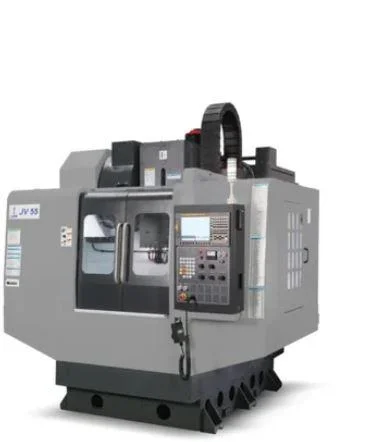
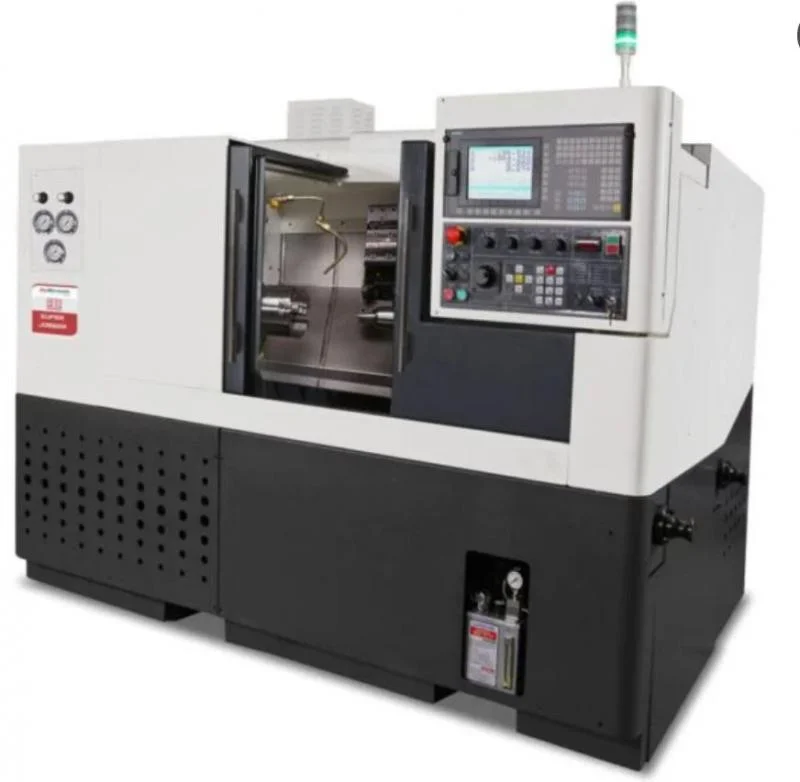
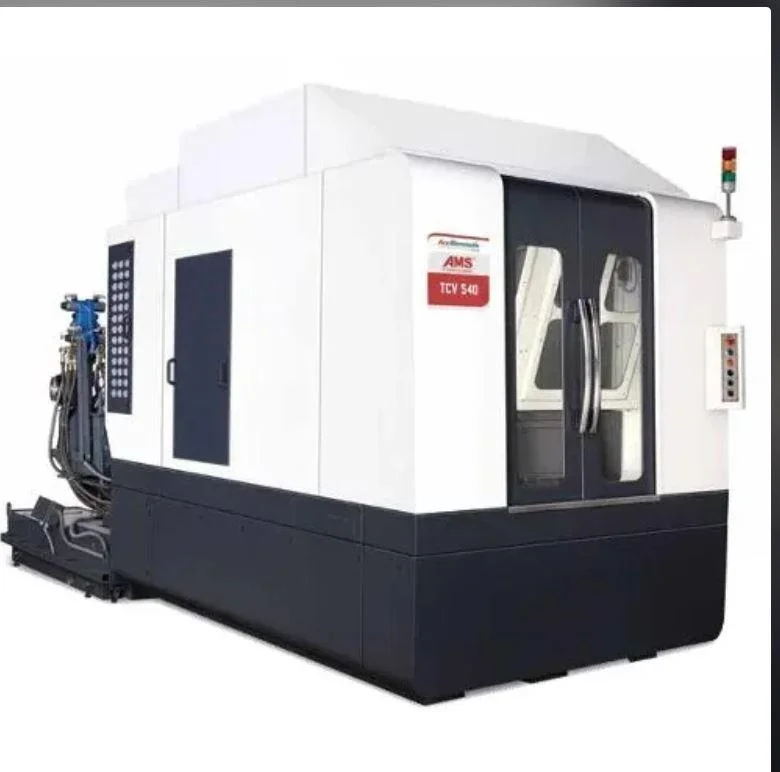
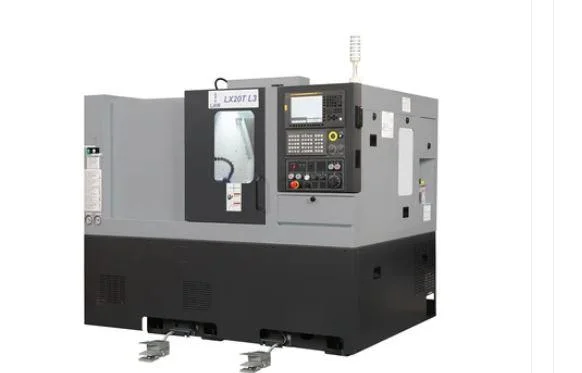
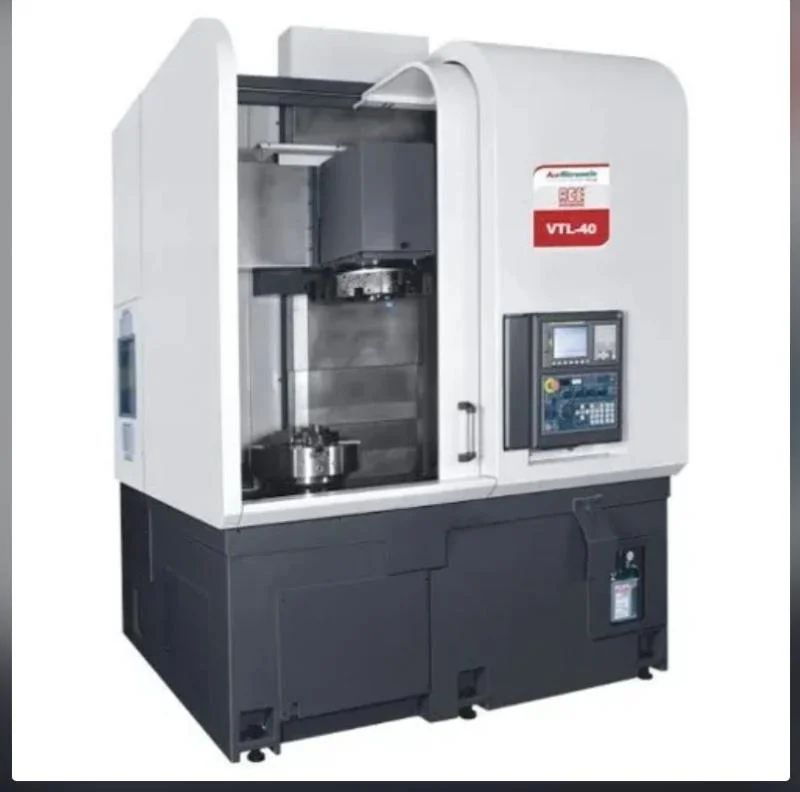
Vertical Turning Lathes represent specialized industrial equipment designed for precision machining of large, heavy components that exceed the capacity of standard horizontal lathes. These machines feature a vertical spindle orientation that provides inherent stability when handling oversized workpieces, minimizing deflection during aggressive cutting operations. Engineered with rigid construction and advanced control systems, they maintain tight tolerances while processing materials ranging from standard steels to exotic alloys. The vertical configuration offers practical advantages for loading heavy materials, as gravity assists in workpiece positioning rather than working against it. This design philosophy results in equipment that delivers consistent performance in demanding production environments where component size and machining precision are equally critical.

These lathes serve vital roles across multiple heavy industries that rely on large-scale component manufacturing. In a...
Vertical Turning Lathes represent specialized industrial equipment designed for precision machining of large, heavy components that exceed the capacity of standard horizontal lathes. These machines feature a vertical spindle orientation that provides inherent stability when handling oversized workpieces, minimizing deflection during aggressive cutting operations. Engineered with rigid construction and advanced control systems, they maintain tight tolerances while processing materials ranging from standard steels to exotic alloys. The vertical configuration offers practical advantages for loading heavy materials, as gravity assists in workpiece positioning rather than working against it. This design philosophy results in equipment that delivers consistent performance in demanding production environments where component size and machining precision are equally critical.

These lathes serve vital roles across multiple heavy industries that rely on large-scale component manufacturing. In automotive production, they machine transmission cases, axle housings, and engine blocks that require precise bore alignment and surface finishes. Aerospace applications include manufacturing landing gear components, wing spar fittings, and engine mounts where material integrity and dimensional accuracy are non-negotiable. General engineering sectors utilize them for producing industrial machinery parts, heavy equipment components, and large-scale tooling. Energy industries depend on these machines for creating turbine parts, valve bodies, and pump housings that withstand extreme operating conditions. The versatility extends to defense, marine, and infrastructure projects where oversized precision components form the foundation of complex systems.

The business value of Vertical Turning Lathes lies in their ability to transform raw materials into precision components with efficiency and reliability that directly impacts operational profitability. Their robust construction ensures minimal maintenance requirements and extended service life, providing long-term return on investment through consistent uptime. The precision capabilities reduce scrap rates and rework, while efficient chip removal and coolant systems optimize material usage. These machines enable manufacturers to accept larger contracts and more complex projects by expanding their machining capabilities beyond standard equipment limitations. The reliability factor becomes particularly valuable in just-in-time manufacturing environments where production delays carry significant financial consequences, making these lathes strategic assets rather than mere production tools.

Key Features:
- Vertical spindle orientation providing natural stability for heavy workpiece machining
- Rigid construction with reinforced bed and column minimizing vibration during operation
- Advanced CNC control systems enabling precise programming of complex turning operations
- High-torque spindle motors capable of handling aggressive cutting parameters on tough materials
- Integrated chip management and coolant systems maintaining clean working environments

Benefits:
- Reduced setup time through easier loading and unloading of heavy workpieces
- Consistent precision maintenance even during extended heavy-duty cutting operations
- Expanded manufacturing capabilities for oversized components beyond horizontal lathe limits
- Improved operator safety with better visibility and reduced manual handling requirements
- Enhanced production efficiency through optimized chip removal and reduced non-cutting time
Specifications
| Additional Information | |
|---|---|
| Country of Origin | India |
Application
Vertical Turning Lathes excel in handling large, heavy workpieces that require precise turning operations. Their vertical orientation provides natural stability for machining oversized parts, making them essential for industries where component size and weight exceed horizontal lathe capacities. This configuration allows for easier loading and unloading of heavy materials, reducing setup time and operator fatigue during extended production runs.
These machines are specifically engineered for demanding manufacturing environments that require consistent accuracy under heavy cutting loads. The robust construction maintains precision while machining tough materials like steel alloys, cast iron, and specialized metals. This capability makes them indispensable for producing critical components where dimensional accuracy directly impacts assembly fit and final product performance in high-stakes applications.
Real-world applications:
- Manufacturing large automotive components such as brake drums, flywheels, and transmission housings
- Producing aerospace parts including landing gear components, engine mounts, and structural frames
- Creating heavy machinery parts for construction equipment, mining tools, and industrial presses
- Machining large valves, pumps, and turbine components for energy and power generation industries
- Fabricating oversized molds, dies, and tooling for plastic injection and metal casting processes
Trade Details
| Available Stock | In Stock |
| Sample Availability | No |
Payment Terms
| Payment Terms |
|
| Payment Methods |
|
Company Profile
Shanrag Machine Tools, Tamil Nadu
 Tamil Nadu, India
Tamil Nadu, IndiaIndustrial Equipment & Machinery•Manufacturer
Factory Details
Factory SizeBelow 1000 sqm
Vertical Turning Lathes for Heavy Duty Industrial Machining
Vertical Turning Lathes deliver high-precision heavy-duty machining for large components in automotive, aerospace, and engineering industries, ensuring stability and efficient production.
Min. Order Quantity: 1 piece
Shipping
Shipping fee and delivery date to be negotiated. Contact supplier now for more details.
Shanrag Machine Tools
 Tamil Nadu, India
Tamil Nadu, IndiaIndustrial Equipment & MachineryManufacturer