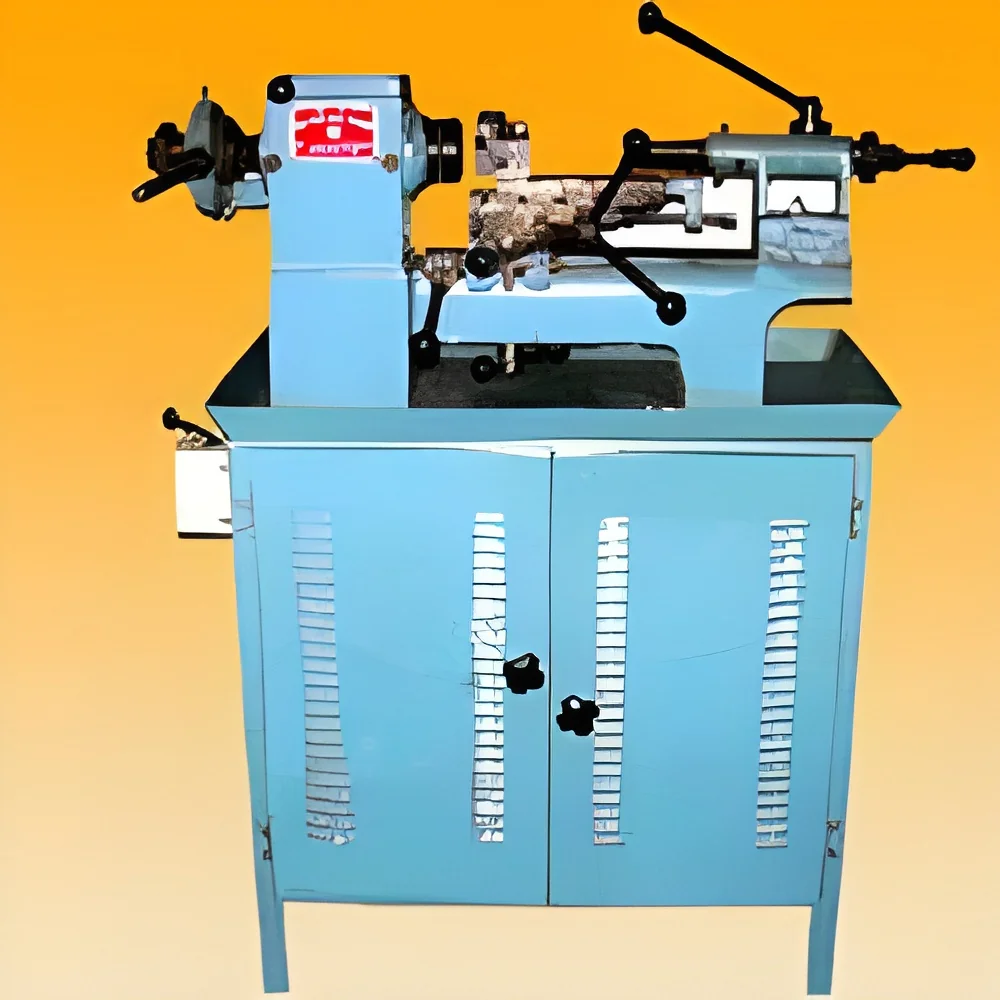
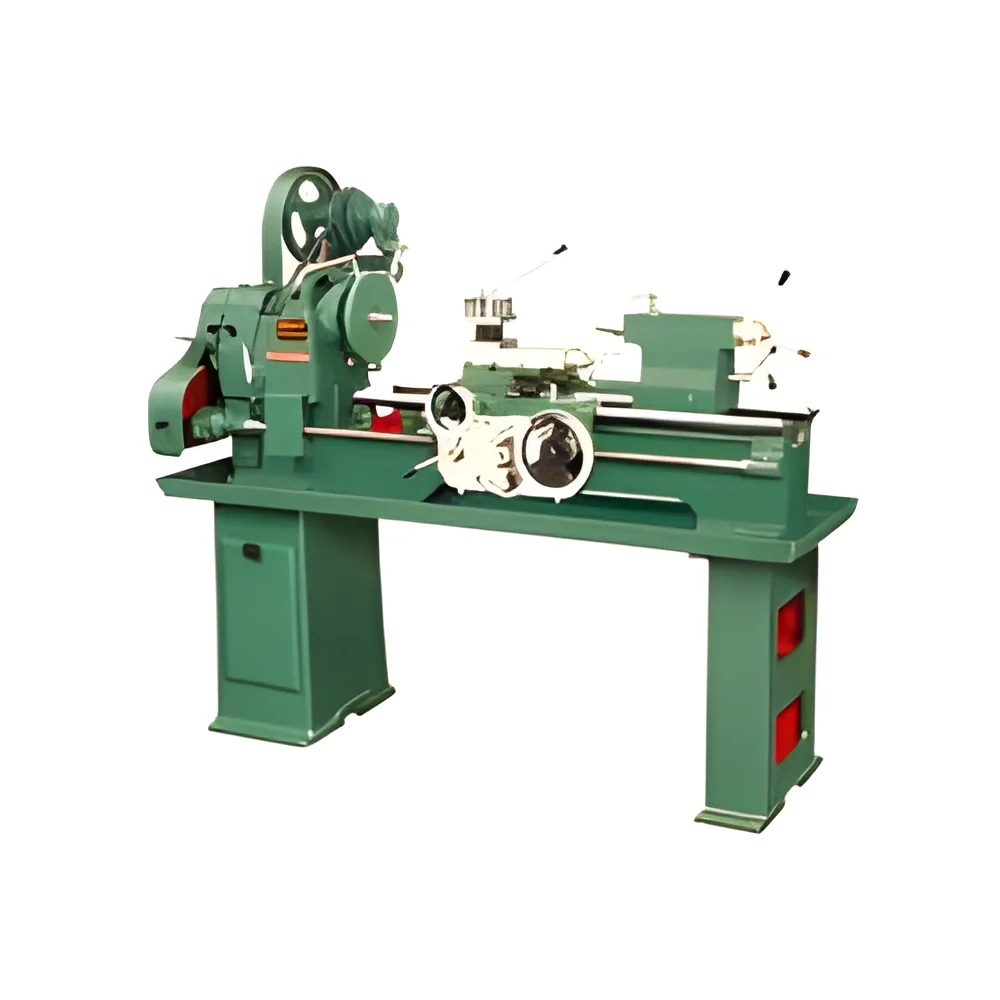
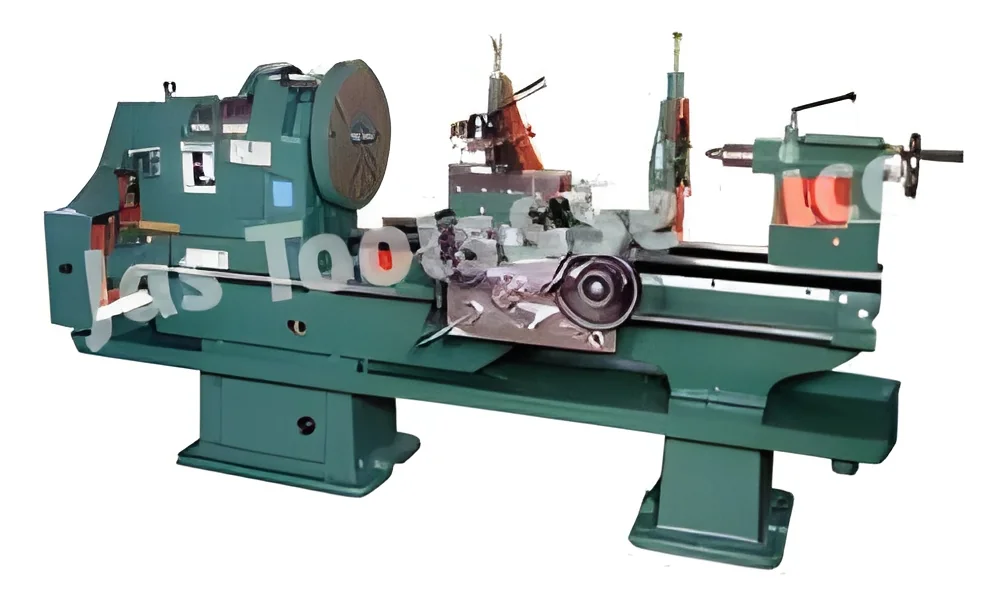
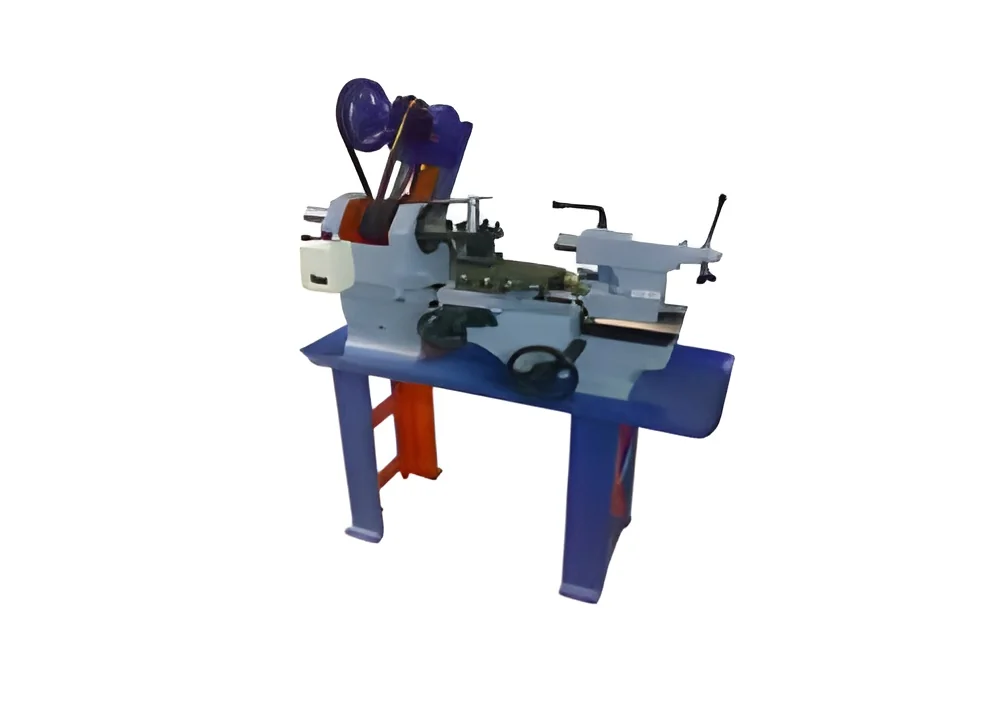
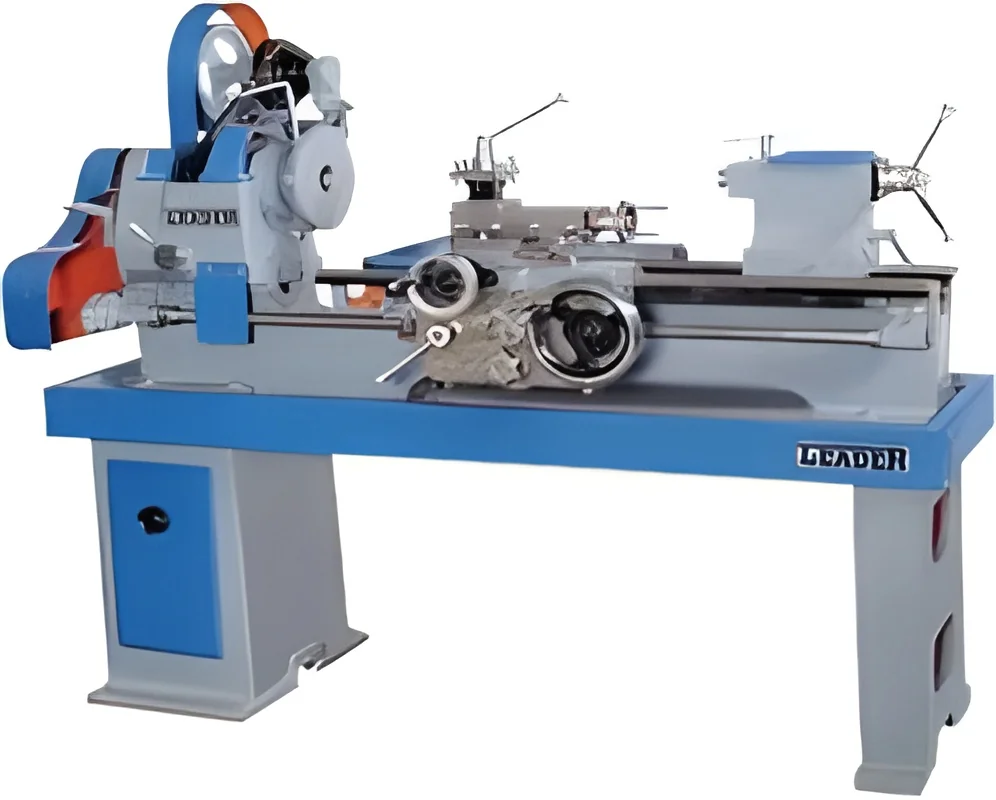
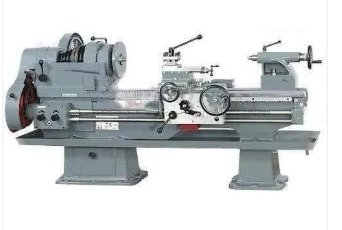
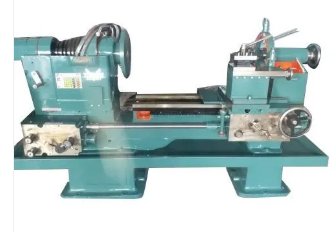
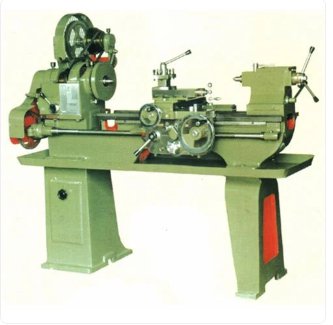
𝗪𝗵𝗮𝘁 𝗮𝗿𝗲 𝗠𝗶𝗻𝗶 𝗟𝗮𝘁𝗵𝗲 𝗠𝗮𝗰𝗵𝗶𝗻𝗲𝘀 𝗳𝗼𝗿 𝗪𝗼𝗿𝗸𝘀𝗵𝗼𝗽𝘀?
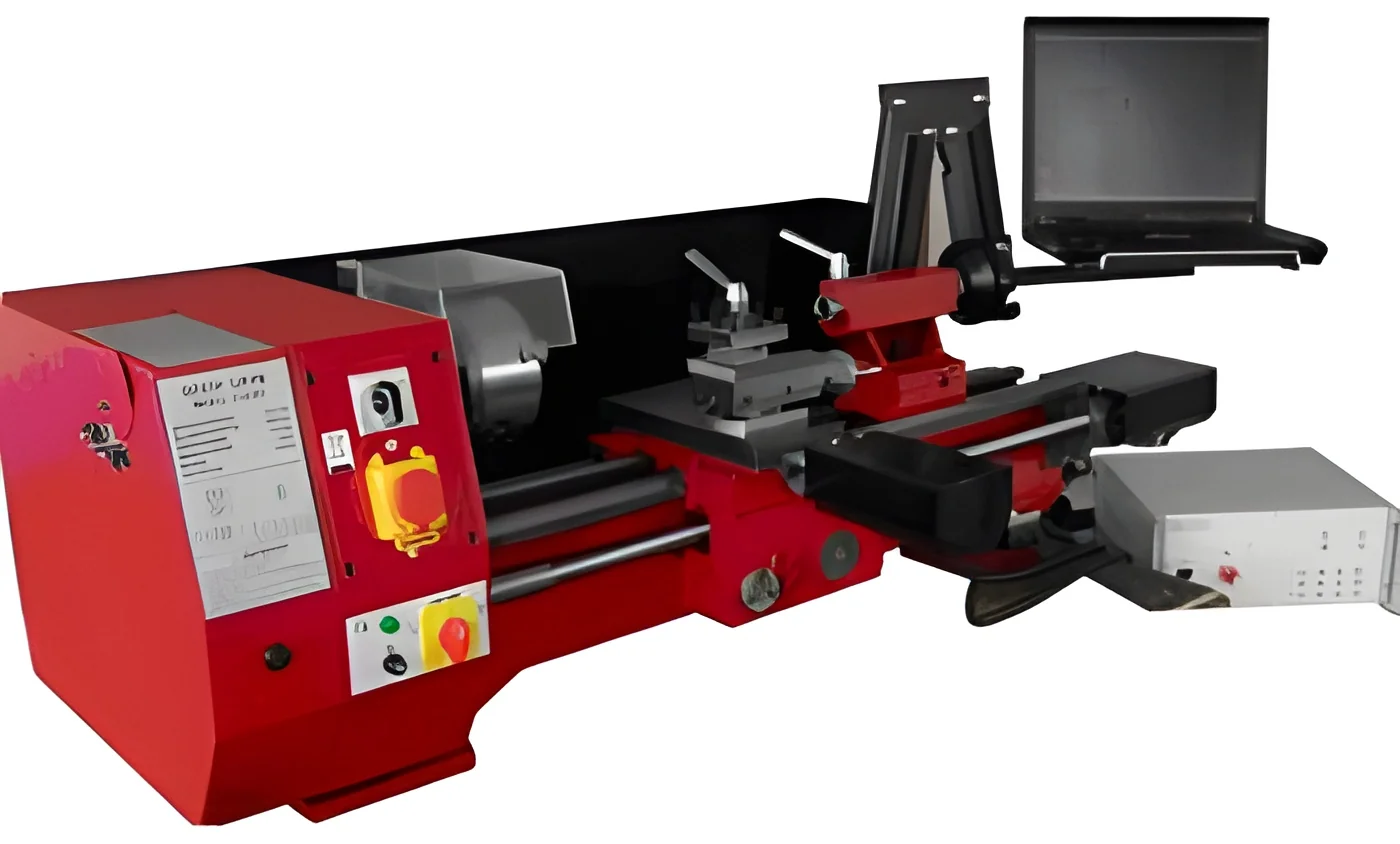
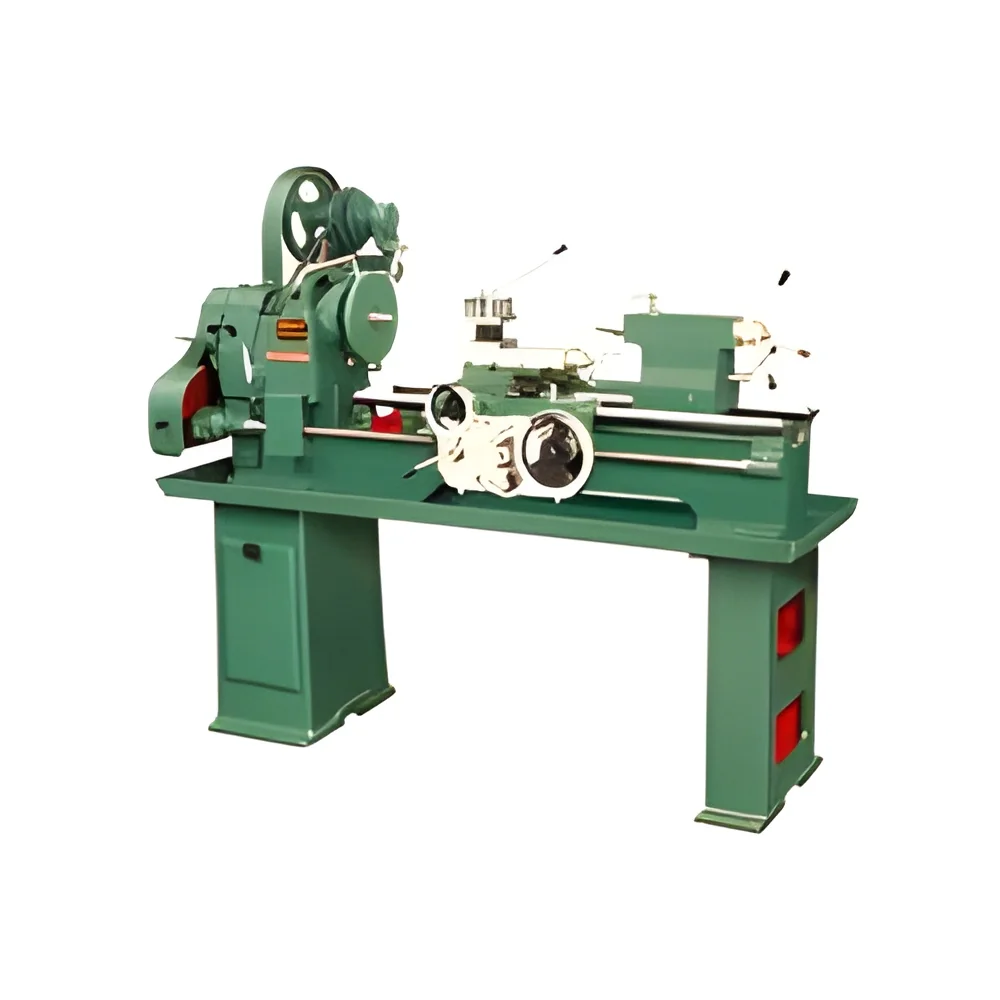
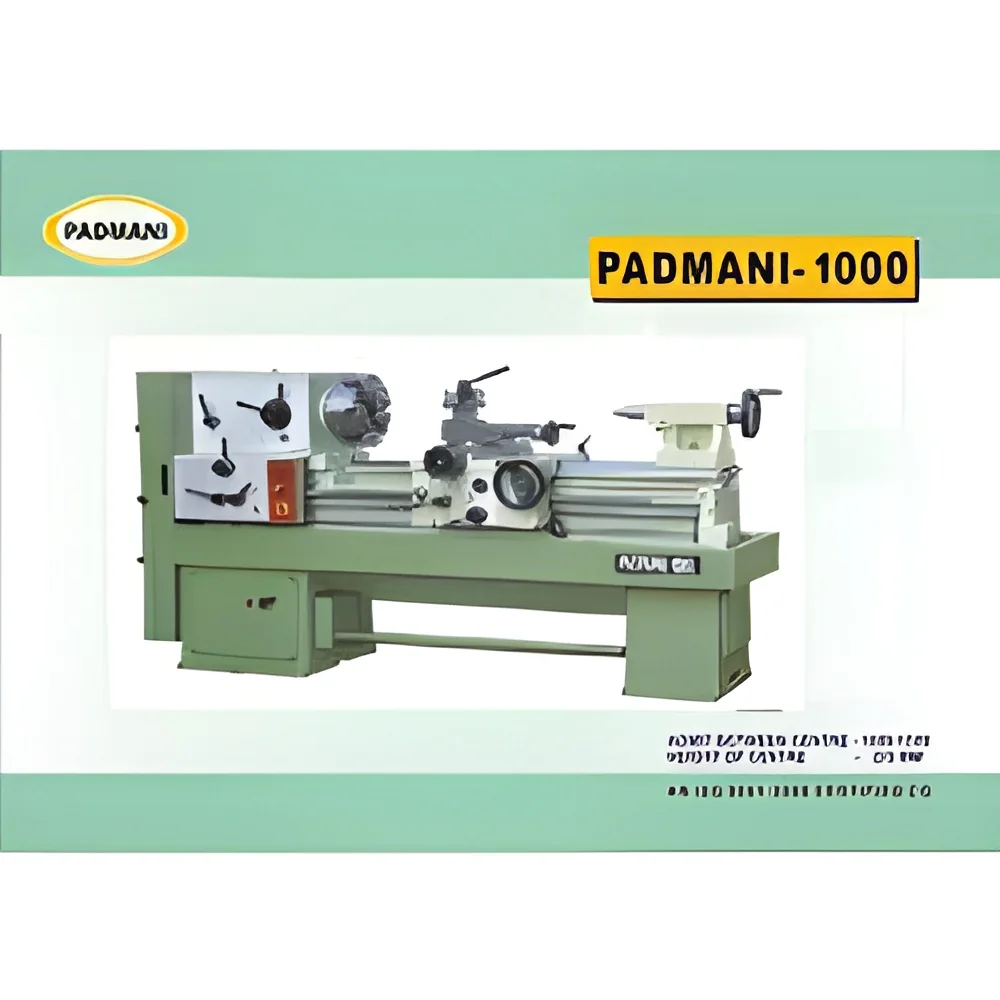
Mini lathe machines are compact, versatile tools designed for precision machining of various materials, primarily metal and plastic. These machines allow users to perform a wide range of operations, including turning, shaping, and drilling with high accuracy. The compact size makes them suitable for workshops with limited space, providing a practical solution for hobbyists and small businesses alike.
The primary uses of mini lathe machines include creating prototypes, small-scale production, and intricate designs. They are essential for industries that require precision parts, such as automotive, aerospace, and manufacturing. With the growing trend of custom and small batch production, mini lathes are increasingly relevant in today's market, allowing businesses to respond quickly to unique customer demands.
𝗞𝗲𝘆 𝗙𝗲𝗮𝘁𝘂𝗿𝗲𝘀 𝗮𝗻𝗱 𝗦𝗽𝗲𝗰𝗶𝗳𝗶𝗰𝗮𝘁𝗶𝗼𝗻𝘀
Mini lathe machines come equipped with a variety of features that enhance their functionality and precision. These specifications are vital for understanding machine capabilities and selecting the right unit for specific applications.
Key specifications include:
1. Swing Over Bed
- Refers to the maximum diameter of the workpiece that can be rotated on the lathe.
- Typical range is between 7 to 12 inches.
2. Distance Between Centers
- Indicates the maximum length of the workpiece that can be accommodated.
- Standard lengths range from 18 to 40 inches.
3. Spindle Speed
- Represents the rotational speed of the spindle, affecting the machining process.
- Common speeds vary from 100 to 3000 RPM.
4. Motor Power
- Denotes the horsepower of the motor driving the lathe.
- Usually ranges from 0.5 to 1.5 HP.
5. Tailstock Travel
- Measures the length the tailstock can move along the bed.
- Typically allows for 3 to 6 inches of travel.
6. Weight
- Indicates the overall weight of the machine, affecting stability during operation.
- Generally weighs between 50 to 150 pounds.
7. Bed Material
- Refers to the material used for the lathe bed, impacting durability and rigidity.
- Common materials include cast iron and steel.
8. Tool Post Type
- Determines the type of tool holder used for the cutting tools.
- Can be quick-change or fixed types.
In summary, understanding these key specifications enables buyers to select a mini lathe machine that aligns with their operational needs and workshop capabilities.
𝗖𝗼𝗺𝗺𝗼𝗻 𝗔𝗽𝗽𝗹𝗶𝗰𝗮𝘁𝗶𝗼𝗻𝘀 𝗮𝗻𝗱 𝗨𝘀𝗲 𝗖𝗮𝘀𝗲𝘀
Mini lathe machines serve a diverse range of industries and applications, proving their versatility and value.
1. Automotive Industry: Mini lathes are used for manufacturing small components like bushings, gears, and custom fittings essential for vehicle assembly.
2. Aerospace Sector: Precision parts for aircraft components, such as brackets and connectors, are often produced using mini lathes.
3. Jewelry Making: Artisans utilize mini lathes for crafting intricate designs and custom pieces, allowing for high levels of detail.
4. Electronics: These machines are employed to create small housings and custom connectors used in electronic devices and gadgets.
5. Medical Devices: Mini lathes are pivotal in producing precision parts for medical instruments and devices, which require strict adherence to quality standards.
6. Prototyping: Engineers frequently use mini lathes to create prototypes of new designs, enabling rapid iteration and testing.
7. Hobbyist Applications: Enthusiasts in model making and woodworking utilize mini lathes for crafting detailed models and custom parts.
𝗣𝗿𝗼𝗱𝘂𝗰𝘁 𝗩𝗮𝗿𝗶𝗮𝗻𝘁𝘀 𝗮𝗻𝗱 𝗦𝘂𝗯𝗰𝗮𝘁𝗲𝗴𝗼𝗿𝗶𝗲𝘀
Mini lathe machines come in various models that cater to different user requirements and preferences.
Variable Speed Mini Lathe
This variant features an adjustable speed control, allowing users to select the optimal speed for various materials and operations. It is ideal for projects requiring precision and flexibility.
Digital Readout Mini Lathe
Equipped with a digital display, this model provides precise measurements and easy monitoring of settings. It enhances accuracy and simplifies operation, particularly for inexperienced users.
Compact Mini Lathe
Designed for small workshops, this variant offers a space-saving solution without compromising on performance. It is suitable for light machining tasks and hobby projects.
Heavy-Duty Mini Lathe
This model is built to handle tougher materials and larger workpieces, making it suitable for industrial applications. It typically features a more powerful motor and enhanced stability.
𝗕𝗲𝗻𝗲𝗳𝗶𝘁𝘀 𝗮𝗻𝗱 𝗔𝗱𝘃𝗮𝗻𝘁𝗮𝗴𝗲𝘀
Investing in mini lathe machines offers several advantages that can significantly enhance workshop productivity.
1. Space Efficiency: Mini lathes are compact and can fit in smaller workshops, making them ideal for limited spaces.
2. Versatility: These machines can perform a wide range of machining processes, accommodating various materials and applications.
3. Cost-Effectiveness: Mini lathe machines generally have a lower purchase price compared to larger lathes, making them accessible for small businesses and hobbyists.
4. Precision Machining: With high accuracy, mini lathes enable the production of intricate parts and components essential for quality assurance.
5. Ease of Use: Many models are designed with user-friendly controls, allowing even novice operators to achieve effective results.
6. Low Maintenance: Mini lathes often require less maintenance than larger machines, reducing operational downtime and costs.
𝗕𝘂𝘆𝗶𝗻𝗴 𝗚𝘂𝗶𝗱𝗲 𝗳𝗼𝗿 𝗕𝟮𝗕 𝗕𝘂𝘆𝗲𝗿𝘀
When sourcing mini lathe machines for workshops, several key factors should be considered to ensure a successful purchase.
1. Quality Assessment: Evaluate the build quality and materials used in the machine. Look for reputable brands with a history of producing reliable equipment.
2. Supplier Verification: Conduct background checks on suppliers to ensure they have a good track record and are capable of meeting your needs.
3. Pricing and MOQ: Understand the pricing structure and minimum order quantities (MOQ) required by suppliers. This helps in budgeting and planning your purchases effectively.
4. Delivery and Lead Times: Discuss logistics and ensure that suppliers can meet your delivery timelines. This is crucial for maintaining workflow and project schedules.
5. Compliance Requirements: Ensure that the machines meet industry standards and certifications relevant to your business. Compliance with safety regulations is particularly important.
𝗖𝗼𝗺𝗽𝗹𝗶𝗮𝗻𝗰𝗲 𝗮𝗻𝗱 𝗖𝗲𝗿𝘁𝗶𝗳𝗶𝗰𝗮𝘁𝗶𝗼𝗻𝘀
Mini lathe machines must adhere to various quality standards and certifications to ensure safety and performance.
ISO 9001 is a widely recognized standard that focuses on quality management systems. Compliance with this standard indicates that the manufacturer follows stringent quality control measures throughout their production processes.
Additionally, many mini lathe machines carry the CE certification, which signifies compliance with European health, safety, and environmental protection standards. This certification is crucial for machines intended for use in European markets.
Safety and testing requirements vary by region, but manufacturers typically conduct rigorous testing to meet these standards. It is essential for buyers to confirm that the machines they purchase comply with relevant regulations in their specific regions.
𝗪𝗵𝘆 𝗦𝗼𝘂𝗿𝗰𝗲 𝗠𝗶𝗻𝗶 𝗟𝗮𝘁𝗵𝗲 𝗠𝗮𝗰𝗵𝗶𝗻𝗲𝘀 𝗳𝗼𝗿 𝗪𝗼𝗿𝗸𝘀𝗵𝗼𝗽𝘀 𝗳𝗿𝗼𝗺 𝗣𝗲𝗽𝗮𝗴𝗼𝗿𝗮?
Pepagora offers a reliable platform for sourcing mini lathe machines for workshops, providing numerous advantages for buyers.
Verified Supplier Network: Pepagora ensures that all suppliers are thoroughly vetted, providing buyers with confidence in the quality and reliability of the products they are purchasing.
Streamlined RFQ Process: The platform facilitates a straightforward request for quotation (RFQ) process, allowing buyers to easily compare offers and select the best options for their needs.
Trade Assurance and Support: Pepagora offers buyer protection through trade assurance services, ensuring that transactions are secure and that buyers receive the expected quality of products.
Regional Coverage: With a strong presence in India, the GCC, and Southeast Asia, Pepagora connects buyers with suppliers across these regions, making it easier to source mini lathe machines tailored to local market demands.

 IN
IN