What are Copying Lathes?
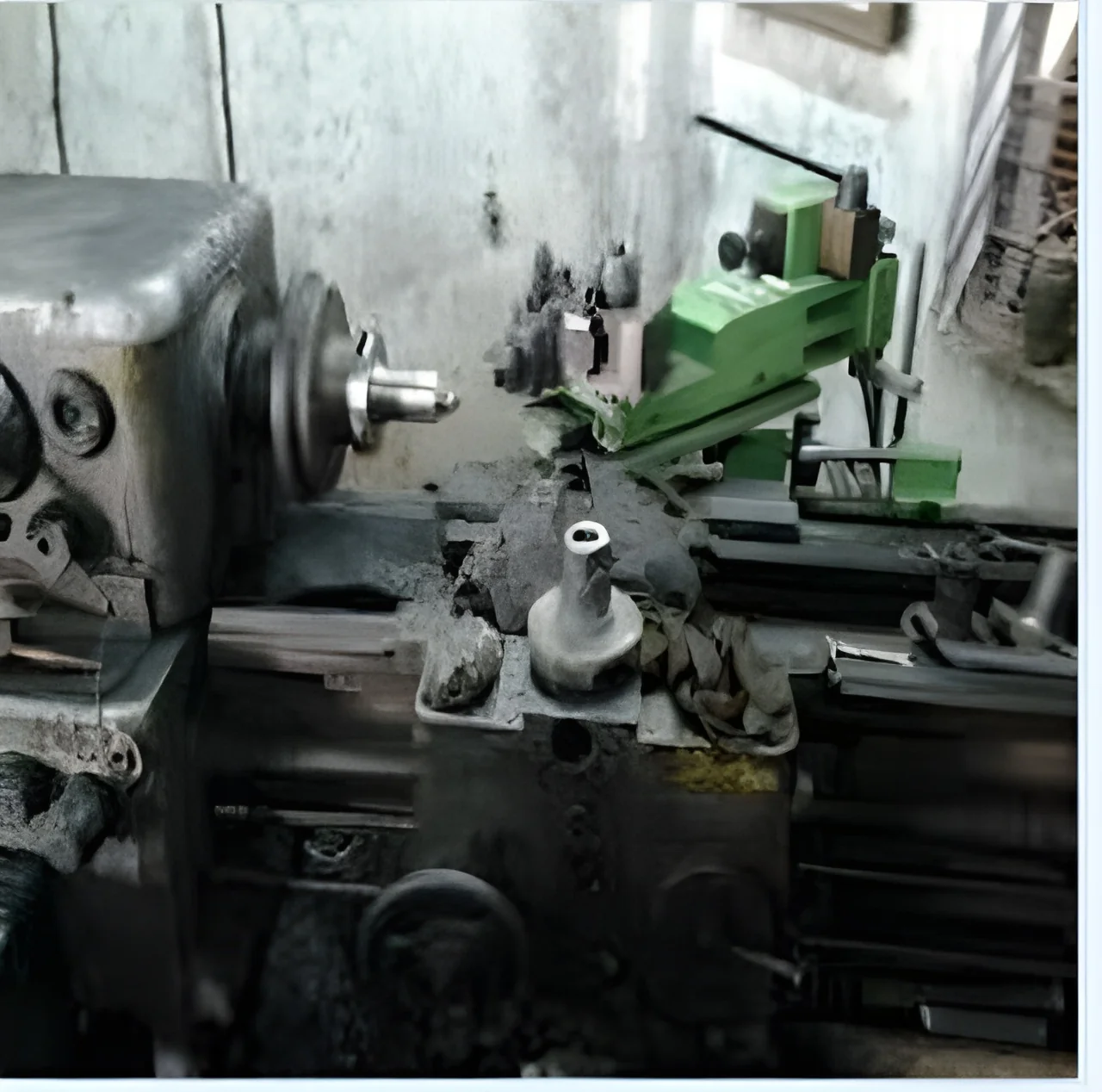
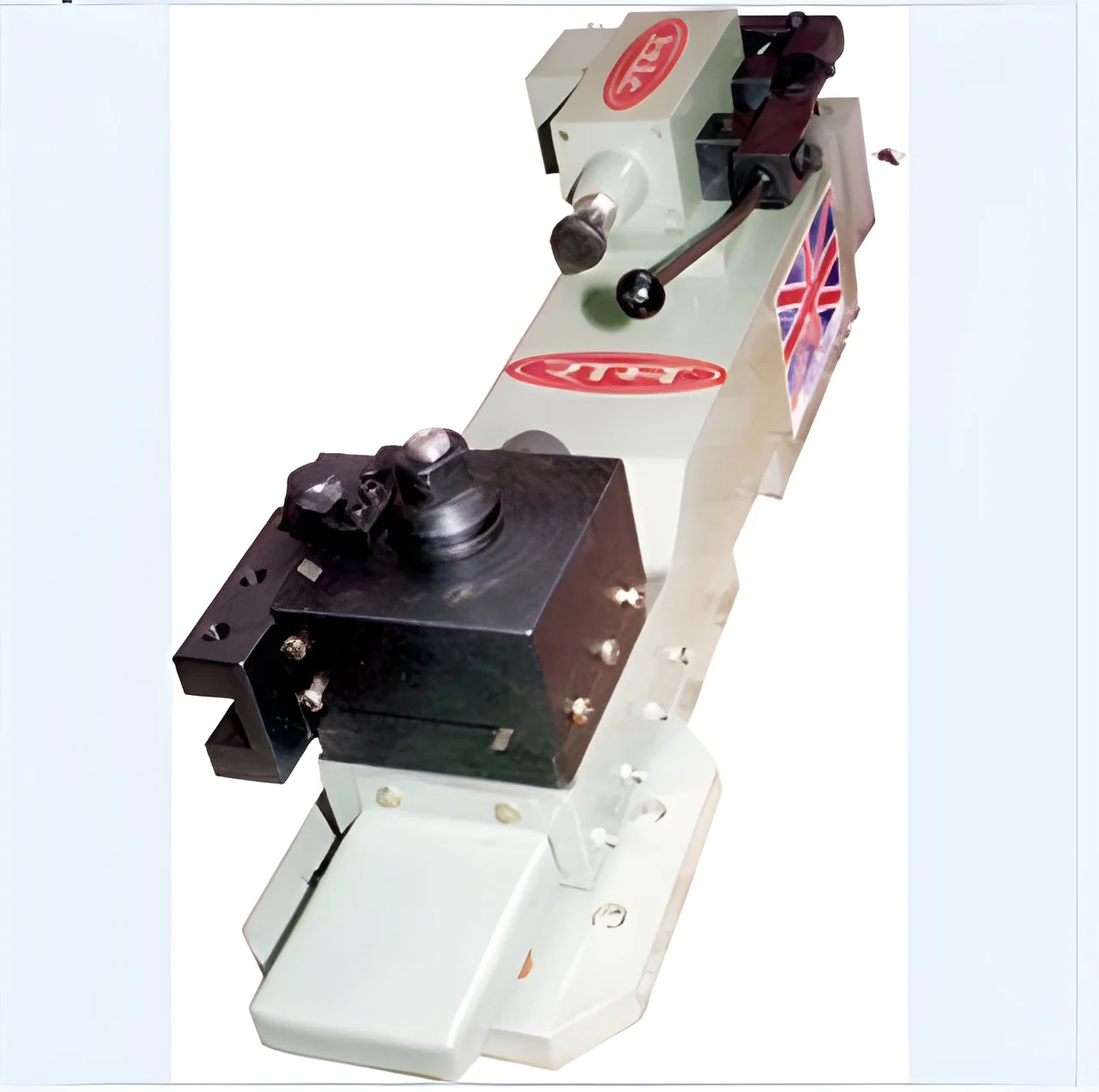
Copying lathes are specialized machines used in the manufacturing and woodworking industries. They are designed to produce duplicate parts by tracing the contours of a master template. The key mechanism involves a cutting tool that follows the profile of the template, allowing for the creation of identical components with precision and efficiency. Copying lathes can be used for various materials, including wood, metal, and plastics, depending on the design and capabilities of the machine.
These machines are primarily used in industries where mass production of similar parts is essential. Common applications include furniture manufacturing, automotive parts production, and the creation of intricate components in the aerospace sector. The relevance of copying lathes continues to grow as businesses seek to enhance production speed and accuracy while minimizing waste. As a result, they play a significant role in the overall manufacturing process, contributing to improved operational efficiency and cost-effectiveness.
Key Features and Specifications
Copying lathes come with a variety of features designed to enhance their functionality and performance. Understanding these specifications is crucial for businesses looking to invest in this machinery.
Key specifications include:
1. Motor Power
- Typically ranges between 1 to 10 horsepower.
- Determines the cutting capability and efficiency of the lathe.
2. Spindle Speed
- Commonly varies from 200 to 3000 RPM.
- Affects the finishing quality and material compatibility.
3. Maximum Workpiece Diameter
- Can handle diameters up to 12 inches or more.
- Determines the size of the components that can be produced.
4. Length of Workpiece
- Standard lengths may range from 24 to 60 inches.
- Affects the types of projects that can be completed.
5. Control System
- Options include manual or CNC (computer numerical control).
- CNC systems offer enhanced precision and automation.
6. Weight
- Typically between 500 to 2000 pounds.
- Heavier models provide stability during operation.
7. Material Compatibility
- Suitable for wood, metal, and plastics.
- Versatility in application across different industries.
8. Safety Features
- Includes emergency stop buttons and guards.
- Essential for operator safety during operation.
In summary, the specifications of copying lathes can vary significantly based on the model and manufacturer. Businesses should assess their specific needs to choose the right machine.
Common Applications and Use Cases
Copying lathes serve a wide variety of industries, each benefiting from the precision and efficiency these machines offer.
1. Furniture Manufacturing: Copying lathes are used to create identical components for chairs, tables, and cabinetry, ensuring uniformity in design.
2. Automotive Industry: These lathes are essential for producing engine components, brackets, and other parts that require high levels of accuracy and replication.
3. Aerospace Sector: Copying lathes are utilized to manufacture intricate components for aircraft, where precision and weight reduction are critical.
4. Musical Instrument Production: Craftsmen use copying lathes to shape wood for instruments like guitars and violins, maintaining consistency in sound quality.
5. Medical Equipment: In the production of medical devices, copying lathes help create precise parts that ensure reliability and safety.
6. Decorative Items: Manufacturers use these lathes to produce decorative wood pieces and ornamental items, enhancing the aesthetic appeal of products.
7. Prototyping: Copying lathes are often employed to create prototypes for new designs, allowing for quick adjustments and iterations.
Product Variants and Subcategories
Copying lathes come in various designs and configurations to suit different manufacturing needs. This diversity allows businesses to select the best option for their specific applications.
CNC Copying Lathes: These advanced machines utilize computer numerical control for enhanced precision and automation. They are ideal for high-volume production where accuracy is paramount.
Manual Copying Lathes: Manual variants require operator intervention for adjustments and settings. They are often more cost-effective and suitable for smaller operations or custom jobs.
Vertical Copying Lathes: These machines are designed for vertical operations, often used for larger workpieces or specific applications in the woodworking industry.
Horizontal Copying Lathes: Common in metalworking, these lathes operate horizontally and are ideal for various industrial applications.
Benefits and Advantages
Investing in copying lathes offers several key benefits for businesses looking to enhance their manufacturing capabilities.
1. Increased Efficiency: Copying lathes significantly reduce production time by automating the replication of parts, allowing for higher output rates.
2. Consistency and Precision: These machines ensure that each part produced is identical, minimizing variations and improving overall quality.
3. Versatility: Copying lathes can work with various materials, making them suitable for diverse applications across multiple industries.
4. Cost-Effectiveness: By streamlining the manufacturing process, copying lathes help reduce labor costs and material waste.
5. Customization Options: Many copying lathes can be tailored to specific requirements, allowing businesses to adapt to changing demands.
6. Enhanced Safety Features: Modern copying lathes come equipped with safety measures to protect operators, reducing the risk of accidents in the workplace.
Buying Guide for B2B Buyers
When sourcing copying lathes, businesses should consider several important factors to ensure they make an informed choice.
1. Quality Assessment: Evaluate the build quality and durability of the lathe. Look for machines made from high-grade materials that can withstand rigorous use.
2. Supplier Verification: Vet potential suppliers by checking their reputation, customer reviews, and history in the industry. A reliable supplier can provide ongoing support and service.
3. Pricing and MOQ: Compare prices across different suppliers while considering the minimum order quantity. Ensure that the pricing aligns with your budget without compromising quality.
4. Delivery and Lead Times: Discuss logistics and lead times with suppliers to ensure timely delivery of the machinery to meet your production schedules.
5. Compliance Requirements: Confirm that the copying lathe meets relevant industry standards and regulations, including safety and operational compliance.
Compliance and Certifications
Compliance with quality standards is crucial for copying lathes to ensure reliability and safety in their operation. Key standards include ISO 9001, which focuses on quality management systems, and CE certification, indicating conformity with European safety standards.
Manufacturers should also adhere to specific safety and testing requirements to ensure that their machines operate safely and effectively. This includes conducting thorough testing to validate performance and reliability under various conditions.
Regional compliance considerations may vary, so businesses must ensure that any copying lathes sourced meet the regulatory requirements of their operating regions, including import regulations and industry-specific standards.
Why Source Copying Lathes from Pepagora?
Pepagora offers a trusted platform for sourcing copying lathes, providing several key advantages for B2B buyers.
Verified Supplier Network: Pepagora maintains a rigorous vetting process for suppliers, ensuring that buyers have access to high-quality and reliable manufacturers. This network helps mitigate risks associated with sourcing.
Streamlined RFQ Process: The platform facilitates a simplified request for quotation (RFQ) process, allowing businesses to receive competitive pricing and better negotiate terms with suppliers.
Trade Assurance and Support: Buyers benefit from trade assurance programs that protect their investments. Pepagora provides support throughout the purchasing process, ensuring a secure transaction.
Regional Coverage: With a presence in India, the GCC, and Southeast Asia, Pepagora effectively connects buyers with suppliers in these regions, expanding access to a broad market and diverse product offerings.

 IN
IN