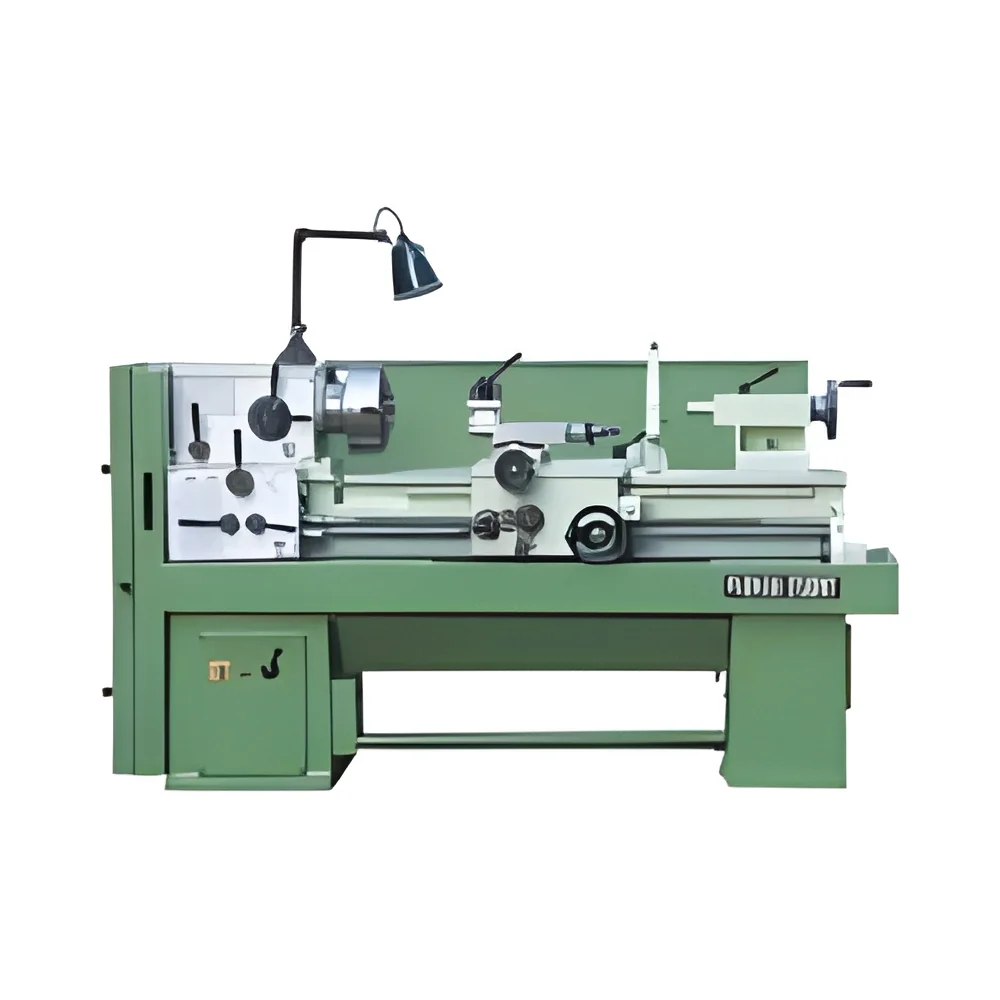
𝗪𝗵𝗮𝘁 𝗮𝗿𝗲 𝗧𝗼𝗼𝗹𝗿𝗼𝗼𝗺 𝗟𝗮𝘁𝗵𝗲𝘀?
Toolroom lathes are precision machines designed for turning, shaping, and finishing various materials, primarily metals. They are characterized by their ability to perform intricate operations with high accuracy and repeatability. Toolroom lathes are typically smaller than production lathes, making them suitable for small-scale manufacturing and repair tasks. They are essential in workshops where precision engineering is crucial.
These machines are widely used in the manufacturing sector for producing custom parts, prototypes, and tools. Their versatility allows operators to perform a range of tasks, including threading, turning, drilling, and boring. Toolroom lathes play a significant role in industries such as aerospace, automotive, and medical device manufacturing, where high-quality components are necessary.
In the current market, the demand for toolroom lathes is strong, driven by the rise in precision engineering and the need for customized solutions. As businesses seek to improve efficiency and quality in their manufacturing processes, toolroom lathes stand out as a vital investment for companies focused on maintaining competitive advantages in their sectors.
𝗞𝗲𝘆 𝗙𝗲𝗮𝘁𝘂𝗿𝗲𝘀 𝗮𝗻𝗱 𝗦𝗽𝗲𝗰𝗶𝗳𝗶𝗰𝗮𝘁𝗶𝗼𝗻𝘀
Toolroom lathes come equipped with various features that cater to the needs of precision machining. These machines are designed for flexibility and accuracy, making them reliable tools in any workshop. Key specifications include:
1. Swing Over Bed
- This specification defines the maximum diameter of the workpiece that can be accommodated.
- Typically ranges from 12 inches to 20 inches.
2. Distance Between Centers
- This indicates the maximum length of the workpiece that can be machined.
- Common lengths range from 24 inches to 40 inches.
3. Spindle Speed
- The spindle speed determines how fast the lathe can rotate the workpiece.
- Usually varies from 40 RPM to 2500 RPM.
4. Tailstock Quill Travel
- This specification measures the distance the tailstock can move to support longer workpieces.
- Generally ranges from 4 inches to 8 inches.
5. Feed Rates
- This refers to the rate at which the cutting tool moves through the material.
- Common feed rates can vary from 0.001 inches to 0.1 inches per revolution.
6. Motor Power
- The motor power affects the lathe’s performance and ability to handle tougher materials.
- Power ratings typically range from 1 HP to 5 HP.
7. Control Type
- Toolroom lathes can have either manual or CNC (Computer Numerical Control) systems.
- CNC models offer enhanced precision and automation.
8. Bed Construction
- The bed is the foundational part of the lathe, impacting its stability and durability.
- Usually made from cast iron for better vibration dampening.
In summary, toolroom lathes are equipped with essential specifications that facilitate precision machining. Their adaptability and advanced features make them indispensable in various manufacturing environments.
𝗖𝗼𝗺𝗺𝗼𝗻 𝗔𝗽𝗽𝗹𝗶𝗰𝗮𝘁𝗶𝗼𝗻𝘀 𝗮𝗻𝗱 𝗨𝘀𝗲 𝗖𝗮𝘀𝗲𝘀
Toolroom lathes find applications across numerous industries due to their versatility and precision capabilities.
1. Aerospace: In the aerospace industry, toolroom lathes are utilized for manufacturing components such as brackets, fittings, and specialized tools that require high accuracy.
2. Automotive: Toolroom lathes are essential for creating custom parts, prototypes, and tooling for assembly lines in automotive manufacturing. They help in producing items like shafts, gears, and mounts.
3. Medical Devices: The medical device industry relies on toolroom lathes for the production of intricate components like surgical instruments and implants, where precision is critical for safety and effectiveness.
4. Defense: Toolroom lathes are used for machining parts for military equipment, ensuring that components meet stringent specifications and tolerances.
5. Electronics: In electronics manufacturing, these lathes are often used to create housings and supports for various devices, where precision and material versatility are essential.
6. Furniture: Toolroom lathes can also be used in the furniture industry to create decorative elements and custom designs, showcasing craftsmanship and attention to detail.
7. Energy: Toolroom lathes support the energy sector by manufacturing components for turbines, generators, and other machinery that require precise engineering.
𝗣𝗿𝗼𝗱𝘂𝗰𝘁 𝗩𝗮𝗿𝗶𝗮𝗻𝘁𝘀 𝗮𝗻𝗱 𝗦𝘂𝗯𝗰𝗮𝘁𝗲𝗴𝗼𝗿𝗶𝗲𝘀
Toolroom lathes come in various configurations to meet specific machining needs. This diversity allows businesses to choose a model that aligns with their operational requirements.
Manual Toolroom Lathes
These lathes are operated by hand and are ideal for workshops focusing on craftsmanship and custom work. They offer operators complete control over the machining process.
CNC Toolroom Lathes
CNC models provide automation and precision, allowing for complex shapes and designs to be machined efficiently. They are suitable for high-volume production where accuracy is paramount.
Benchtop Toolroom Lathes
These compact lathes are perfect for small workshops or educational institutions. They offer a smaller footprint while maintaining the precision needed for detailed work.
𝗕𝗲𝗻𝗲𝗳𝗶𝘁𝘀 𝗮𝗻𝗱 𝗔𝗱𝘃𝗮𝗻𝘁𝗮𝗴𝗲𝘀
Investing in toolroom lathes offers several advantages that enhance manufacturing capabilities.
1. Precision Machining: Toolroom lathes enable the production of highly accurate components, reducing the need for rework and improving overall quality.
2. Versatility: These machines can handle a wide range of materials and tasks, making them suitable for various applications across different industries.
3. Customization: Toolroom lathes allow for the creation of custom parts tailored to specific project requirements, supporting innovation and design flexibility.
4. Efficiency: The ability to automate processes with CNC models improves productivity and reduces machining time, leading to cost savings.
5. Durability: Built with robust materials, toolroom lathes are designed to withstand heavy use, ensuring long-term reliability.
6. Skill Development: Operating toolroom lathes can enhance the skills of machinists, contributing to workforce development and expertise in precision engineering.
𝗕𝘂𝘆𝗶𝗻𝗴 𝗚𝘂𝗶𝗱𝗲 𝗳𝗼𝗿 𝗕𝟮𝗕 𝗕𝘂𝘆𝗲𝗿𝘀
When considering a purchase of toolroom lathes, it is essential to evaluate several key factors to ensure the best investment.
1. Quality Assessment: Look for lathes that meet industry standards for precision and durability. Check for reviews and testimonials from other users to gauge performance.
2. Supplier Verification: Vet suppliers to ensure they have a reputation for reliability and quality. Request references and check their experience in providing toolroom lathes.
3. Pricing and MOQ: Understand the pricing structure, including any minimum order quantities. Compare prices among different suppliers to find the best deal without compromising quality.
4. Delivery and Lead Times: Inquire about shipping options and lead times. Timely delivery is crucial to maintaining production schedules.
5. Compliance Requirements: Ensure that the lathes meet relevant industry certifications and safety standards. Compliance is essential for operational integrity and legal adherence.
𝗖𝗼𝗺𝗽𝗹𝗶𝗮𝗻𝗰𝗲 𝗮𝗻𝗱 𝗖𝗲𝗿𝘁𝗶𝗳𝗶𝗰𝗮𝘁𝗶𝗼𝗻𝘀
Toolroom lathes must adhere to various quality standards to ensure reliability and safety in manufacturing processes. One of the most recognized standards is ISO 9001, which sets requirements for a quality management system, ensuring that manufacturers consistently provide products that meet customer and regulatory demands.
Industry certifications such as CE mark compliance indicate that the equipment meets European safety, health, and environmental protection standards. This certification is critical for suppliers aiming to sell machinery in European markets.
Safety and testing requirements are also essential considerations. Manufacturers must conduct thorough testing to guarantee that the lathes operate safely and efficiently under various conditions. Regular maintenance and adherence to safety protocols are vital to prevent accidents and ensure operator safety.
Regional compliance considerations are important as regulations may vary by country. Buyers should confirm that their chosen toolroom lathes comply with local laws and standards to avoid legal complications.
𝗪𝗵𝘆 𝗦𝗼𝘂𝗿𝗰𝗲 𝗧𝗼𝗼𝗹𝗿𝗼𝗼𝗺 𝗟𝗮𝘁𝗵𝗲𝘀 𝗳𝗿𝗼𝗺 𝗣𝗲𝗽𝗮𝗴𝗼𝗿𝗮?
Pepagora is a trusted platform for sourcing toolroom lathes, offering several advantages that benefit B2B buyers.
Verified Supplier Network: Pepagora connects buyers with a network of verified suppliers, ensuring that all listings meet quality standards and reliability. This network helps buyers find reputable manufacturers and distributors efficiently.
Streamlined RFQ Process: The Request for Quotation (RFQ) process at Pepagora is designed to be straightforward and efficient. Buyers can submit their requirements and receive competitive quotes from multiple suppliers, making it easier to compare options.
Trade Assurance and Support: Pepagora provides trade assurance and support services that protect buyers during the purchasing process. This includes assistance with transactions and dispute resolution to ensure a smooth experience.
Regional Coverage: With a wide geographic reach covering India, the Gulf Cooperation Council (GCC), and Southeast Asia, Pepagora offers buyers access to a diverse range of suppliers and products. This regional presence facilitates easier logistics and better communication, enhancing the overall sourcing experience.

 IN
IN