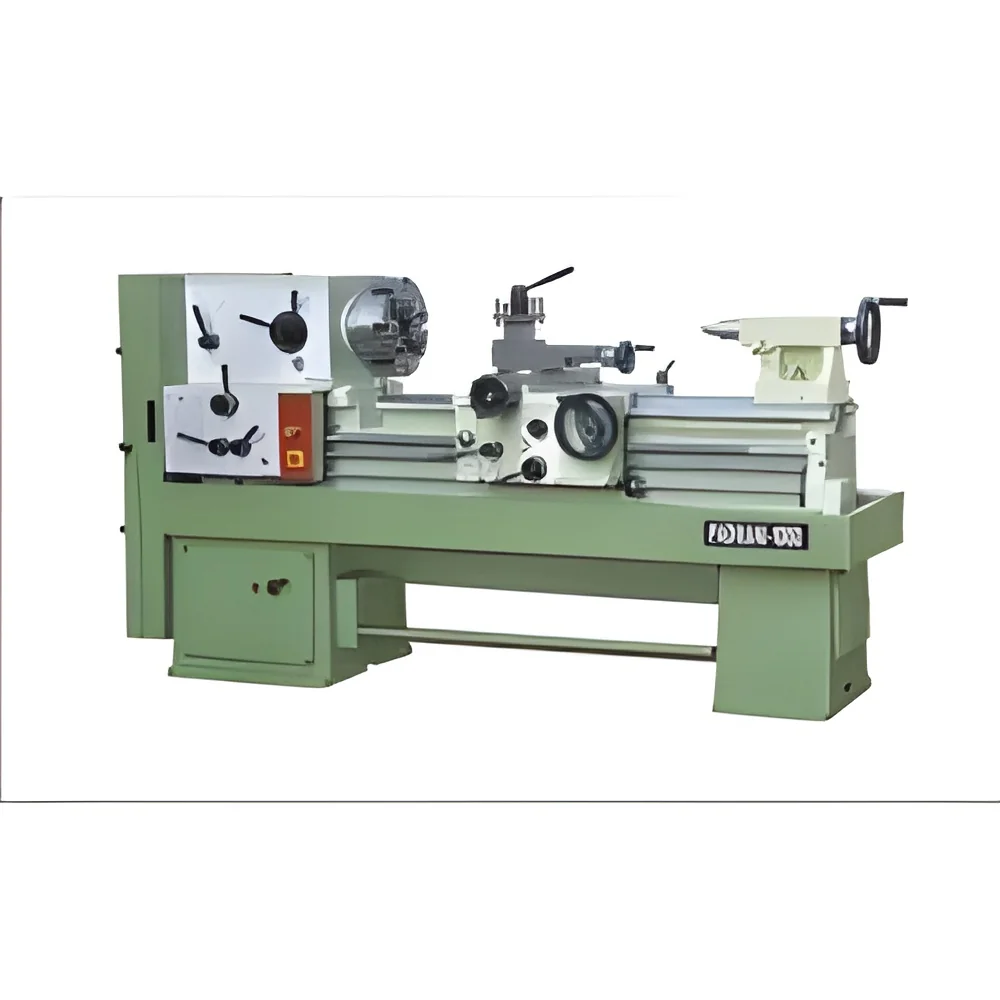
𝗪𝗵𝗮𝘁 𝗮𝗿𝗲 𝗚𝗮𝗽 𝗕𝗲𝗱 𝗟𝗮𝘁𝗵𝗲𝘀?
Gap bed lathes are a specialized type of lathe machine designed to accommodate larger workpieces that cannot fit into standard lathes. The defining feature of gap bed lathes is the removable section of the bed, which allows for an expanded working area. This capability makes them particularly versatile for turning, drilling, and milling operations. The adjustable bed height also enhances the machine's adaptability to various workpiece sizes.
These machines are primarily used in manufacturing and engineering sectors where precision and flexibility are crucial. Gap bed lathes are ideal for small to medium-sized workshops that require the ability to work with a diverse range of materials and part sizes. This includes applications in automotive, aerospace, and general machining industries. The importance of gap bed lathes stems from their ability to handle complex tasks while maintaining high levels of accuracy, making them a valuable asset in competitive manufacturing environments.
𝗞𝗲𝘆 𝗙𝗲𝗮𝘁𝘂𝗿𝗲𝘀 𝗮𝗻𝗱 𝗦𝗽𝗲𝗰𝗶𝗳𝗶𝗰𝗮𝘁𝗶𝗼𝗻𝘀
Gap bed lathes come equipped with several features that enhance their functionality and efficiency. Understanding these features is essential for businesses looking to invest in this machinery.
Key specifications include:
1. Swing Over Bed
- This specification indicates the maximum diameter of the workpiece that can be turned on the lathe.
- Typical ranges are from 300 mm to 600 mm.
2. Distance Between Centers
- This defines the longest workpiece that can be accommodated by the lathe.
- Standard distances can be from 750 mm to 1500 mm.
3. Spindle Speed
- Refers to the speed at which the spindle rotates, affecting the machining speed.
- Common speeds range from 50 RPM to 2000 RPM.
4. Motor Power
- Indicates the power of the machine's motor, affecting its cutting capacity.
- Power ratings typically range from 1 HP to 5 HP.
5. Feed Rate
- This determines how quickly the cutting tool moves across the workpiece.
- Standard feed rates can vary from 0.1 mm/rev to 1 mm/rev.
6. Tailstock Travel
- This specification shows the length of travel of the tailstock, allowing for additional support of longer workpieces.
- Typical travel lengths can be between 100 mm to 200 mm.
7. Weight
- Indicates the overall weight of the lathe, which can affect stability during operation.
- Weights can range from 300 kg to 1000 kg.
8. Control Type
- Refers to the method of operation, which can be manual or CNC (computer numerical control).
- Many models now offer CNC capabilities for enhanced precision.
In summary, understanding these specifications helps manufacturers choose the right gap bed lathe for their specific needs, ensuring efficient and accurate machining processes.
𝗖𝗼𝗺𝗺𝗼𝗻 𝗔𝗽𝗽𝗹𝗶𝗰𝗮𝘁𝗶𝗼𝗻𝘀 𝗮𝗻𝗱 𝗨𝘀𝗲 𝗖𝗮𝘀𝗲𝘀
Gap bed lathes are utilized across various industries due to their versatility and capability to handle larger workpieces.
1. Automotive: In the automotive industry, gap bed lathes are used for machining engine components, shafts, and other parts that require precision. Their ability to accommodate different sizes makes them suitable for both prototypes and production runs.
2. Aerospace: Aerospace manufacturers use gap bed lathes for the fabrication of intricate components such as turbine parts and structural elements. The high precision required in this sector aligns well with the capabilities of gap bed lathes.
3. General Manufacturing: Many manufacturing setups utilize gap bed lathes for creating custom parts and tools. Their adaptability allows for quick changes in setup, making them ideal for job shops.
4. Oil and Gas: In the oil and gas sector, gap bed lathes are employed to machine large valve bodies and fittings that require rigorous quality standards and durability.
5. Medical Device Manufacturing: These lathes can be used to produce parts for medical devices, where precision and quality control are critical.
6. Marine Engineering: In marine applications, gap bed lathes are used to manufacture components for ships and offshore platforms, often dealing with large and heavy materials.
7. Construction Equipment: The construction industry uses gap bed lathes for fabricating parts for heavy machinery, ensuring robust and durable components.
𝗣𝗿𝗼𝗱𝘂𝗰𝘁 𝗩𝗮𝗿𝗶𝗮𝗻𝘁𝘀 𝗮𝗻𝗱 𝗦𝘂𝗯𝗰𝗮𝘁𝗲𝗴𝗼𝗿𝗶𝗲𝘀
Gap bed lathes offer various models to cater to different manufacturing needs. This diversity ensures that businesses can find a suitable machine for their specific applications.
Standard Gap Bed Lathes: These models are designed for general machining tasks. They offer a balance between size and capability, making them popular among small to medium-sized workshops.
Heavy-Duty Gap Bed Lathes: These are built for more demanding applications, capable of handling larger workpieces and heavier cuts. They often feature increased motor power and enhanced stability.
CNC Gap Bed Lathes: These lathes incorporate computer numerical control for precision machining. They are ideal for high-volume production where consistent quality is essential.
𝗕𝗲𝗻𝗲𝗳𝗶𝘁𝘀 𝗮𝗻𝗱 𝗔𝗱𝘃𝗮𝗻𝘁𝗮𝗴𝗲𝘀
Investing in gap bed lathes offers several advantages that can enhance manufacturing efficiency.
1. Versatility: Gap bed lathes can handle a wide range of workpiece sizes, making them suitable for various applications across different industries.
2. Efficiency: The ability to quickly change setups allows for faster production times, reducing lead times and improving overall workflow.
3. Precision: With advanced control options, gap bed lathes provide high levels of accuracy, essential for industries requiring tight tolerances.
4. Durability: Designed for heavy use, these machines are built to withstand rigorous operational demands, ensuring a long service life.
5. Cost-Effectiveness: By accommodating larger workpieces, gap bed lathes can reduce the need for multiple machines, saving on investment costs.
6. Enhanced Productivity: The combination of features allows for increased output, supporting manufacturers in meeting high production demands.
𝗕𝘂𝘆𝗶𝗻𝗴 𝗚𝘂𝗶𝗱𝗲 𝗳𝗼𝗿 𝗕𝟮𝗕 𝗕𝘂𝘆𝗲𝗿𝘀
When considering the purchase of gap bed lathes, several factors should be evaluated to ensure a wise investment.
1. Quality Assessment: Look for lathes that meet industry quality standards. Assess the machine's build quality, components, and overall design.
2. Supplier Verification: It's crucial to vet suppliers for reliability and reputation. Check reviews, certifications, and previous customer experiences.
3. Pricing and MOQ: Consider the pricing structure and minimum order quantities. Ensure that costs align with your budget and production needs.
4. Delivery and Lead Times: Evaluate the supplier's delivery schedules and lead times. Reliable logistics are essential for maintaining production schedules.
5. Compliance Requirements: Ensure that the machines meet all necessary regulatory and safety standards for your industry. This includes certifications like CE.
𝗖𝗼𝗺𝗽𝗹𝗶𝗮𝗻𝗰𝗲 𝗮𝗻𝗱 𝗖𝗲𝗿𝘁𝗶𝗳𝗶𝗰𝗮𝘁𝗶𝗼𝗻𝘀
Compliance and certification are critical aspects of gap bed lathes that ensure safety, quality, and reliability.
Many gap bed lathes meet international quality standards such as ISO 9001, which outlines effective quality management systems. This certification assures buyers that the products are manufactured under stringent quality controls, which is essential in maintaining consistent performance.
The CE marking is another important certification for gap bed lathes, indicating that they conform to European safety standards. This certification is vital for businesses operating in or exporting to European markets.
Additionally, manufacturers must consider safety and testing requirements relevant to their specific applications. Regular testing ensures that machines operate safely and effectively under various conditions.
Regional compliance considerations may also vary, so it is essential to verify that the chosen equipment adheres to local regulations.
𝗪𝗵𝘆 𝗦𝗼𝘂𝗿𝗰𝗲 𝗚𝗮𝗽 𝗕𝗲𝗱 𝗟𝗮𝘁𝗵𝗲𝘀 𝗳𝗿𝗼𝗺 𝗣𝗲𝗽𝗮𝗴𝗼𝗿𝗮?
Pepagora provides a trusted platform for sourcing gap bed lathes, offering several key advantages that enhance the buying experience.
Verified Supplier Network: Pepagora maintains a robust network of verified suppliers, ensuring that buyers can access high-quality machines from reputable manufacturers. This network reduces risks associated with sourcing equipment.
Streamlined RFQ Process: The platform features a streamlined request for quotation (RFQ) process, allowing buyers to easily compare options and receive timely responses from multiple suppliers. This simplifies the decision-making process.
Trade Assurance and Support: Pepagora offers trade assurance to protect buyers during transactions. This includes support services that help navigate any issues that may arise, ensuring a smooth purchasing experience.
Regional Coverage: With a strong presence in India, the GCC, and Southeast Asia, Pepagora connects buyers with local and regional suppliers, facilitating easier access to gap bed lathes. This geographic reach enhances the ability to find machines that meet specific operational needs.

 IN
IN