
 IN
Turret Lathes
1 products available
What are Turret Lathes?
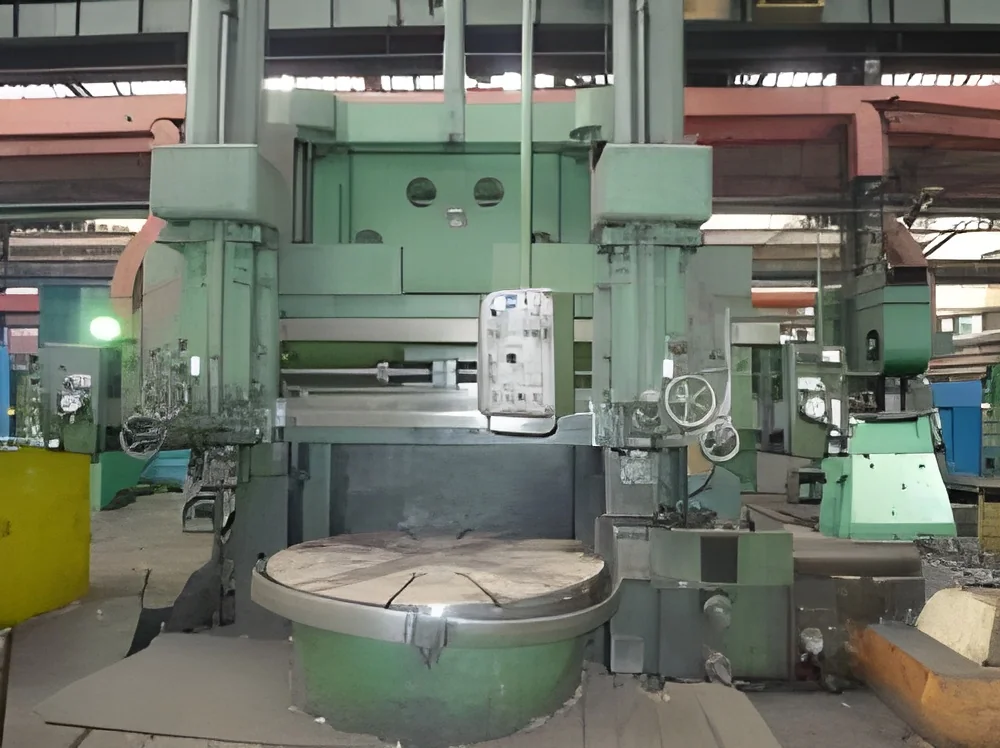
Turret lathes are a type of machine tool characterized by a rotating turret that holds multiple cutting tools. This setup allows for rapid tool changes, enabling efficient machining of various components. Unlike traditional lathes, turret lathes can perform multiple operations such as turning, drilling, and facing without requiring the operator to manually change tools frequently. This enhances productivity and precision in manufacturing processes.
These machines are primarily used in high-volume production environments where consistent quality and efficiency are essential. Industries such as automotive, aerospace, and general manufacturing frequently utilize turret lathes for creating complex parts with tight tolerances. Their ability to handle multiple machining operations makes them invaluable for businesses looking to optimize production workflows. As automation and precision engineering continue to evolve, turret lathes remain relevant in the market, adapting to meet the demands of modern manufacturing.
Key Features and Specifications
Turret lathes come with a range of features designed to enhance performance, productivity, and versatility in machining applications. Understanding these specifications is crucial for selecting the right turret lathe for your business needs.
Key specifications include:
1. Turret Type
- Fixed or indexing turret options
- Manual or automatic tool change capabilities
2. Maximum Swing Diameter
- The largest diameter of the workpiece that can be machined
- Typically ranges from 12 inches to 30 inches
3. Spindle Speed Range
- Speed at which the spindle rotates
- Common ranges from 50 RPM to 2000 RPM
4. Tool Capacity
- Number of tools that can be stored in the turret
- Ranges from 4 to 12 tools or more, depending on the model
5. Bed Length
- The length of the machine bed that supports the workpiece
- Typically ranges from 30 inches to 80 inches
6. Power Consumption
- The electrical power required to operate the machine
- Usually between 2 HP to 10 HP
7. Control System
- Type of control system used (manual, CNC, or hybrid)
- CNC systems often provide higher precision and automation
8. Weight
- Overall weight of the machine
- Ranges from 1000 lbs to over 5000 lbs based on size and features
In summary, turret lathes offer diverse specifications that cater to various machining needs, making them suitable for a range of industrial applications.
Common Applications and Use Cases
Turret lathes have diverse applications across various industries that require efficient machining solutions.
1. Automotive: They are used for producing engine components, transmission parts, and other high-precision elements in bulk quantities.
2. Aerospace: Turret lathes manufacture critical components like landing gear, brackets, and various fittings, where precision is paramount.
3. General Manufacturing: These machines support a wide range of products, including valves, fittings, and custom components tailored to client specifications.
4. Medical Device Manufacturing: They are ideal for creating precision parts such as surgical instruments and implants.
5. Electronics: Turret lathes are utilized for producing parts in electronic devices, ensuring high accuracy and repeatability.
6. Oil and Gas: Equipment components like pumps and valves are efficiently machined using turret lathes to meet stringent industry standards.
7. Defense: They manufacture military hardware parts that require high durability and precision.
Product Variants and Subcategories
Turret lathes come in various models to suit different machining needs and production volumes.
CNC Turret Lathes
These machines leverage computer numerical control technology to offer enhanced precision and automation. They are ideal for high-volume production runs, providing consistent quality and reduced manual intervention.
Manual Turret Lathes
Designed for operators who prefer hands-on control, these lathes allow for manual tool changes and adjustments. They are often used in smaller workshops or for custom machining tasks.
Multi-Station Turret Lathes
These variants provide multiple machining stations in a single setup, allowing for simultaneous operations. They are suitable for high-efficiency manufacturing environments.
Benefits and Advantages
Turret lathes offer numerous advantages that make them a preferred choice for many industries.
1. Increased Productivity: With the ability to change tools quickly, turret lathes minimize downtime, allowing for faster production cycles.
2. Versatility: They can handle a variety of machining operations, enabling manufacturers to produce different parts without needing multiple machines.
3. Consistent Quality: The precision of turret lathes ensures uniformity in the production process, leading to high-quality finished products.
4. Cost-Effectiveness: By streamlining operations and reducing manual labor, turret lathes can lead to cost savings in production.
5. Space Efficiency: Their compact design allows for efficient use of factory floor space, accommodating more machinery.
6. Enhanced Safety: Modern turret lathes come with safety features that reduce the risk of accidents during operation.
Buying Guide for B2B Buyers
When sourcing turret lathes, it is essential to consider several critical factors that influence your purchase decision.
1. Quality Assessment: Evaluate the build quality and durability of the turret lathe. Look for machines constructed from high-grade materials that can withstand heavy usage.
2. Supplier Verification: Vet potential suppliers for credibility and reliability. Check their reputation, experience, and customer feedback to ensure you are partnering with a trustworthy source.
3. Pricing and MOQ: Understand the pricing structure and minimum order quantities (MOQ) for turret lathes. Compare costs among suppliers to find the best deal without compromising quality.
4. Delivery and Lead Times: Discuss logistics with suppliers to determine delivery schedules. Ensure that they can meet your timelines to avoid production delays.
5. Compliance Requirements: Familiarize yourself with any industry-specific regulations and standards that the turret lathe must meet. Ensure the supplier provides equipment that adheres to these compliance needs.
Compliance and Certifications
Compliance and certification are crucial aspects of turret lathe procurement. Machines should adhere to relevant quality standards to ensure reliability and safety.
ISO 9001 is a widely recognized standard that relates to quality management systems, ensuring that manufacturers maintain consistent quality in their processes. Achieving this certification demonstrates a commitment to quality and customer satisfaction.
CE certification indicates that the machine meets European safety, health, and environmental protection standards. This certification is vital for machines sold within the European market.
Safety and testing requirements must also be observed, ensuring that turret lathes are designed to operate safely. This includes features like emergency shut-off systems and proper guards.
Regional compliance considerations may vary, so it’s essential for buyers to understand local regulations that may affect the use and operation of turret lathes in their specific industry.
Why Source Turret Lathes from Pepagora?
Pepagora offers a trusted platform for sourcing turret lathes, providing several key advantages for B2B buyers.
Verified Supplier Network: The platform connects buyers with a network of verified suppliers, ensuring that all vendors meet stringent quality and reliability standards. This reduces the risk of purchasing subpar equipment.
Streamlined RFQ Process: Pepagora's Request for Quotation (RFQ) system simplifies the procurement process. Buyers can easily submit their requirements and receive competitive quotes from multiple suppliers.
Trade Assurance and Support: With trade assurance policies in place, Pepagora offers buyer protection, giving clients peace of mind during their transactions. This support includes assistance in resolving any disputes that may arise.
Regional Coverage: Pepagora has a strong presence in key markets such as India, the Gulf Cooperation Council (GCC), and Southeast Asia. This geographic reach ensures that buyers can access a wide range of turret lathe options tailored to their specific needs and local conditions.

Frequently Asked Questions
What are Turret Lathes?
Turret lathes are a type of machine tool used for precision machining of various materials. They are characterized by a rotating turret that holds multiple cutting tools, allowing for efficient and versatile operations such as turning, drilling, and threading.
What are the different types of Turret Lathes?
The primary types of turret lathes include fixed-head lathes, where the headstock is stationary, and the turret can move, and the sliding-head lathes, which have both the turret and headstock capable of movement. Additionally, there are CNC turret lathes that incorporate computer numerical control for enhanced precision and automation.
How do I choose the right Turret Lathes?
Choosing the right turret lathe depends on several factors including the types of materials you will be machining, the complexity of the parts, and your production volume. Consider specifications such as spindle speed, tooling options, and automation features to ensure the lathe meets your manufacturing needs.
What are the standard specifications for Turret Lathes?
Standard specifications for turret lathes often include spindle speed ranges, maximum workpiece diameter, and bed length. Additionally, specifications may feature the number of tools the turret can accommodate, as well as various motor power ratings.
What is the price range for Turret Lathes?
The price range for turret lathes can vary significantly based on their features and capabilities. Generally, prices can start from around INR 1,00,000 and go up to several lakhs for more advanced models with CNC capabilities.
What quality standards apply to Turret Lathes?
Turret lathes must comply with various quality standards, including ISO and ASTM standards, which ensure reliable performance and safety. Manufacturers often adhere to these standards during the production process to guarantee the durability and precision of their lathes.
Where can I find Turret Lathes suppliers in India?
You can find turret lathes suppliers in India through B2B marketplaces like Pepagora.com, industrial trade shows, and local manufacturing associations. Researching online directories and supplier listings can also provide a comprehensive list of manufacturers and distributors.
Can Turret Lathes be customized?
Yes, turret lathes can often be customized based on specific manufacturing requirements. Customizations may include modifications to the turret design, additional tooling options, or enhanced automation features to suit particular production processes.
What is the typical minimum order quantity for Turret Lathes?
The typical minimum order quantity (MOQ) for turret lathes can vary among manufacturers. Generally, it can range from one unit for standard models to larger quantities for customized orders, depending on the supplier's policies.
What is the typical lead time for Turret Lathes?
The typical lead time for turret lathes varies depending on the model and level of customization. Standard models may have a lead time of 4 to 6 weeks, while customized orders can take longer, often ranging from 8 to 12 weeks.
Why Businesses Trust Pepagora
Thousands of companies trust Pepagora to source smarter and sell faster
Expand Your Sales Globally

Source Smarter,Grow Faster
