𝗪𝗵𝗮𝘁 𝗮𝗿𝗲 𝗟𝗮𝘁𝗵𝗲 𝗠𝗮𝗰𝗵𝗶𝗻𝗲𝘀?
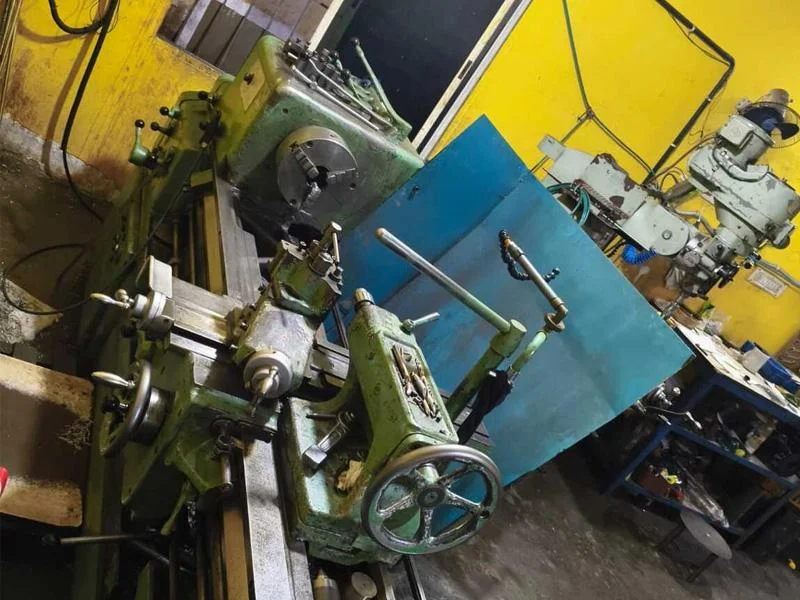
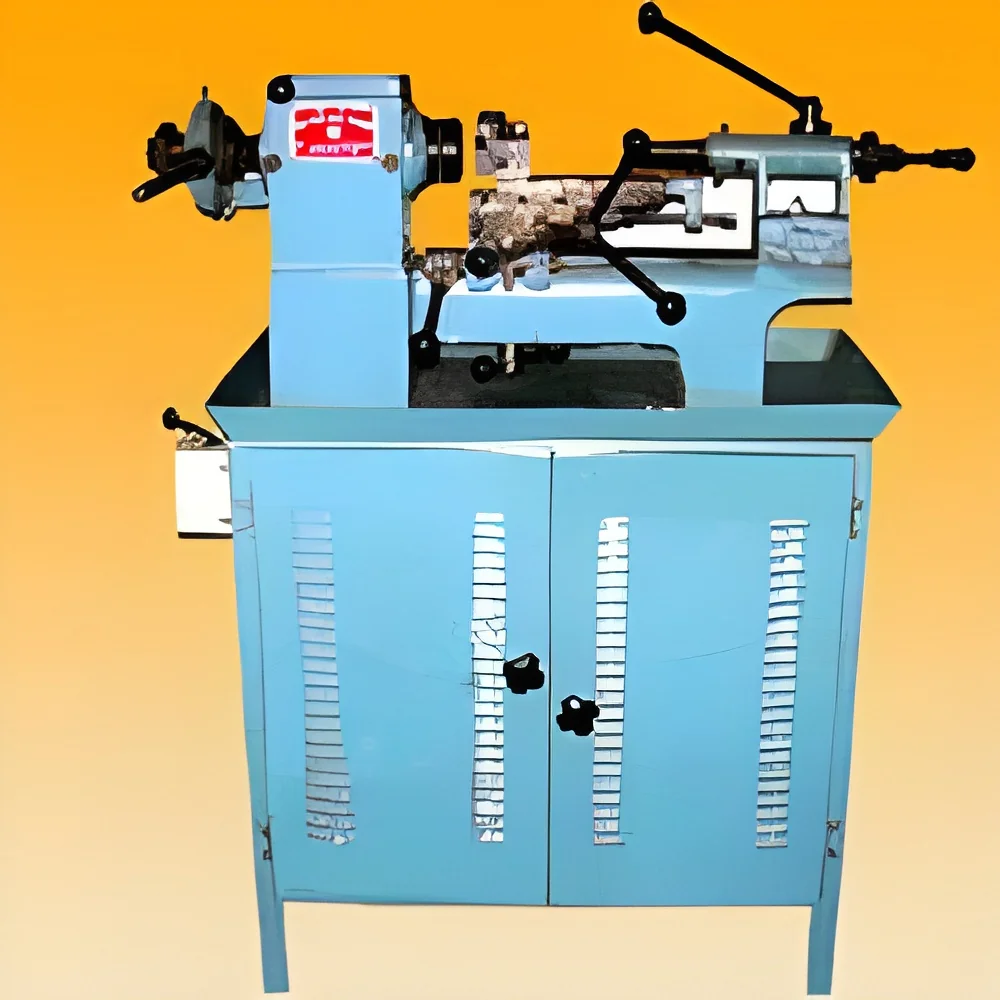
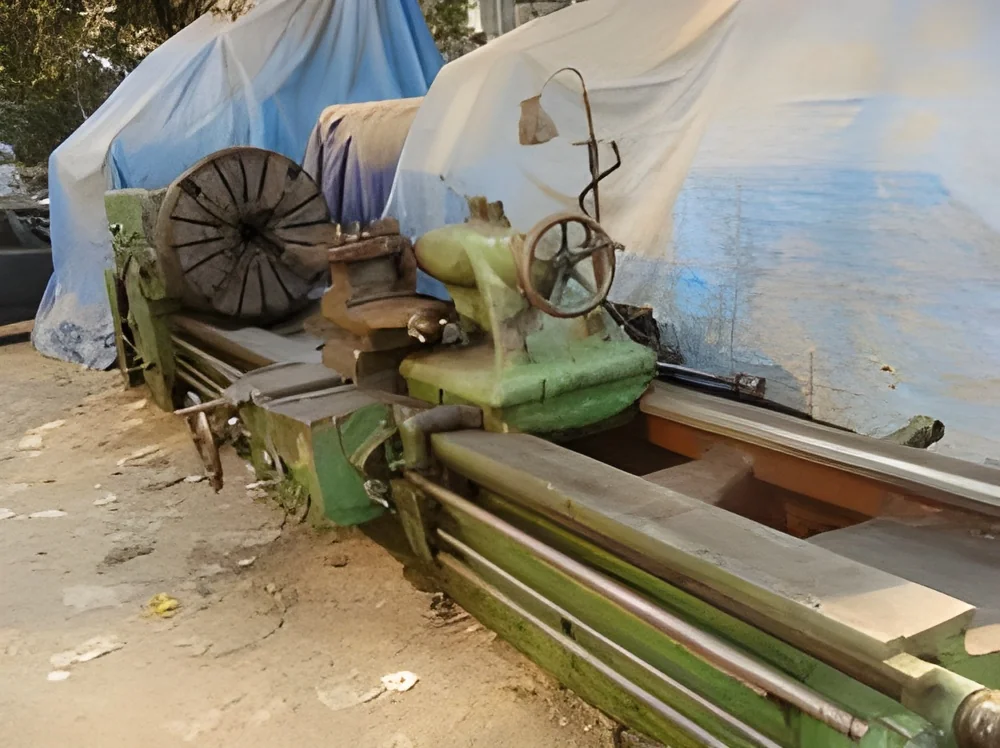
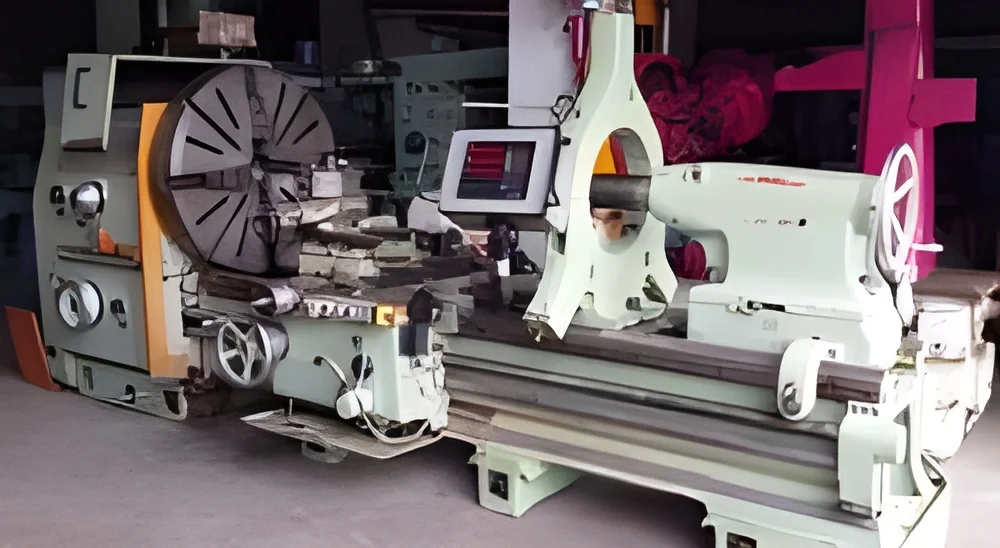
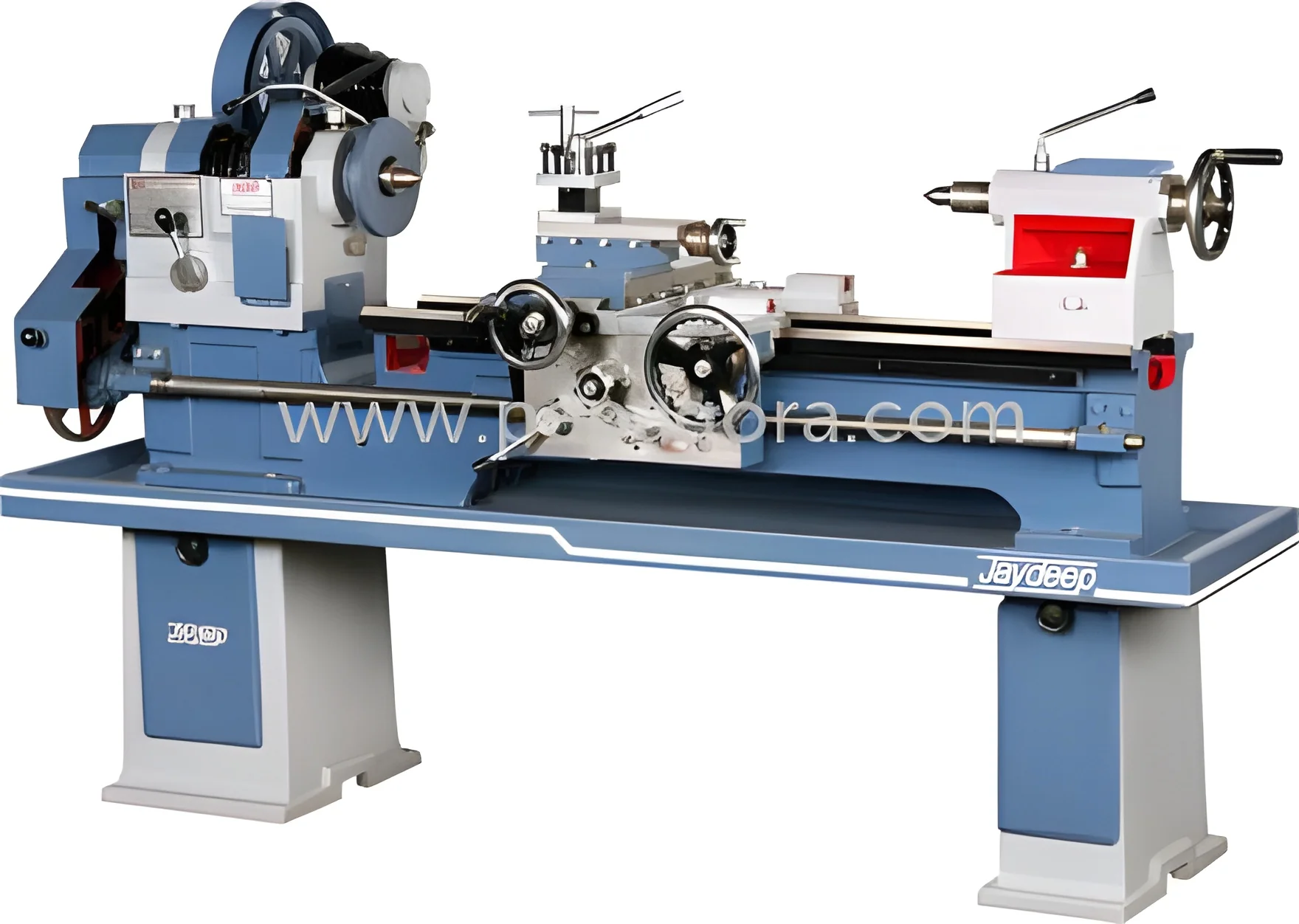
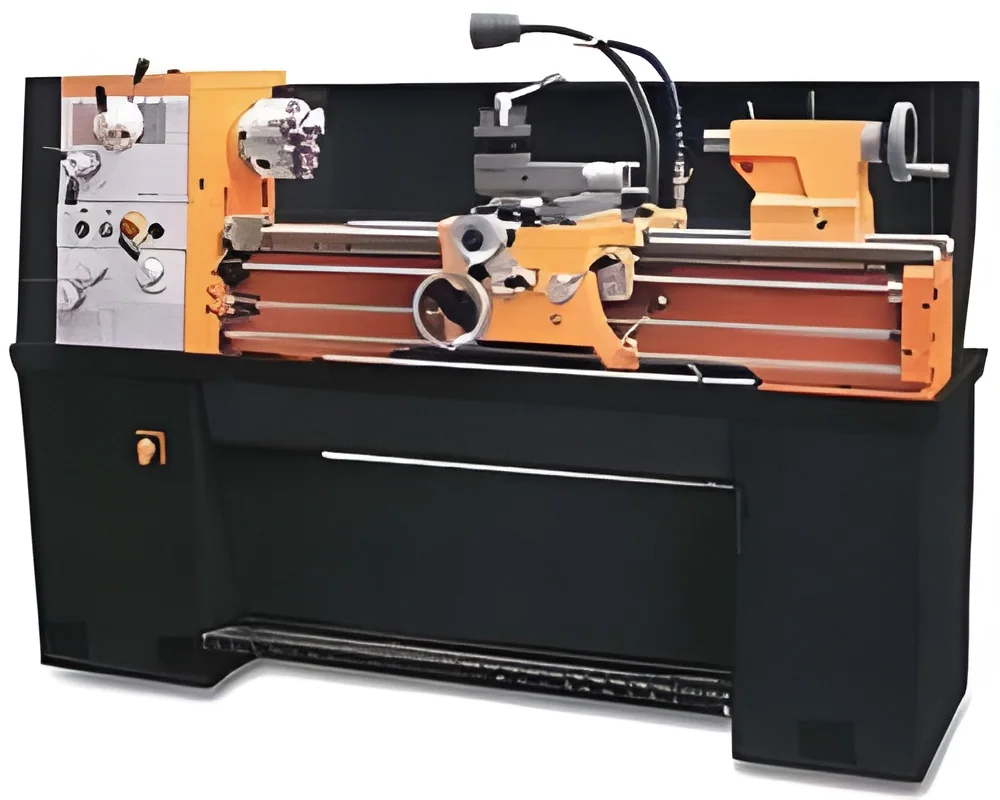
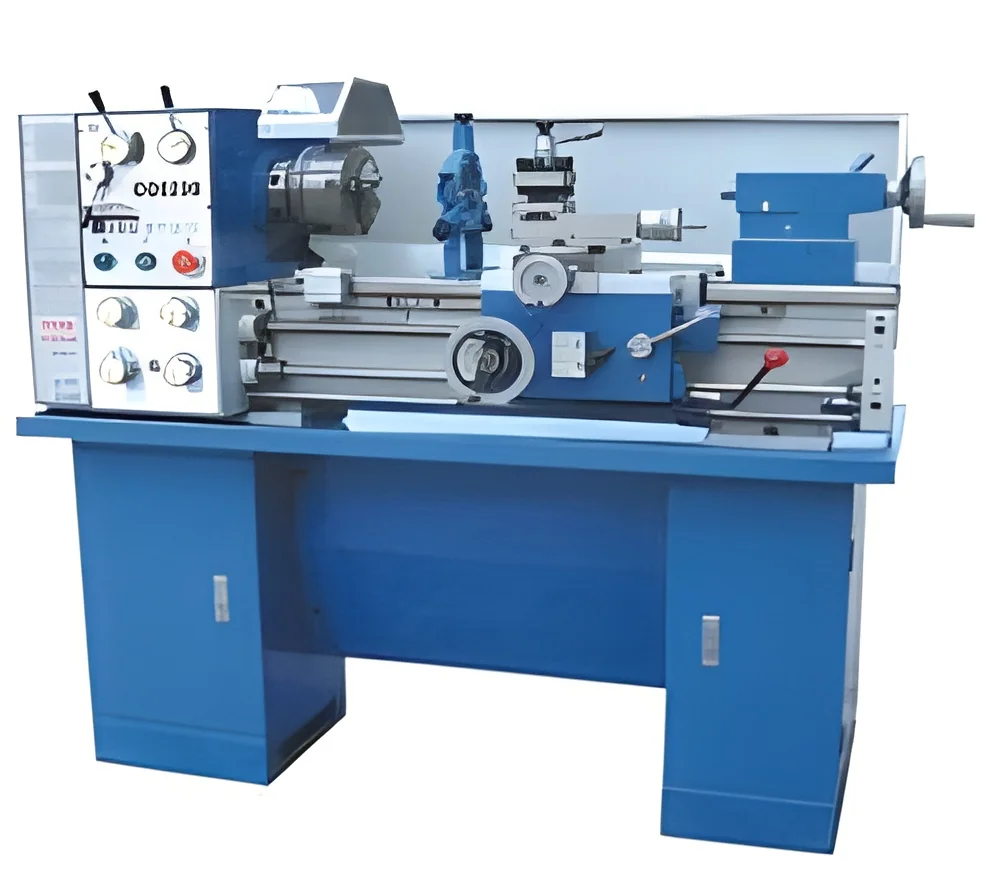
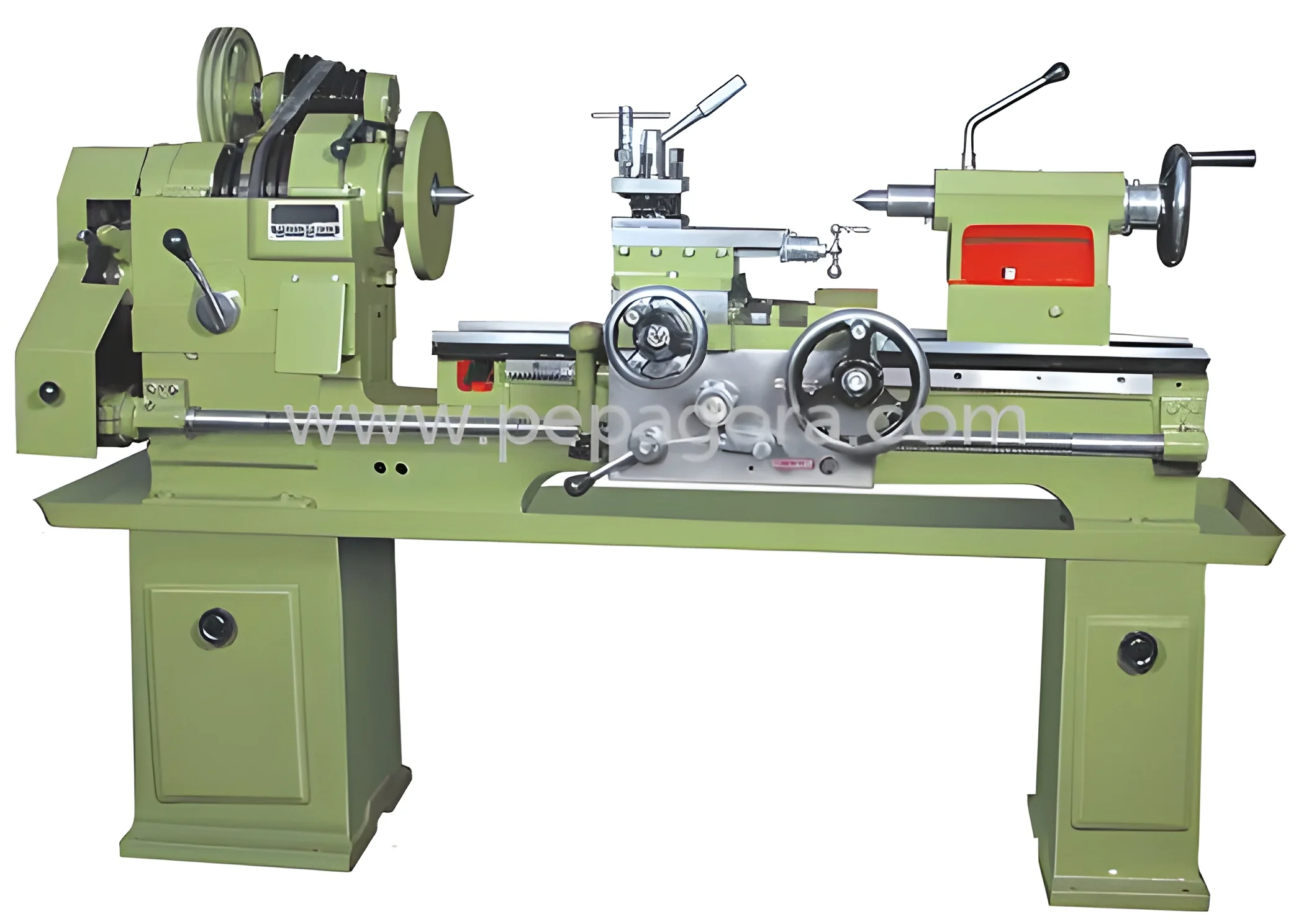
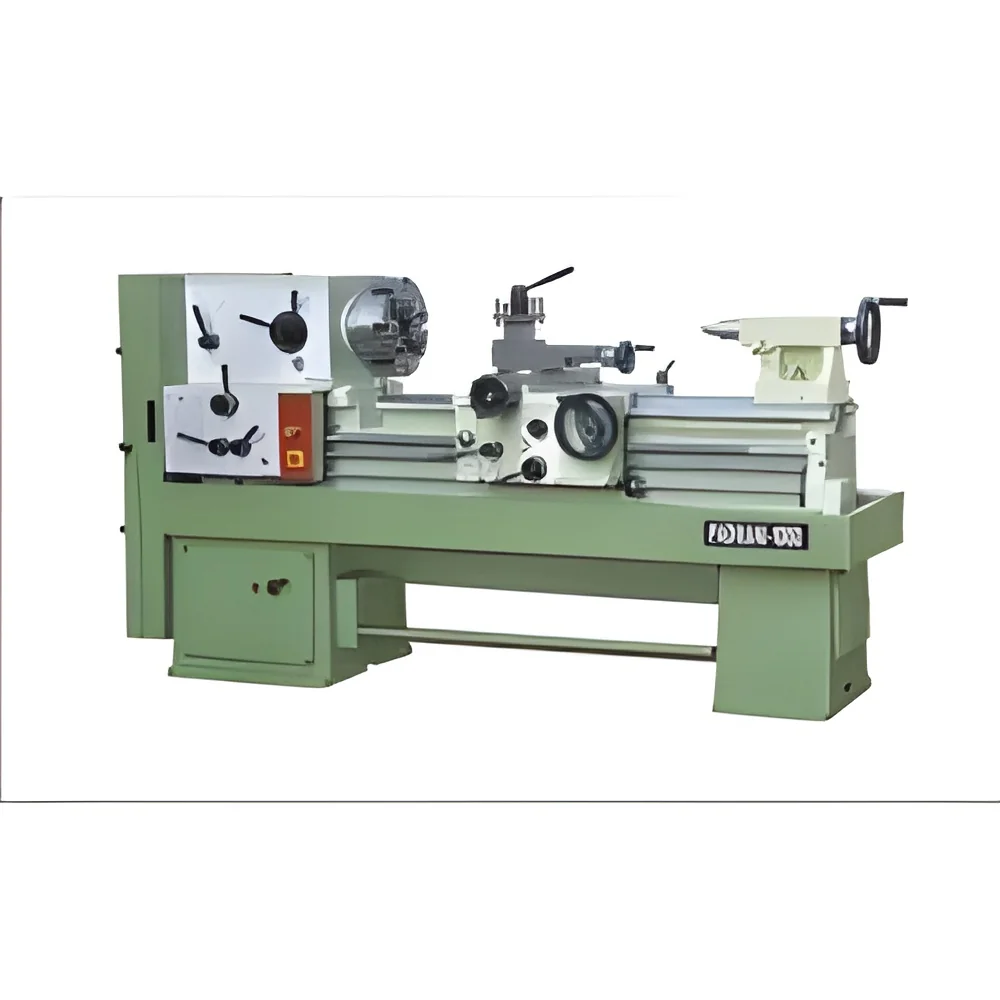
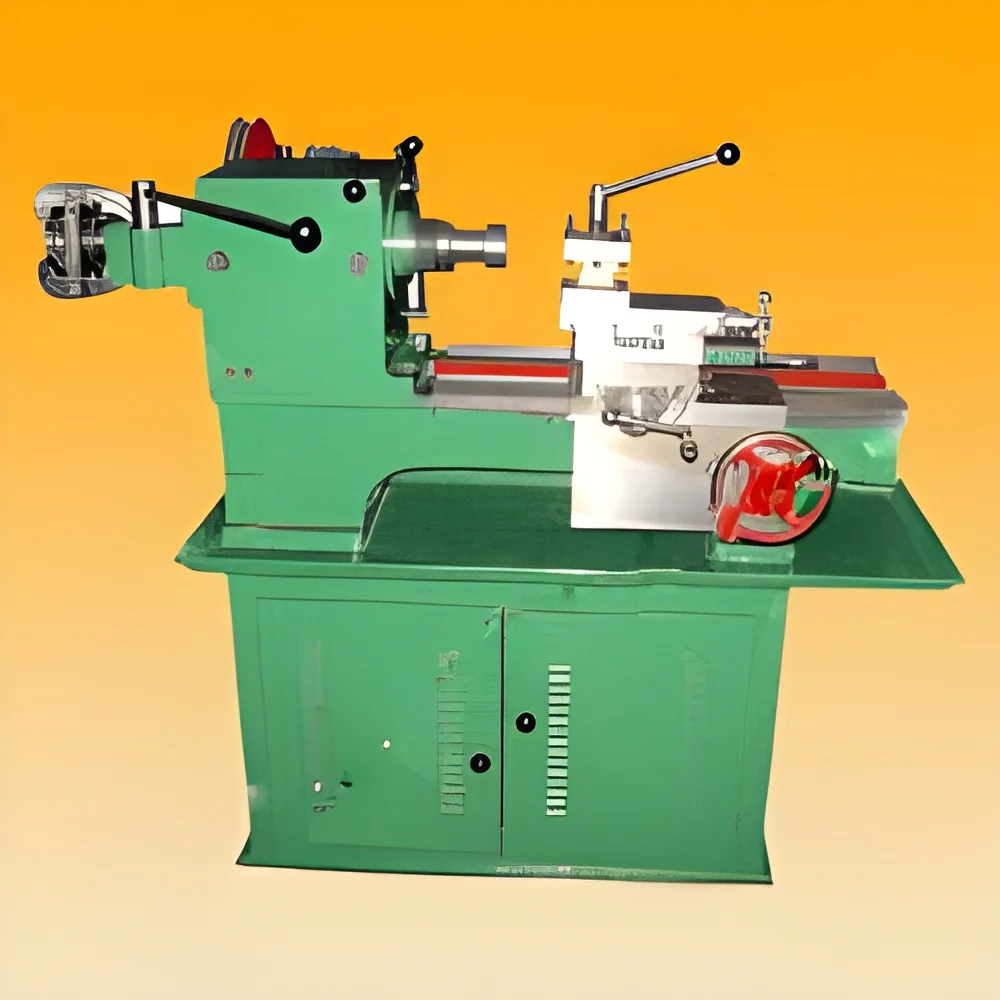
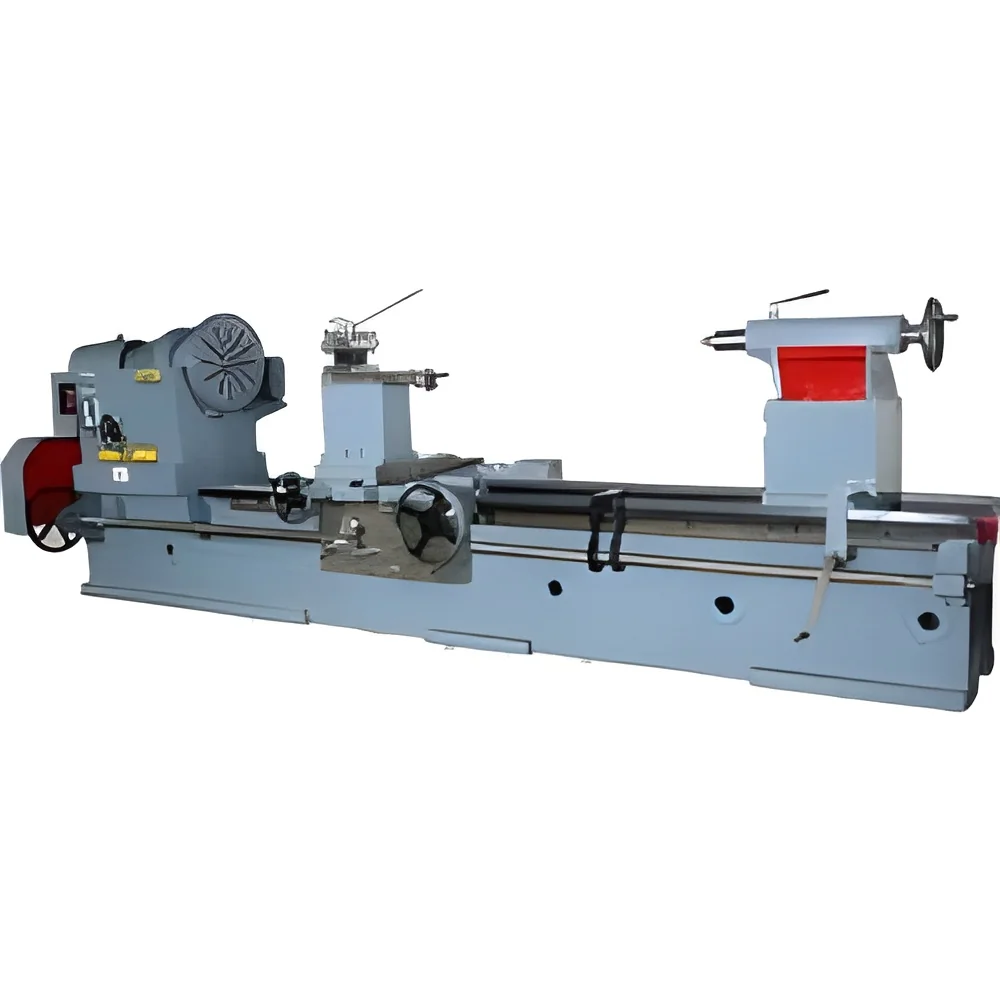
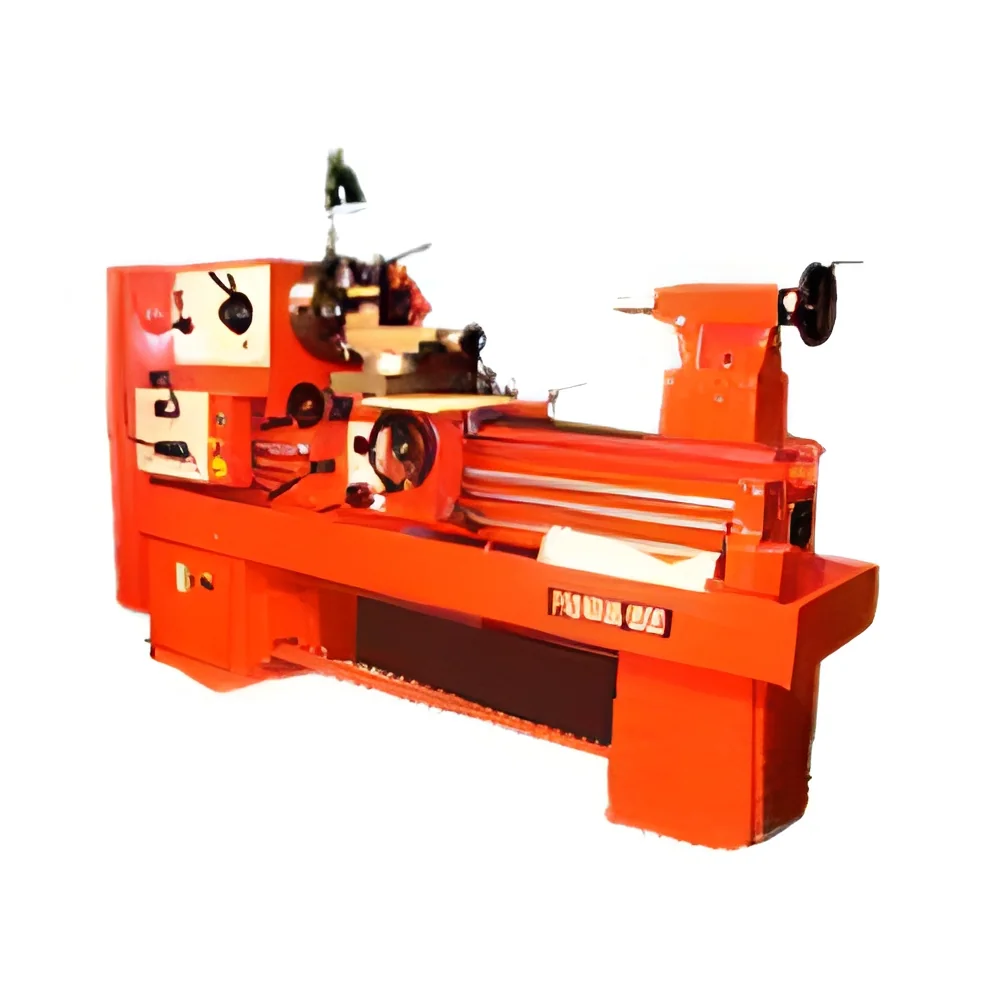
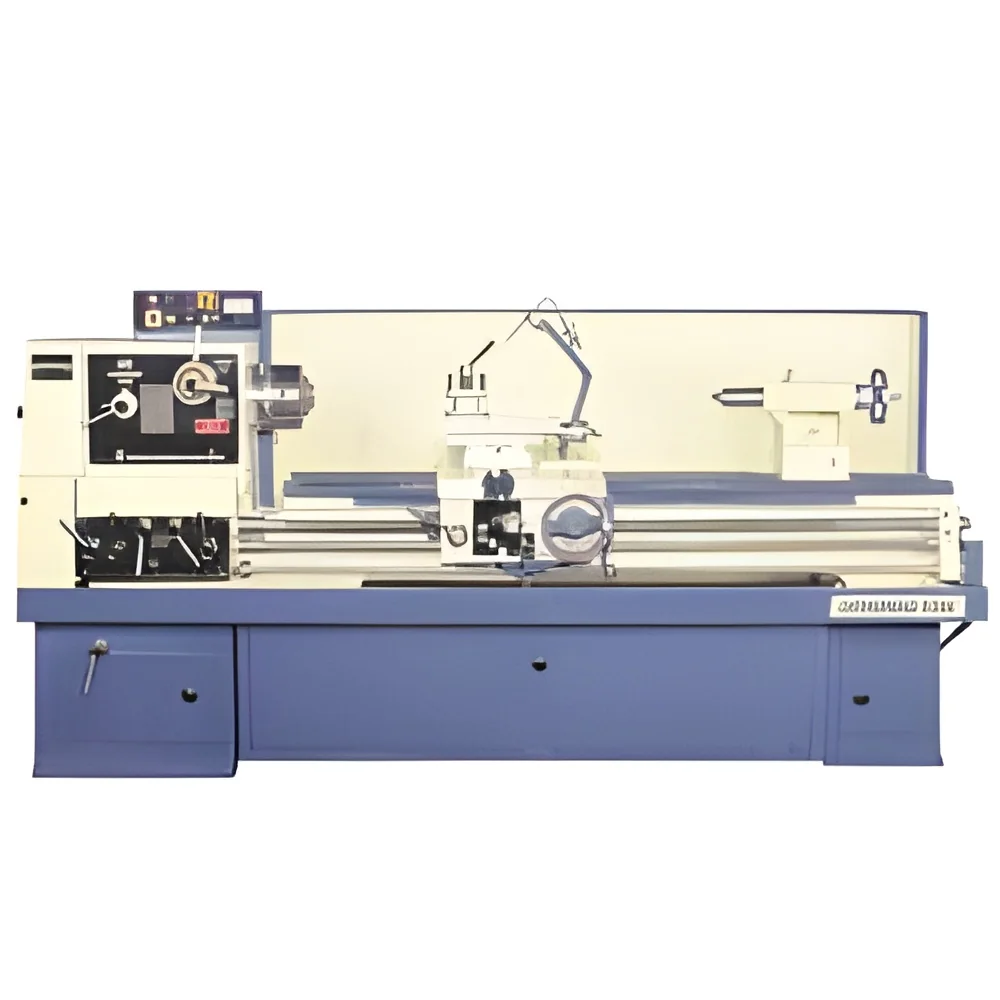
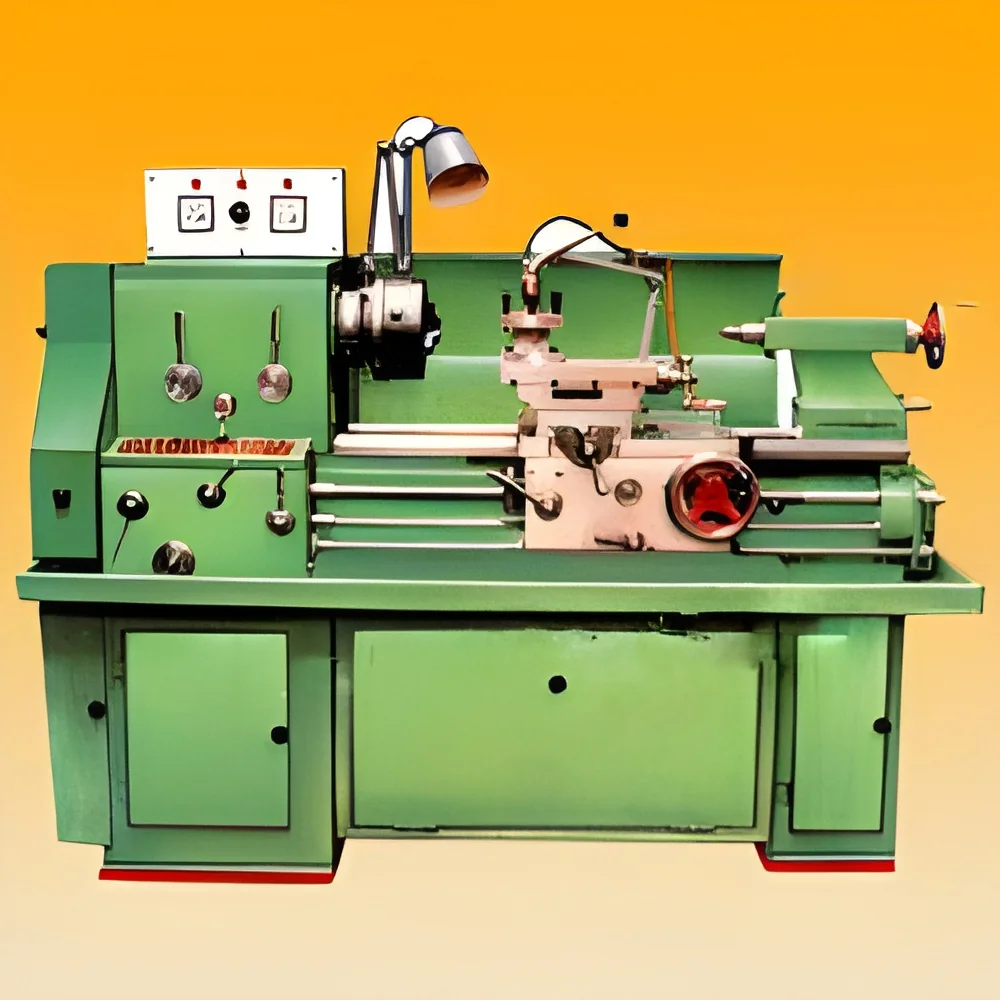
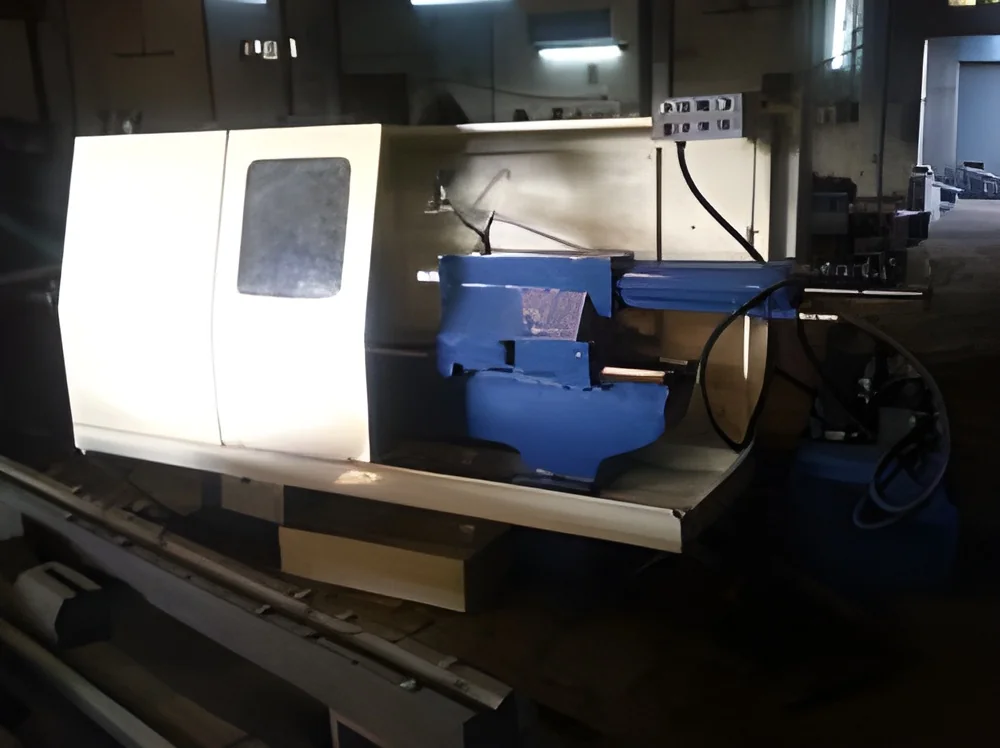
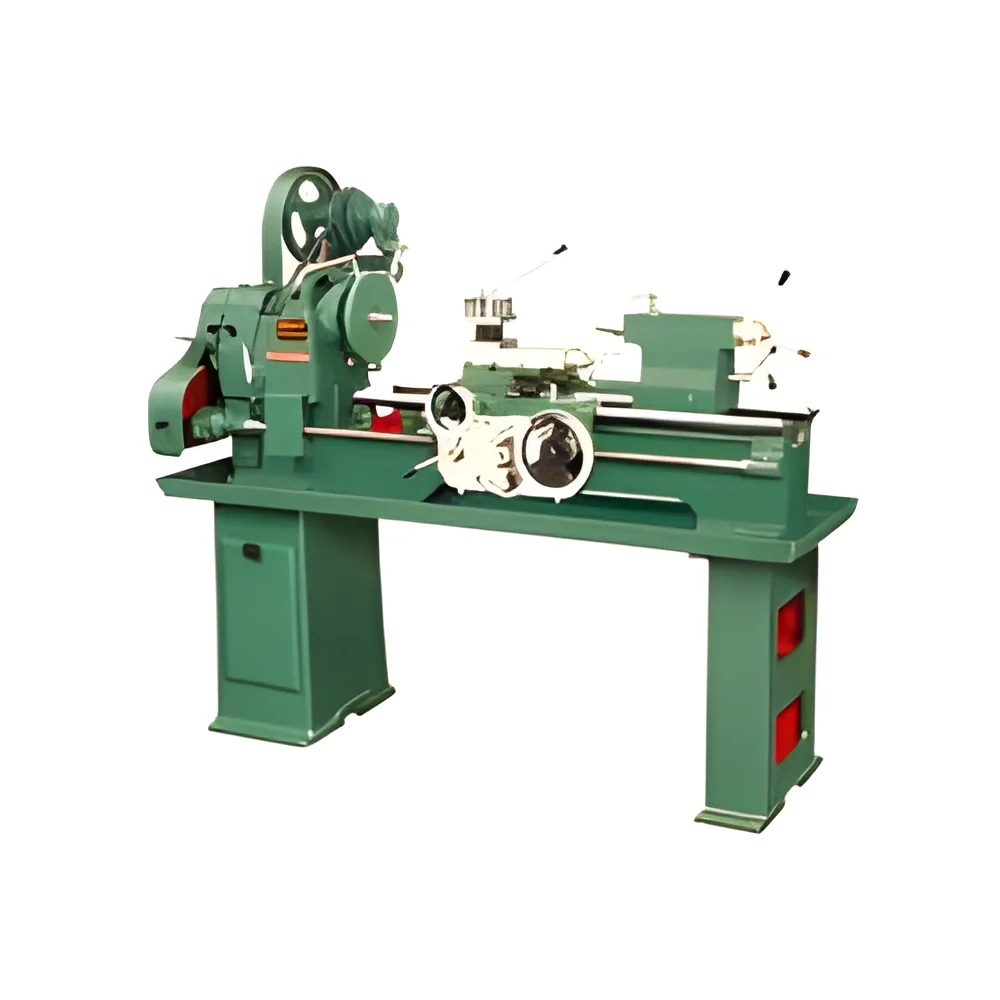
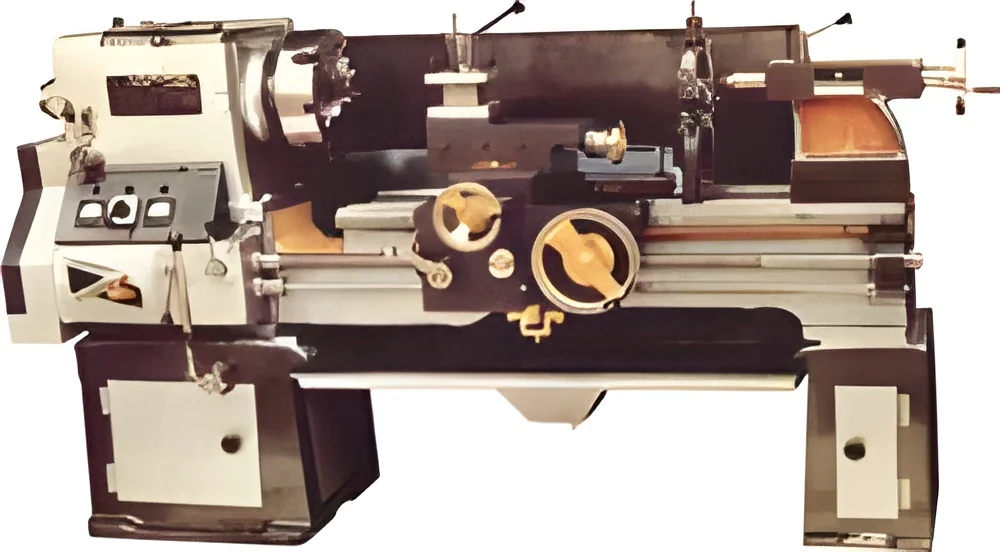
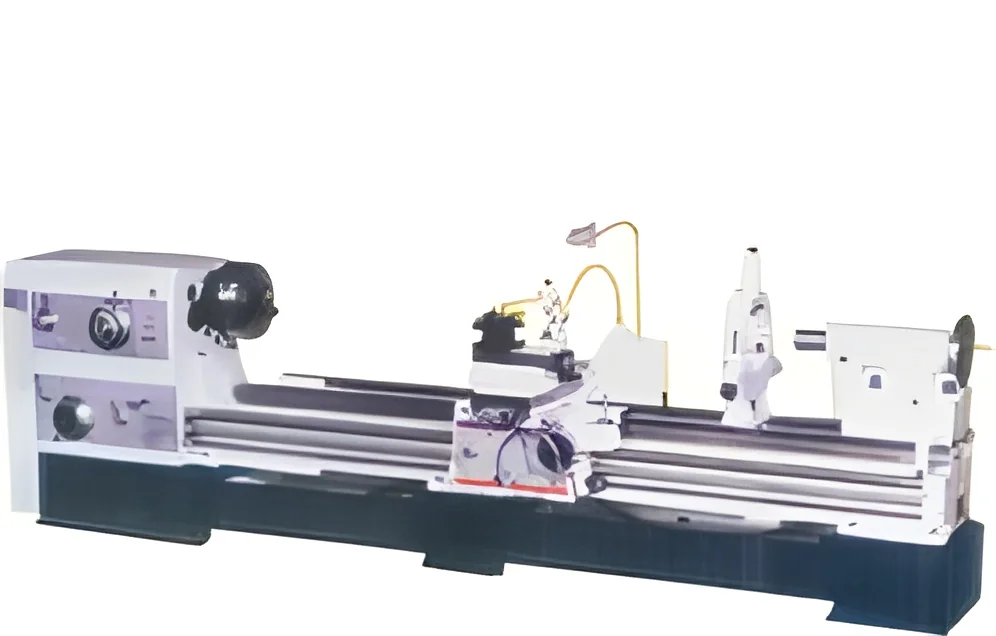
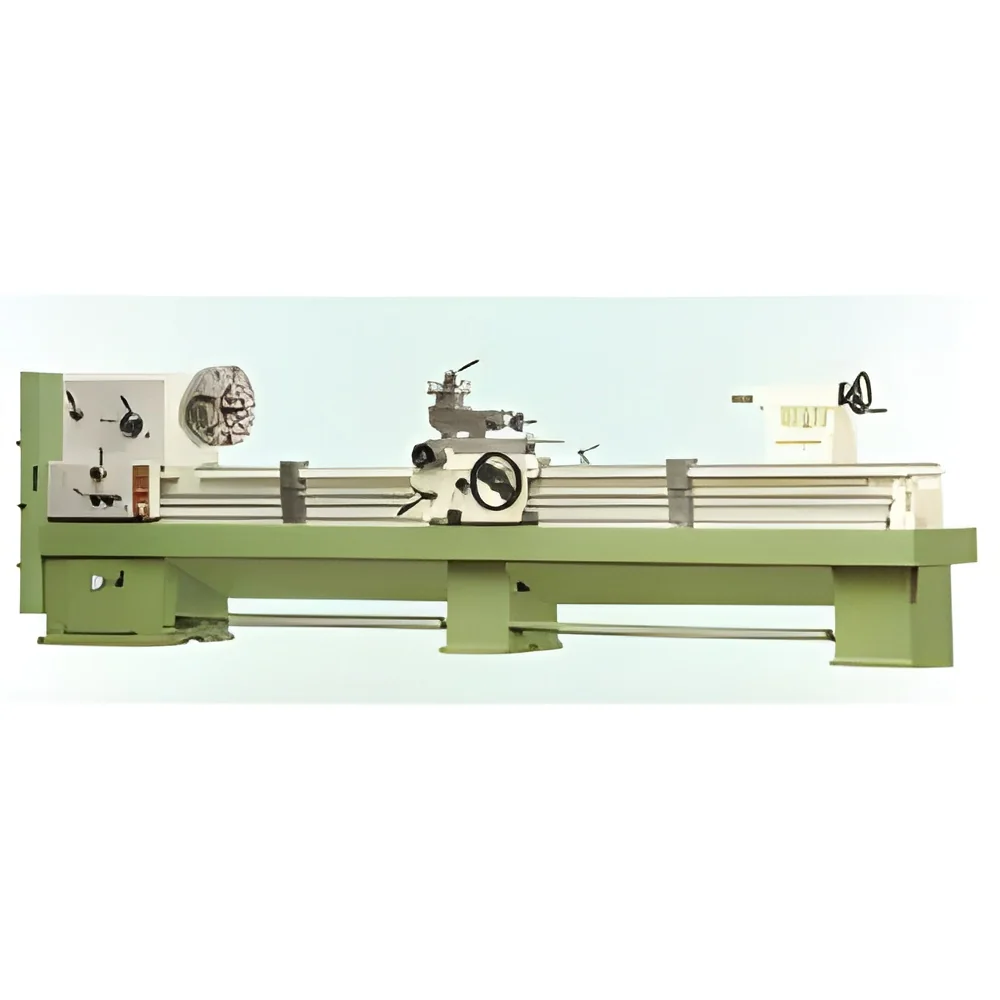
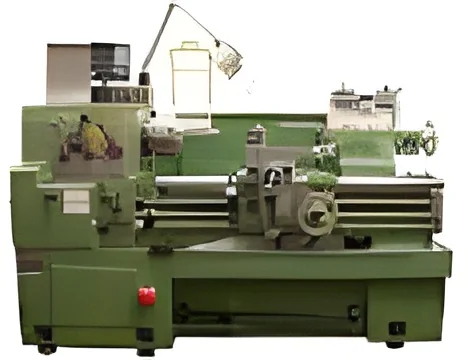
Lathe machines are versatile tools used in manufacturing to shape and cut materials such as metal, wood, and plastic. They operate by rotating the workpiece against a cutting tool, allowing for precise shaping and finishing. The main components of a lathe include the bed, headstock, tailstock, and carriage, all of which work together to achieve various machining processes.
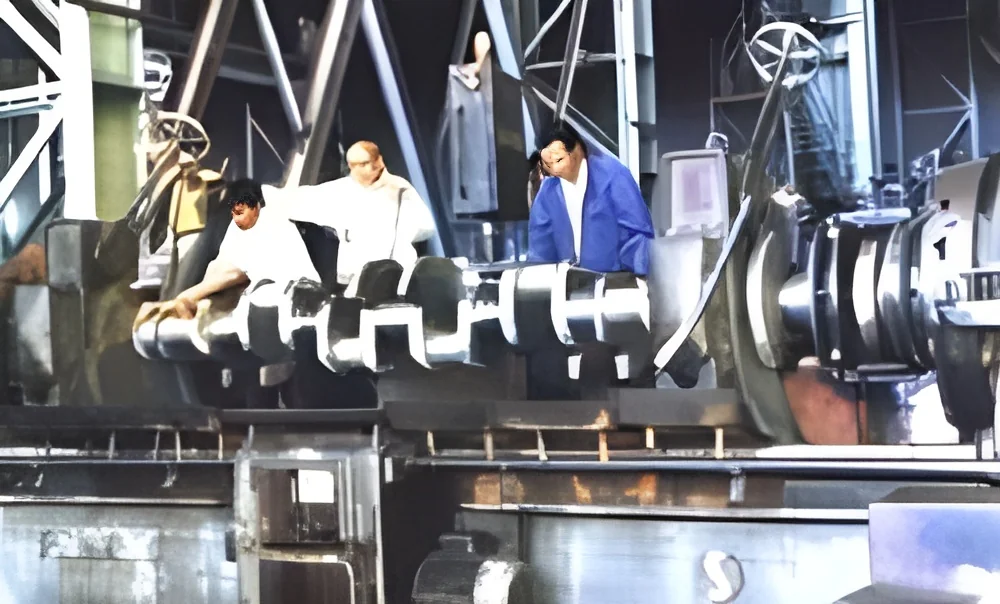
These machines are primarily used in industries such as automotive, aerospace, and general manufacturing. They are essential for creating components like shafts, gears, and specialized parts with high accuracy. The ability to perform various operations, including turning, drilling, and threading, makes lathe machines a critical asset in production lines. As manufacturing technologies evolve, lathe machines remain relevant, adapting to new materials and processes, thereby holding significant market presence.
𝗞𝗲𝘆 𝗙𝗲𝗮𝘁𝘂𝗿𝗲𝘀 𝗮𝗻𝗱 𝗦𝗽𝗲𝗰𝗶𝗳𝗶𝗰𝗮𝘁𝗶𝗼𝗻𝘀
Lathe machines come equipped with several features that enhance their functionality and ease of use. Understanding these specifications is crucial for businesses looking to invest in these machines.
Key specifications include:
1. Swing Over Bed
- The maximum diameter of the workpiece that can be rotated above the lathe bed.
- Typically ranges from 200 mm to 1000 mm.
2. Distance Between Centers
- The maximum length of the workpiece that can be accommodated between the headstock and tailstock.
- Common lengths range from 400 mm to 3000 mm.
3. Spindle Speed
- The speed at which the spindle rotates, impacting the machining process.
- Usually adjustable, ranging from 50 to 3000 RPM.
4. Motor Power
- The power of the motor driving the lathe, affecting its performance and capability.
- Power ratings generally vary from 0.5 kW to 15 kW.
5. Tailstock Quill Travel
- The distance the tailstock quill can move, allowing for different setups.
- Common travel lengths are between 100 mm to 200 mm.
6. Control Type
- The method of controlling the lathe, which can be manual or CNC (Computer Numerical Control).
- CNC lathes offer higher precision and automation.
7. Weight
- The weight of the machine, which can influence stability during operation.
- Typically ranges from 200 kg to 3000 kg.
8. Material
- The construction material of the lathe, often made from high-strength cast iron or steel for durability.
These features ensure that lathe machines can meet the diverse needs of various machining applications.
𝗖𝗼𝗺𝗺𝗼𝗻 𝗔𝗽𝗽𝗹𝗶𝗰𝗮𝘁𝗶𝗼𝗻𝘀 𝗮𝗻𝗱 𝗨𝘀𝗲 𝗖𝗮𝘀𝗲𝘀
Lathe machines serve a wide range of industries, making them invaluable for many applications.
1. Automotive: In the automotive industry, lathe machines are used to manufacture engine components, shafts, and custom parts, ensuring that each piece meets stringent specifications for performance and safety.
2. Aerospace: Aerospace manufacturers rely on lathe machines for producing critical components such as turbine blades and landing gear assemblies, where precision and reliability are essential.
3. General Manufacturing: In general manufacturing, lathe machines are utilized for creating a variety of products, from household items to industrial equipment, allowing for efficient mass production.
4. Metalworking: Metalworking shops use lathe machines for custom jobs, including fabricating parts for machinery and tools, making them crucial for both production and repair tasks.
5. Woodworking: In woodworking, lathe machines are employed to shape and finish wood products, such as furniture and decorative items, highlighting their versatility.
6. Electronics: Lathe machines are also used in the electronics industry for creating components like housings and connectors, ensuring precision and compatibility.
7. Defense: In the defense sector, lathe machines are used to manufacture parts for military equipment, where durability and accuracy are paramount.
𝗣𝗿𝗼𝗱𝘂𝗰𝘁 𝗩𝗮𝗿𝗶𝗮𝗻𝘁𝘀 𝗮𝗻𝗱 𝗦𝘂𝗯𝗰𝗮𝘁𝗲𝗴𝗼𝗿𝗶𝗲𝘀
Lathe machines come in various forms, each designed for specific applications and industries.
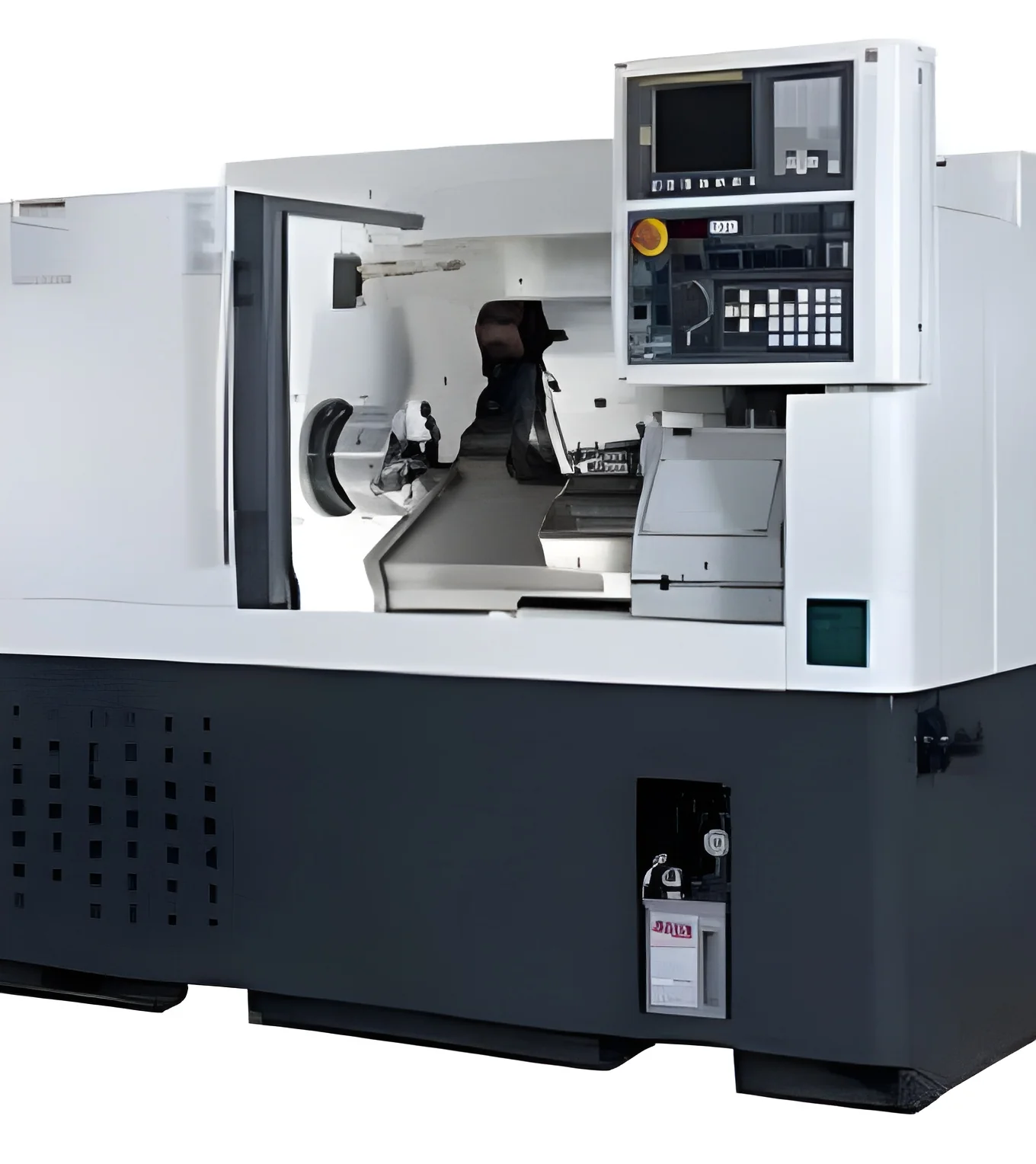
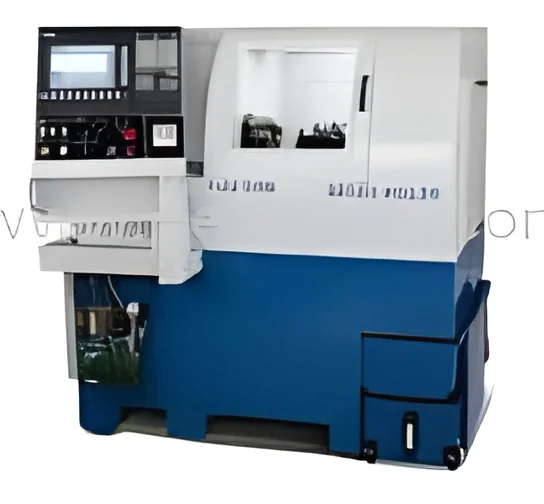
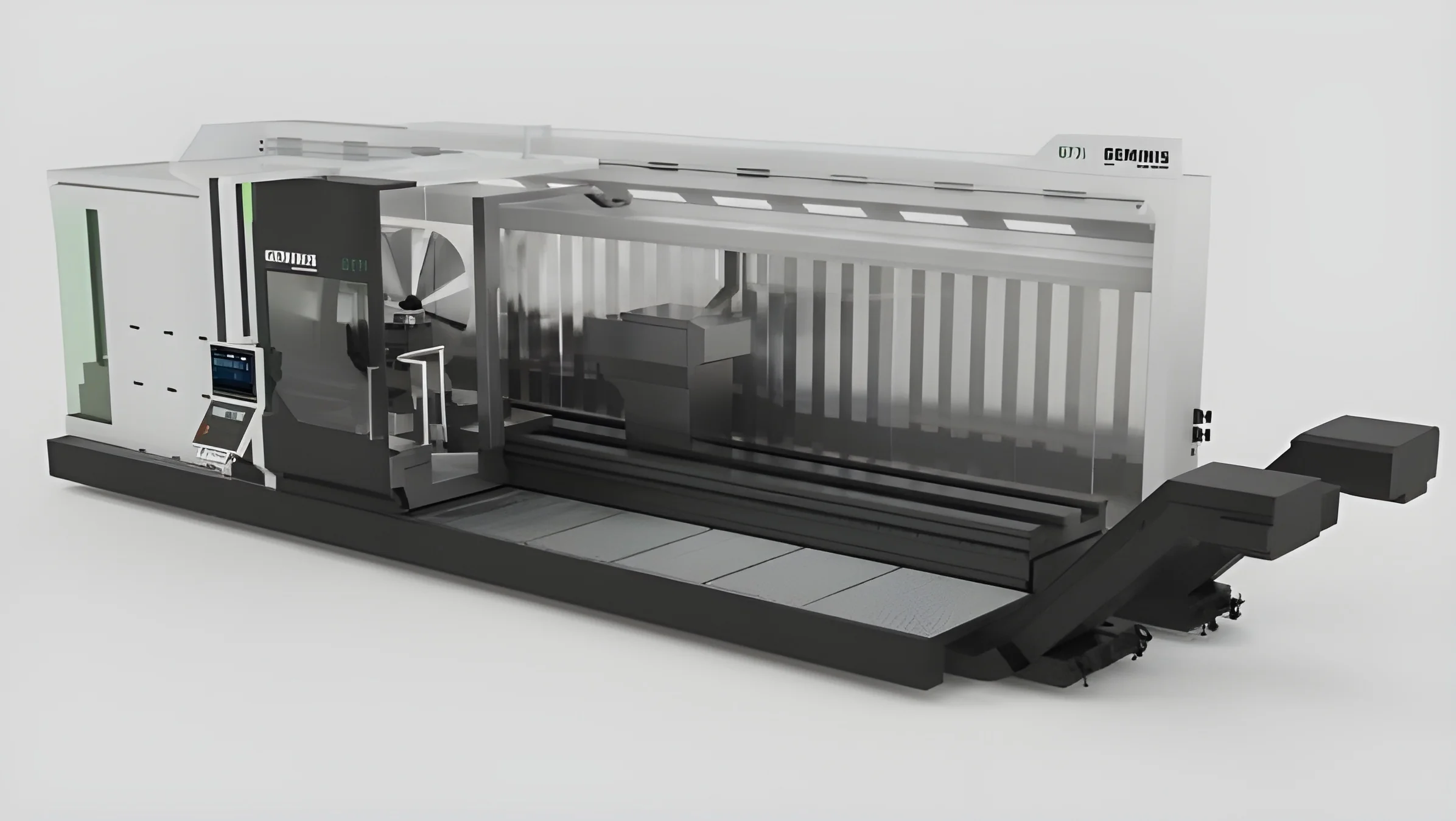
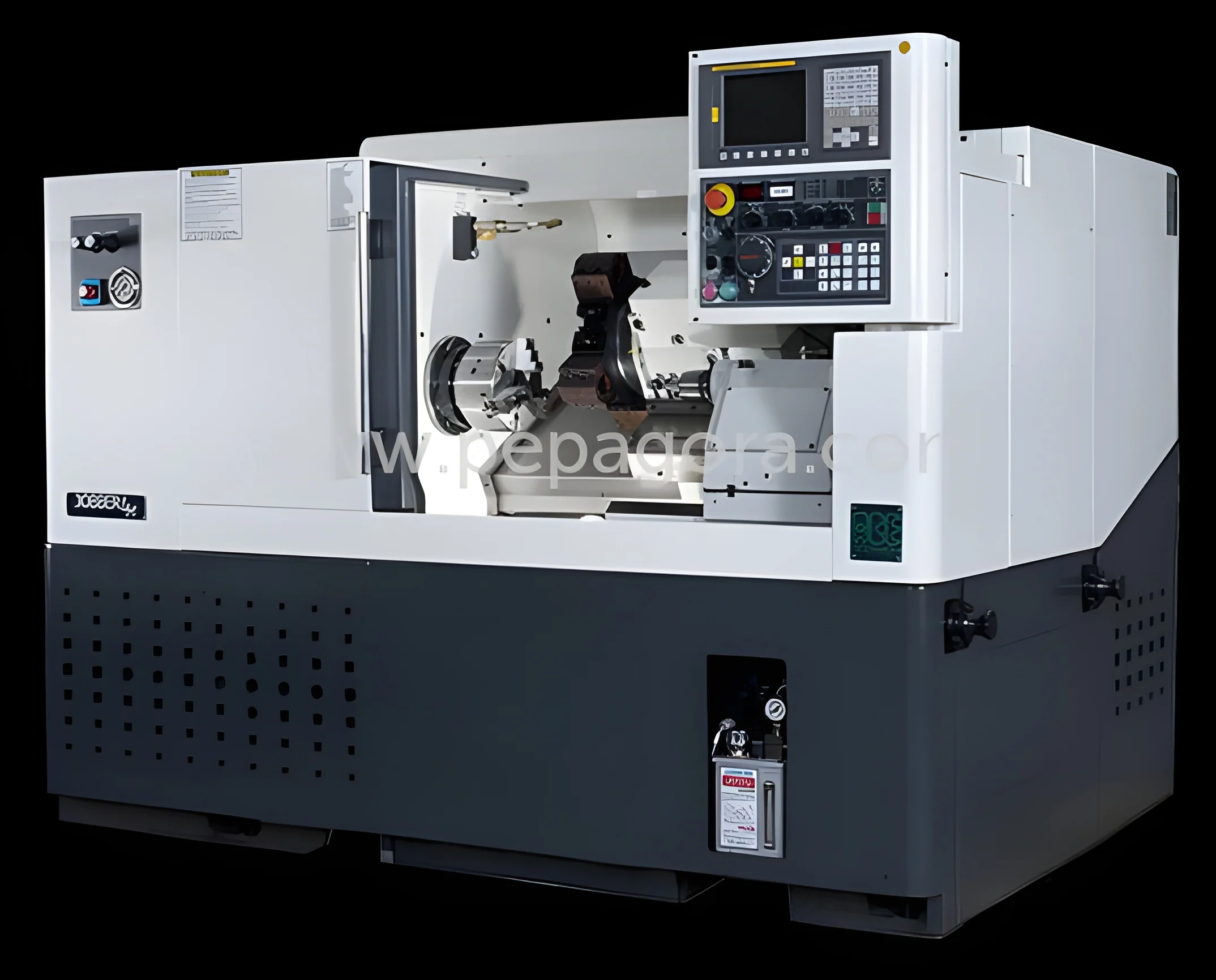
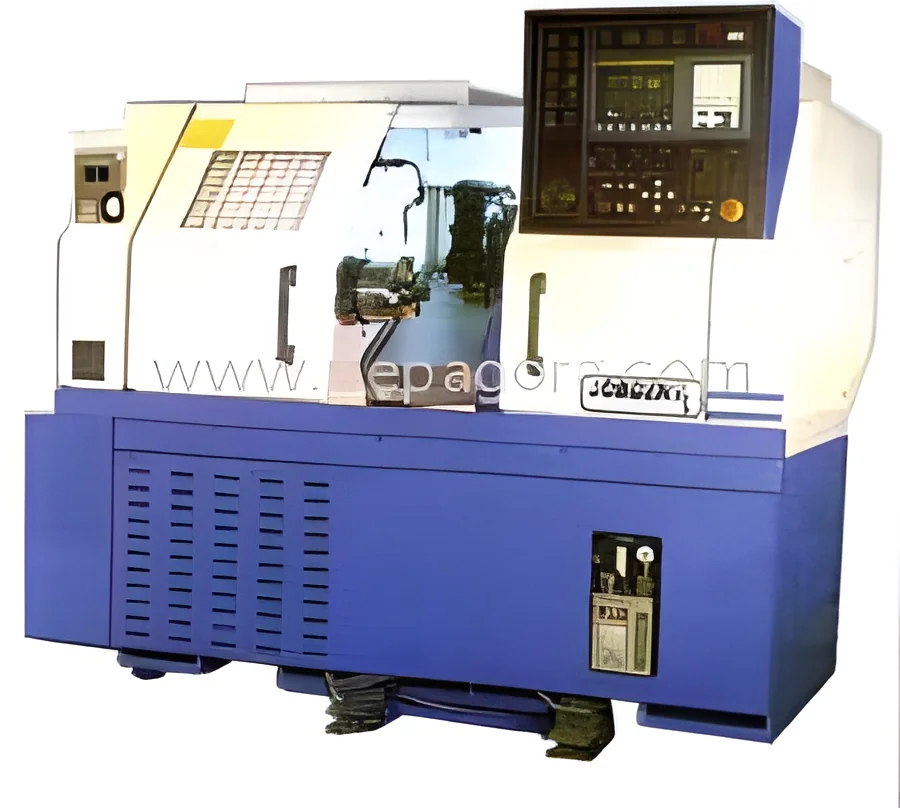
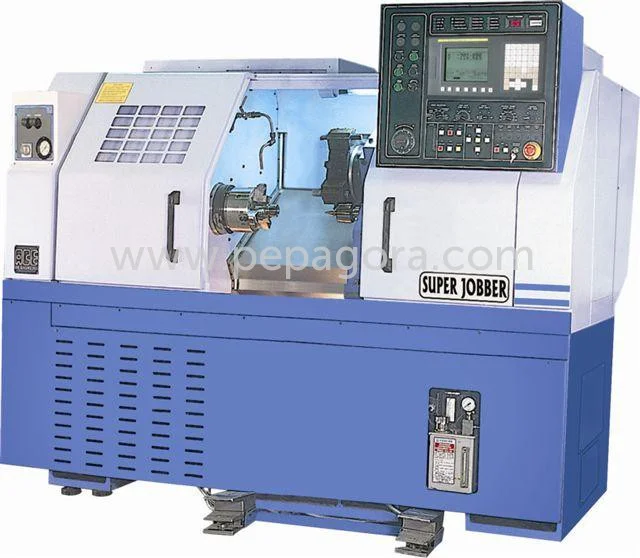
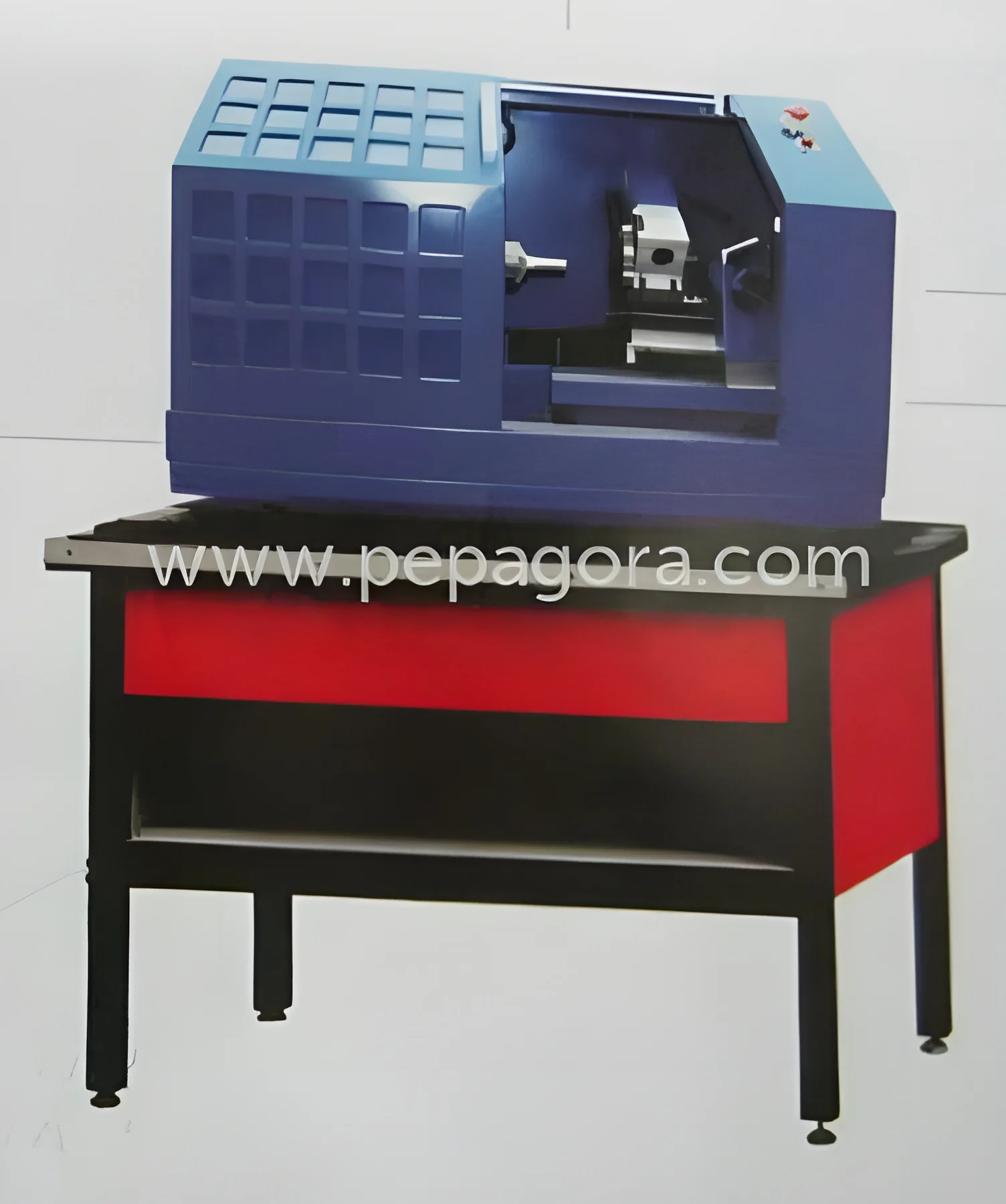
CNC Lathe Machines: These machines utilize computer numerical control for high precision and automation. They are ideal for complex parts and high-volume production, offering greater efficiency and accuracy.
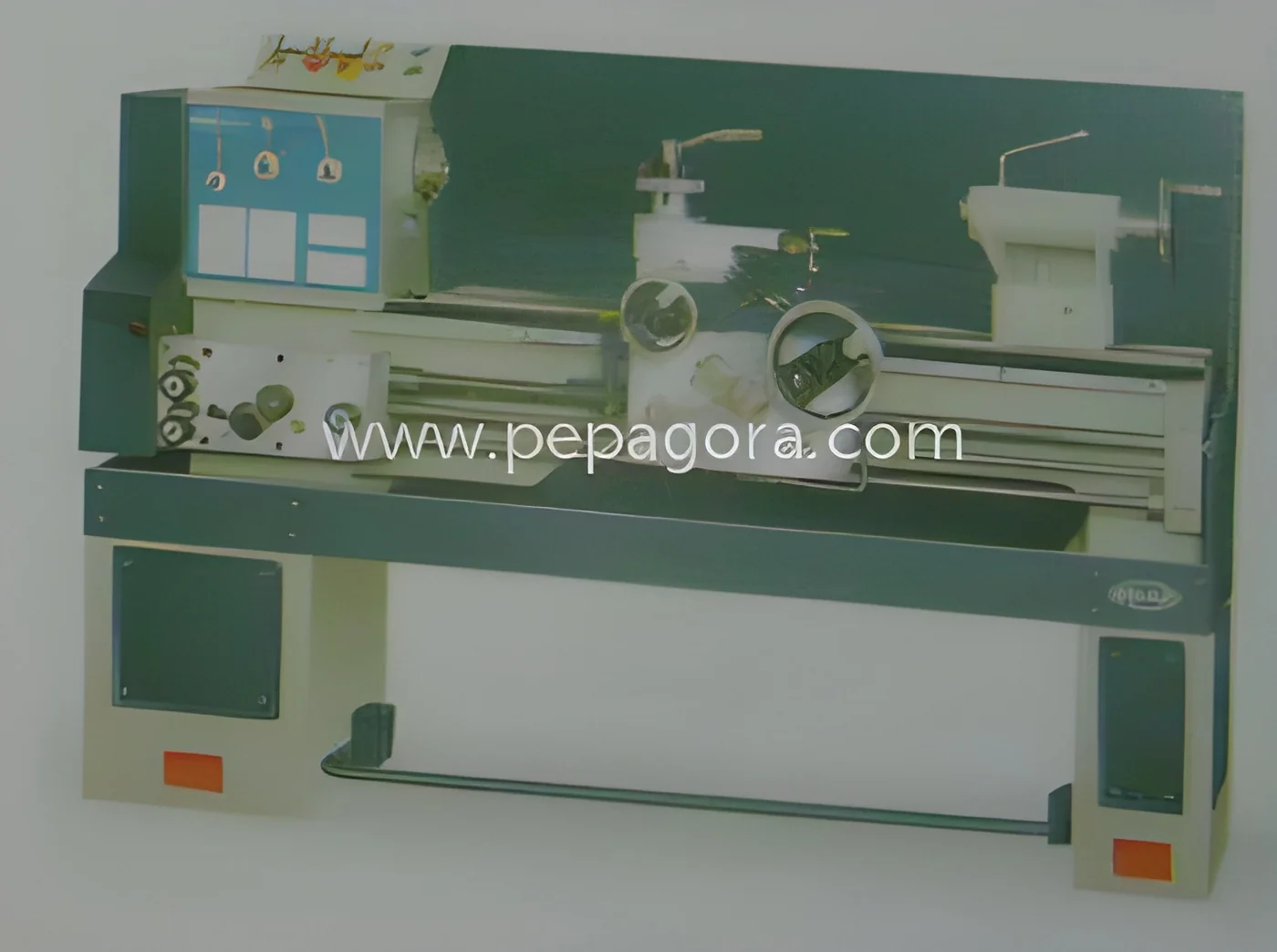
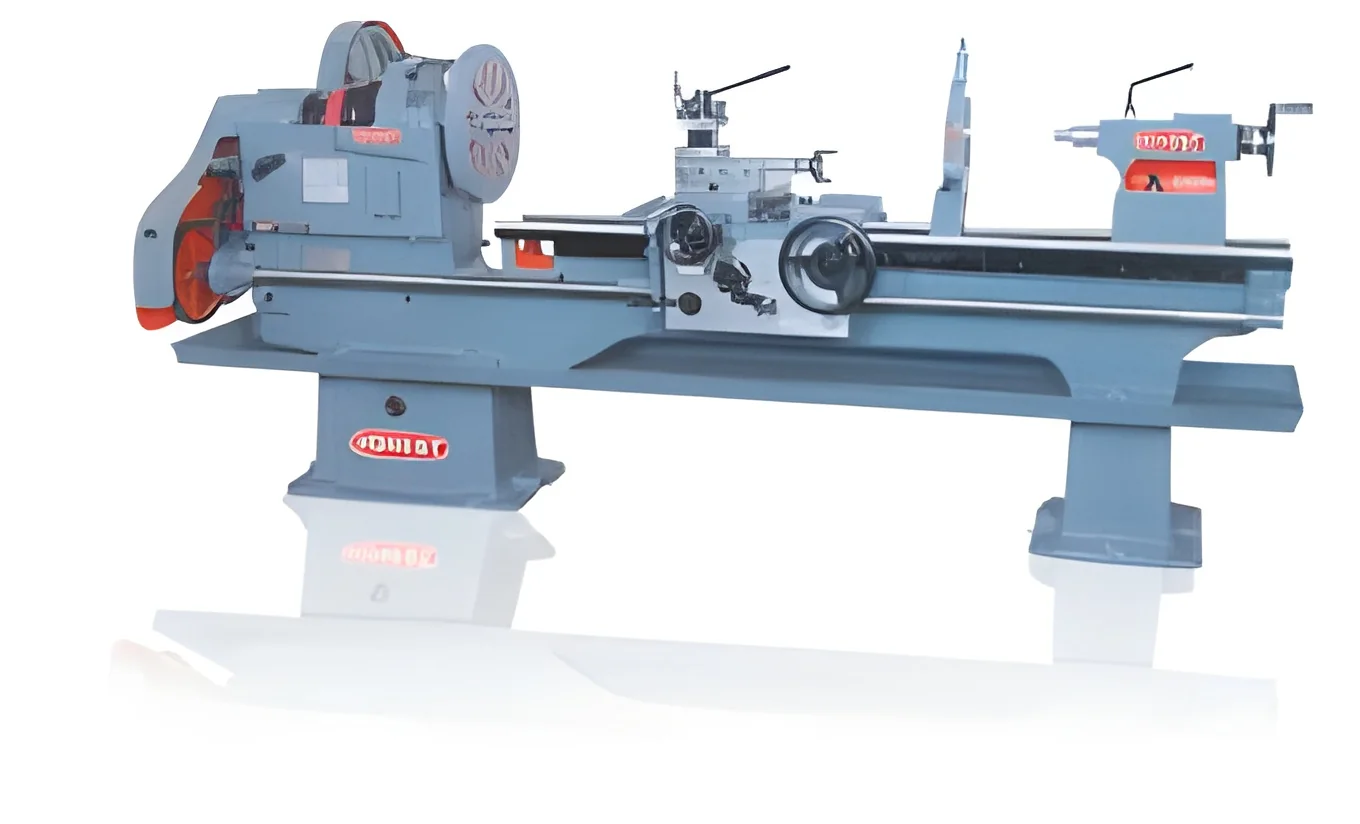
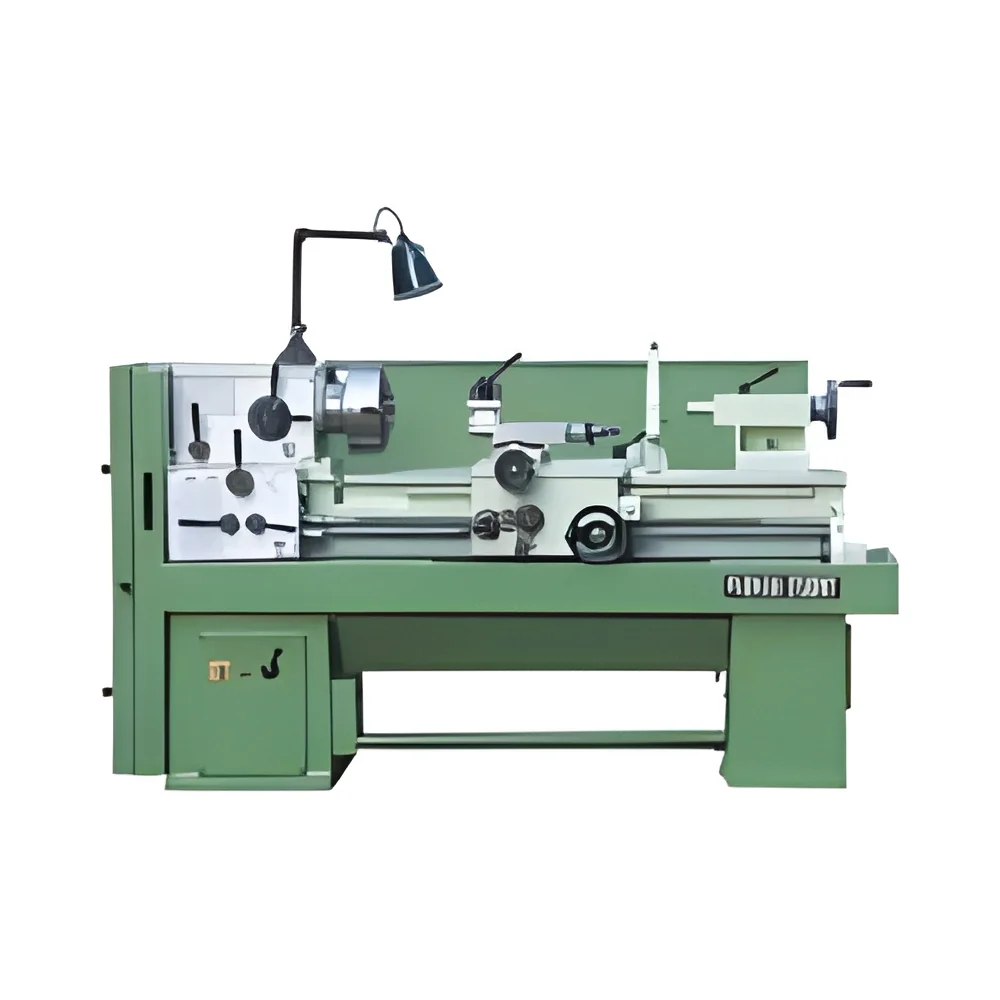
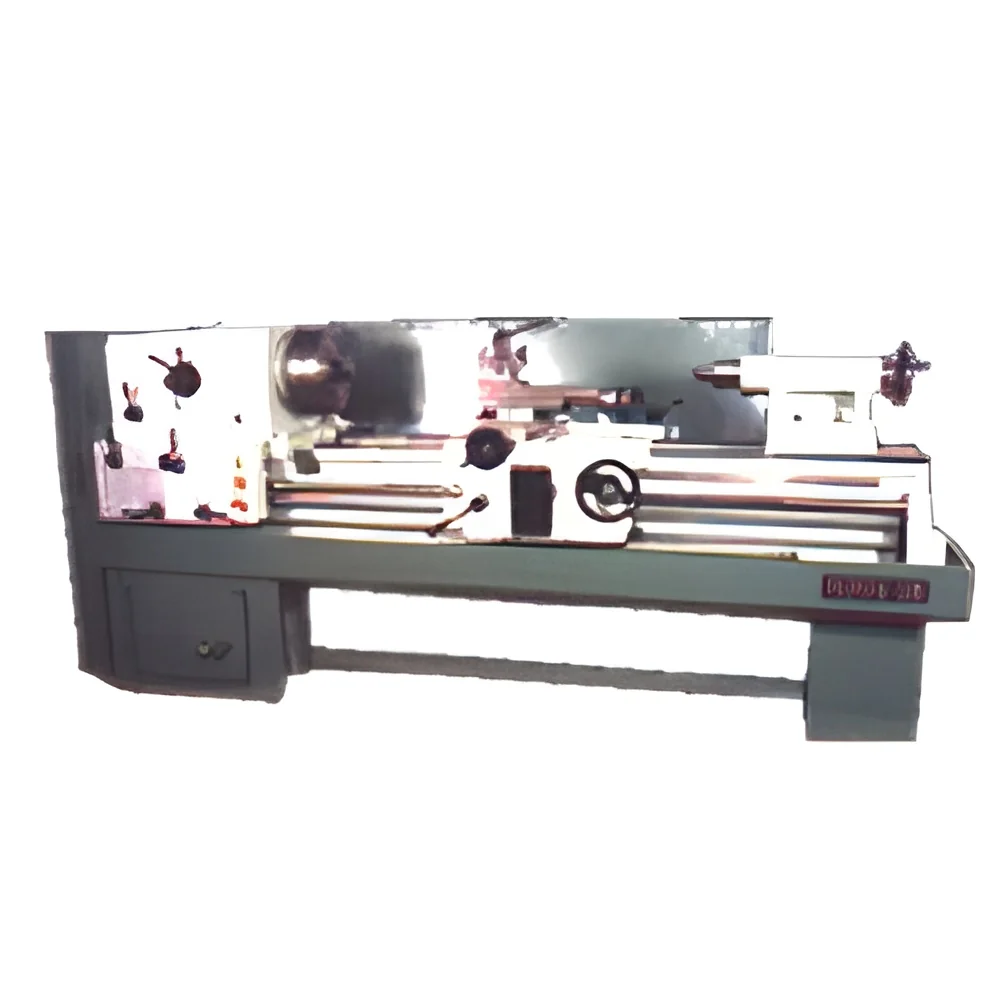
Manual Lathe Machines: These are operated by hand and are suitable for simpler tasks and smaller workshops. They are often more affordable and easier to maintain, making them popular among hobbyists and small businesses.
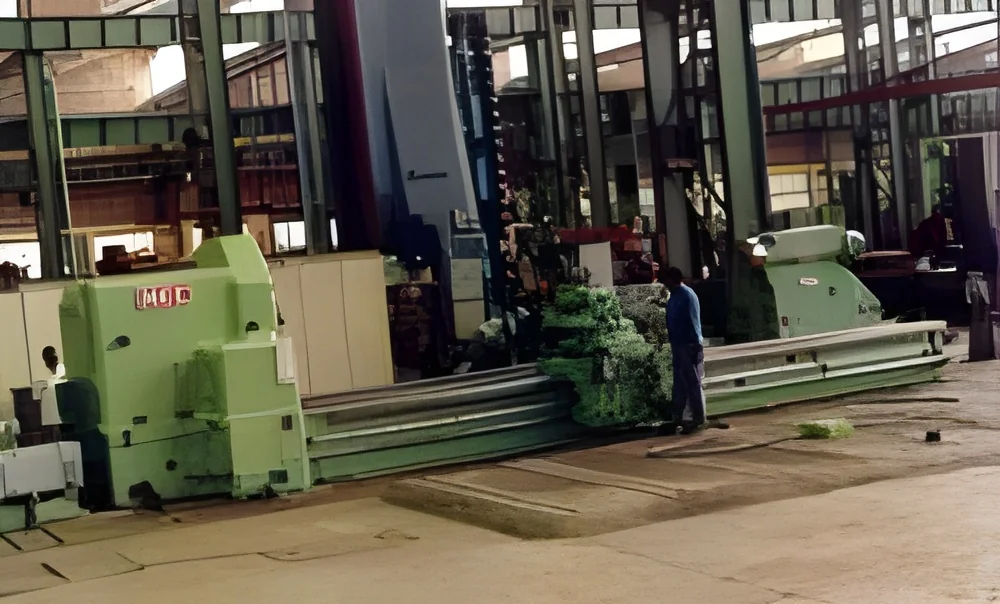
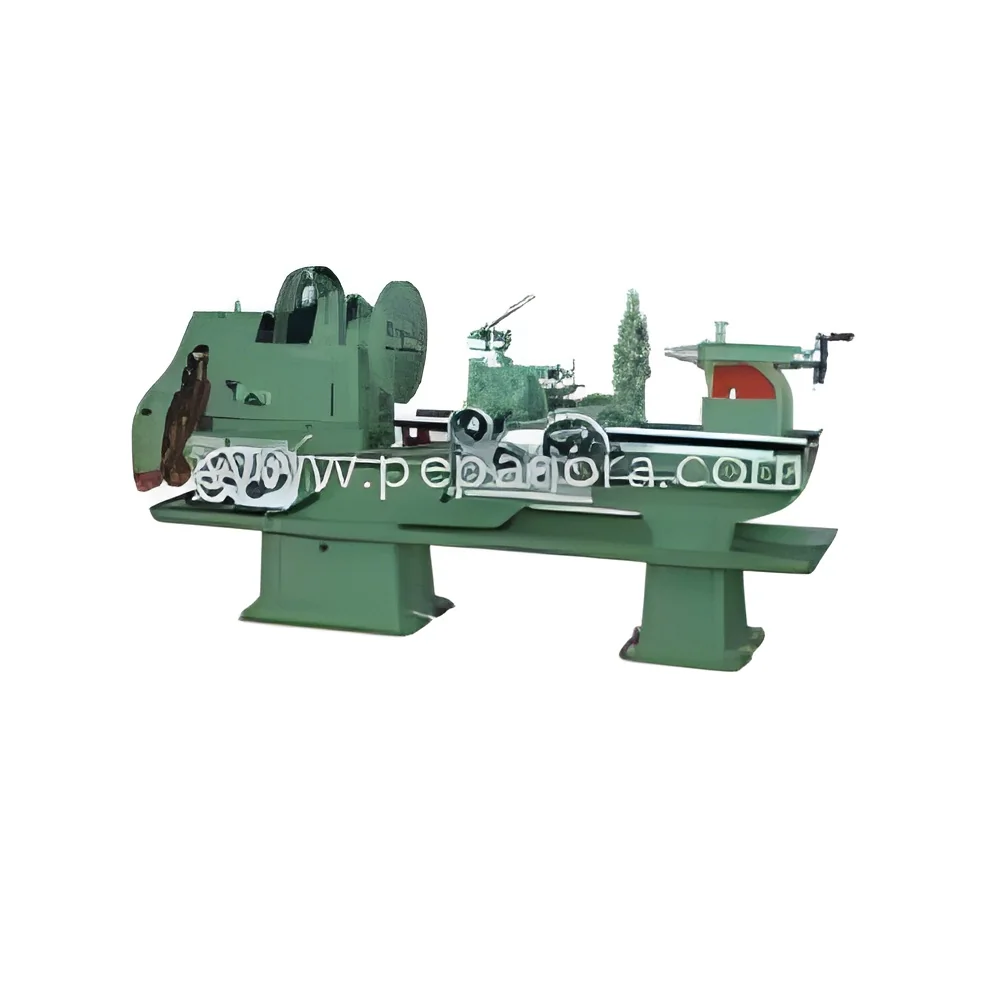
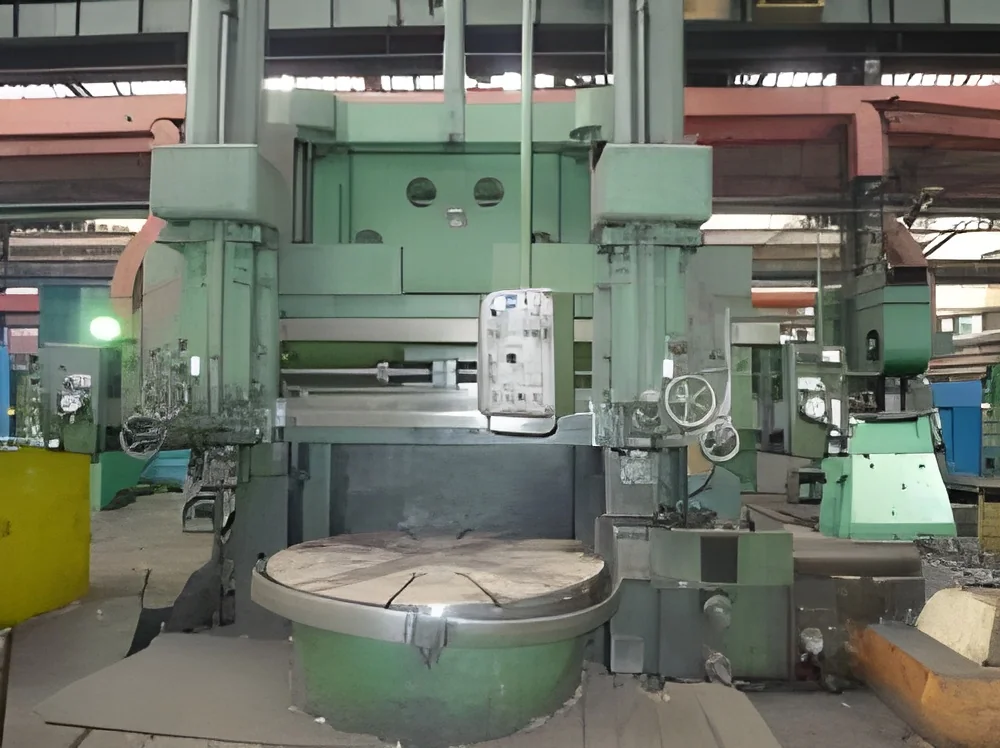
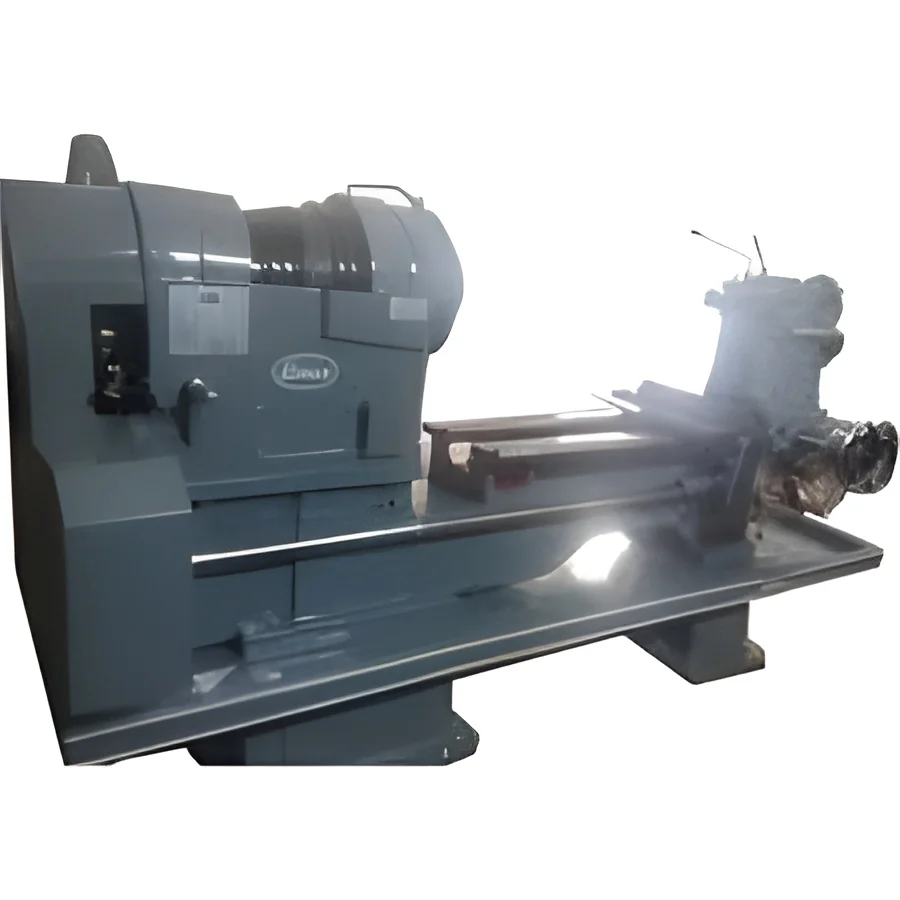
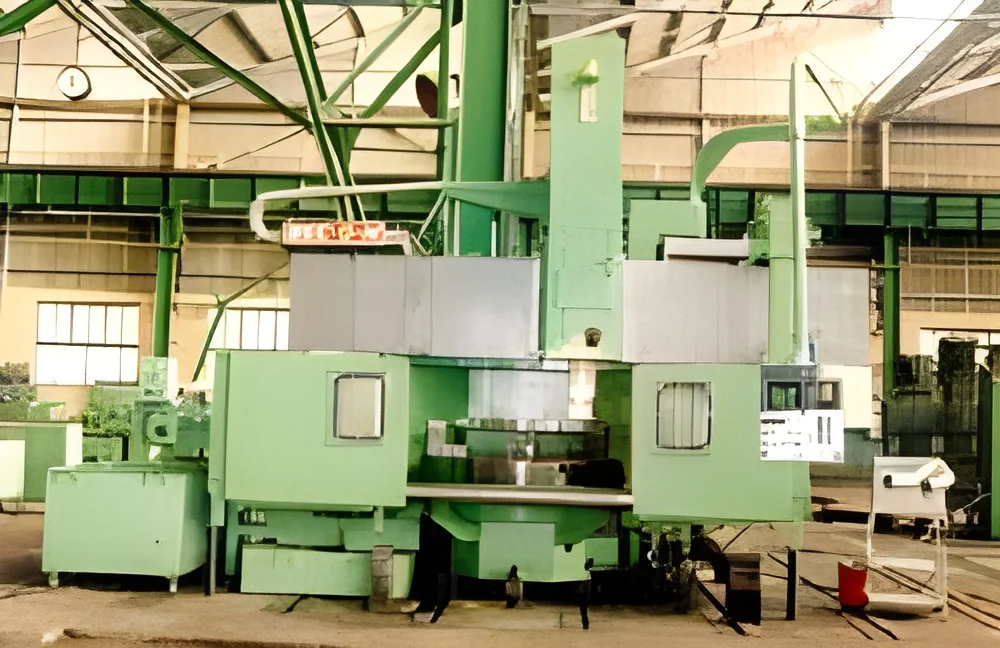
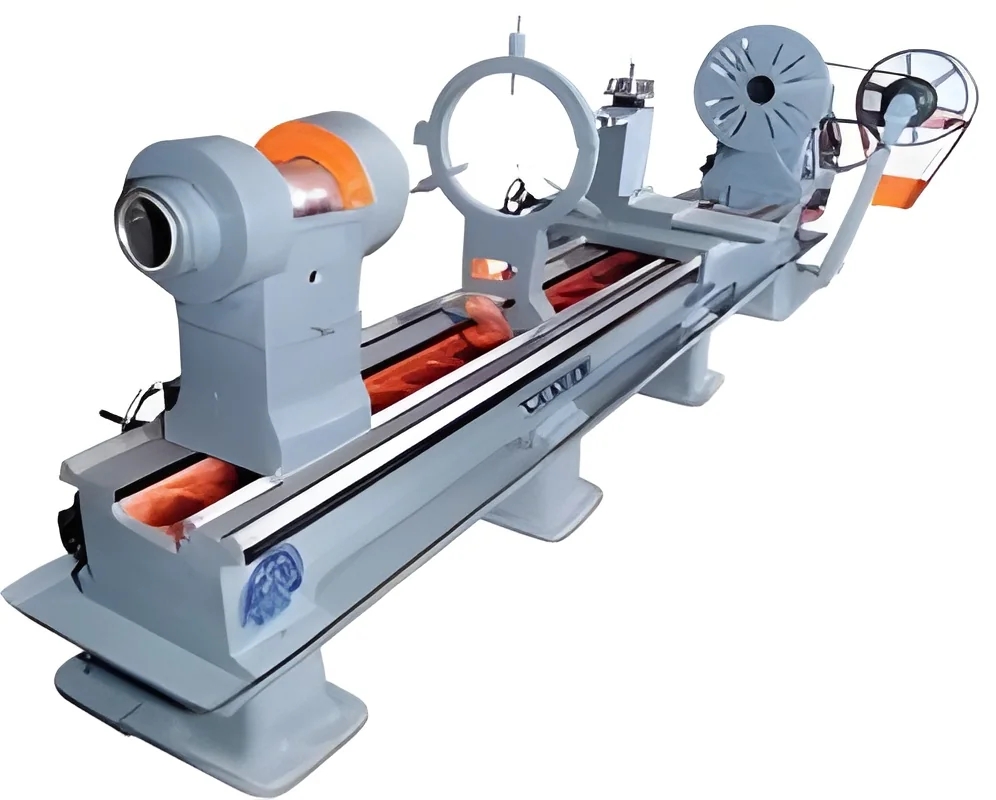
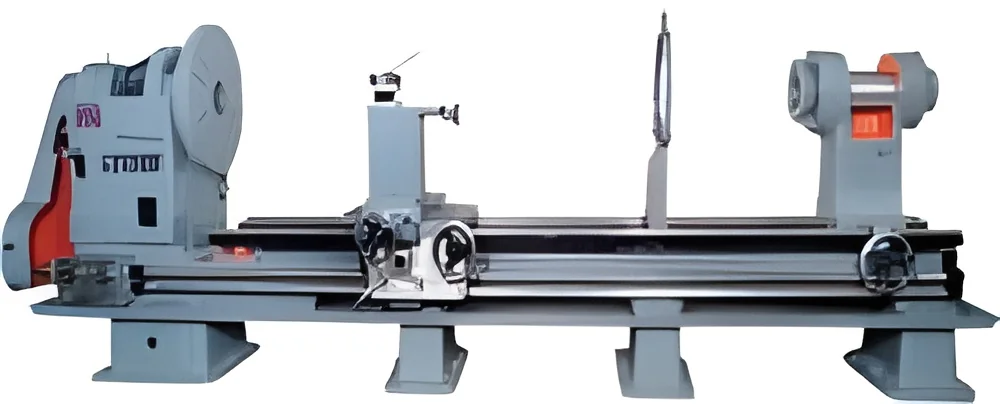
Vertical Lathe Machines: Designed for large workpieces, these machines allow for vertical machining, which is particularly useful for heavy components like large gears and discs.
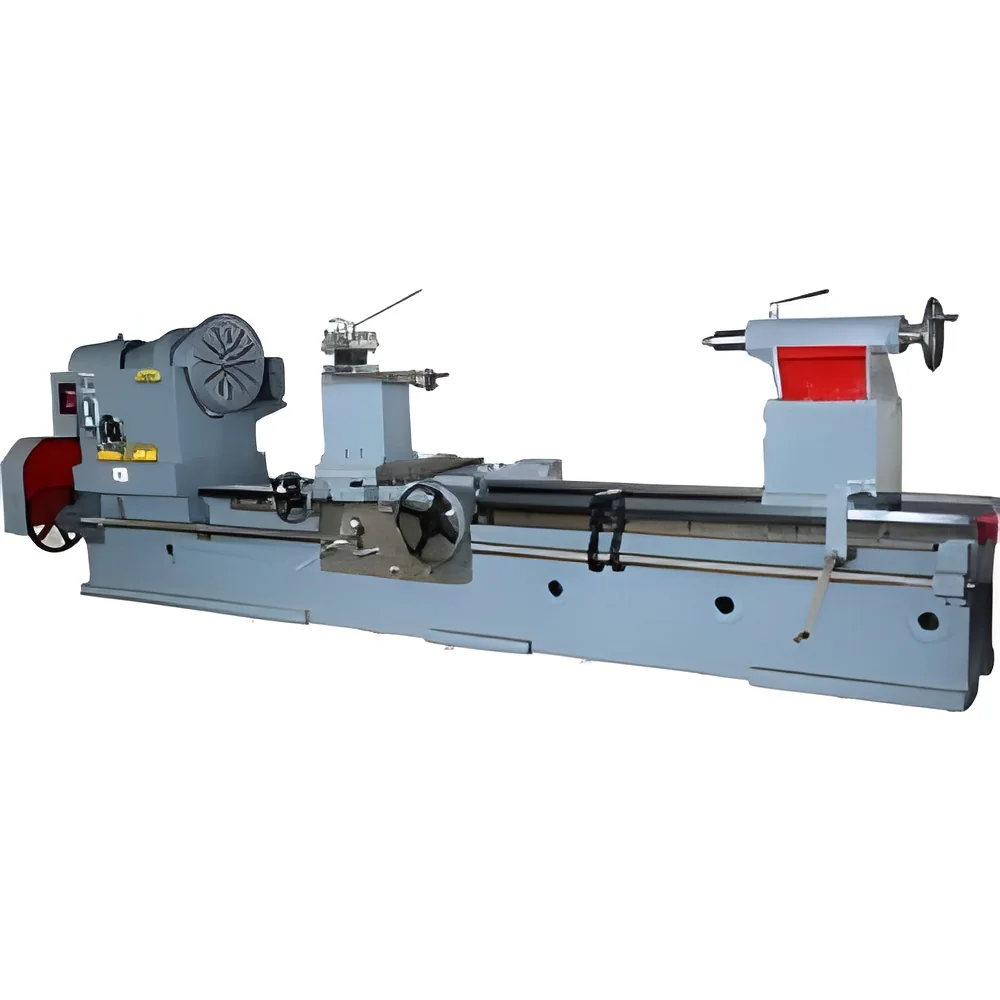
Horizontal Lathe Machines: The most common type, horizontal lathes are versatile and suitable for a wide range of applications, from small precision parts to larger components.
𝗕𝗲𝗻𝗲𝗳𝗶𝘁𝘀 𝗮𝗻𝗱 𝗔𝗱𝘃𝗮𝗻𝘁𝗮𝗴𝗲𝘀
Investing in lathe machines provides numerous advantages for businesses.
1. Precision Machining: Lathe machines offer high levels of precision, essential for producing components that meet strict tolerances and specifications.
2. Versatility: These machines can perform various operations, including turning, drilling, and threading, making them suitable for diverse applications.
3. Increased Efficiency: With the capability to automate processes using CNC technology, lathe machines enhance productivity and reduce manufacturing time.
4. Cost-Effectiveness: By enabling the production of high-quality parts in bulk, lathe machines can lower overall manufacturing costs.
5. Customization: Lathe machines can be tailored to specific needs, allowing businesses to create specialized parts and components as required.
6. Durability: Built with robust materials, lathe machines are designed for longevity, reducing the need for frequent replacements and repairs.
𝗕𝘂𝘆𝗶𝗻𝗴 𝗚𝘂𝗶𝗱𝗲 𝗳𝗼𝗿 𝗕𝟮𝗕 𝗕𝘂𝘆𝗲𝗿𝘀
When sourcing lathe machines, buyers should consider several key factors to make an informed decision.
1. Quality Assessment: Look for machines that adhere to quality standards and have a proven track record of reliability. Inspecting features like build quality and user reviews can provide insights into performance.
2. Supplier Verification: Choose suppliers with a reputation for delivering quality products. Verify their credentials, customer feedback, and after-sales support to ensure a reliable partnership.
3. Pricing and MOQ: Understand the pricing structure and minimum order quantities (MOQ) from suppliers. This helps in budgeting and ensures that you meet your production needs efficiently.
4. Delivery and Lead Times: Discuss delivery schedules and lead times with suppliers. Timely delivery is crucial for maintaining production schedules and avoiding delays.
5. Compliance Requirements: Ensure that the lathe machines meet regional and industry-specific compliance standards. This includes checking for certifications and safety requirements to mitigate risks.
𝗖𝗼𝗺𝗽𝗹𝗶𝗮𝗻𝗰𝗲 𝗮𝗻𝗱 𝗖𝗲𝗿𝘁𝗶𝗳𝗶𝗰𝗮𝘁𝗶𝗼𝗻𝘀
Lathe machines must adhere to various compliance and certification standards to ensure safety and quality.
ISO 9001: This international standard focuses on quality management systems and is critical for manufacturers seeking to demonstrate their commitment to quality in production processes.
CE Marking: Products sold in the European Economic Area must have CE marking, indicating compliance with safety, health, and environmental protection standards.
Safety and Testing Requirements: Lathe machines should meet safety standards that ensure the protection of operators and equipment. Regular testing and certification help maintain these safety standards.
Regional Compliance Considerations: Different regions may have specific regulations governing the design, manufacture, and operation of lathe machines. It is essential to consult local regulations to ensure full compliance.
𝗪𝗵𝘆 𝗦𝗼𝘂𝗿𝗰𝗲 𝗟𝗮𝘁𝗵𝗲 𝗠𝗮𝗰𝗵𝗶𝗻𝗲𝘀 𝗳𝗿𝗼𝗺 𝗣𝗲𝗽𝗮𝗴𝗼𝗿𝗮?
Pepagora provides a trusted platform for sourcing lathe machines, offering several key advantages for businesses seeking quality equipment.
Verified Supplier Network: Pepagora features a network of verified suppliers, ensuring that buyers can trust in the quality and reliability of their products. This network helps streamline the sourcing process and reduces the risk of dealing with unverified manufacturers.
Streamlined RFQ Process: The request for quotation (RFQ) system at Pepagora simplifies the buying process. Buyers can easily request quotes from multiple suppliers, making it easier to compare prices and features.
Trade Assurance and Support: Pepagora offers trade assurance, providing protection for buyers. This includes support throughout the purchasing process, ensuring that businesses can make informed decisions without undue risk.
Regional Coverage: With a focus on regions including India, the Gulf Cooperation Council (GCC), and Southeast Asia, Pepagora facilitates connections between buyers and suppliers across these markets, enhancing accessibility and opportunities for businesses.

 IN
IN