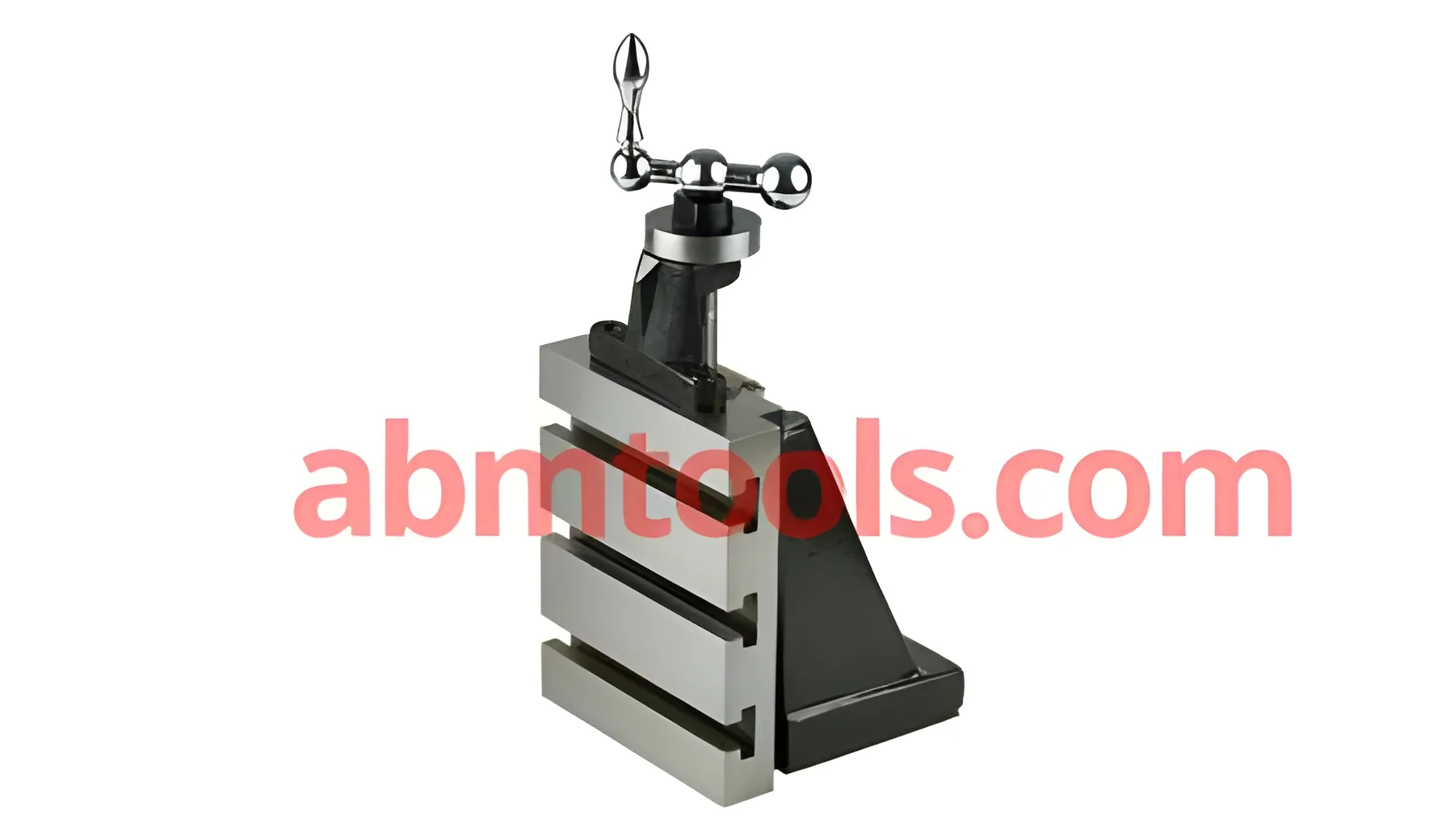
What are Lathe Tool Posts & Holders?
Lathe tool posts and holders are essential components used in machining processes to securely hold cutting tools in place during operations. These devices are mounted on the lathe machine and are designed to provide stability and precision while cutting, shaping, or finishing materials such as metal, wood, or plastic. Tool posts typically allow for height adjustments and can accommodate various types of tooling, enhancing the versatility of the lathe setup.
The primary uses of lathe tool posts and holders extend across numerous industries, including manufacturing, automotive, aerospace, and metalworking. In these sectors, they facilitate a wide range of applications, from turning and facing operations to threading and grooving. Their critical role in ensuring accurate and efficient machining makes them indispensable for businesses aiming to maintain high productivity and quality standards.
In the current market context, the demand for lathe tool posts and holders is driven by advancements in precision engineering and the increasing need for automation. As industries evolve and require more sophisticated machining capabilities, the relevance of high-quality tool posts and holders becomes apparent. Companies investing in these tools are better positioned to enhance their operational efficiency and product quality.
Key Features and Specifications
Lathe tool posts and holders come with a variety of features that cater to different machining needs. Understanding these specifications helps businesses choose the right tools for their operations.
Key specifications include:
1. Material Composition
- Typically made from high-strength steel or aluminum
- Provides durability and resistance to wear
2. Adjustment Mechanism
- Features like quick-release levers or micrometer adjustments
- Allows for precise tool height and angle settings
3. Compatibility
- Designed to fit various lathe models and tool types
- Ensures versatility across different machining applications
4. Tool Holder Types
- Includes standard, quick-change, and modular holders
- Each type offers unique benefits for specific tasks
5. Locking Mechanism
- Reliable clamping systems to prevent tool slippage
- Enhances safety and accuracy during operation
6. Size and Dimensions
- Available in various sizes to accommodate different tools
- Ensures a proper fit for specific lathe setups
7. Weight Capacity
- Specifications often indicate the maximum weight tools can handle
- Important for heavy-duty machining tasks
8. Finish and Coating
- Surface treatments like hardening or plating
- Increases corrosion resistance and lifespan of the tool holder
In summary, selecting lathe tool posts and holders with the right specifications is crucial for optimizing machining performance and ensuring safety during operations.
Common Applications and Use Cases
Lathe tool posts and holders are widely utilized across various sectors, enhancing efficiency and precision in machining processes.
1. Manufacturing: In manufacturing, these tools are used for producing components with tight tolerances, ensuring high-quality outputs for products ranging from simple parts to complex assemblies.
2. Automotive: The automotive industry relies on lathe tool posts for machining engine components, transmission parts, and other critical elements that require precise dimensions and finishes.
3. Aerospace: In aerospace applications, lathe tool posts and holders are crucial for fabricating lightweight yet strong components, meeting stringent safety and performance standards.
4. Metalworking: Tool posts are common in metalworking shops where machinists create custom parts, prototypes, and repairs, providing the necessary versatility for various tasks.
5. Woodworking: In woodworking, lathe tool holders facilitate the shaping of wooden products, from furniture to decorative items, ensuring smooth finishes and intricate designs.
6. Medical Device Manufacturing: Tool posts are used in the production of medical devices, where precision is essential for safety and functionality.
7. Electronics: In electronics manufacturing, lathe tool posts assist in machining components for circuit boards and other devices that require precise measurements.
Product Variants and Subcategories
Lathe tool posts and holders come in various designs, catering to the diverse needs of different machining environments.
Standard Tool Post: This variant offers a reliable, traditional design suitable for a wide range of lathe applications. Its robust construction ensures stability during machining, making it ideal for general-purpose use.
Quick-Change Tool Post: Designed for efficiency, this variant allows for fast tool changes without the need for recalibration. It is particularly useful in high-volume production settings where time savings are essential.
Modular Tool Holder: This type enables users to customize their setup based on specific machining tasks. With interchangeable components, it offers flexibility and adaptability for various applications.
Benefits and Advantages
Investing in high-quality lathe tool posts and holders provides numerous advantages for businesses.
1. Enhanced Precision: These tools help achieve accurate cuts and finishes, reducing the need for rework and improving product quality.
2. Increased Efficiency: Quick-change systems and adjustable features allow for faster setups and tool changes, minimizing downtime.
3. Greater Versatility: The variety of tool holders available enables businesses to handle different machining tasks without needing multiple machines.
4. Improved Safety: Reliable locking mechanisms ensure tools remain securely in place during operation, reducing the risk of accidents.
5. Cost Savings: High-quality tool posts and holders contribute to longer tool life and less frequent replacements, leading to reduced overall costs.
6. Better Work Environment: Enhanced tool stability and performance contribute to less vibration and noise, creating a more pleasant workspace for operators.
Buying Guide for B2B Buyers
When sourcing lathe tool posts and holders, businesses should consider several key factors to ensure they make informed decisions.
1. Quality Assessment: Look for products made from durable materials with reliable construction. Check for user reviews and ratings to gauge performance.
2. Supplier Verification: Research potential suppliers to confirm their reputation and reliability. Consider their certifications and industry experience.
3. Pricing and MOQ: Understand the pricing structure and minimum order quantities. Compare quotes from multiple suppliers to find the best value.
4. Delivery and Lead Times: Inquire about shipping options and lead times to ensure timely delivery of products. Factor this into your project timelines.
5. Compliance Requirements: Ensure that the lathe tool posts and holders meet relevant industry standards and regulations. This may include certifications such as CE.
Compliance and Certifications
Lathe tool posts and holders must adhere to various quality standards and regulations to ensure safety and performance.
ISO 9001 is a widely recognized standard that focuses on quality management systems. Compliance with ISO 9001 demonstrates a supplier's commitment to quality and continuous improvement.
CE certification indicates that products meet European safety and environmental protection standards. This certification is important for companies looking to operate in European markets.
Safety and testing requirements may vary by region and industry. It's essential for manufacturers to conduct thorough testing to ensure their products are safe for use in demanding environments.
Additionally, businesses should consider regional compliance regulations that may affect the sourcing and use of lathe tool posts and holders. Understanding these requirements is critical for maintaining compliance and avoiding potential legal issues.
Why Source Lathe Tool Posts & Holders from Pepagora?
Pepagora provides a trusted platform for sourcing lathe tool posts and holders, offering several key advantages to B2B buyers.
Verified Supplier Network: Pepagora connects buyers with a network of verified suppliers, ensuring that all products meet high standards of quality and reliability. This gives businesses peace of mind when making purchasing decisions.
Streamlined RFQ Process: The platform features a user-friendly request-for-quotation (RFQ) system that simplifies the process of obtaining quotes from multiple suppliers. This allows buyers to compare options easily and select the best fit for their needs.
Trade Assurance and Support: Pepagora offers trade assurance to protect buyers during transactions. This includes support services to address any issues that may arise, ensuring a smooth purchasing experience.
Regional Coverage: With a strong presence in India, the GCC, and Southeast Asia, Pepagora provides extensive regional coverage, making it easy for businesses to find suitable suppliers within their geographic area. This broad reach enhances accessibility and convenience for all buyers.

 IN
IN