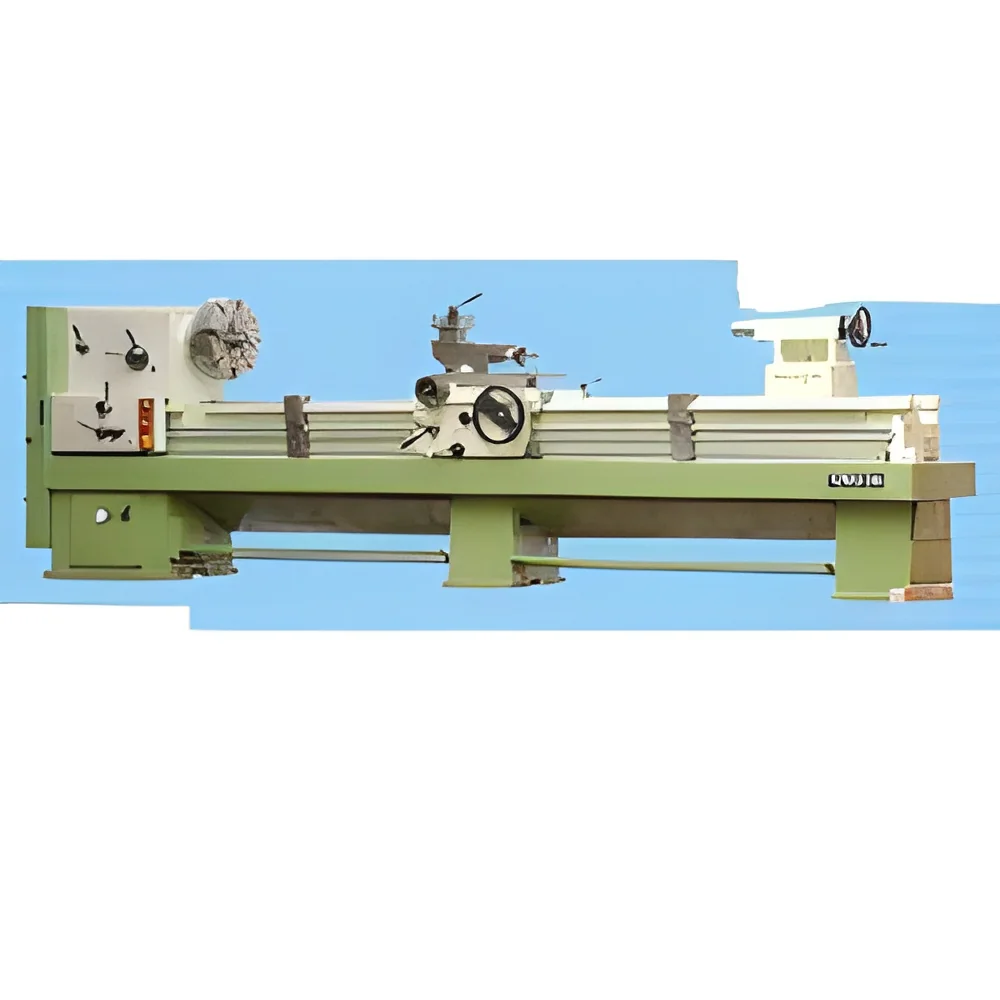
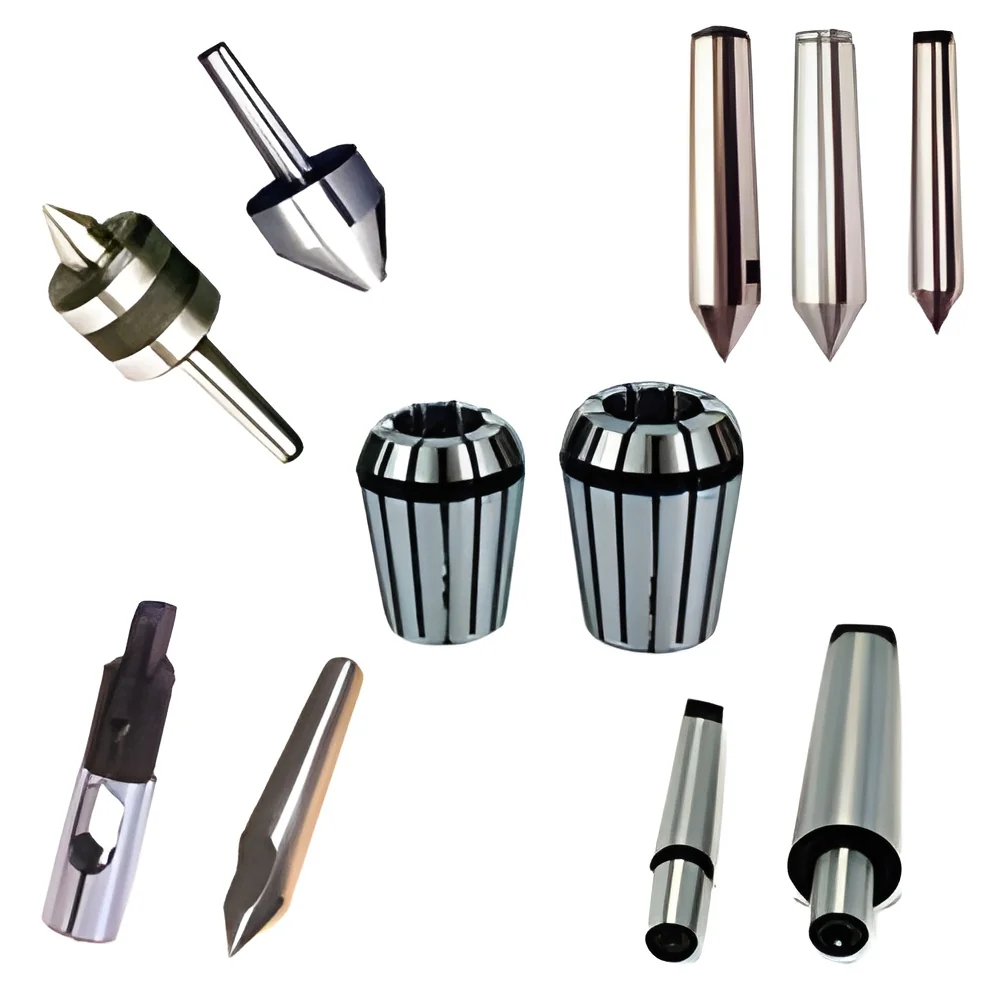
What are Precision Lathes?
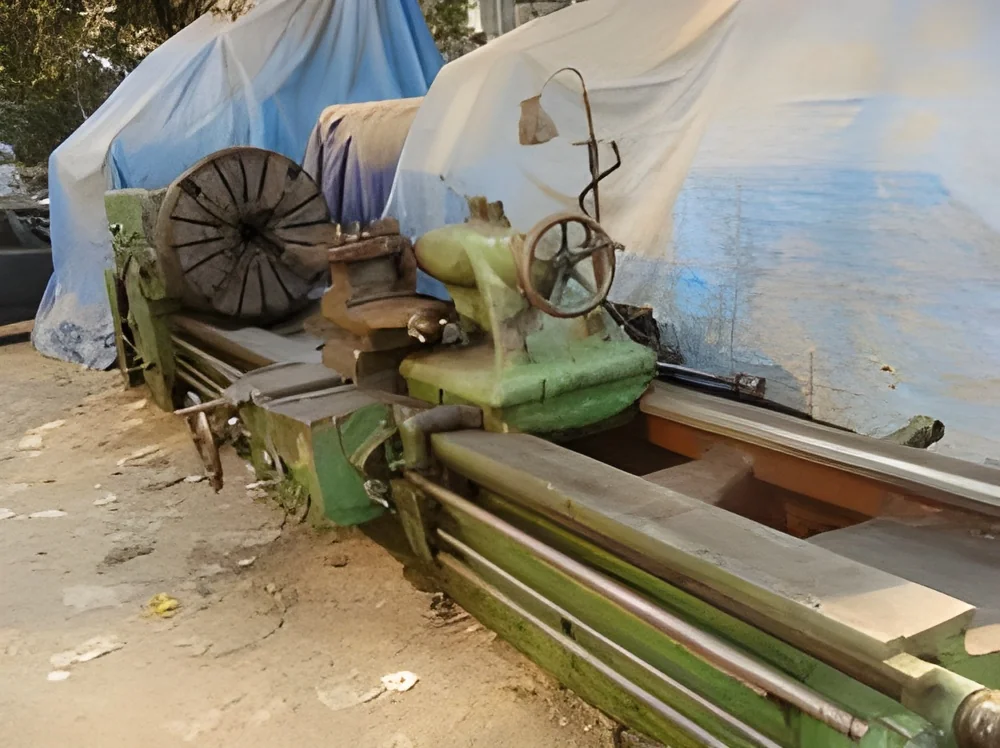
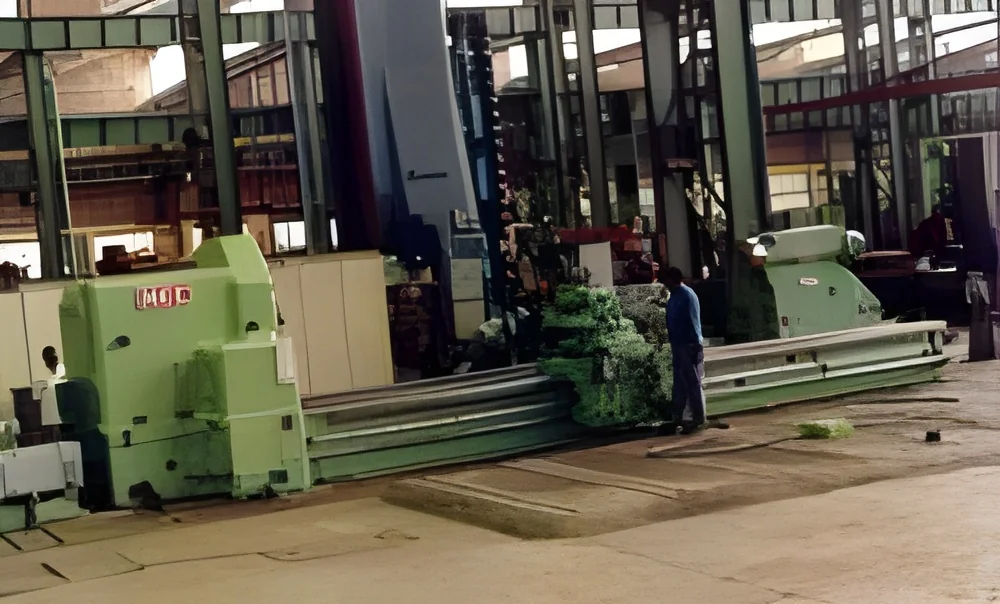
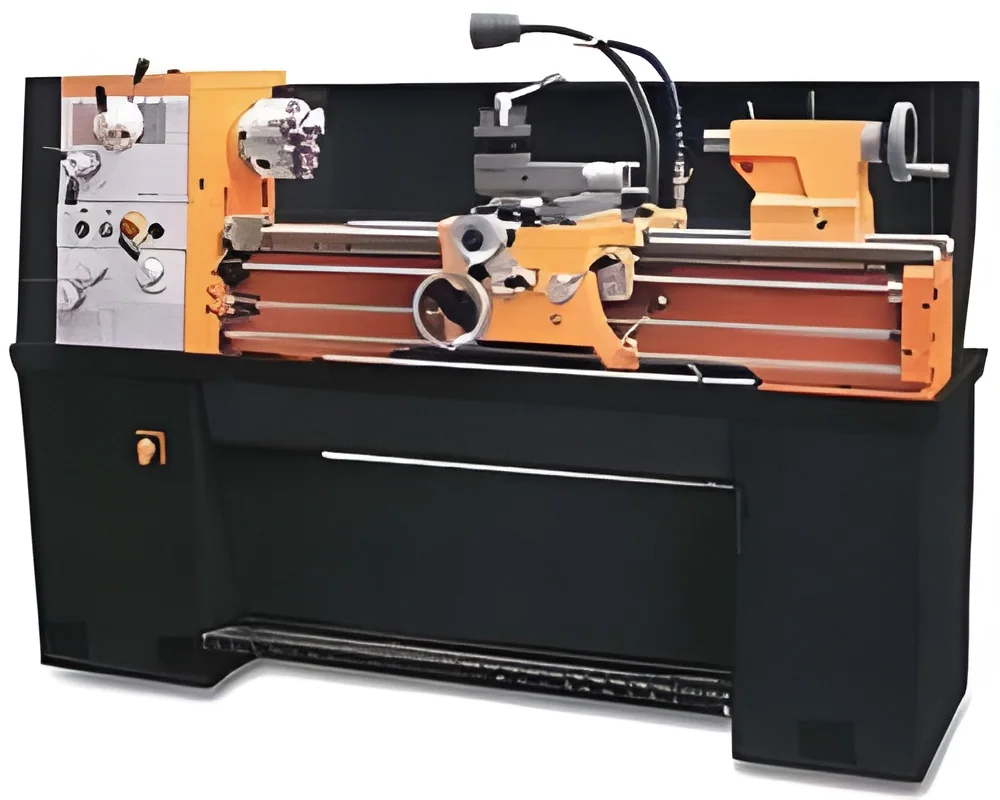
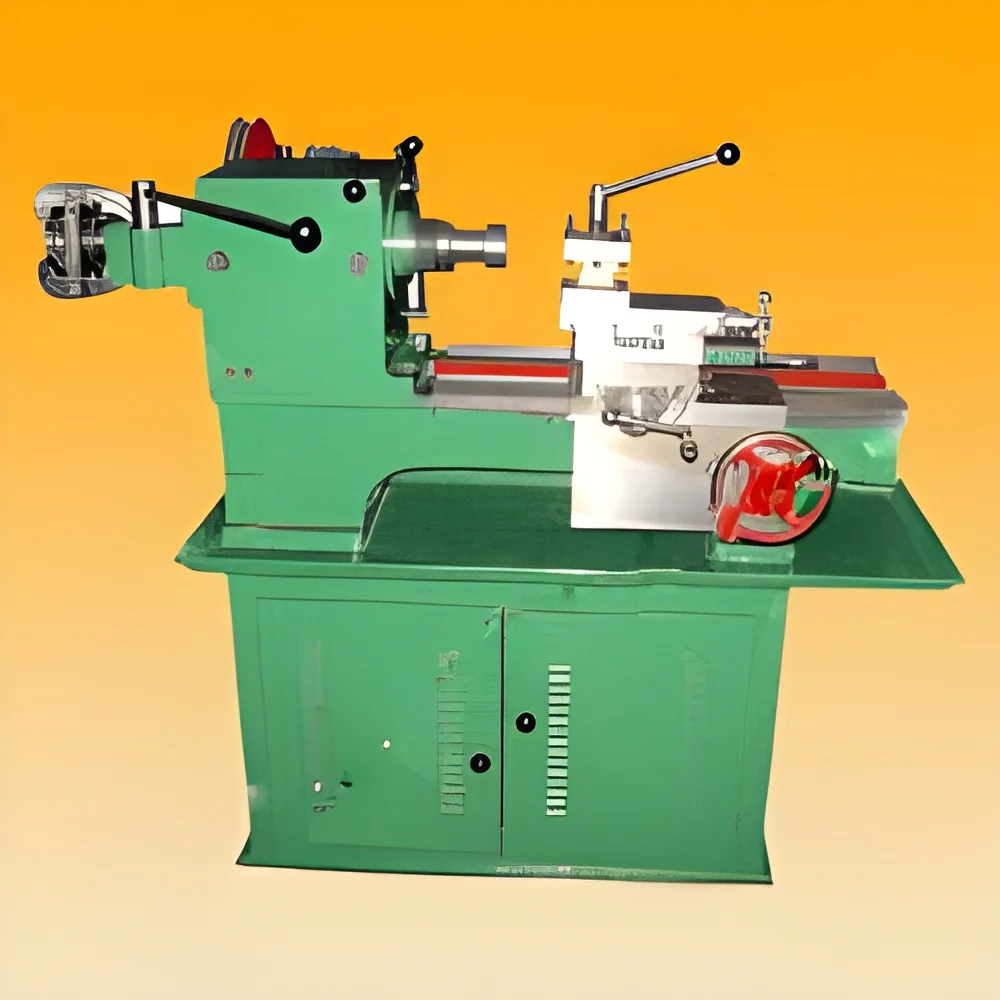
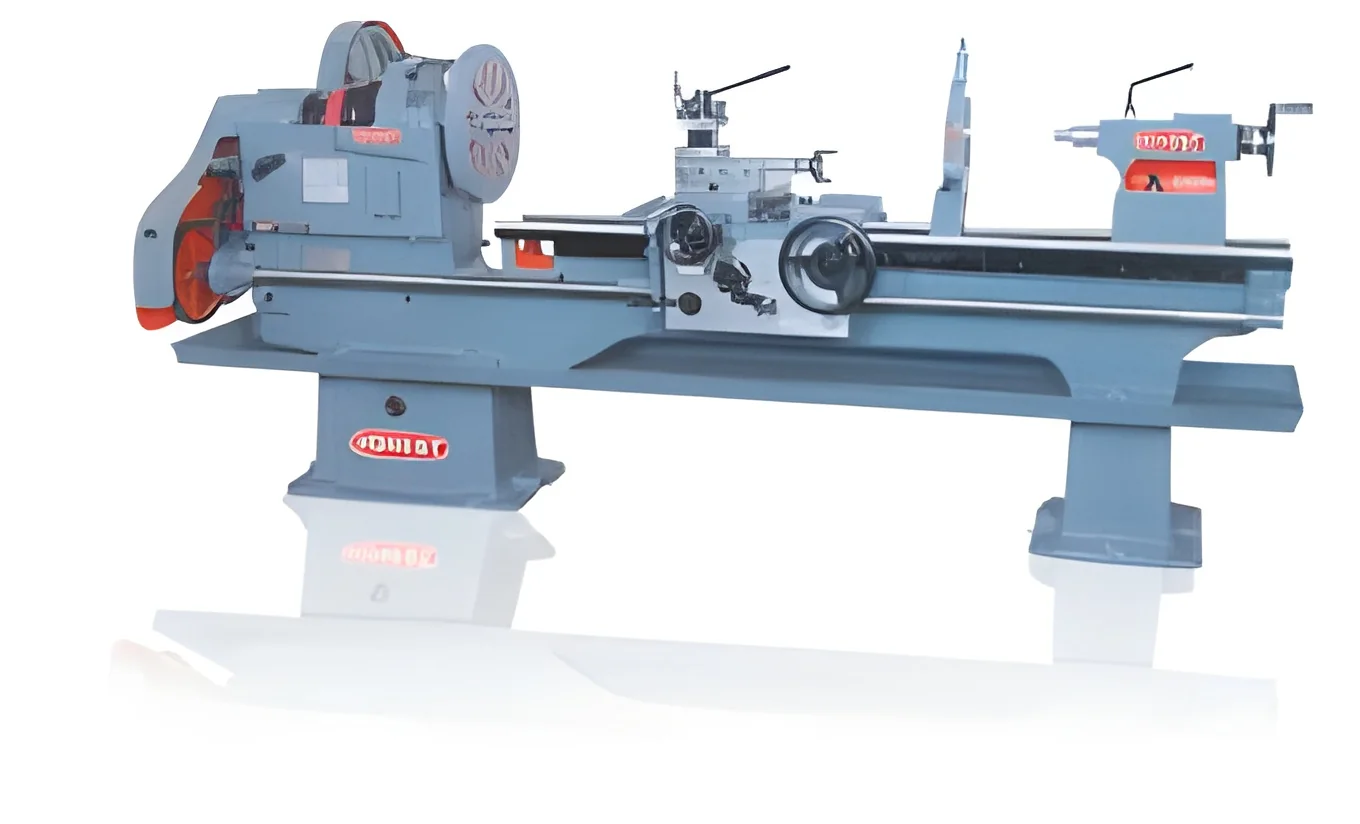
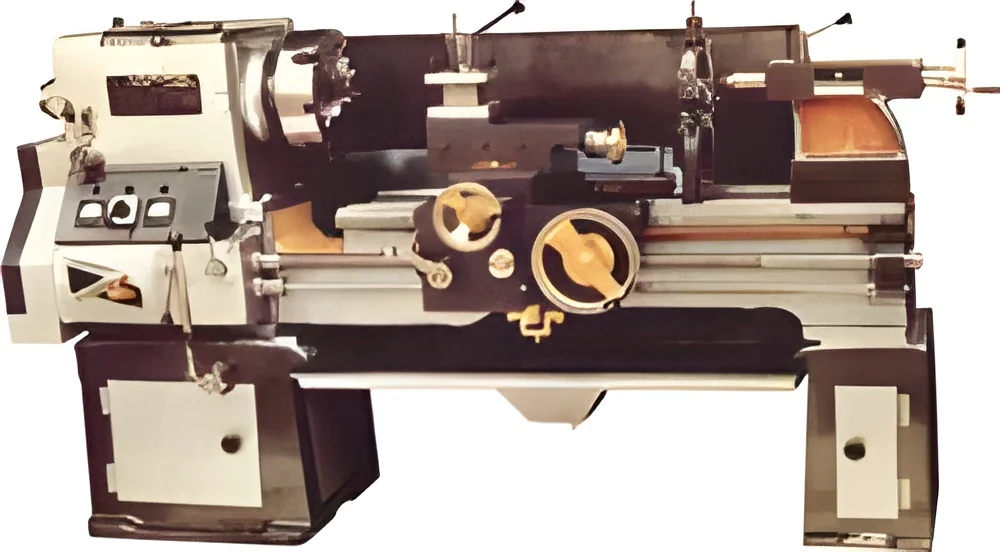
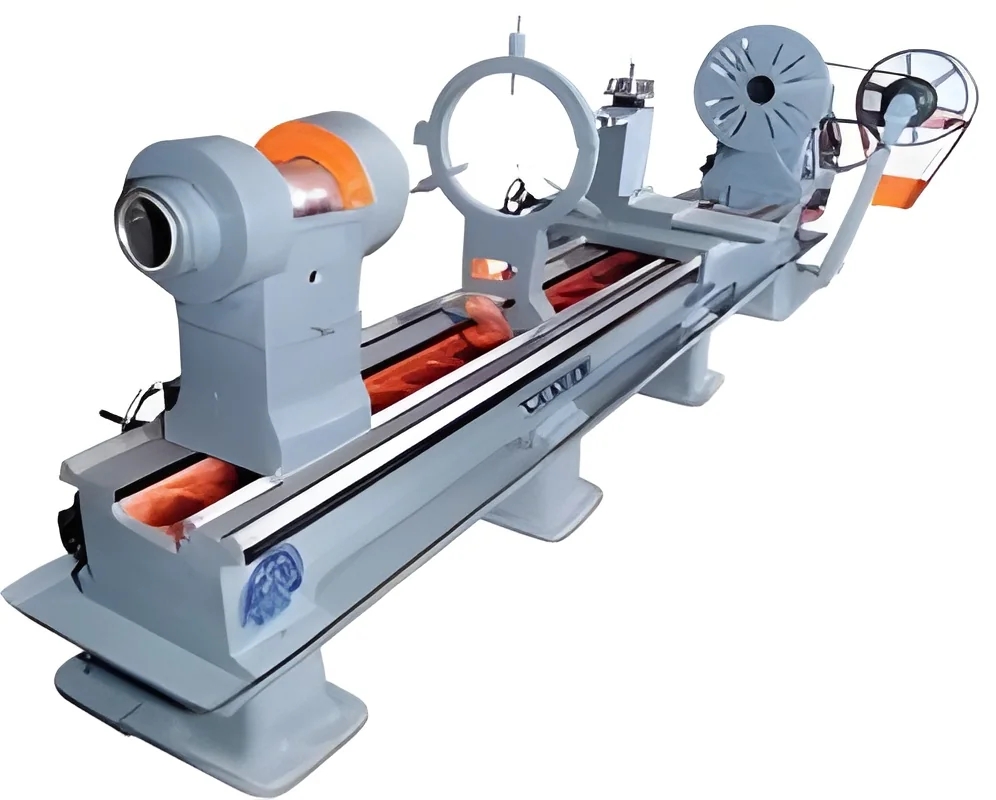
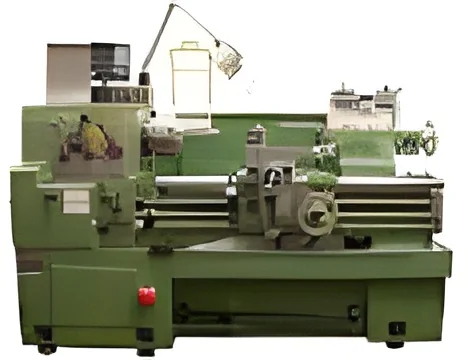
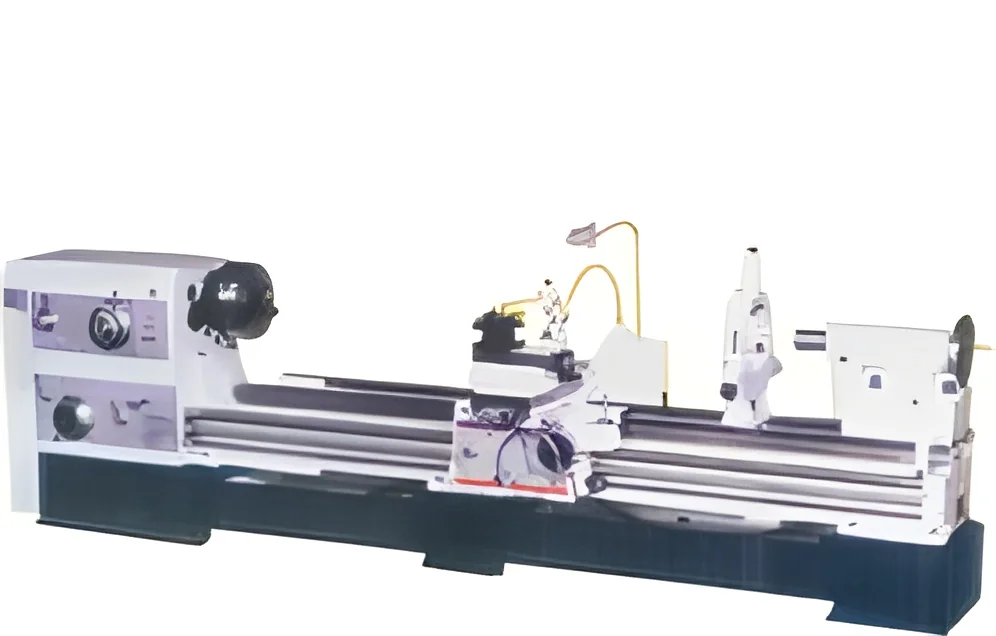
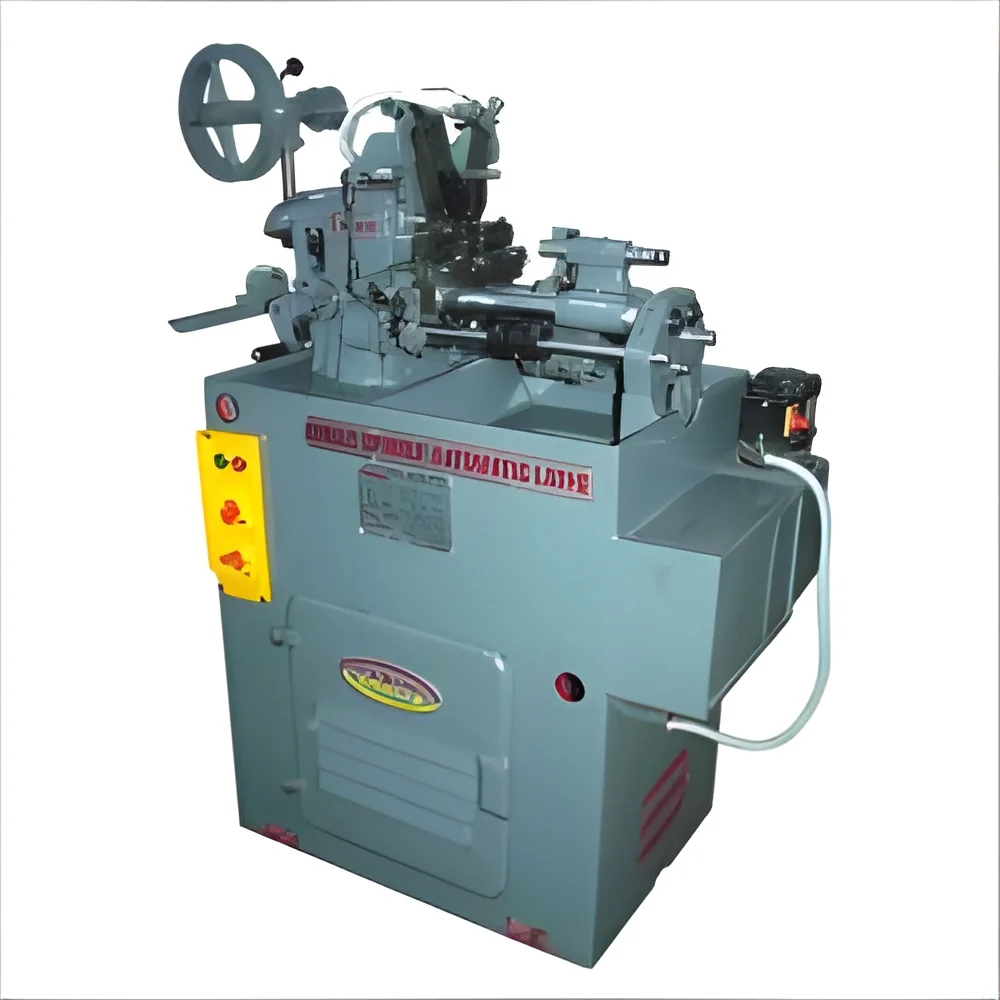
Precision lathes are advanced machining tools designed to shape and cut materials with high accuracy and precision. These machines are essential in various manufacturing processes, allowing for the production of complex geometries and intricate designs. Precision lathes operate by rotating the workpiece against a cutting tool, enabling the creation of cylindrical shapes, threads, and other detailed features. Their capability to produce high-quality parts makes them invaluable in industries requiring stringent tolerances.
The primary uses of precision lathes span multiple sectors, including automotive, aerospace, medical devices, and electronics. In these industries, precision lathes are employed to manufacture components such as shafts, gears, and housings, which are critical for the overall functionality of various products. By utilizing precision lathes, businesses can enhance their production capabilities, improve product quality, and reduce waste, making them a pivotal part of modern manufacturing.
As industries continue to evolve, the relevance of precision lathes remains strong. The demand for high-quality parts and components is growing, driven by technological advancements and the need for increased efficiency. In a competitive market, investing in precision lathes can provide companies with a significant edge, as they enable the production of superior products that meet the high standards of today's consumers.
Key Features and Specifications
Precision lathes come equipped with a range of features that enhance their performance and usability. These features cater to the needs of various industries, ensuring that manufacturers can achieve their production goals efficiently and effectively.
Key specifications include:
1. Maximum Spindle Speed
- Typically ranges from 1,000 to 5,000 RPM
- Allows for optimal cutting speeds based on material type
2. Swing Over Bed
- Varied size, usually from 12 inches to 20 inches
- Determines the maximum diameter of the workpiece that can be processed
3. Distance Between Centers
- Commonly ranges from 24 inches to 60 inches
- Affects the length of the workpieces that can be accommodated
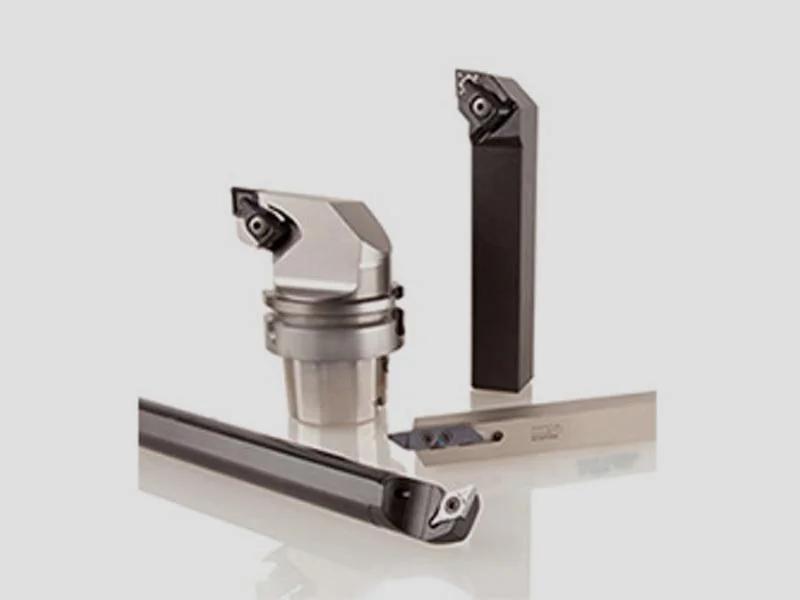
4. Tool Post Type
- Options include quick-change and turret tool posts
- Facilitates faster tool changes and increased productivity
5. Control System
- Can be manual, CNC, or hybrid systems
- Provides flexibility in operation based on user requirements
6. Bed Material
- Typically constructed from cast iron or steel
- Offers stability and vibration dampening for improved precision
7. Weight Capacity
- Varies by model, often exceeding 1,000 pounds
- Ensures the lathe can handle heavy workpieces without compromising performance
8. Power Supply
- Usually operates on standard voltage of 220V or 440V
- Compatibility with industrial power sources for reliable operation
Precision lathes combine these specifications to deliver superior machining capabilities, making them essential tools in modern manufacturing.
Common Applications and Use Cases
Precision lathes are versatile machines used across various industries, each with specific applications that highlight their importance.
1. Automotive: In the automotive industry, precision lathes are used to manufacture parts such as crankshafts, camshafts, and gear components. These parts require tight tolerances and durable finishes to ensure optimal performance and safety.
2. Aerospace: Aerospace manufacturers rely on precision lathes for components like turbine housings and landing gear parts. The need for lightweight and strong materials makes precision lathes essential for producing high-quality aerospace components.
3. Medical Devices: Precision lathes play a crucial role in the production of medical device components, such as surgical instruments and implantable devices. The accuracy and reliability of these parts are vital for patient safety and product efficacy.
4. Electronics: In the electronics sector, precision lathes are used to create connectors, housings, and other components that require intricate designs and precise measurements. These parts contribute to the functionality and performance of electronic devices.
5. Defense: The defense industry uses precision lathes to manufacture critical components for military equipment. The durability and precision of these parts are essential for ensuring operational efficiency in demanding environments.
6. Marine: In the marine industry, precision lathes are employed to produce parts for boats and ships, such as propellers and shafts. The ability to withstand harsh marine conditions makes these components vital for vessel performance.
7. Heavy Machinery: Precision lathes are used in the production of parts for heavy machinery, including construction equipment and agricultural machines. The ability to create robust components is crucial for the durability of these machines.
Product Variants and Subcategories
Precision lathes come in various configurations to meet specific manufacturing needs. These variants provide flexibility and adaptability for different applications.
CNC Precision Lathes
CNC precision lathes are equipped with computer numerical control systems, allowing for automated and highly precise machining operations. These lathes are ideal for complex part production, enabling manufacturers to achieve high levels of accuracy and repeatability.
Manual Precision Lathes
Manual precision lathes require operator intervention for machining processes. They are often used in smaller workshops or for specific applications where automation is not necessary. These lathes offer versatility and control for skilled machinists.
Hybrid Precision Lathes
Hybrid precision lathes combine features of both CNC and manual lathes, providing flexibility for various machining tasks. They can be operated manually or programmed for automated processes, making them suitable for a wide range of applications.
Benefits and Advantages
Investing in precision lathes offers numerous benefits for manufacturing businesses.
1. Enhanced Precision: Precision lathes provide high accuracy, allowing for the production of intricate parts with tight tolerances. This leads to improved product quality and customer satisfaction.
2. Increased Efficiency: The automation capabilities of CNC lathes streamline production processes, reducing cycle times and increasing overall productivity. This efficiency can lead to lower operational costs.
3. Versatility: Precision lathes can handle a variety of materials, including metals, plastics, and composites. This versatility makes them suitable for diverse manufacturing applications.
4. Improved Consistency: Precision lathes ensure uniformity in part production, reducing variability and enhancing quality control. This consistency is crucial for meeting industry standards.
5. Customization Options: Many precision lathes can be tailored to meet specific manufacturing needs, including tooling and software adjustments. This flexibility allows businesses to adapt to changing market demands.
6. Long-Term Durability: Built with robust materials, precision lathes are designed for longevity. Their durability minimizes maintenance costs and downtime, contributing to overall operational efficiency.
Buying Guide for B2B Buyers
When sourcing precision lathes, it is essential for buyers to consider several key factors to ensure a successful acquisition.
1. Quality Assessment: Evaluate the quality of the lathe by considering its construction, brand reputation, and user reviews. Ensuring high-quality standards will lead to better performance and longevity.
2. Supplier Verification: Vet suppliers by checking their certifications, industry experience, and customer feedback. Reliable suppliers will provide assurance of product quality and support.
3. Pricing and MOQ: Understand the pricing structure and minimum order quantities. This knowledge will help in budgeting and planning for future production needs.
4. Delivery and Lead Times: Inquire about delivery schedules and lead times. Timely delivery is critical to maintaining production schedules and meeting customer demands.
5. Compliance Requirements: Ensure that the chosen precision lathe meets relevant industry compliance and regulatory standards. This consideration is vital for quality assurance and market acceptance.
Compliance and Certifications
Precision lathes are subject to various quality standards and compliance regulations that ensure their reliability and safety. ISO 9001 is a widely recognized standard for quality management systems, ensuring that manufacturers adhere to high-quality production processes. This certification is essential for companies looking to maintain their competitive edge in the market.
Additionally, precision lathes must comply with industry-specific certifications such as CE marking, which indicates conformity with health, safety, and environmental protection standards within the European Economic Area. Compliance with these standards not only enhances product credibility but also assures customers of the safety and reliability of the machinery.
Manufacturers of precision lathes must also consider regional compliance requirements, which can vary significantly from one area to another. Understanding these regulations is crucial for businesses operating in multiple markets, as it ensures that the products meet local standards and avoid potential legal issues.
Why Source Precision Lathes from Pepagora?
Pepagora offers a trusted platform for sourcing precision lathes, presenting several key advantages for B2B buyers.
Verified Supplier Network: Pepagora features a network of verified suppliers who are committed to quality and reliability. This ensures that buyers can source high-quality precision lathes with confidence.
Streamlined RFQ Process: The Request for Quotation (RFQ) process on Pepagora is designed to be user-friendly, allowing buyers to easily compare offers and make informed decisions. This efficiency saves time and improves procurement outcomes.
Trade Assurance and Support: Pepagora provides trade assurance, protecting buyers throughout the sourcing process. This support includes assistance with negotiations, shipping, and after-sales service, ensuring a smooth experience.
Regional Coverage: With a focus on markets in India, the Gulf Cooperation Council (GCC), and Southeast Asia, Pepagora offers extensive regional coverage. This geographic reach enables businesses to connect with local suppliers and meet their specific manufacturing needs effectively.

 IN
IN