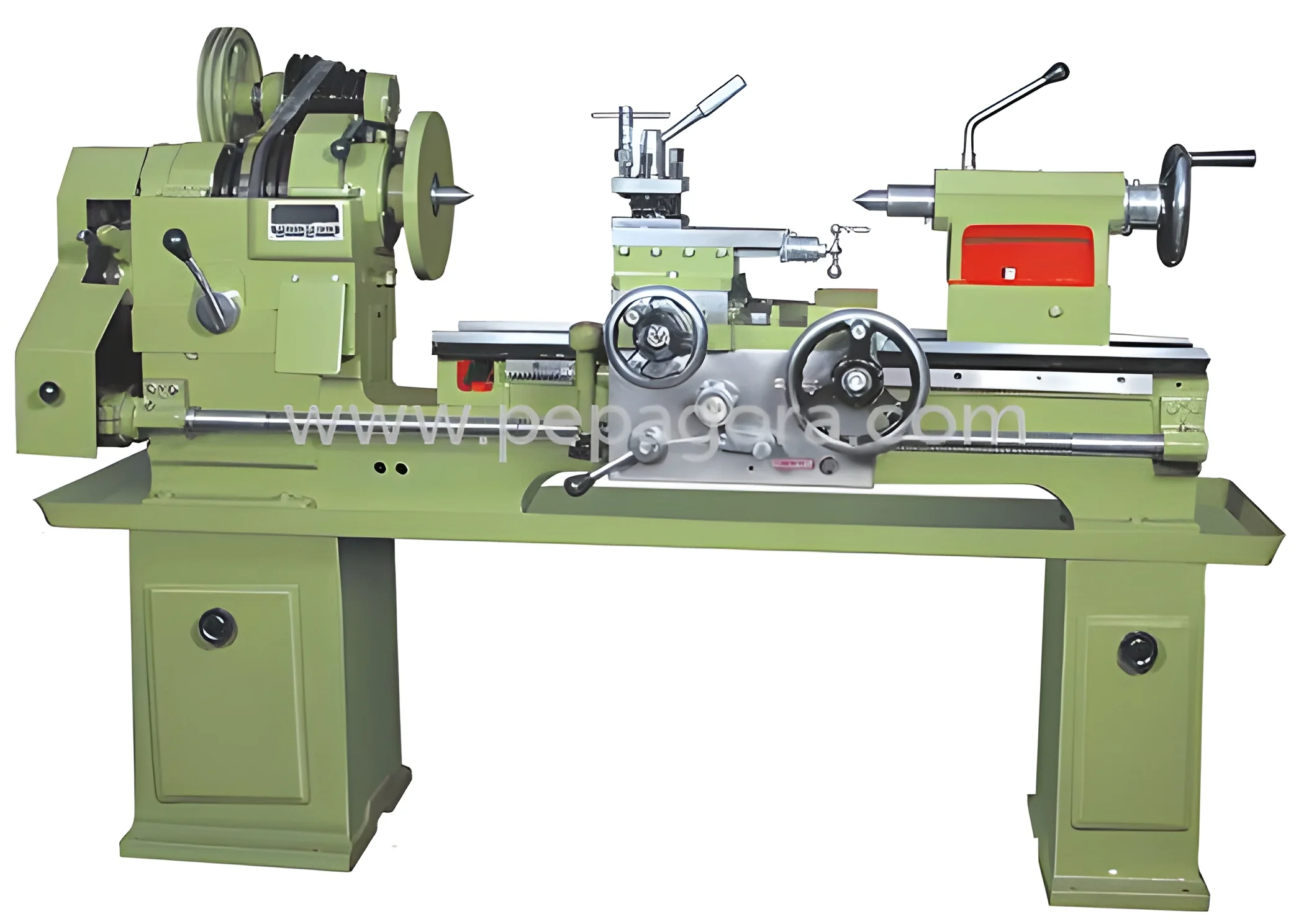
What are Bench Lathes?
Bench lathes are precision machining tools that allow for the shaping and finishing of materials such as metal, wood, and plastic. These compact machines are designed to be mounted on a workbench, making them accessible and easy to operate in various workshop settings. Bench lathes are versatile, capable of performing tasks such as turning, drilling, and sanding, which are essential for creating detailed components and prototypes.
Primarily, bench lathes are utilized in small-scale manufacturing, educational institutions, and hobbyist workshops. They are particularly favored for their ability to produce intricate parts with tight tolerances. Businesses use bench lathes for tasks ranging from crafting small mechanical components to creating artistic designs. As industries increasingly focus on precision engineering, the demand for bench lathes continues to grow, highlighting their importance in modern manufacturing environments.
The relevance of bench lathes extends across numerous sectors, including automotive, aerospace, and general manufacturing. As technology advances, the integration of computer numerical control (CNC) capabilities into bench lathes has expanded their functionality, further solidifying their place in the market. The evolving landscape of manufacturing emphasizes the need for efficient and precise tools, making bench lathes a critical investment for businesses focused on innovation and quality.
Key Features and Specifications
Bench lathes come equipped with various features that enhance their functionality and ease of use. Understanding these specifications is crucial for making informed purchasing decisions.
Key specifications include:
1. Swing Over Bed
- This refers to the maximum diameter of the workpiece that can be rotated over the bed of the lathe.
- Typical ranges are between 6 inches to 12 inches.
2. Distance Between Centers
- This specification indicates the maximum length of the workpiece that can be accommodated.
- Standard options range from 12 inches to 48 inches.
3. Motor Power
- The power of the motor affects the lathe's capability to handle different materials and tasks.
- Common motor ratings are between 0.5 HP to 2 HP.
4. Spindle Speed
- This indicates the rotational speed of the spindle, measured in revolutions per minute (RPM).
- Bench lathes generally have adjustable speeds ranging from 100 to 3000 RPM.
5. Tailstock Travel
- This refers to the distance the tailstock can move along the bed, allowing for various setups.
- Typical travel ranges from 2 inches to 6 inches.
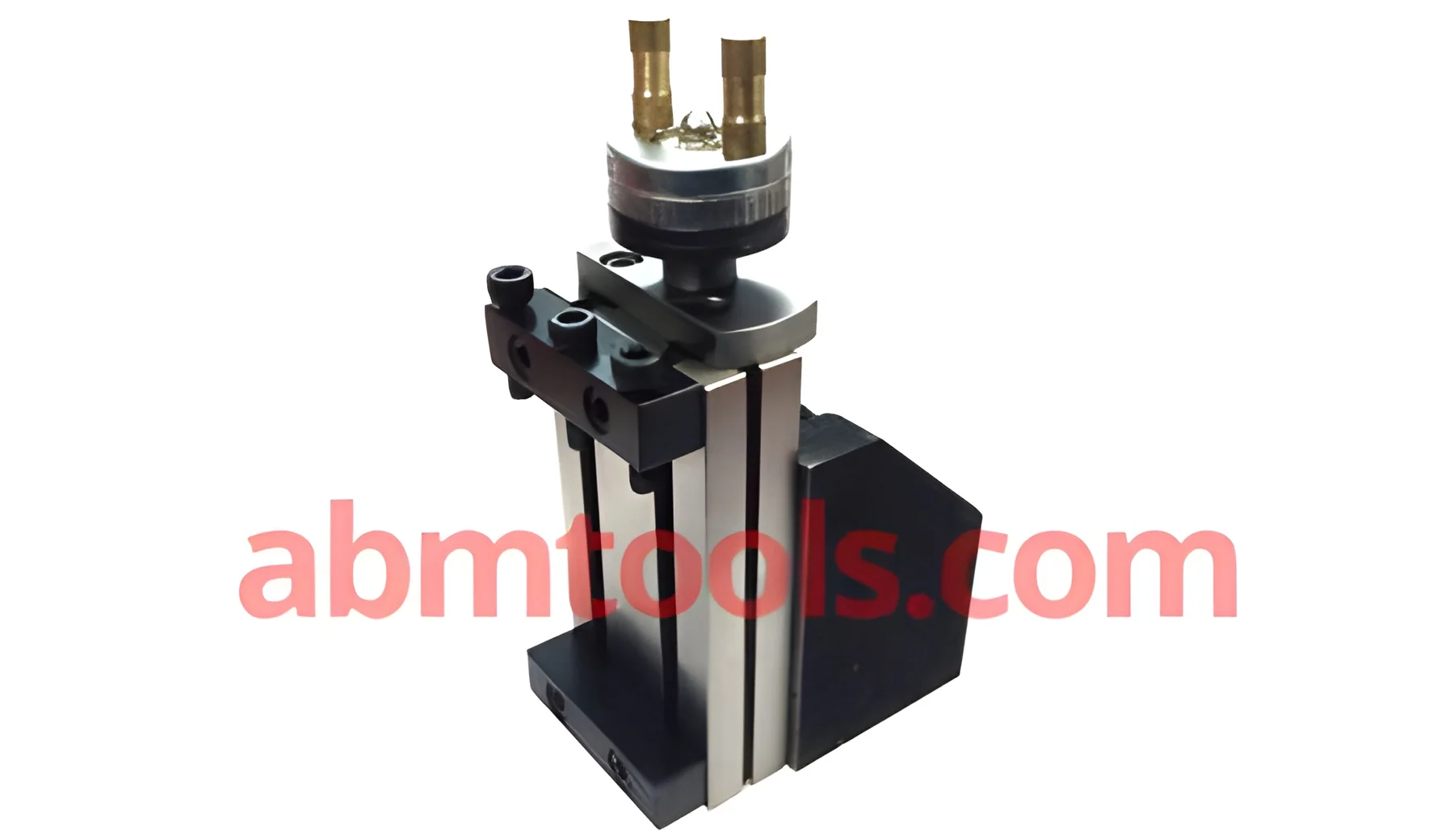
6. Tool Post Type
- The type of tool post determines how tools are mounted and adjusted.
- Common types include quick-change tool posts and standard tool posts.
7. Weight
- The weight of the bench lathe affects its stability during operation.
- Most models weigh between 50 to 200 pounds.
8. Material Construction
- Bench lathes are typically constructed from cast iron or steel for durability and vibration reduction.
In summary, understanding these features and specifications is vital for selecting the right bench lathe for specific applications, ensuring optimal performance and longevity.
Common Applications and Use Cases
Bench lathes are utilized in various industries, highlighting their versatility and essential role in manufacturing processes.
1. Automotive Industry: In automotive shops, bench lathes are used for fabricating components such as brackets, shafts, and custom fittings, enabling precise modifications and repairs.
2. Aerospace Industry: Aerospace manufacturers utilize bench lathes to produce critical parts with tight tolerances, including engine components and structural elements, ensuring safety and reliability.
3. Woodworking: Woodworkers often employ bench lathes to create decorative items, furniture parts, and custom designs, allowing for intricate shaping and finishing.
4. Metalworking: In metalworking, bench lathes are essential for machining metal parts, delivering high precision for gears, pulleys, and other machinery components.
5. Education: Educational institutions use bench lathes for teaching engineering and manufacturing concepts, offering students hands-on experience with machining tools.
6. Prototyping: In product development, bench lathes facilitate the rapid prototyping of designs, allowing for quick iterations and testing of components.
7. DIY Projects: Hobbyists often rely on bench lathes for personal projects, enabling the creation of custom parts and artistic works.
Product Variants and Subcategories
Bench lathes come in a variety of models to suit different applications and user needs. Each variant offers unique features and capabilities.
Mini Bench Lathe
Mini bench lathes are compact and portable, ideal for small workshops and DIY enthusiasts. They typically have lower power ratings and are perfect for light-duty tasks, such as crafting jewelry or small mechanical parts.
Variable Speed Bench Lathe
This variant allows users to adjust the spindle speed easily, enhancing flexibility for a range of materials and tasks. Variable speed lathes are suitable for both beginners and experienced machinists seeking to optimize their operations.
Heavy-Duty Bench Lathe
Designed for more demanding applications, heavy-duty bench lathes offer increased power and stability. They can handle larger workpieces and are commonly used in industrial settings for heavy machining tasks.
CNC Bench Lathe
CNC bench lathes integrate computer numerical control technology, allowing for automated machining. This variant is ideal for high-precision manufacturing and complex part production, catering to industries that require consistency and repeatability.
Benefits and Advantages
Investing in bench lathes offers numerous benefits that enhance productivity and precision in various applications.
1. Precision Machining: Bench lathes provide high accuracy, ensuring that components meet strict tolerances and specifications.
2. Versatility: These machines can perform multiple tasks, such as turning, drilling, and sanding, making them suitable for various projects.
3. Space Efficiency: Their compact design allows them to fit into small workshops, maximizing workspace utilization.
4. Cost-Effective: Bench lathes are often more affordable than larger industrial lathes, providing a budget-friendly option for small businesses and hobbyists.
5. Ease of Use: Many bench lathes are designed for user-friendly operation, making them accessible for beginners while still offering advanced features for experienced users.
6. Customization Potential: Bench lathes can be equipped with various attachments and tools, allowing for customized setups based on specific machining needs.
Buying Guide for B2B Buyers
When sourcing bench lathes, it is essential for B2B buyers to consider various factors to ensure they make an informed purchase.
1. Quality Assessment: Evaluate the quality of the lathe by reviewing the materials used in construction, the reputation of the manufacturer, and any user reviews. High-quality machines typically offer better performance and longevity.
2. Supplier Verification: Conduct thorough research on potential suppliers to verify their credibility and reliability. Look for certifications and customer testimonials to ensure they can meet your needs.
3. Pricing and MOQ: Understand the pricing structure and minimum order quantities (MOQ) from suppliers. Balancing cost with quality is crucial for maximizing value in your investment.
4. Delivery and Lead Times: Discuss delivery schedules and lead times with suppliers to ensure that the lathe will arrive when needed. Timely delivery is essential for maintaining production schedules.
5. Compliance Requirements: Be aware of any regulatory compliance needed for bench lathes in your industry. This may include safety standards and certifications that the machinery must meet.
Compliance and Certifications
Bench lathes must adhere to various compliance and certification standards to ensure safety and reliability in their operation. ISO 9001 is a widely recognized quality management standard that applies to manufacturing processes and products, promoting consistency and quality control.
Additionally, many bench lathes carry the CE mark, indicating compliance with European safety, health, and environmental protection standards. This certification assures users that the equipment has been thoroughly tested and meets necessary regulations.
Safety and testing requirements vary by region, and it is important for manufacturers to stay updated on local laws and industry standards. This may include specific safety measures, such as emergency stop functions and protective guards, to prevent accidents during operation. Regional compliance considerations should also be taken into account to ensure that the machinery meets all applicable legal requirements.
Why Source Bench Lathes from Pepagora?
Pepagora provides a trusted platform for sourcing bench lathes, offering several key advantages to B2B buyers.
Verified Supplier Network: Pepagora features a network of verified suppliers, ensuring that buyers can connect with reputable manufacturers. This verification process helps mitigate risks associated with sourcing equipment.
Streamlined RFQ Process: The platform simplifies the request for quotation (RFQ) process, allowing buyers to easily obtain quotes from multiple suppliers. This efficiency enables users to compare options and make informed decisions.
Trade Assurance and Support: Pepagora offers trade assurance and buyer protection, giving customers confidence in their purchases. Support services are available to assist with any inquiries or issues that may arise during the sourcing process.
Regional Coverage: With a strong presence in India, the GCC, and Southeast Asia, Pepagora provides access to a diverse range of suppliers and products. This geographic reach ensures that buyers can find suitable bench lathes tailored to their specific needs and market conditions.

 IN
IN