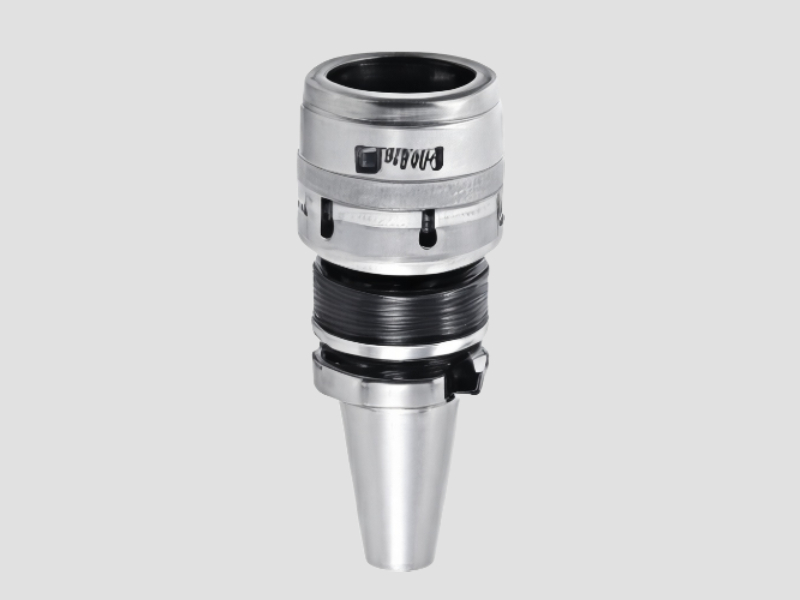
Key Features and Specifications
Lathe chucks come equipped with various features designed to enhance their functionality and adaptability for different machining applications. Understanding these specifications is critical for selecting the right chuck that meets operational requirements.
Key specifications include:
1. Jaw Configuration
- Types include 3-jaw, 4-jaw, and independent jaws.
- Each configuration serves specific applications.
2. Grip Range
- Varies based on the chuck type and size.
- Typically accommodates workpiece diameters from small to large.
3. Material Composition
- Commonly made from high-grade steel or cast iron.
- Provides durability and resistance to wear.
4. Mounting Standards
- Various mounting options such as threaded and flange types.
- Compatibility with different lathe machines.
5. Jaw Adjustment
- Mechanisms for manual or automatic adjustment.
- Ensures secure gripping and quick setup.
6. Tapered or Flat Jaws
- Jaws can be flat for standard applications or tapered for specialized uses.
- Affects the precision of the grip.
7. Weight
- Varies based on size and material.
- Influences the chuck's stability and ease of handling.
8. Precision Rating
- Indicates the accuracy of the chuck during operation.
- Essential for high-precision machining tasks.
In summary, selecting the right lathe chuck involves considering its jaw configuration, grip range, material, and precision rating, among other specifications.
Common Applications and Use Cases
Lathe chucks are utilized across a multitude of industries due to their versatility and effectiveness in securing workpieces.
1. Manufacturing: In manufacturing settings, lathe chucks are crucial for producing parts with precise dimensions and finishes, supporting processes like turning and threading.
2. Automotive: In the automotive industry, they are used for machining components such as shafts, gears, and housings, ensuring high accuracy and repeatability.
3. Aerospace: Aerospace applications require high-precision components, making lathe chucks vital for machining critical parts that meet stringent quality standards.
4. Metalworking: In metalworking shops, lathe chucks facilitate the turning of various metals, allowing for complex shapes and designs.
5. Woodworking: Although less common, specialized wood lathes also utilize lathe chucks for shaping and finishing wood products.
6. Medical Devices: The medical device industry benefits from lathe chucks when machining components that require high precision and reliability.
7. Electronics: In electronics manufacturing, lathe chucks are employed for the production of intricate components, ensuring tight tolerances.
Product Variants and Subcategories
Lathe chucks come in various types, each designed to meet specific machining needs.
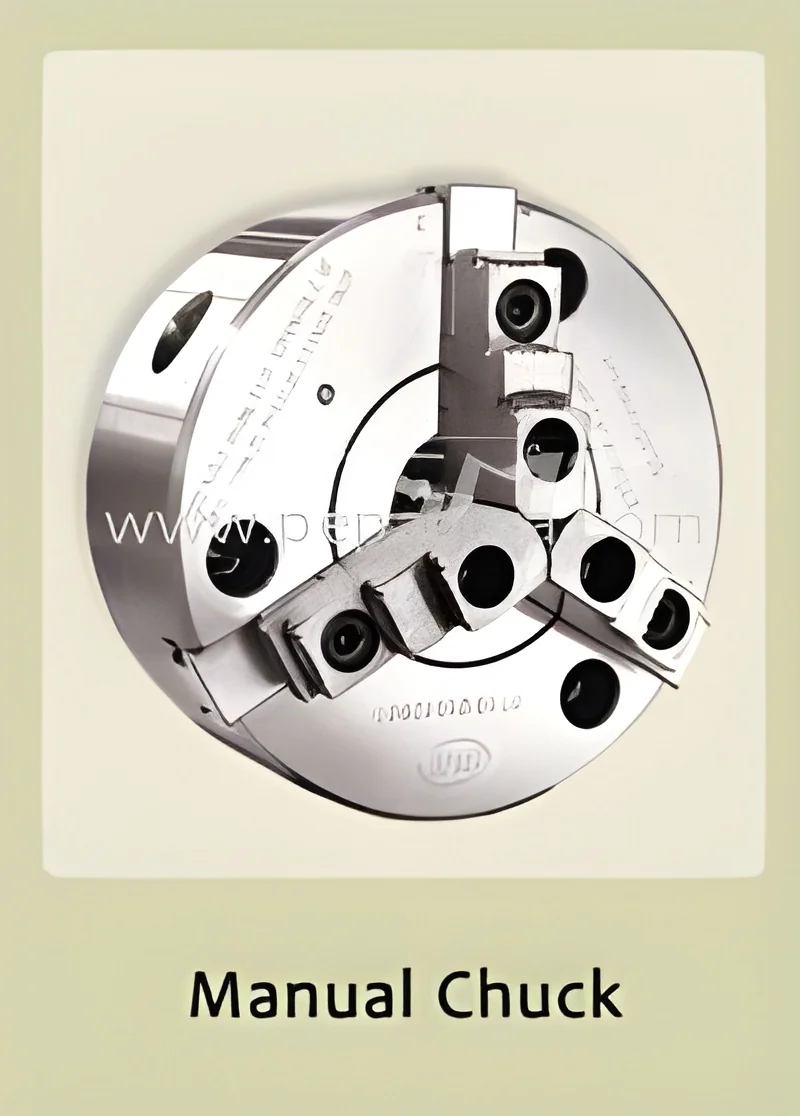
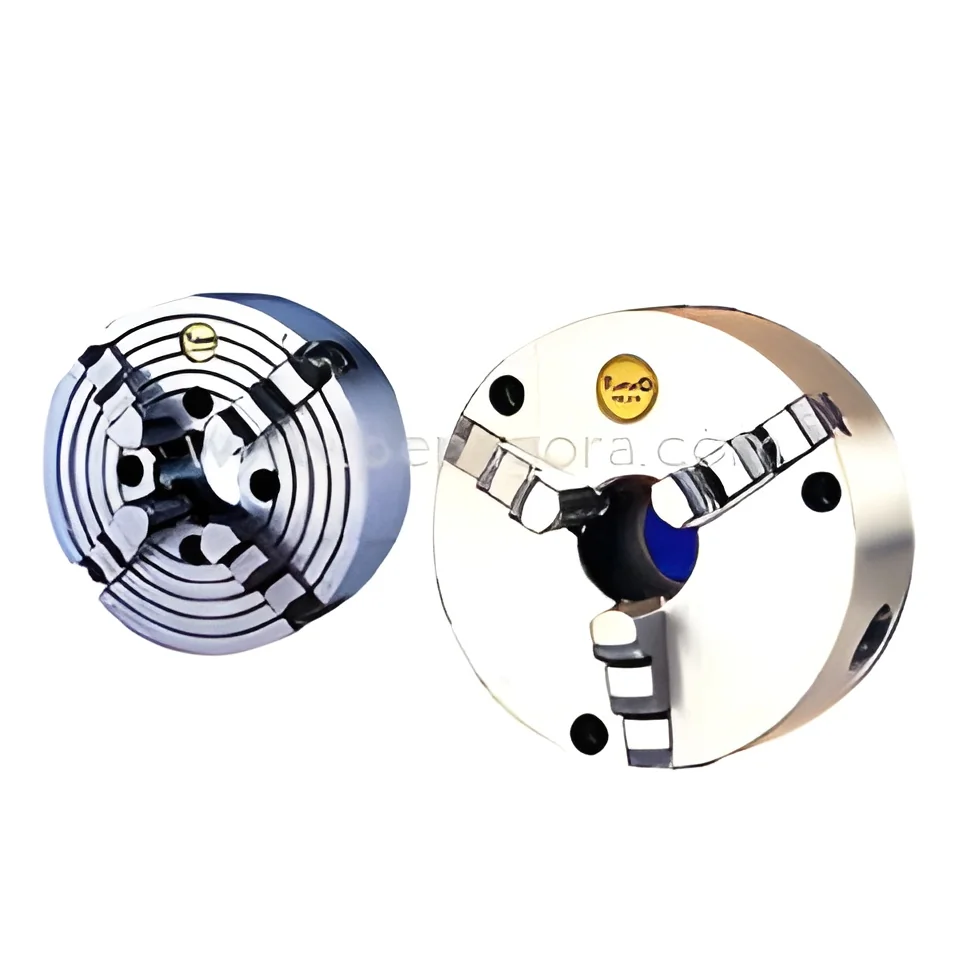
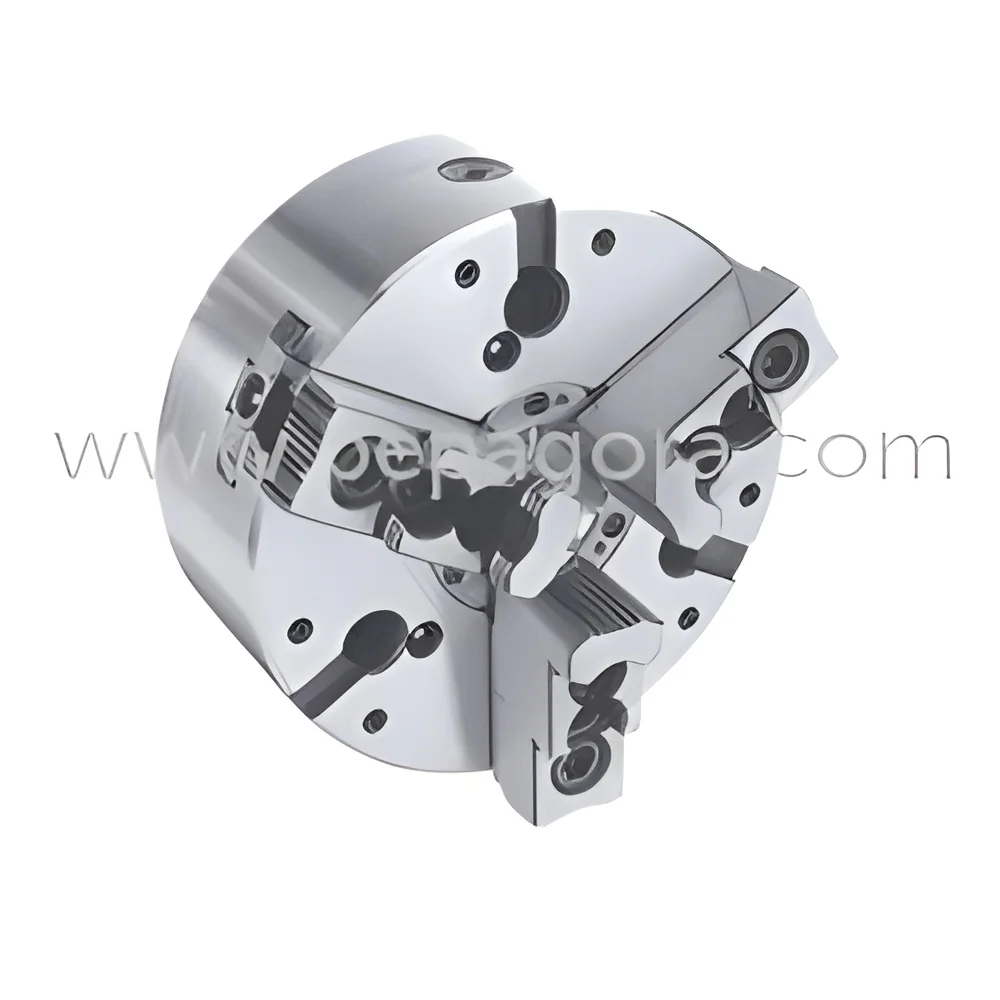
3-Jaw Chucks: These are the most common type of lathe chuck. They provide automatic centering of round and hexagonal workpieces, making them ideal for repetitive tasks. Their ease of use and quick setup make them a favorite in many workshops.
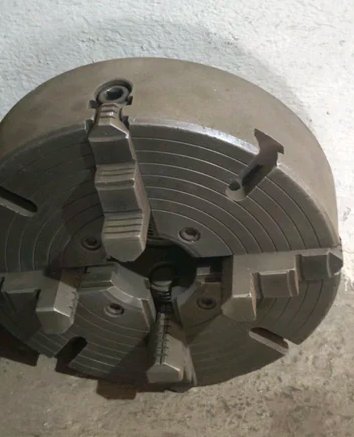
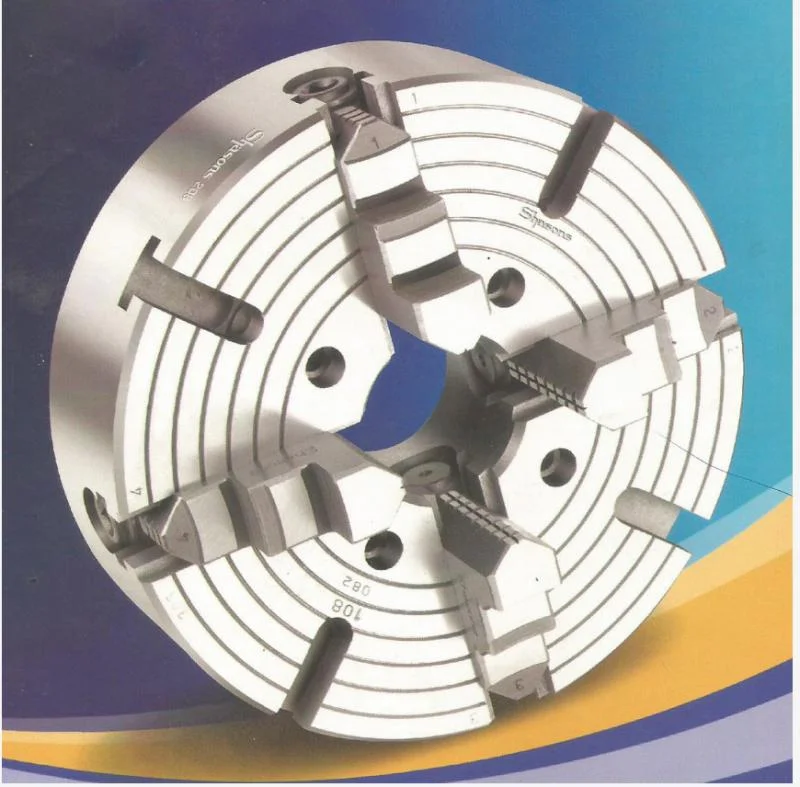
4-Jaw Chucks: Offering greater versatility, 4-jaw chucks allow for independent jaw movement. This feature is particularly useful for holding irregularly shaped parts or for offset workpieces in setups where precision is critical.
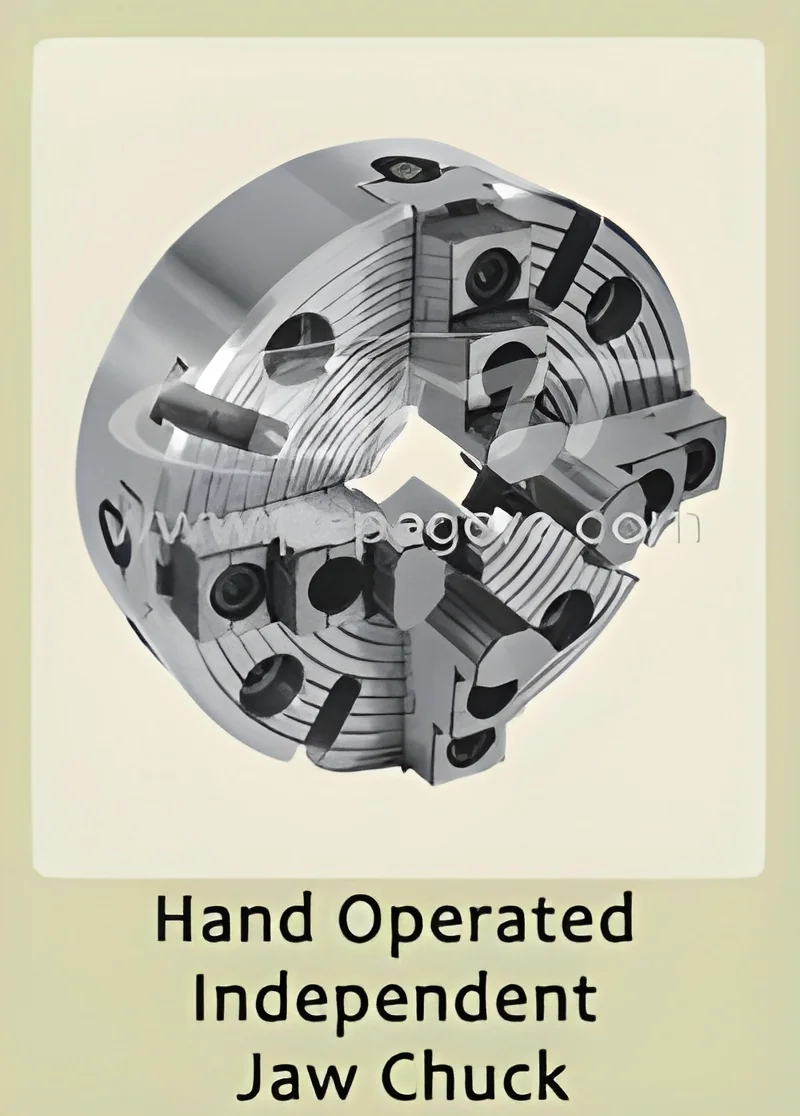
Independent Chucks: These chucks are designed for specialized applications where each jaw can be adjusted independently. This flexibility makes them suitable for complex shapes and custom machining tasks, catering to unique workpiece geometries.
Benefits and Advantages
Using lathe chucks offers multiple benefits that enhance operational efficiency and product quality.
1. Improved Precision: Lathe chucks ensure that workpieces are held securely in place, reducing the chances of vibration and inaccuracies during machining.
2. Quick Setup: The design of 3-jaw chucks enables fast loading and unloading of workpieces, significantly reducing setup times.
3. Versatility: The variety of chuck types allows for a broader range of applications, accommodating different workpiece shapes and sizes.
4. Durability: High-quality materials used in manufacturing lathe chucks contribute to their longevity and reliability in demanding environments.
5. Enhanced Efficiency: By providing stable support and reducing machining errors, lathe chucks improve overall productivity in manufacturing processes.
6. Customization Options: Many manufacturers offer customized lathe chucks to meet specific operational requirements, allowing businesses to optimize their workflows.
Buying Guide for B2B Buyers
When sourcing lathe chucks, it is essential for B2B buyers to consider several factors to ensure they make informed purchasing decisions.
1. Quality Assessment: Evaluate the build quality and material of the lathe chucks. Look for reputable brands and manufacturers that adhere to industry standards.
2. Supplier Verification: Conduct thorough research on potential suppliers. Check their credentials, customer reviews, and past performance to ensure reliability.
3. Pricing and MOQ: Understand the pricing structure and any minimum order quantities. This will help in budgeting and ensuring that you meet supplier requirements.
4. Delivery and Lead Times: Inquire about delivery schedules and lead times to avoid disruptions in your production timeline. Timely delivery is crucial for maintaining operational efficiency.
5. Compliance Requirements: Ensure that the lathe chucks meet relevant regulatory and safety standards. This is important for maintaining product quality and compliance within your industry.
Compliance and Certifications
Lathe chucks must adhere to various quality and safety standards to ensure their effectiveness and reliability.
ISO 9001 is a widely recognized standard that outlines quality management systems. Manufacturers of lathe chucks often comply with this standard to demonstrate their commitment to quality and continuous improvement.
Industry certifications such as CE mark indicate that the product meets European safety, health, and environmental protection standards. This certification is crucial for gaining market access in regions that require compliance.
Safety and testing requirements are essential in the production of lathe chucks. Manufacturers must conduct rigorous testing to ensure that the chucks can withstand operational stresses and perform effectively.
Regional compliance considerations may vary. Therefore, businesses should be aware of local regulations that apply to their operations and ensure that their suppliers meet these requirements.
Why Source Lathe Chucks (3-jaw, 4-jaw, Independent) from Pepagora?
Pepagora provides a trusted platform for sourcing lathe chucks with several key advantages that benefit B2B buyers.
Verified Supplier Network: Pepagora has established a network of verified suppliers, ensuring that buyers can access high-quality lathe chucks from reputable manufacturers. This verification process enhances buyer confidence in the products sourced through the platform.
Streamlined RFQ Process: The Request for Quotation (RFQ) process on Pepagora is designed to be efficient and user-friendly. Buyers can easily submit their requirements and receive competitive quotations from multiple suppliers, saving time and effort.
Trade Assurance and Support: Pepagora offers trade assurance, providing an added layer of protection for buyers. This support ensures that transactions are secure and that buyers receive the products as promised.
Regional Coverage: With a strong presence in regions like India, the GCC, and Southeast Asia, Pepagora facilitates access to a diverse range of suppliers. This geographic reach allows businesses to find suitable lathe chucks tailored to their specific needs and operational requirements.

 IN
IN