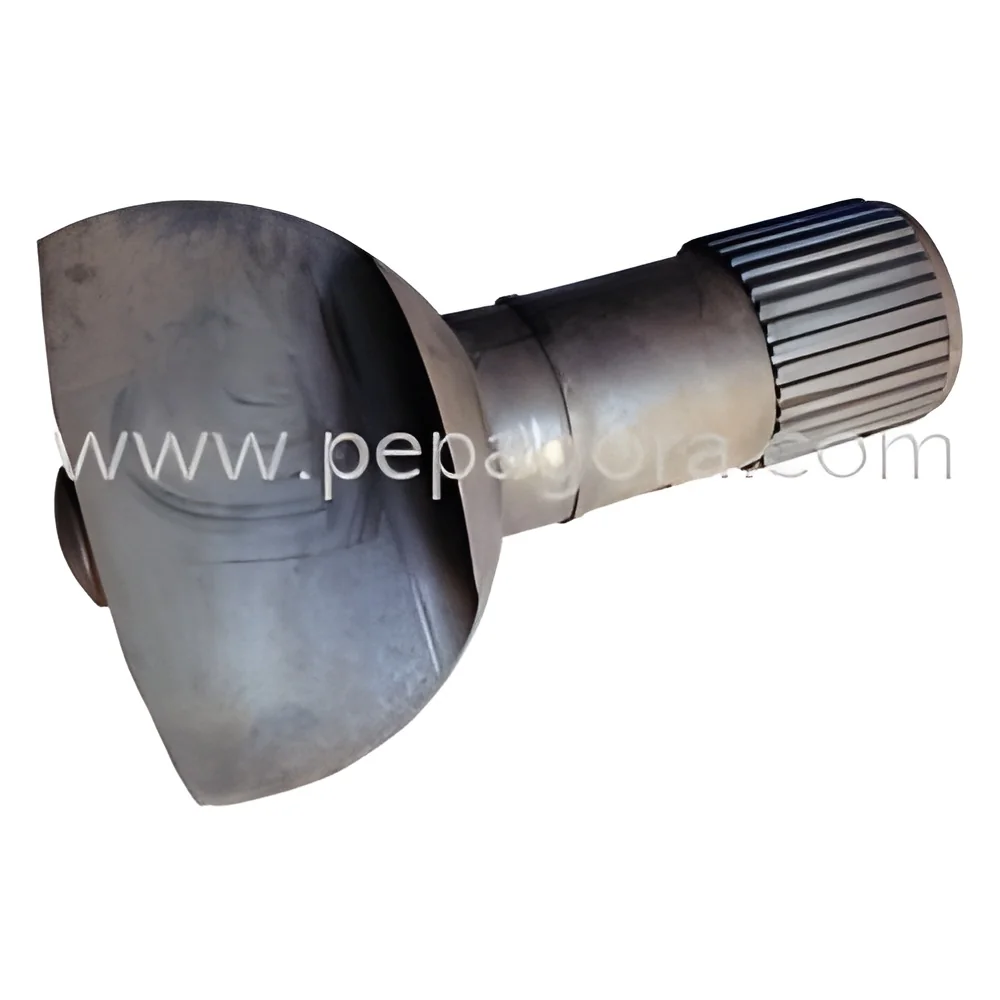
What are Used Conventional Lathes?
Used conventional lathes are machine tools that are employed to shape and cut materials such as metal, wood, or plastic into desired forms. These lathes operate on the principle of rotating a workpiece against a stationary cutting tool, allowing for precision in creating cylindrical shapes, threads, and various other profiles. Being categorized as "used," these lathes are typically pre-owned and available at a lower cost compared to new models, making them an attractive option for businesses seeking to optimize their manufacturing processes without significant capital investment.
These machines find extensive applications across various industries, including automotive, aerospace, and general engineering. They are essential for tasks such as turning, drilling, and boring, which are fundamental in producing components like shafts, gears, and housings. The relevance of used conventional lathes lies in their ability to deliver reliable performance at a fraction of the cost of new machinery. As businesses look to enhance production capabilities while managing budgets, used conventional lathes serve as a viable solution in a competitive market.
Key Features and Specifications
Used conventional lathes come with a variety of features and specifications that cater to different machining needs. Understanding these specifications is crucial for businesses looking to invest in reliable equipment.
Key specifications include:
1. Swing Over Bed
- This measures the maximum diameter of the workpiece that can be accommodated on the lathe.
- Typical ranges are from 10 inches to over 40 inches.
2. Distance Between Centers
- This indicates the maximum length of the workpiece that can be machined.
- Standard distances range from 20 inches to 120 inches.
3. Spindle Speed
- This refers to the RPM (revolutions per minute) that the spindle can achieve.
- Common speeds vary from 50 to 2000 RPM.
4. Bed Length
- The length of the lathe bed affects the overall stability and machining capabilities.
- Lengths generally range from 4 feet to 12 feet.
5. Motor Power
- The power of the motor impacts the lathe's ability to cut through tougher materials.
- Typical ranges are between 1 HP to 10 HP.
6. Tailstock Quill Travel
- This measures how far the tailstock can move, affecting functionality in drilling operations.
- Common travels are between 4 inches to 12 inches.
7. Tool Post Type
- There are various tool post configurations that enhance the versatility of the lathe.
- Common types include quick change and fixed tool posts.
8. Weight
- The weight of the lathe contributes to its stability during operation.
- Weights can range from 500 pounds to several tons.
In summary, understanding the specifications of used conventional lathes helps buyers select the right machine for their specific needs and production requirements.
Common Applications and Use Cases
Used conventional lathes are versatile machines that serve multiple industries.
1. Automotive Industry: Used for producing engine components, shafts, and other critical parts that require high precision.
2. Aerospace Industry: Employed in the manufacturing of lightweight yet strong parts, such as aircraft frames and turbine components.
3. General Engineering: Utilized for fabricating various machinery parts, fittings, and custom components tailored to specific applications.
4. Furniture Manufacturing: Used to create intricate wooden items and components, enhancing the aesthetic appeal of the final product.
5. Medical Equipment: Essential for crafting precision instruments and devices that meet stringent industry standards.
6. Oil and Gas: Employed in the machining of valves, fittings, and other components necessary for drilling and extraction processes.
7. Construction: Useful in the production of specialized tools and equipment utilized in construction projects.
Product Variants and Subcategories
Used conventional lathes come in various forms to cater to different machining needs.
Standard Conventional Lathes: These machines offer basic turning functions and are suitable for general-purpose machining tasks. They are ideal for small to medium-sized workshops.
Heavy-Duty Lathes: Designed for larger workpieces and more demanding applications, these lathes come with robust construction and higher power ratings. They are often used in heavy industries.
Toolroom Lathes: These machines are designed for precision work and are used in tool and die making. They offer superior accuracy and are well-suited for prototyping.
Benefits and Advantages
Investing in used conventional lathes provides numerous advantages to businesses.
1. Cost-Effectiveness: Used lathes are significantly cheaper than new machines, allowing businesses to save capital while still acquiring high-quality equipment.
2. Immediate Availability: Unlike new machinery, used lathes can often be purchased and put into operation quickly, reducing downtime.
3. Proven Performance: Many used lathes come with a history of reliable operation, allowing buyers to assess their performance before making a purchase.
4. Lower Depreciation: Used equipment typically depreciates at a slower rate than new machines, providing better value over time.
5. Flexibility: These machines can often be found in a variety of configurations, allowing businesses to choose models that fit their specific needs.
6. Support for Sustainability: Purchasing used equipment supports recycling and reduces waste, aligning with environmentally friendly business practices.
Buying Guide for B2B Buyers
When sourcing used conventional lathes, it is essential to consider several key factors.
1. Quality Assessment: Buyers should evaluate the condition of the lathe, checking for wear and tear, and ensuring that all components are functioning correctly.
2. Supplier Verification: It is important to vet suppliers to ensure they have a good reputation and provide quality products. Look for reviews and ratings from previous customers.
3. Pricing and MOQ: Understanding the pricing structure and any minimum order quantities can help in negotiating a fair deal.
4. Delivery and Lead Times: Discuss logistics with the supplier to ensure timely delivery and avoid production delays.
5. Compliance Requirements: Ensure that the lathe meets relevant industry standards and regulatory requirements to avoid issues during operation.
Compliance and Certifications
Used conventional lathes must meet various compliance and certification standards to ensure safety and quality.
ISO 9001 is a widely recognized quality management standard that ensures the manufacturer adheres to quality control processes. This certification helps buyers guarantee that the equipment meets their quality expectations.
CE marking indicates that the equipment complies with European safety standards, allowing for safe operation within the EU market. This certification is critical for businesses looking to operate within or export to Europe.
In addition, safety and testing requirements should be considered to ensure that the lathe operates safely and efficiently. This includes checks for electrical safety, mechanical integrity, and operational functionality.
Regional compliance considerations may vary, so it is essential for buyers to familiarize themselves with local regulations that might affect the purchase and use of used conventional lathes.
Why Source Used Conventional Lathes from Pepagora?
Pepagora provides a trusted platform for sourcing used conventional lathes, offering several key advantages for B2B buyers.
Verified Supplier Network: Pepagora has a thoroughly vetted network of suppliers, ensuring that buyers have access to reliable and quality machinery. This verification process helps mitigate risks associated with purchasing used equipment.
Streamlined RFQ Process: The platform features an efficient Request for Quotation (RFQ) system that simplifies the procurement process. Buyers can easily compare offers from multiple suppliers, ensuring they find the best value.
Trade Assurance and Support: Pepagora offers trade assurance, providing buyers with protection against potential disputes. This support enhances buyer confidence and encourages smooth transactions.
Regional Coverage: With a strong presence in regions such as India, the GCC, and Southeast Asia, Pepagora ensures that buyers have access to a wide range of used conventional lathes tailored to their specific regional needs. This extensive coverage allows for timely sourcing and delivery, meeting the demands of a dynamic market.

 IN
IN