What are Roll Turning Lathes?
Roll turning lathes are specialized machining tools designed for the precise shaping and finishing of cylindrical metal workpieces. These machines facilitate the turning process by rotating the material against a stationary cutting tool. The primary function of roll turning lathes is to create various cylindrical shapes, including rolls, pipes, and tubes, which are essential in multiple manufacturing processes.
These lathes find extensive applications in industries such as metal fabrication, aerospace, automotive, and energy. They are primarily used for producing components that require high precision and surface finish, such as shafts, gears, and bearings. The evolution of roll turning lathes has seen significant advancements in technology, enabling manufacturers to enhance productivity, reduce waste, and achieve tighter tolerances. As industries continue to demand higher quality and efficiency, roll turning lathes remain a vital tool in modern manufacturing.
Key Features and Specifications
Roll turning lathes come equipped with a range of features that enhance their performance and usability. Understanding these specifications is crucial for businesses looking to invest in this type of machinery.
Key specifications include:
1. Spindle Speed
- This specification indicates the rotational speed of the spindle, typically measured in revolutions per minute (RPM).
- Ranges can vary, with some lathes offering speeds from 50 to 2000 RPM.
2. Swing Capacity
- Swing capacity refers to the maximum diameter of the workpiece that can be accommodated on the lathe.
- This can range from 300 mm to over 2000 mm, depending on the model.
3. Bed Length
- The bed length is the distance between the centers of the lathe and determines the length of the workpiece that can be machined.
- Common lengths range from 1000 mm to 6000 mm.
4. Tool Post Type
- Tool posts can be either fixed or adjustable, affecting the versatility of the lathe.
- Adjustable tool posts allow for quick tool changes and adjustments.
5. Control System
- Modern roll turning lathes often feature CNC (Computer Numerical Control) systems for enhanced precision and automation.
- CNC systems can include features such as programmable settings and advanced monitoring.
6. Power Rating
- The power rating of the motor used in roll turning lathes affects their capability to handle various materials.
- Power ratings can range from 5 HP to 50 HP.
7. Weight and Dimensions
- The overall weight and size of the lathe can influence its stability and space requirements in a workshop.
- Lathes can weigh between 500 kg to several tons.
8. Material Construction
- High-quality lathes are typically constructed from cast iron or steel to ensure durability and reduce vibration during operation.
In summary, selecting the appropriate roll turning lathe requires careful consideration of these specifications to match the specific needs of your manufacturing processes.
Common Applications and Use Cases
Roll turning lathes serve a variety of industries, showcasing their versatility and importance in manufacturing.
1. Aerospace: In the aerospace industry, roll turning lathes are used to produce precision components such as landing gear, turbine shafts, and structural parts that require exceptional accuracy and surface finish.
2. Automotive: The automotive sector relies on roll turning lathes for creating parts like crankshafts, camshafts, and brake drums. These components must meet strict quality standards to ensure vehicle performance and safety.
3. Energy: In the energy sector, particularly in oil and gas, roll turning lathes are utilized to manufacture pipes and fittings. These components must withstand high pressure and adverse conditions.
4. Heavy Machinery: Roll turning lathes are essential in producing large components for heavy machinery, such as rollers, axles, and gears that require robust construction and durability.
5. Metal Fabrication: General metal fabrication shops use roll turning lathes for various applications, including creating custom parts and prototypes for different industries.
6. Marine: The marine industry uses roll turning lathes to manufacture components like propeller shafts and rudders, where precision and corrosion resistance are critical.
7. Medical Devices: In the medical field, roll turning lathes are employed to create specialized instruments and components made from high-quality materials.
Product Variants and Subcategories
Roll turning lathes come in various configurations, allowing businesses to choose models that best fit their needs.
CNC Roll Turning Lathes: These lathes utilize computer numerical control technology to automate the turning process. They offer high precision and the ability to produce complex shapes, making them ideal for high-volume production runs.
Manual Roll Turning Lathes: These traditional lathes require operator input for adjustments and tool changes. They are often more cost-effective and suitable for smaller shops or custom work where automation is not necessary.
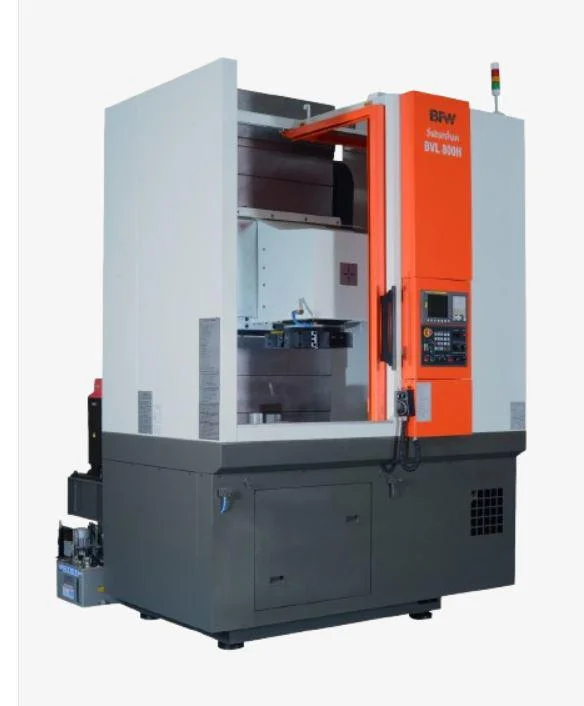
Vertical Roll Turning Lathes: Designed for larger workpieces, vertical lathes allow for easier loading and unloading of heavy materials. They are commonly used in industries requiring large diameter machining.
Horizontal Roll Turning Lathes: The most common type, horizontal lathes, provide a stable platform for machining cylindrical objects and are widely used in various manufacturing sectors.
Benefits and Advantages
Investing in roll turning lathes offers several advantages that enhance manufacturing efficiency and product quality.
1. Precision Manufacturing: Roll turning lathes deliver high precision in machining, ensuring that components meet exact specifications and tolerances.
2. Versatility: These lathes can accommodate a wide range of materials and workpiece sizes, making them suitable for various applications across multiple industries.
3. Increased Productivity: Modern roll turning lathes, especially CNC models, can operate continuously with minimal downtime, significantly boosting productivity.
4. Improved Surface Finish: The design and functionality of roll turning lathes allow for superior surface finishes, reducing the need for additional finishing processes.
5. Cost-Effectiveness: Investing in roll turning lathes can lead to long-term savings through reduced material waste and improved production efficiency.
6. Enhanced Safety Features: Many roll turning lathes come equipped with safety features that protect operators and reduce the risk of workplace accidents.
Buying Guide for B2B Buyers
When sourcing roll turning lathes, it is essential to consider several key factors to ensure you make an informed purchase.
1. Quality Assessment: Evaluate the quality of the lathe by reviewing manufacturer reputation, material construction, and precision capabilities. Look for certifications that indicate compliance with industry standards.
2. Supplier Verification: Vet potential suppliers by checking their track record, customer reviews, and industry experience. Reliable suppliers will provide transparency in their operations and product offerings.
3. Pricing and MOQ: Understand the pricing structure, including any minimum order quantities (MOQ). Compare prices among multiple suppliers to ensure competitive rates while maintaining quality.
4. Delivery and Lead Times: Inquire about delivery times and logistics to ensure that the lathe will arrive when needed. Consider suppliers that can meet your schedule without compromising on quality.
5. Compliance Requirements: Ensure that the roll turning lathes meet necessary regulatory and compliance standards relevant to your industry. This may include certifications such as CE for safety and performance.
Compliance and Certifications
Compliance and certifications are crucial considerations when selecting roll turning lathes. These standards ensure that the machinery meets specific quality and safety benchmarks.
ISO 9001 is a widely recognized quality management standard that indicates a manufacturer’s commitment to maintaining consistent quality in their products and services. Compliance with this standard can enhance buyer confidence in the performance of roll turning lathes.
CE certification is essential for machinery sold in the European market. It signifies that the equipment conforms to health, safety, and environmental protection standards. Buyers should prioritize suppliers who provide CE certification to ensure compliance with European regulations.
Safety and testing requirements may vary by region, and it is vital for manufacturers to adhere to these standards to minimize risks associated with equipment operation. Additionally, regional compliance considerations may influence the selection of roll turning lathes, particularly in markets with stringent regulations.
Why Source Roll Turning Lathes from Pepagora?
Pepagora offers a trusted platform for sourcing roll turning lathes, providing numerous advantages for B2B buyers.
Verified Supplier Network: Pepagora has established a robust network of verified suppliers, ensuring that buyers can access high-quality machinery from reputable manufacturers. This verification process helps mitigate risks associated with sourcing equipment.
Streamlined RFQ Process: The request for quotation (RFQ) process on Pepagora is designed to be user-friendly and efficient. Buyers can quickly submit their requirements and receive competitive quotes from multiple suppliers, simplifying the decision-making process.
Trade Assurance and Support: Pepagora provides trade assurance, offering protection for buyers throughout the purchasing process. This support includes assistance with negotiations, logistics, and after-sales service, ensuring a smooth transaction.
Regional Coverage: With a strong presence in India, the GCC, and Southeast Asia, Pepagora connects buyers with suppliers in key markets. This regional coverage allows businesses to find local solutions that meet their specific needs while benefiting from competitive pricing and reduced shipping times.

 IN
IN