
 IN
Fuel System Spare Parts
7 products available
What are Fuel System Spare Parts?
Fuel System Spare Parts are critical components used in the operation and maintenance of fuel systems in various machinery and vehicles. These parts are designed to ensure the efficient delivery and management of fuel, which is essential for optimal performance. Common components include fuel filters, fuel pumps, injectors, and regulators, among others. Each part plays a specific role in maintaining the integrity of the fuel system, ultimately affecting the overall efficiency and reliability of the engine.
These spare parts are primarily used in industries such as automotive, marine, aviation, and heavy machinery. In automotive applications, for example, maintaining a reliable fuel supply is crucial for engine performance and emissions control. In marine and aviation sectors, where safety and reliability are paramount, high-quality fuel system components are necessary to prevent failures. The demand for these parts continues to grow as industries focus on improving fuel efficiency and reducing environmental impact.
Fuel System Spare Parts hold significant relevance in today's market, driven by advancements in technology and stricter regulatory standards. The increasing complexity of fuel systems requires high-quality components that can withstand diverse operational conditions. As industries evolve, manufacturers of fuel system spare parts are challenged to innovate and meet these changing needs.
Key Features and Specifications
Fuel System Spare Parts come with a variety of features and specifications tailored to meet specific operational needs. Understanding these specifications is crucial for selecting the right parts for your applications.
Key specifications include:
1. Material Composition
- Typically includes durable materials like stainless steel, aluminum, and high-grade plastics.
- Ensures resistance to corrosion and wear.
2. Pressure Ratings
- Designed to operate under specific pressure conditions.
- Common ranges include low, medium, and high-pressure ratings depending on the application.
3. Flow Rates
- Defined flow rates for fuel delivery based on engine requirements.
- May vary from low to high flow rates to accommodate different system designs.
4. Temperature Resistance
- Parts are designed to function effectively within specified temperature ranges.
- Important for maintaining performance in extreme conditions.
5. Filtration Efficiency
- Fuel filters often have specific micron ratings indicating their ability to filter contaminants.
- Higher ratings ensure better protection for the engine.
6. Connector Types
- Various connector styles are available to ensure compatibility with different systems.
- Options may include threaded, push-fit, or quick-connect designs.
7. Compliance Standards
- Many parts comply with international standards for quality and safety.
- Certifications may include CE marking and others relevant to regional markets.
Overall, understanding these specifications helps businesses make informed purchasing decisions and maintain efficient fuel systems.
Common Applications and Use Cases
Fuel System Spare Parts are essential across multiple industries, each with unique applications.
1. Automotive: These parts are critical for fuel injection systems, ensuring proper fuel delivery for optimal engine performance and emissions control.
2. Marine: In marine applications, reliable fuel pumps and filters are necessary for maintaining engine efficiency and preventing fuel contamination, which is vital for safety at sea.
3. Aviation: Fuel system components in aviation must meet stringent safety standards to ensure reliable fuel delivery in aircraft engines, enhancing overall flight safety.
4. Heavy Machinery: Construction and agricultural machinery rely on durable fuel system parts to ensure consistent operation in demanding environments.
5. Power Generation: Backup generators and power plants use specialized fuel system components to maintain efficiency and reliability when generating electricity.
6. Industrial Equipment: Various manufacturing processes require efficient fuel systems to power machinery, making spare parts critical for uninterrupted operations.
7. Transportation: Logistics companies depend on reliable fuel systems in their fleets to ensure timely deliveries and minimize downtime.
Product Variants and Subcategories
Fuel System Spare Parts come in diverse variants to cater to different applications and requirements. Each variant offers unique features and benefits.
Fuel Filters
Fuel filters are designed to remove impurities from fuel before it reaches the engine. They are essential for maintaining engine performance and longevity. High-efficiency fuel filters can capture particulates down to a few microns.
Fuel Pumps
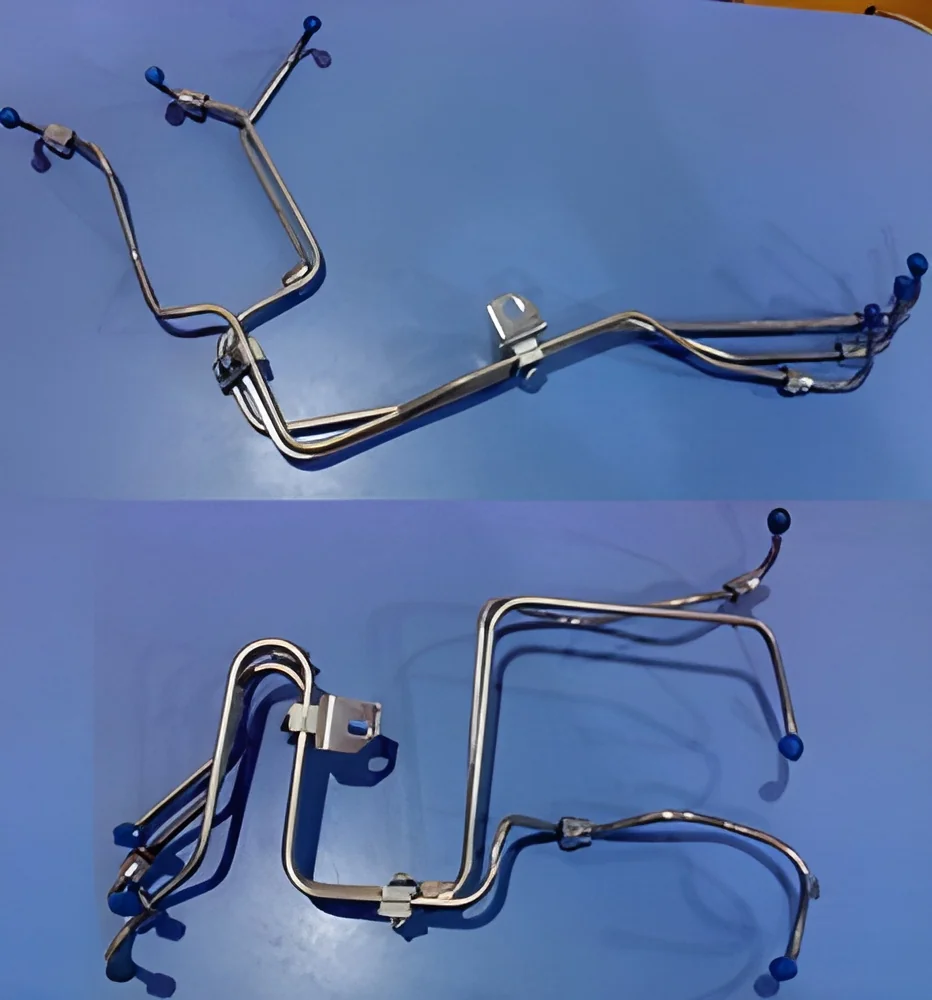
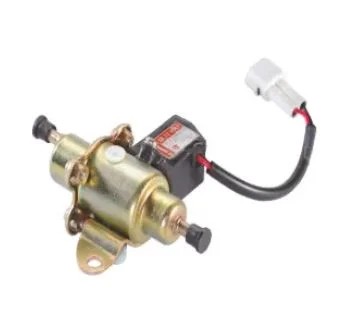
These components are responsible for transporting fuel from the tank to the engine. Fuel pumps can vary in design, including mechanical and electric options, and are tailored for specific flow requirements.
Fuel Injectors
Fuel injectors precisely deliver fuel into the combustion chamber. They are critical for optimizing fuel-air mixtures and improving engine efficiency. Variants may include direct and port fuel injectors based on the engine type.
Regulators
Fuel pressure regulators maintain consistent fuel pressure in the system, ensuring optimal engine performance. They can be adjustable or fixed, depending on the application.
Benefits and Advantages
Investing in high-quality Fuel System Spare Parts offers numerous benefits for businesses.
1. Enhanced Performance: Quality spare parts improve fuel efficiency and engine performance, leading to better operational outcomes.
2. Increased Reliability: Reliable components reduce the risk of system failures, ensuring consistent machinery operation.
3. Cost Savings: By maintaining efficiency and reducing breakdowns, businesses can save on maintenance and repair costs.
4. Compliance Assurance: High-quality parts often meet industry standards, helping businesses comply with regulations and avoid penalties.
5. Longer Lifespan: Durable spare parts contribute to longer equipment lifespans, maximizing return on investment.
6. Improved Safety: Reliable fuel system components enhance overall safety, reducing the risk of accidents or failures.
Buying Guide for B2B Buyers
When sourcing Fuel System Spare Parts, buyers should consider various factors to ensure they make informed decisions.
1. Quality Assessment: Evaluate the quality of parts based on material specifications and compliance with industry standards. High-quality parts can significantly impact performance and longevity.
2. Supplier Verification: It is crucial to vet suppliers for reliability and reputation in the market. Checking certifications and customer reviews can help ensure a trustworthy partnership.
3. Pricing and MOQ: Understand the pricing structure and minimum order quantities required by suppliers. Comparing costs across different suppliers can lead to better purchasing decisions.
4. Delivery and Lead Times: Consider logistics and shipping times when selecting suppliers. Timely delivery is essential to maintain uninterrupted operations.
5. Compliance Requirements: Ensure that the spare parts meet relevant regulatory and safety standards in your industry to avoid compliance issues.
Compliance and Certifications
Compliance with industry standards and certifications is vital for Fuel System Spare Parts. Many manufacturers adhere to quality standards such as ISO 9001, which ensures a consistent level of quality in production processes.
Certifications like CE mark indicate that the products meet European safety and environmental requirements, providing assurance to buyers regarding their reliability and safety.
In addition to these standards, fuel system components may need to pass specific safety and testing requirements to be suitable for use in various applications. Regional compliance considerations are also important, as different regions may have unique regulations governing fuel system components.
Why Source Fuel System Spare Parts from Pepagora?
Pepagora provides a trusted platform for sourcing Fuel System Spare Parts, offering several key advantages to B2B buyers.
Verified Supplier Network: Pepagora features a network of verified suppliers committed to providing high-quality products. This verification process ensures that buyers can trust the suppliers they engage with.
Streamlined RFQ Process: The platform simplifies the request for quotation process, allowing buyers to easily compare offers from multiple suppliers. This efficiency helps in making quicker decisions.
Trade Assurance and Support: Pepagora offers buyer protection measures, ensuring that transactions are secure and that buyers receive the products as promised. This level of support enhances buyer confidence.
Regional Coverage: With a presence in India, the GCC, and Southeast Asia, Pepagora provides extensive geographic reach, allowing businesses to source fuel system components from a diverse range of suppliers in various regions.


 India

 India

 India
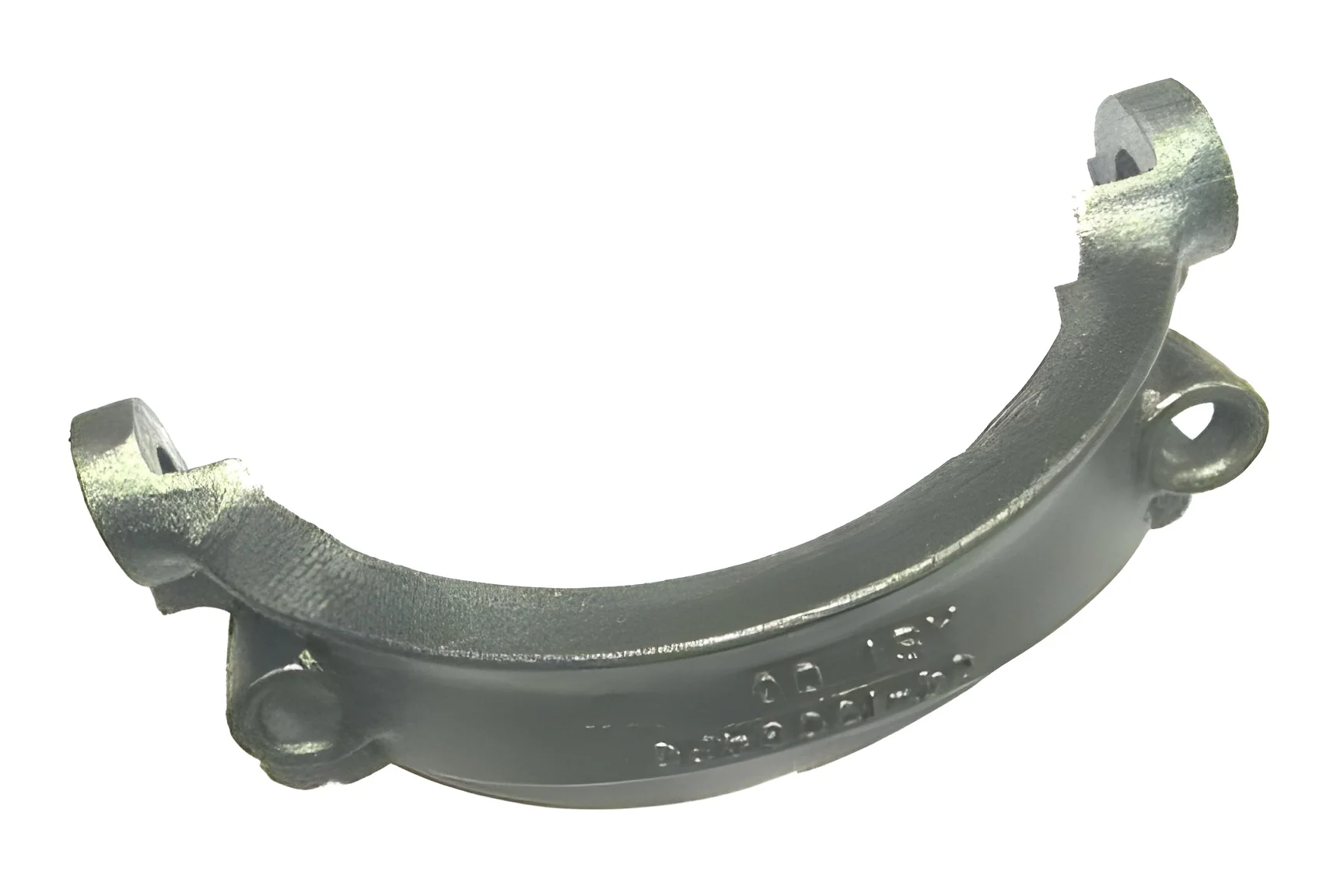 India
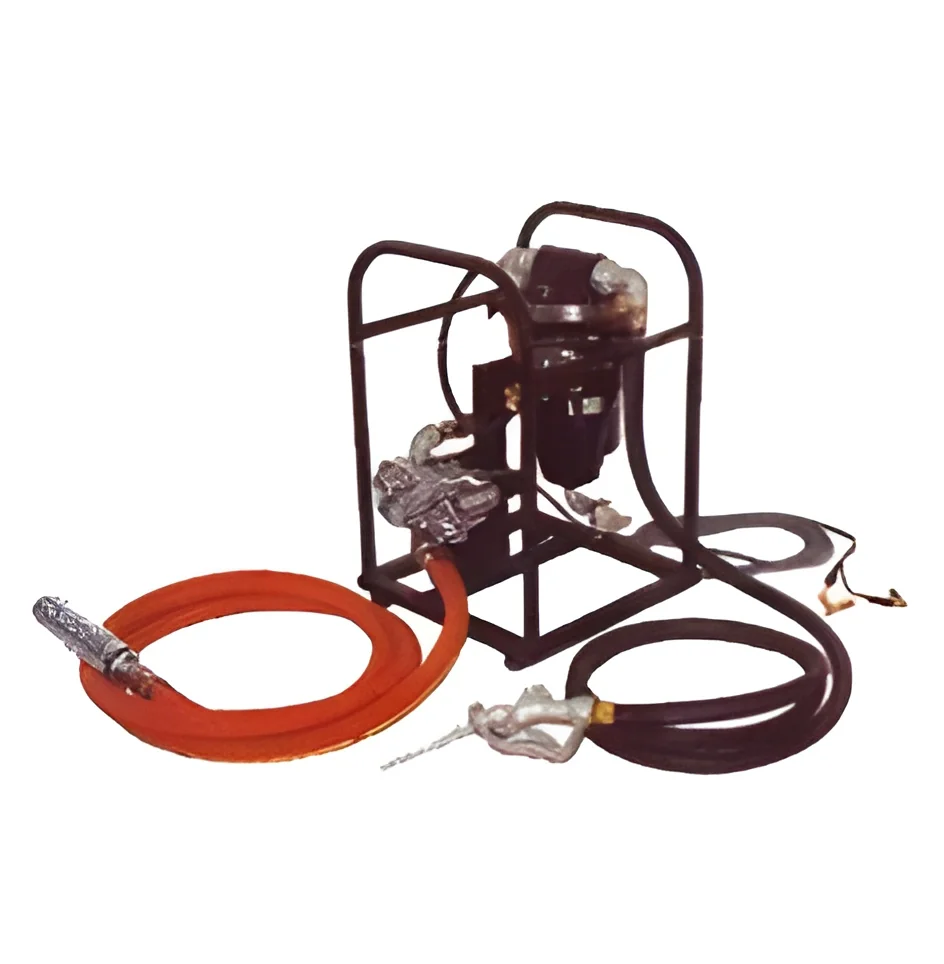
Frequently Asked Questions
What are Fuel System Spare Parts?
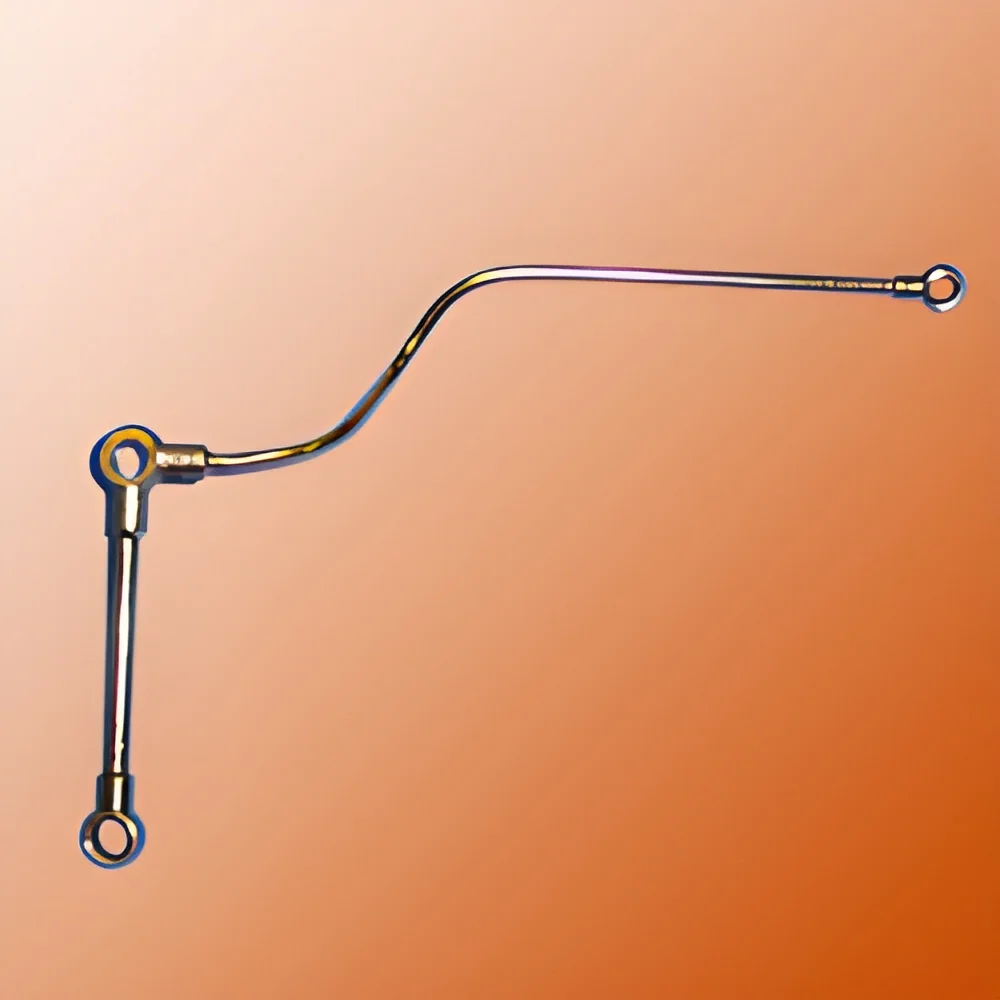
Fuel System Spare Parts are components used in the fuel delivery system of vehicles and machinery. They include items such as fuel pumps, injectors, filters, and lines that ensure the proper flow and management of fuel.
What are the different types of Fuel System Spare Parts?
Different types of Fuel System Spare Parts include fuel injectors, fuel pumps, fuel filters, fuel pressure regulators, and fuel lines. Each component plays a crucial role in maintaining the efficiency and performance of the fuel system.
How do I choose the right Fuel System Spare Parts?
To choose the right Fuel System Spare Parts, consider the specifications of your vehicle or machinery, such as make, model, and engine type. Consulting with a technician or referring to the manufacturer’s recommendations can also guide you in making the right selection.
What are the standard specifications for Fuel System Spare Parts?
Standard specifications for Fuel System Spare Parts vary by component but generally include material quality, pressure ratings, and compatibility with specific fuel types. It is important to refer to the manufacturer's guidelines for accurate specifications.
What is the price range for Fuel System Spare Parts?
The price range for Fuel System Spare Parts can vary widely based on the type, brand, and quality of the part. Generally, prices can range from a few hundred to several thousand Indian Rupees.
What quality standards apply to Fuel System Spare Parts?
Quality standards for Fuel System Spare Parts typically include compliance with ISO and other relevant automotive industry standards. These standards ensure that the parts are reliable and safe for use in vehicles.
Where can I find Fuel System Spare Parts suppliers in India?
You can find Fuel System Spare Parts suppliers in India through online B2B marketplaces like Pepagora, trade shows, and automotive parts expos. Additionally, local automotive shops and distributors may also offer a range of spare parts.
Can Fuel System Spare Parts be customized?
Yes, Fuel System Spare Parts can often be customized based on specific requirements or applications. This may involve adjustments in size, material, or performance characteristics to meet particular needs.
What is the typical minimum order quantity for Fuel System Spare Parts?
The typical minimum order quantity (MOQ) for Fuel System Spare Parts can vary by supplier, but it often ranges from 10 to 50 units. It is advisable to check with individual suppliers for their specific MOQ requirements.
What is the typical lead time for Fuel System Spare Parts?
The typical lead time for Fuel System Spare Parts can range from a few days to several weeks, depending on the supplier's inventory, order size, and customization requests. Always confirm lead times when placing an order.
Why Businesses Trust Pepagora
Thousands of companies trust Pepagora to source smarter and sell faster
Expand Your Sales Globally

Source Smarter,Grow Faster
