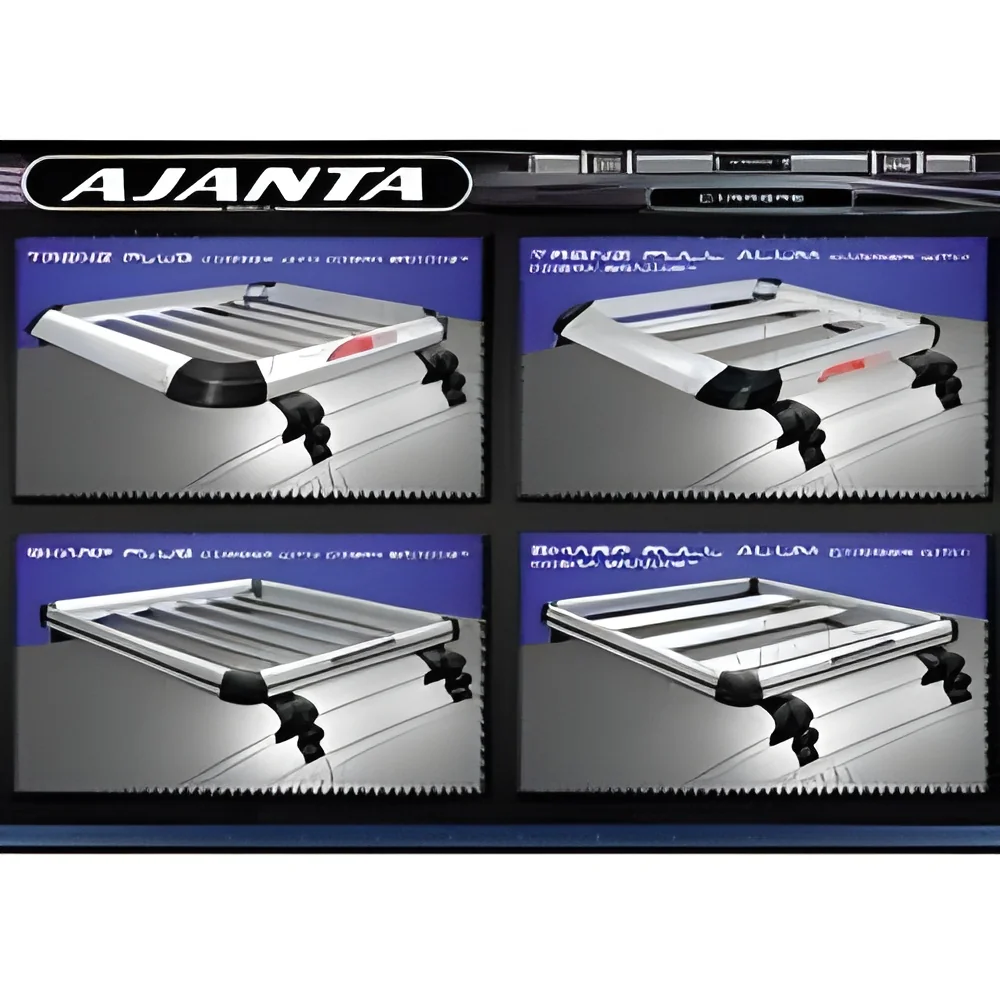
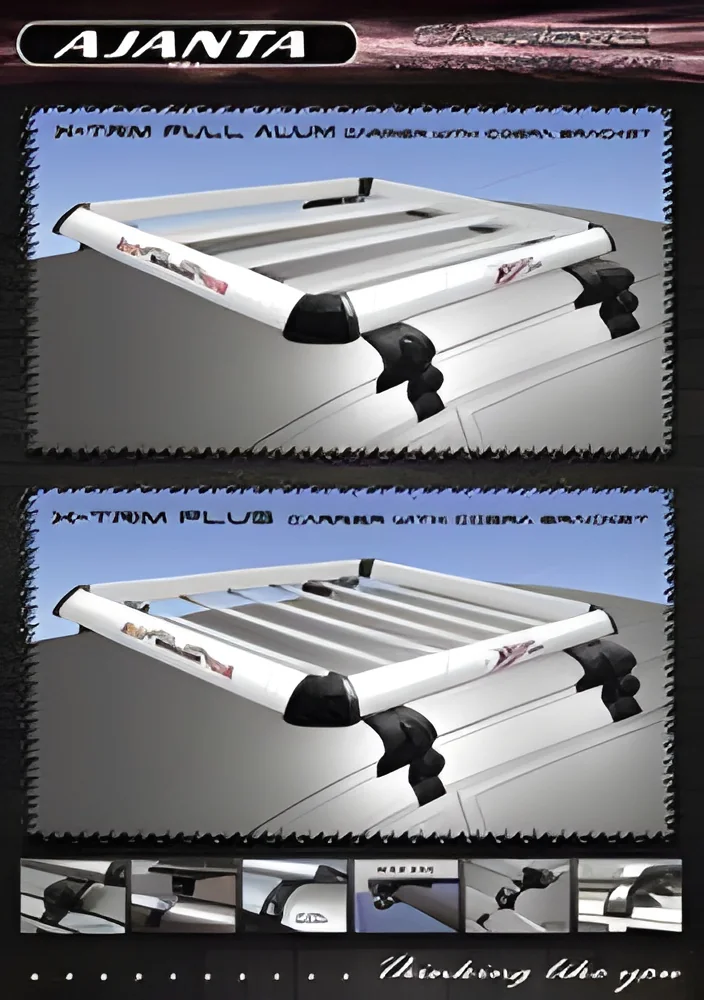
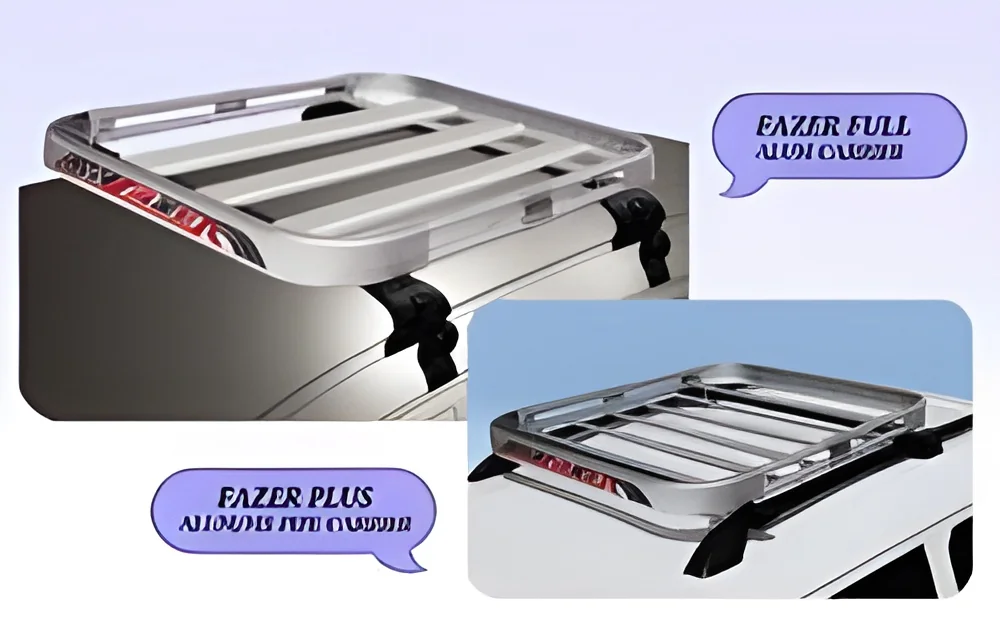
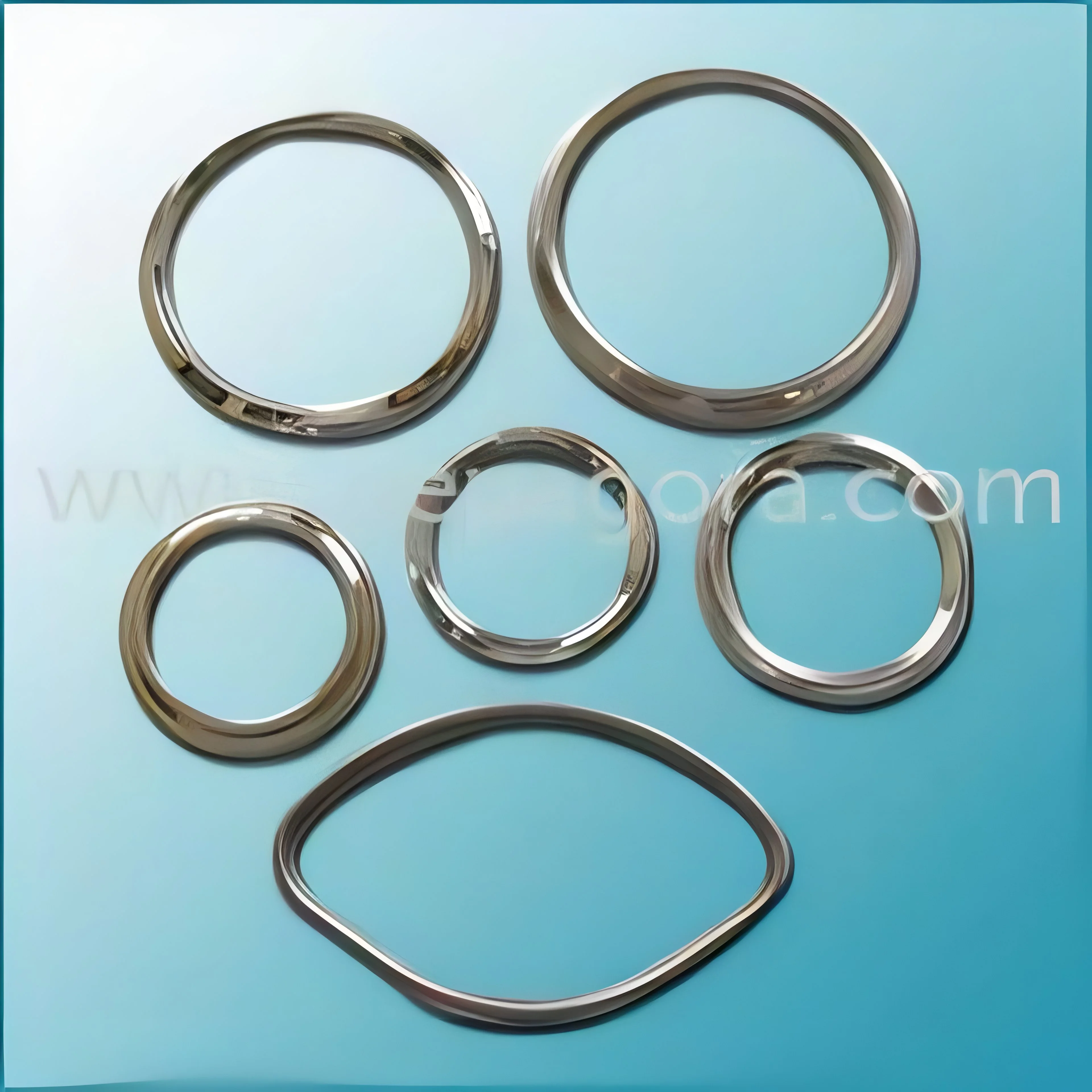
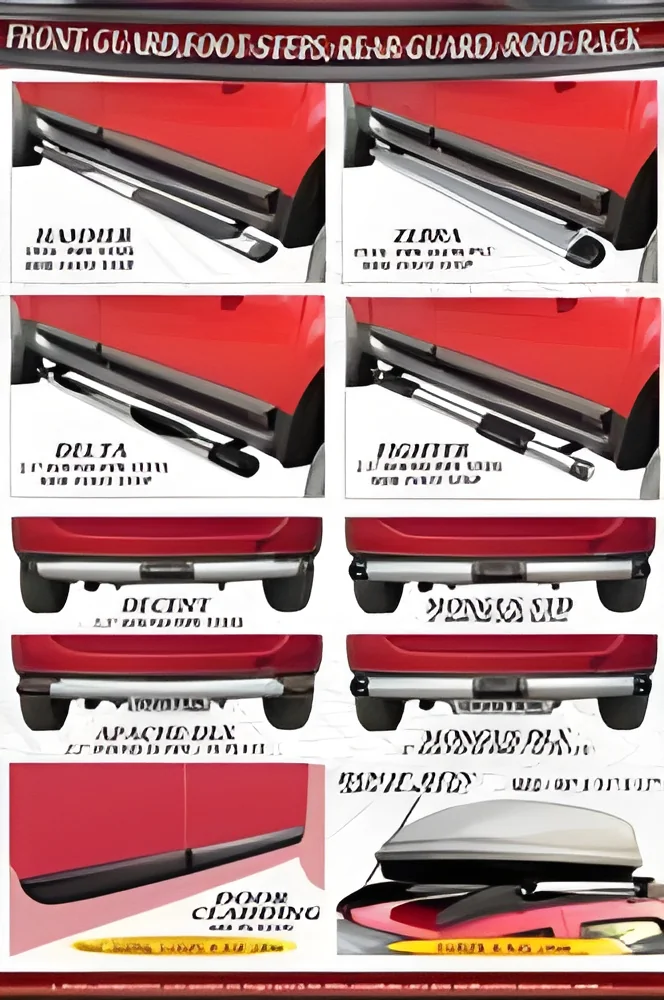
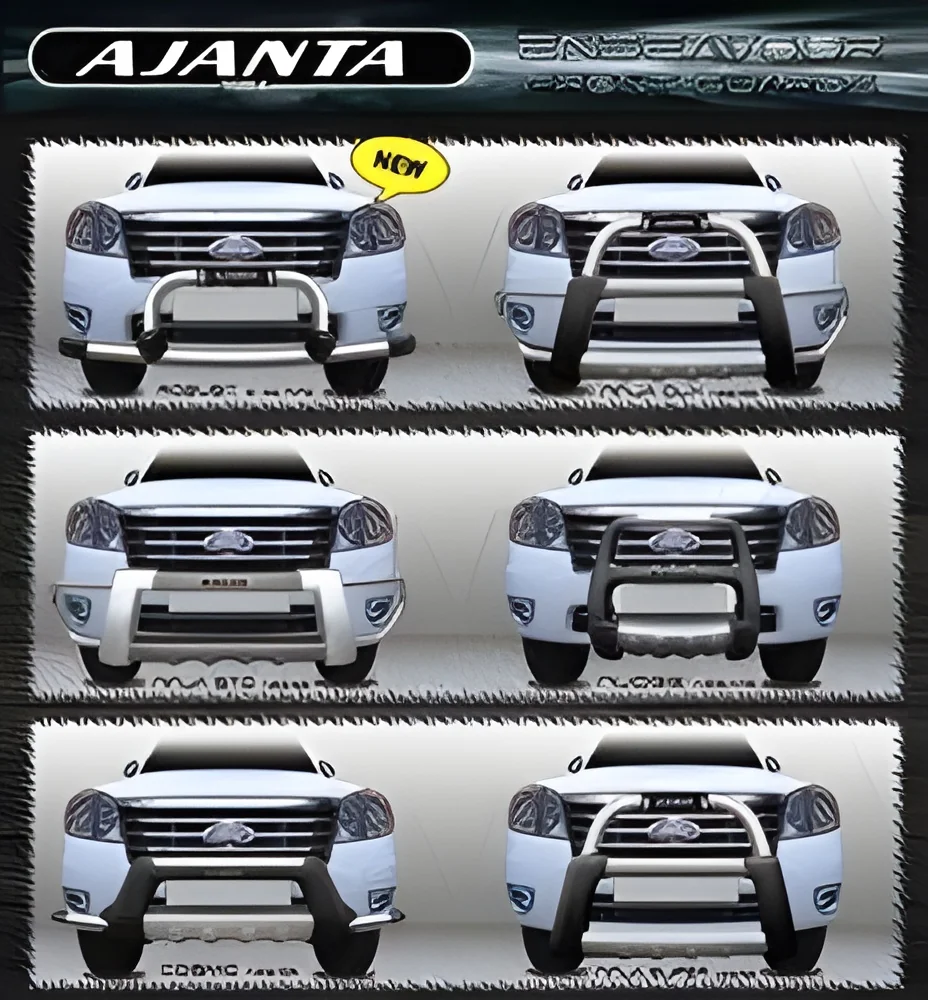
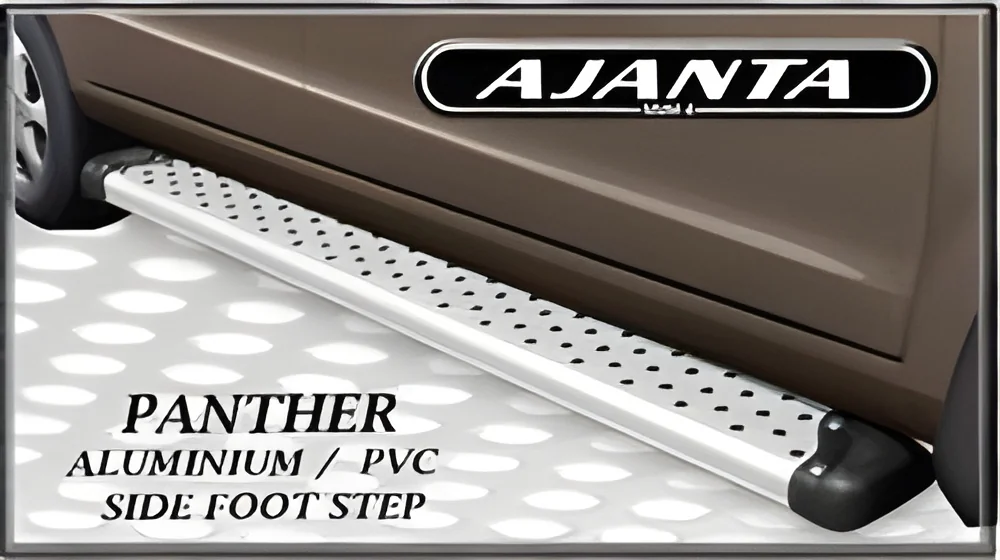
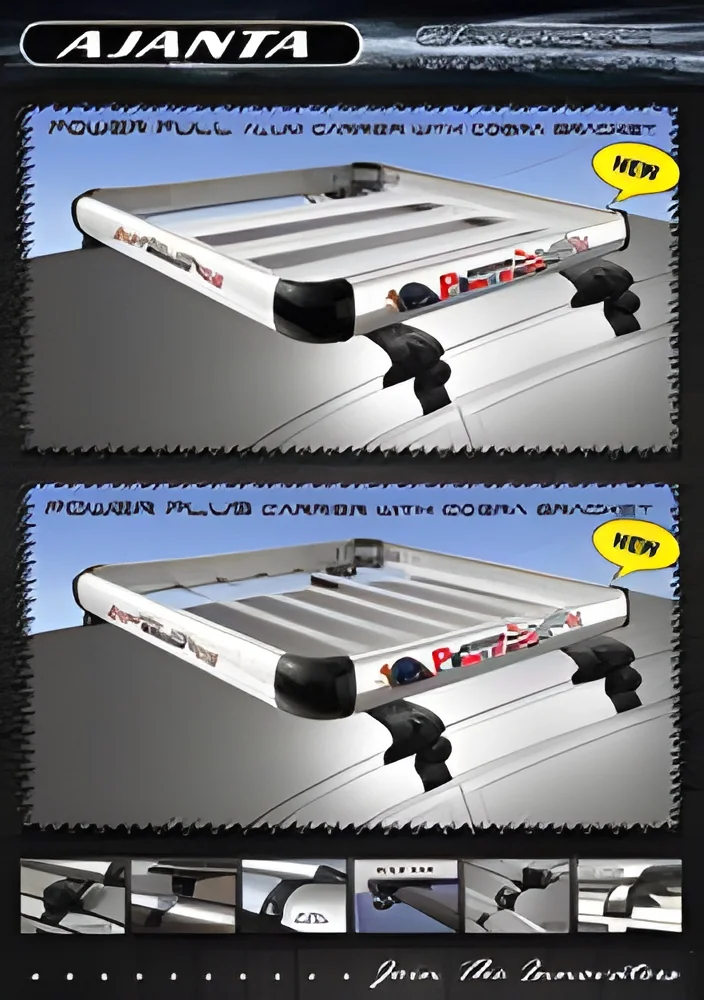
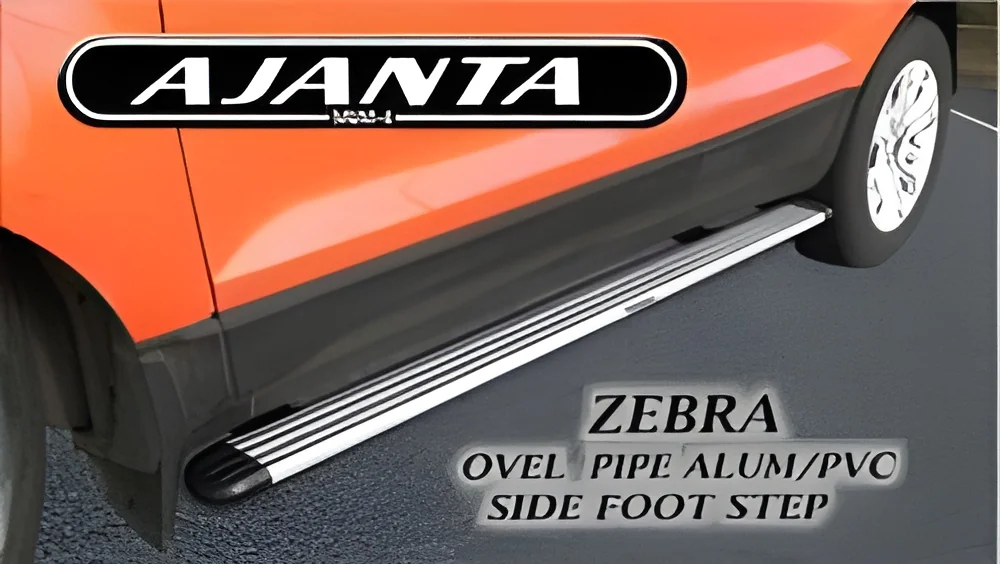
What are Body Panels & Exterior Fittings?
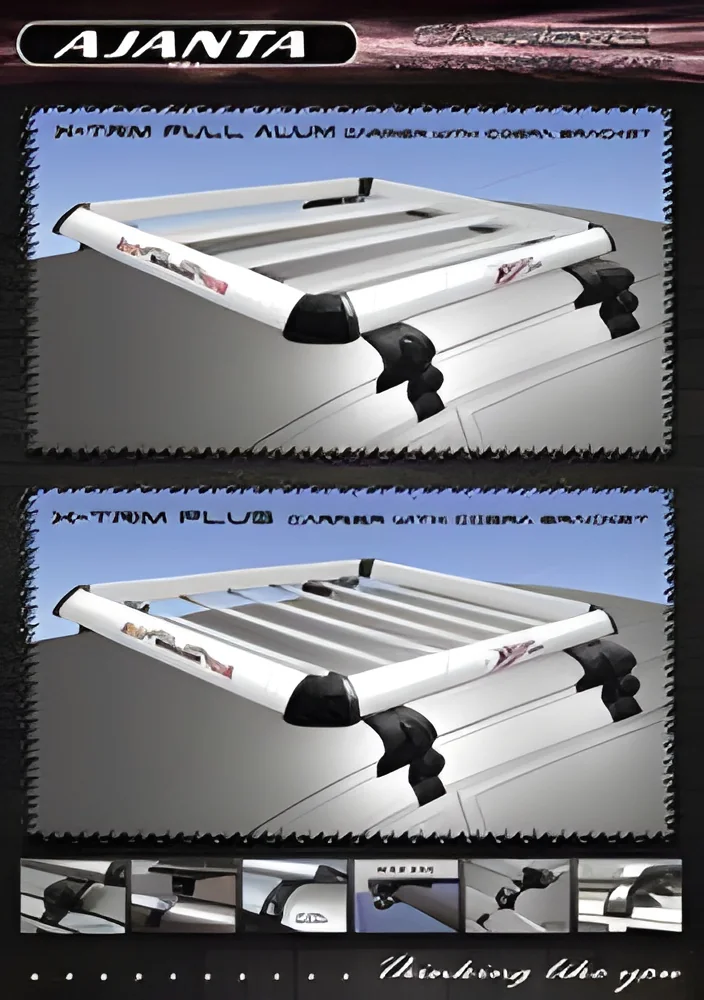
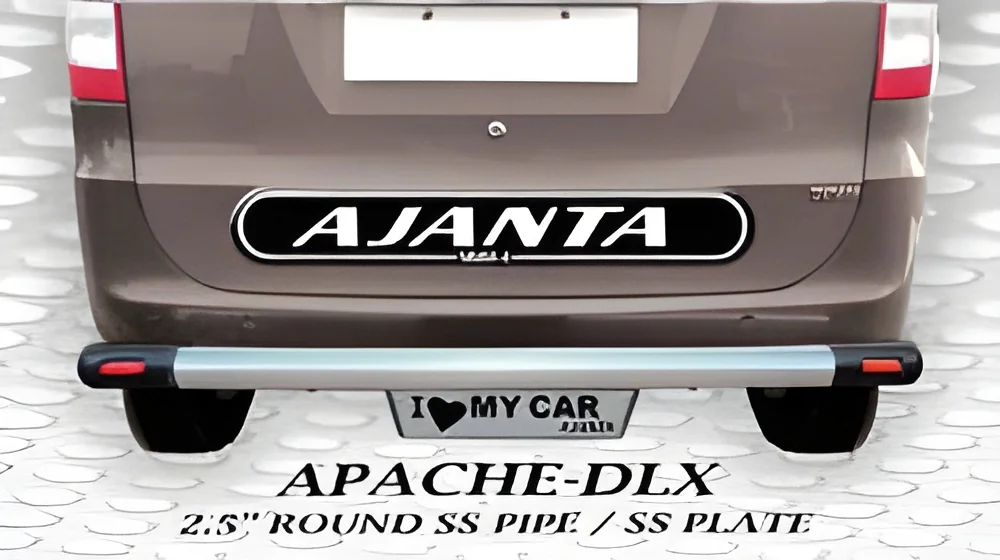
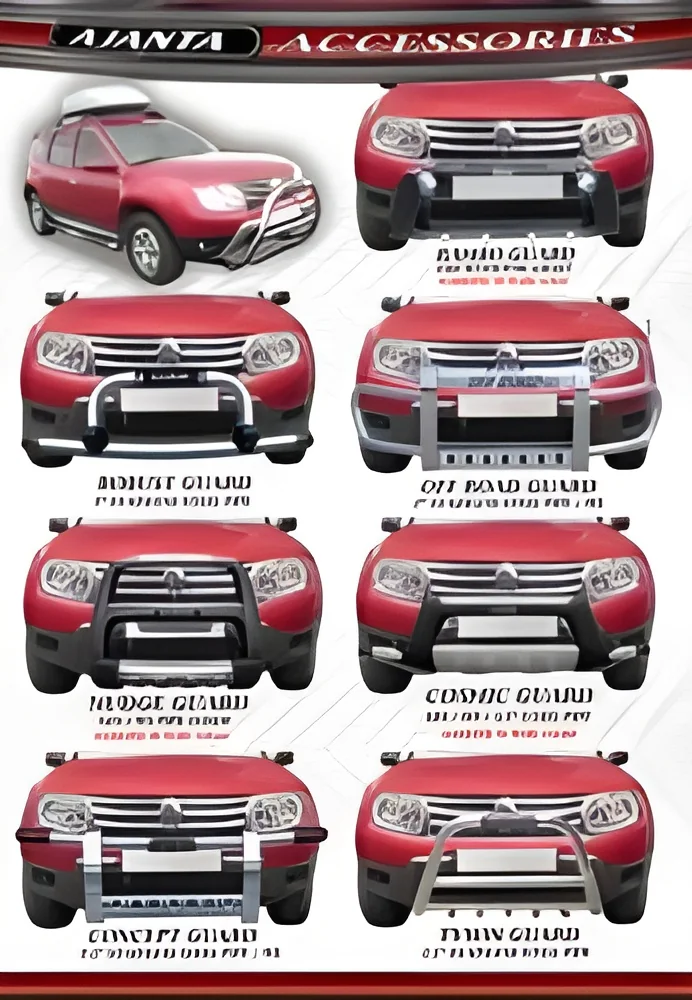
Body panels and exterior fittings are integral components of vehicles, serving both functional and aesthetic purposes. These parts include various structures that make up the outer body of a vehicle, such as doors, hoods, fenders, and bumpers. They are designed to protect the vehicle's internal mechanisms, enhance aerodynamics, and contribute to the overall appearance of the vehicle. Made from materials like steel, aluminum, and plastic, these components are engineered to meet specific performance and safety standards.
The primary applications of body panels and exterior fittings span across several industries, including automotive manufacturing, transportation, and logistics. In the automotive industry, these parts are essential for assembling vehicles that meet regulatory safety standards and consumer expectations. They also play a vital role in vehicle repairs and modifications, ensuring that vehicles maintain their structural integrity and aesthetic appeal. As the automotive market continues to evolve, the demand for high-quality body panels and exterior fittings is critical for manufacturers and suppliers alike.
In the current market context, the demand for body panels and exterior fittings is driven by trends such as increased vehicle production and the rise of electric vehicles. Additionally, advancements in manufacturing processes and materials technology are creating opportunities for innovation and customization in this sector.
Key Features and Specifications
Body panels and exterior fittings come with a variety of features and specifications that enhance their performance and suitability for different applications. Understanding these specifications is essential for businesses looking to procure high-quality components.
Key specifications include:
1. Material Type
- Common materials include steel, aluminum, and composite materials.
- Each material offers different benefits, such as weight reduction or corrosion resistance.
2. Dimensions
- Panels are available in various sizes tailored to specific vehicle models.
- Standard measurements ensure compatibility with existing designs.
3. Weight
- Weight varies depending on the material and design, impacting vehicle performance.
- Lightweight materials contribute to improved fuel efficiency.
4. Surface Finish
- Options include painted, unpainted, or textured finishes.
- Surface finishes affect aesthetics and durability.
5. Strength and Durability
- Panels are engineered to withstand impacts and environmental stress.
- Compliance with safety standards ensures reliability.
6. Customization Options
- Many manufacturers offer custom designs to meet specific requirements.
- Customization can enhance brand identity and functionality.
7. Certifications
- Compliance with industry standards, such as CE certification, ensures quality.
- Certifications can vary by region and application.
8. Manufacturing Processes
- Techniques include stamping, molding, and welding.
- Advanced processes provide precision and efficiency in production.
In summary, understanding the key features and specifications of body panels and exterior fittings is essential for making informed purchasing decisions. These components must meet various performance criteria to ensure they are suitable for their intended applications.
Common Applications and Use Cases
Body panels and exterior fittings find applications across multiple industries, making them versatile components in vehicle manufacturing and repair.
1. Automotive Industry: Body panels are crucial for building vehicles, providing structural integrity and safety features. They are used in assembling cars, trucks, and buses, ensuring compliance with safety regulations.
2. Commercial Vehicles: Exterior fittings are essential for trucks and delivery vans, enhancing aerodynamics and contributing to fuel efficiency. These components also protect cargo and maintain vehicle aesthetics.
3. Automotive Repair: Body panels are frequently replaced in collision repair shops. High-quality replacement parts are necessary to restore vehicles to their original condition.
4. Specialty Vehicles: Vehicles designed for specific purposes, such as emergency services or off-road applications, often require customized body panels. These tailored components enhance functionality and performance.
5. Recreational Vehicles: Body panels and exterior fittings are used in the manufacturing of RVs and campers, providing both protection and aesthetic value.
6. Electric Vehicles: The rise of electric vehicles has increased the demand for lightweight and durable body panels. These components contribute to overall vehicle efficiency and performance.
7. Aftermarket Modifications: Enthusiasts often seek aftermarket body panels and fittings to customize their vehicles. These modifications can enhance performance, aesthetics, and personal style.
Product Variants and Subcategories
Body panels and exterior fittings are available in a variety of configurations to meet diverse needs. This diversity allows businesses to select components that align with their specific applications.
Steel Body Panels: Steel panels are known for their strength and durability. They are commonly used in the automotive industry for their ability to absorb impact and resist deformation.
Aluminum Body Panels: Aluminum panels are lightweight and corrosion-resistant. They are often utilized in high-performance vehicles to improve fuel efficiency and speed.
Composite Body Panels: Composite materials provide an excellent balance between weight and strength. These panels are increasingly popular in electric vehicles due to their efficiency.
Plastic Exterior Fittings: Plastic components are lightweight and can be molded into complex shapes. They are commonly used for grilles, bumpers, and trim pieces, offering design flexibility.
Benefits and Advantages
Sourcing high-quality body panels and exterior fittings offers several benefits to businesses and manufacturers.
1. Enhanced Vehicle Safety: High-quality panels ensure that vehicles meet safety standards, providing protection for passengers and drivers.
2. Improved Aesthetics: Well-designed body panels enhance the visual appeal of vehicles, attracting customers and improving marketability.
3. Cost Efficiency: Durable materials reduce the need for frequent replacements, lowering long-term maintenance costs.
4. Customization Opportunities: The ability to customize body panels allows businesses to create unique vehicles that stand out in the market.
5. Compliance Assurance: Sourcing from certified manufacturers ensures that panels meet industry standards and regulations.
6. Increased Performance: Lightweight materials contribute to better fuel efficiency and overall vehicle performance.
Buying Guide for B2B Buyers
When sourcing body panels and exterior fittings, several factors should be taken into account to ensure the best purchasing decisions.
1. Quality Assessment: Evaluate the material quality and durability of body panels. Look for certifications that indicate compliance with industry standards.
2. Supplier Verification: Conduct thorough background checks on suppliers. Ensure they have a track record of reliability and quality in their production processes.
3. Pricing and MOQ: Understand the pricing structures and minimum order quantities. This helps in budgeting and planning for procurement.
4. Delivery and Lead Times: Inquire about logistics and delivery schedules. Timely delivery is crucial to maintain production timelines.
5. Compliance Requirements: Ensure that products meet regional compliance standards. This is particularly important in regulated markets.
Compliance and Certifications
Compliance and certifications play a vital role in the manufacturing and distribution of body panels and exterior fittings. Adherence to quality standards such as ISO 9001 ensures that products meet industry-specific requirements for quality management.
Certification from organizations such as CE indicates that products comply with European safety standards. This is essential for manufacturers targeting international markets, as it assures customers of the product's safety and reliability.
Safety and testing requirements also vary by region. Manufacturers must ensure that their products undergo rigorous testing to meet local regulations. This includes assessing the durability and impact resistance of body panels.
Regional compliance considerations are crucial for businesses operating in multiple markets. Understanding these requirements helps manufacturers avoid regulatory issues and ensures smooth market entry.
Why Source Body Panels & Exterior Fittings from Pepagora?
Pepagora offers a trusted platform for sourcing body panels and exterior fittings, providing numerous advantages to buyers.
Verified Supplier Network: Pepagora connects buyers with a network of verified suppliers. This ensures that businesses source high-quality products from reputable manufacturers.
Streamlined RFQ Process: The request for quotation process is designed to be efficient and user-friendly. Buyers can easily compare offers and make informed decisions.
Trade Assurance and Support: Pepagora provides buyer protection through its trade assurance program. This adds a layer of security for businesses investing in body panels and exterior fittings.
Regional Coverage: With a focus on markets in India, the GCC, and Southeast Asia, Pepagora offers extensive geographic reach. This enables businesses to find local suppliers that meet their specific needs.
By choosing Pepagora, businesses can simplify their sourcing process and ensure they receive high-quality body panels and exterior fittings.

 IN
IN