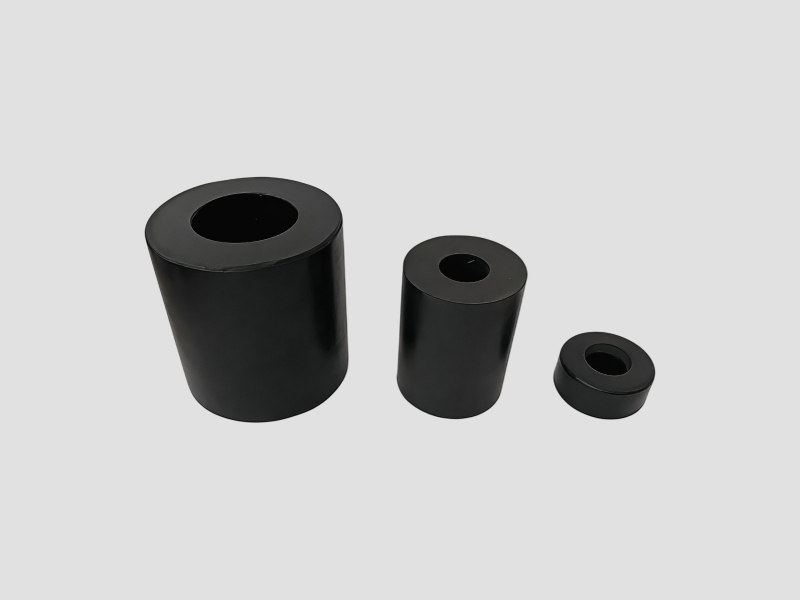
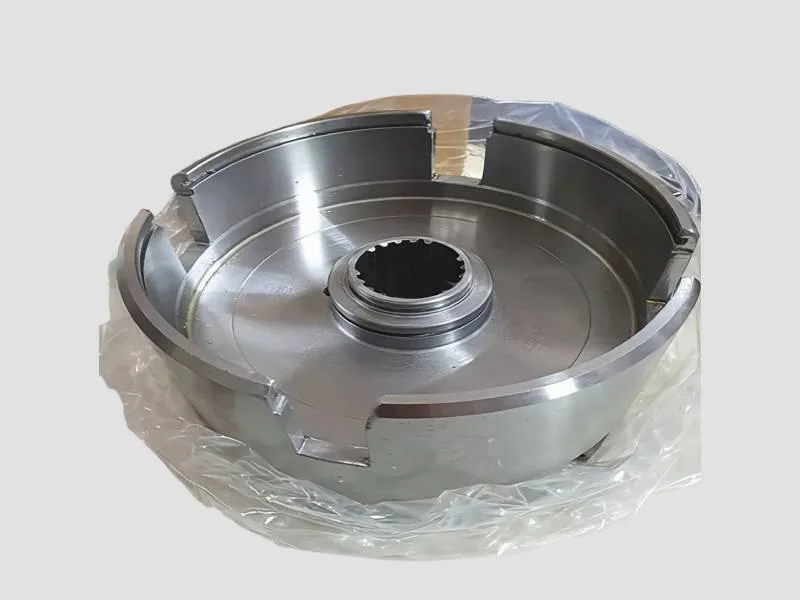
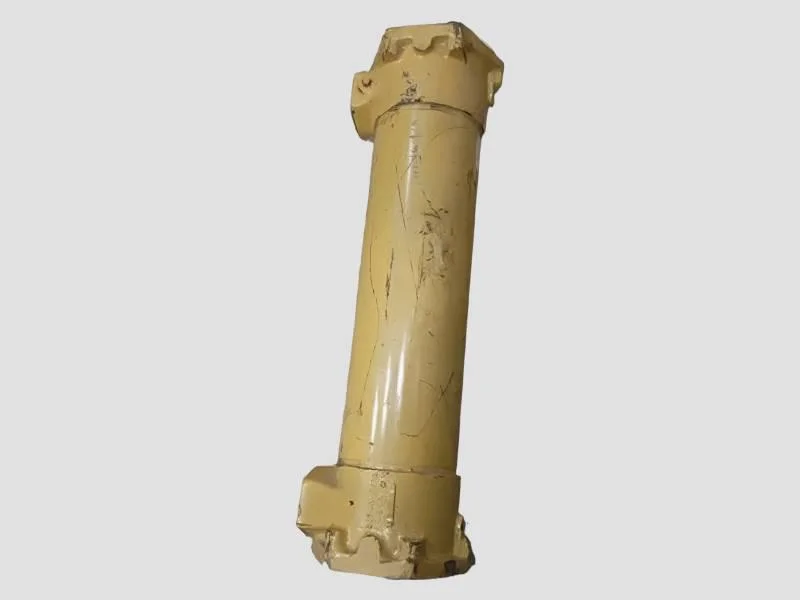
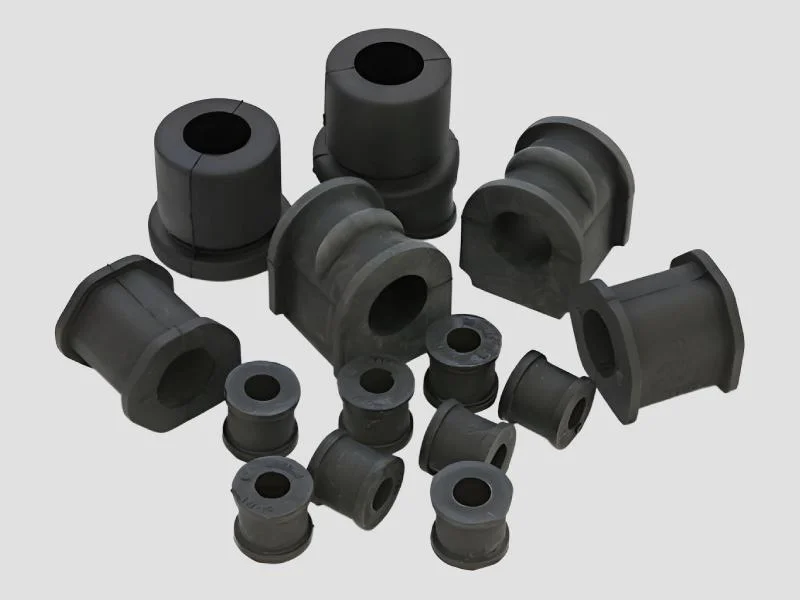
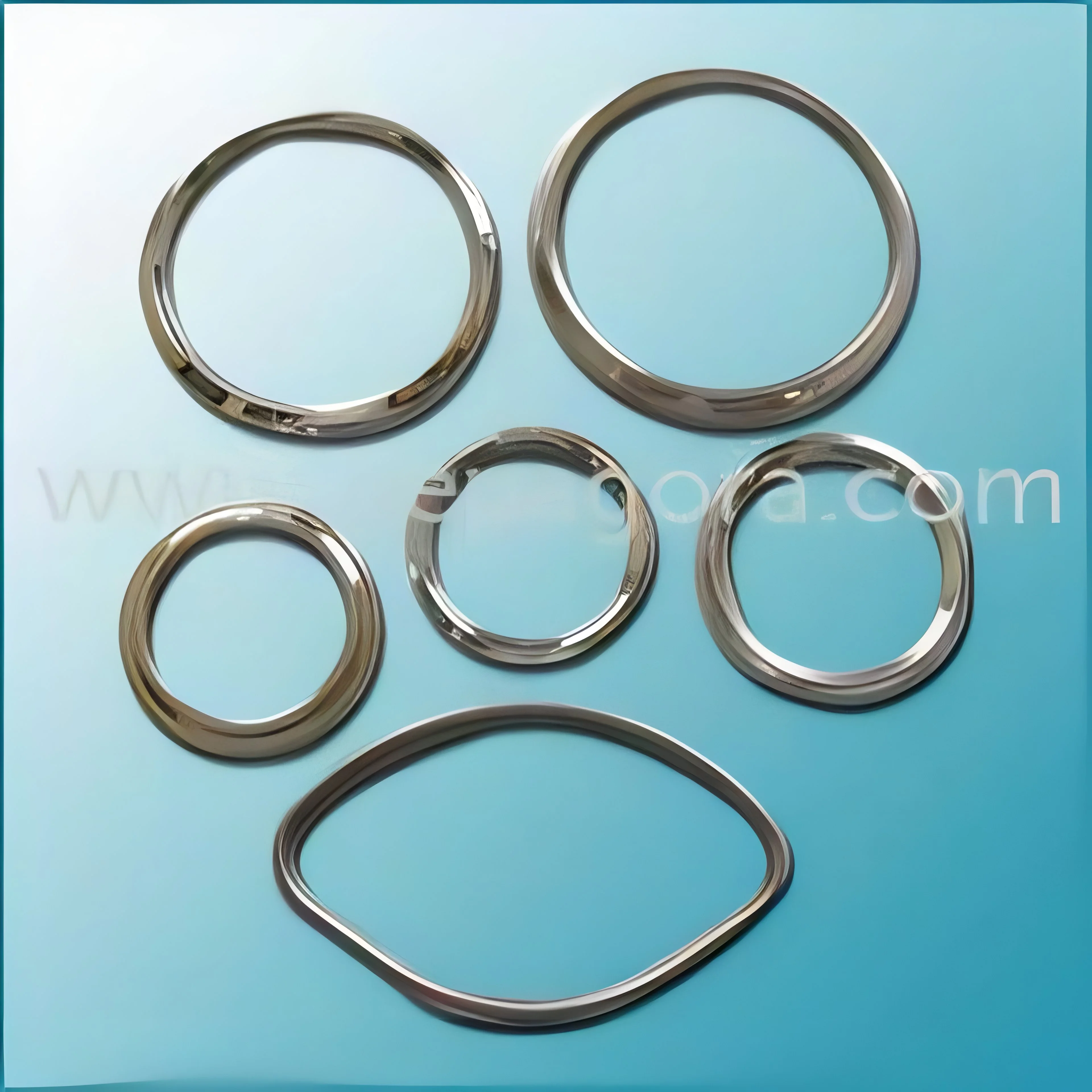
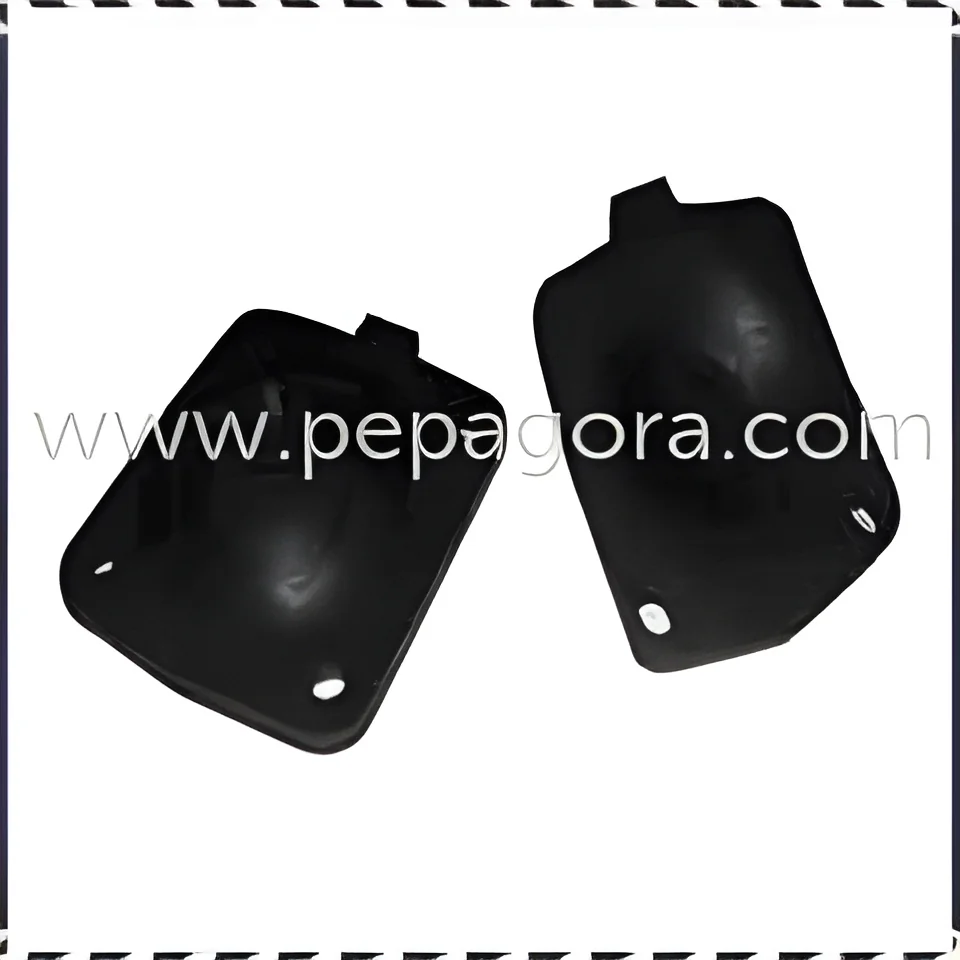
𝗪𝗵𝗮𝘁 𝗮𝗿𝗲 𝗩𝗲𝗵𝗶𝗰𝗹𝗲 𝗦𝗽𝗮𝗿𝗲 𝗣𝗮𝗿𝘁𝘀?
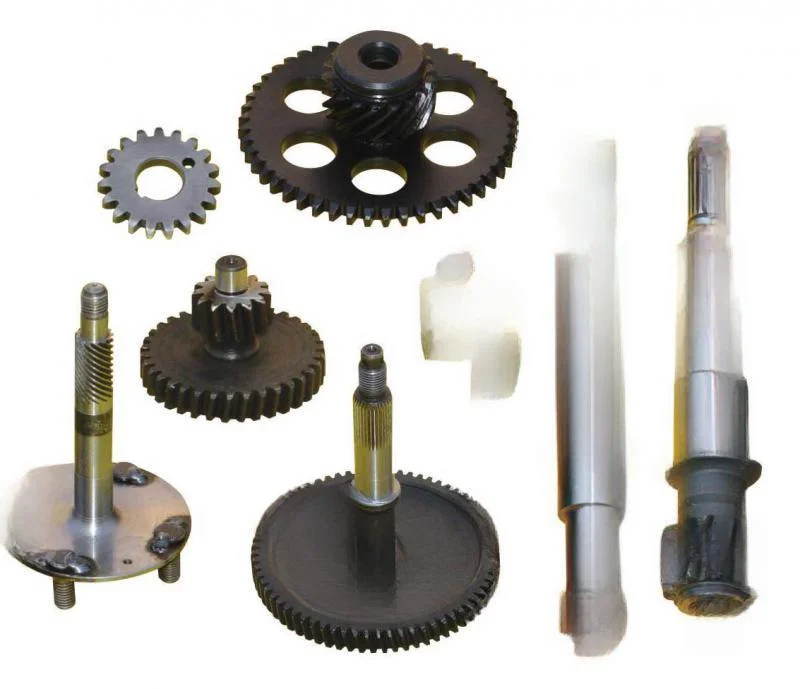
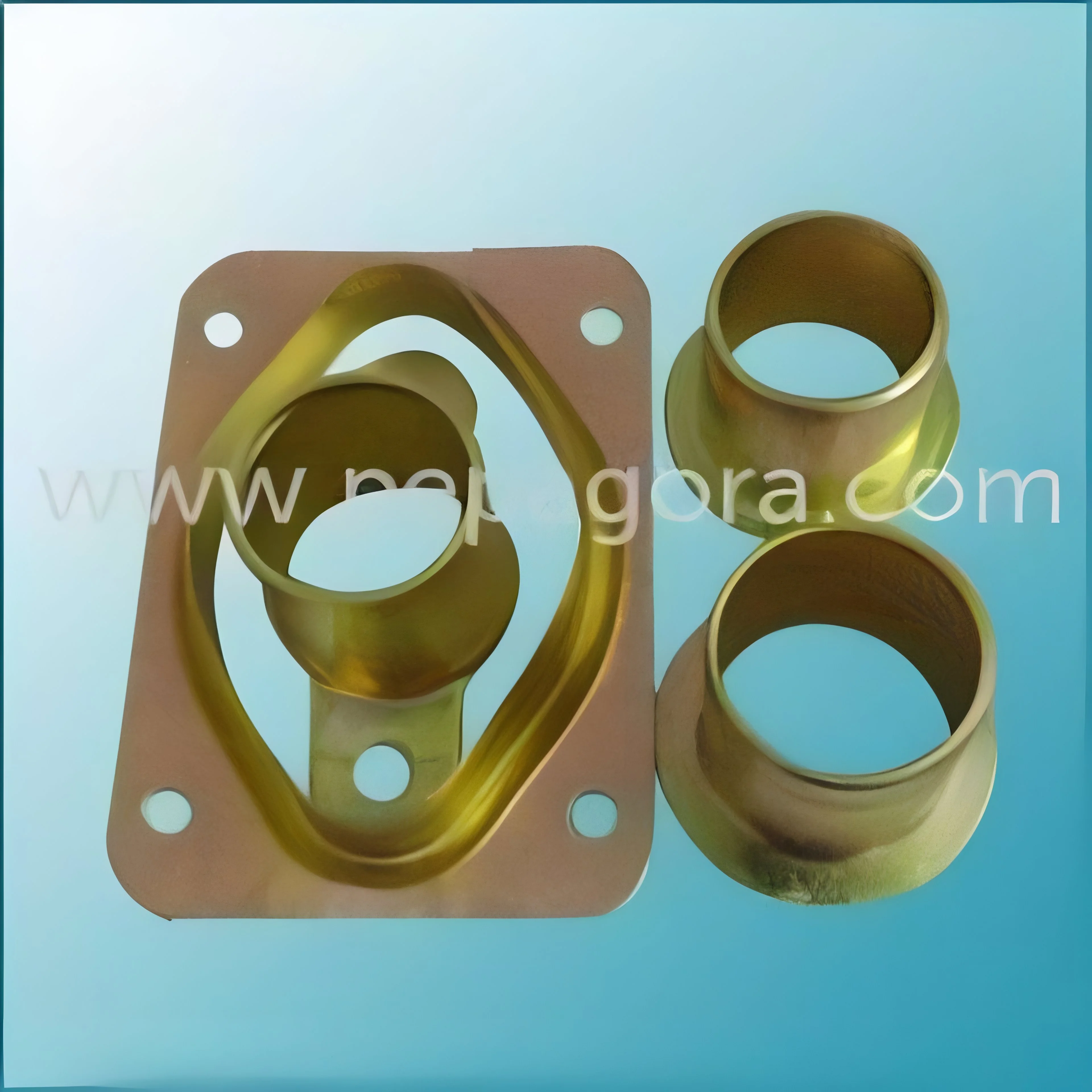
Vehicle spare parts are components designed to replace worn or damaged parts of vehicles, ensuring their proper functioning and longevity. These parts can include a wide range of items such as engines, brakes, tires, and electrical systems. The availability of high-quality spare parts is crucial for maintaining the performance, safety, and reliability of vehicles across different models and brands.
In the B2B sector, vehicle spare parts are essential for automotive manufacturers, repair shops, and fleet operators. Businesses rely on these components to minimize downtime, reduce maintenance costs, and enhance overall operational efficiency. The demand for spare parts is driven by both the growing number of vehicles on the road and the increasing need for regular maintenance and repairs. This has led to a competitive market where quality and reliability are paramount.
As the automotive industry continues to evolve, the relevance of vehicle spare parts is reinforced by advancements in technology and changing consumer preferences. Companies must stay informed about market trends, regulatory standards, and the latest innovations in spare parts to remain competitive and meet customer expectations.
𝗞𝗲𝘆 𝗙𝗲𝗮𝘁𝘂𝗿𝗲𝘀 𝗮𝗻𝗱 𝗦𝗽𝗲𝗰𝗶𝗳𝗶𝗰𝗮𝘁𝗶𝗼𝗻𝘀
Vehicle spare parts come with a variety of features and specifications that are essential for ensuring compatibility and performance. These specifications often reflect the quality and reliability of the parts, which are critical for various applications.
Key specifications include:
1. Material Quality
- High-grade materials such as steel, aluminum, or composites
- Resistance to wear, corrosion, and temperature variations
2. Compatibility Standards
- Must meet OEM specifications for different vehicle makes and models
- Ensures proper fit and function
3. Performance Ratings
- Defined by factors such as durability and load capacity
- Tested under various conditions to ensure reliability
4. Certifying Standards
- Compliance with international standards like CE certification
- Guarantees safety and quality assurance
5. Warranty Specifications
- Coverage period and conditions for replacements
- Assurance of quality from manufacturers
6. Production Methods
- Techniques such as injection molding or casting
- Impacts the strength and performance of parts
7. Testing Procedures
- Rigorous testing for safety and performance
- Includes fatigue testing and environmental testing
8. Minimum Order Quantities (MOQ)
- Varies by supplier and part type
- Influences purchasing decisions for businesses
Overall, understanding these specifications is crucial for businesses when selecting the appropriate spare parts to meet their operational needs.
𝗖𝗼𝗺𝗺𝗼𝗻 𝗔𝗽𝗽𝗹𝗶𝗰𝗮𝘁𝗶𝗼𝗻𝘀 𝗮𝗻𝗱 𝗨𝘀𝗲 𝗖𝗮𝘀𝗲𝘀
Vehicle spare parts serve a wide range of industries, making them integral to many business operations.
1. Automotive Repair: Repair shops use a variety of spare parts to service and maintain vehicles, ensuring they are roadworthy and safe.
2. Fleet Management: Companies managing vehicle fleets rely on spare parts for timely maintenance and repairs to keep their vehicles operational.
3. Manufacturing: Automotive manufacturers utilize spare parts for assembling vehicles and for replacement during production line maintenance.
4. Transportation Services: Businesses in logistics and transportation depend on spare parts to minimize downtime and maintain efficiency.
5. Agriculture: Agricultural vehicles and machinery require specific spare parts for repairs and maintenance to ensure optimal performance in the field.
6. Construction: Heavy equipment used in construction often requires specialized spare parts for repairs to maintain functionality and safety.
7. Racing and Motorsports: High-performance vehicles in these sectors need specialized spare parts for maintenance and upgrades to enhance performance.
𝗣𝗿𝗼𝗱𝘂𝗰𝘁 𝗩𝗮𝗿𝗶𝗮𝗻𝘁𝘀 𝗮𝗻𝗱 𝗦𝘂𝗯𝗰𝗮𝘁𝗲𝗴𝗼𝗿𝗶𝗲𝘀
The diversity of vehicle spare parts allows businesses to find specific solutions tailored to their needs.
Engine Components
These parts include pistons, valves, and gaskets, which are crucial for the engine’s performance and efficiency. They are designed to meet stringent OEM specifications and are critical for both new builds and repairs.
Suspension Parts
Components like shock absorbers and struts fall under this category. They are vital for vehicle stability and ride quality, helping to absorb shocks and maintain control on various terrains.
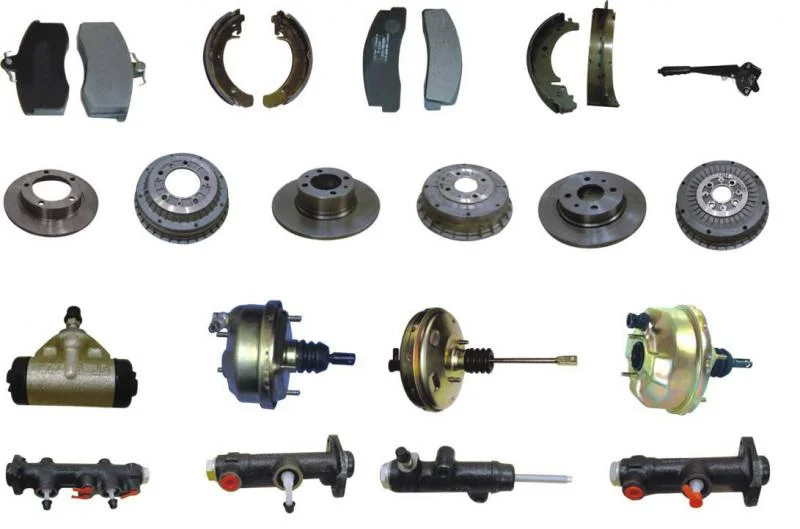
Braking Systems
This variant encompasses brake pads, rotors, and calipers, which are essential for vehicle safety. High-quality braking components ensure effective stopping power and reliability.
Electrical Systems
Parts such as batteries, alternators, and wiring harnesses are critical for the electrical operation of vehicles. They ensure that various electronic components function effectively.
𝗕𝗲𝗻𝗲𝗳𝗶𝘁𝘀 𝗮𝗻𝗱 𝗔𝗱𝘃𝗮𝗻𝘁𝗮𝗴𝗲𝘀
Sourcing quality vehicle spare parts offers numerous benefits for businesses.
1. Enhanced Vehicle Performance: High-quality spare parts improve the overall performance and efficiency of vehicles, leading to better fuel economy and reduced emissions.
2. Increased Safety: Reliable spare parts ensure that vehicles operate safely, reducing the risk of accidents caused by faulty components.
3. Extended Vehicle Lifespan: Utilizing quality spare parts leads to less frequent replacements and repairs, effectively increasing the lifespan of the vehicle.
4. Cost Efficiency: Investing in durable spare parts can lead to long-term savings by reducing maintenance costs and enhancing vehicle reliability.
5. Improved Customer Satisfaction: For businesses in automotive services, providing reliable repairs with quality parts enhances customer trust and satisfaction.
6. Compliance with Standards: Sourcing certified spare parts ensures compliance with industry standards, which is essential for legal and safety requirements.
𝗕𝘂𝘆𝗶𝗻𝗴 𝗚𝘂𝗶𝗱𝗲 𝗳𝗼𝗿 𝗕𝟮𝗕 𝗕𝘂𝘆𝗲𝗿𝘀
When sourcing vehicle spare parts, it is essential for B2B buyers to consider several key factors.
1. Quality Assessment: Evaluating the quality of spare parts is crucial. Look for parts that meet OEM specifications and are made from high-grade materials to ensure durability.
2. Supplier Verification: Vetting suppliers for reliability and reputation is important. Consider their track record, customer feedback, and certification to ensure they provide quality products.
3. Pricing and MOQ: Understanding the pricing structure and minimum order quantities can impact purchasing decisions. Compare prices among suppliers for the best value.
4. Delivery and Lead Times: Timely delivery is critical for maintaining operations. Assess the lead times offered by suppliers to ensure they align with your needs.
5. Compliance Requirements: Be aware of any regulatory compliance needs that apply to the parts you are sourcing. This includes industry standards and certification requirements to ensure safety and quality.
𝗖𝗼𝗺𝗽𝗹𝗶𝗮𝗻𝗰𝗲 𝗮𝗻𝗱 𝗖𝗲𝗿𝘁𝗶𝗳𝗶𝗰𝗮𝘁𝗶𝗼𝗻𝘀
Compliance and certifications play a vital role in the vehicle spare parts market. Adhering to relevant quality standards, such as ISO 9001, ensures that manufacturers maintain consistent quality in their products. These standards focus on quality management systems and help organizations improve their processes.
Industry certifications, like CE marking, indicate that the parts meet European safety, health, and environmental protection standards. This certification is crucial for businesses looking to market their products in Europe or regions that recognize CE standards.
Safety and testing requirements are also paramount. Spare parts must undergo rigorous testing to ensure they can withstand the rigors of daily use. This includes fatigue testing and environmental assessments to confirm their reliability in various conditions.
Regional compliance considerations may vary based on local regulations, making it essential for businesses to stay informed about the specific requirements applicable in their regions of operation.
𝗪𝗵𝘆 𝗦𝗼𝘂𝗿𝗰𝗲 𝗩𝗲𝗵𝗶𝗰𝗹𝗲 𝗦𝗽𝗮𝗿𝗲 𝗣𝗮𝗿𝘁𝘀 𝗳𝗿𝗼𝗺 𝗣𝗲𝗽𝗮𝗴𝗼𝗿𝗮?
Pepagora provides a trusted platform for sourcing vehicle spare parts, offering several key advantages to businesses.
Verified Supplier Network: Pepagora connects buyers with a network of verified suppliers, ensuring that all suppliers meet strict quality and reliability standards. This minimizes risks associated with sourcing.
Streamlined RFQ Process: The platform offers a user-friendly Request for Quotation (RFQ) system, allowing businesses to efficiently compare prices and specifications from multiple suppliers, simplifying the purchasing process.
Trade Assurance and Support: Buyers benefit from trade assurance measures that protect their purchases. Pepagora provides support throughout the sourcing process, ensuring that buyers receive the quality they expect.
Regional Coverage: With a strong presence in India, the GCC, and Southeast Asia, Pepagora offers extensive geographic reach. This allows businesses to access a wide variety of spare parts, tailored to their specific regional needs and market conditions.

 IN
IN