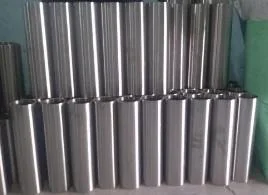
What are Spare Parts for Commercial Vehicles?
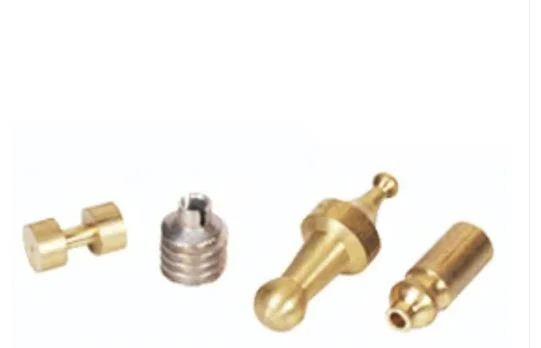
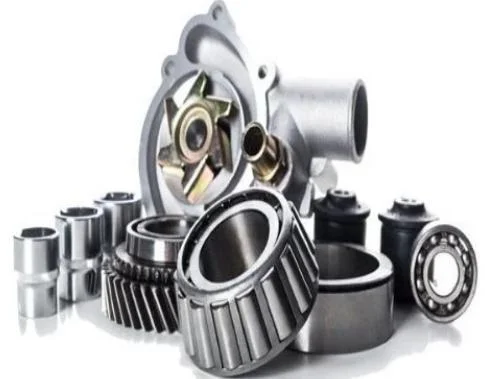
Spare parts for commercial vehicles refer to the components and accessories that are used to replace damaged or worn-out parts in trucks, buses, and other commercial transport vehicles. These parts are essential for maintaining the operational efficiency and safety of the vehicles. They encompass a wide range of items, including engines, transmission systems, brake components, electrical systems, and more. Ensuring that commercial vehicles are equipped with quality spare parts is critical for their longevity and performance.
The primary use of these spare parts is to facilitate repairs and maintenance for commercial fleets, ensuring that vehicles remain in optimal working condition. Businesses rely on timely availability of these parts to minimize downtime, which can be costly. Spare parts are used across various applications, from routine maintenance to emergency repairs, making them a vital aspect of fleet management. With the growing demand for logistics and transportation services, the market for spare parts for commercial vehicles is expanding, catering to a diverse range of industries.
Key Features and Specifications
Spare parts for commercial vehicles come with specific features and specifications that are critical for compatibility and performance. Understanding these specifications helps businesses make informed purchasing decisions.
Key specifications include:
1. Compatibility Standards
- Ensures that parts meet the original equipment manufacturer (OEM) requirements.
- Specifications may vary depending on vehicle make and model.
2. Material Quality
- Parts are often made from high-grade steel, aluminum, or composite materials.
- Must withstand various environmental conditions and mechanical stress.
3. Performance Ratings
- Spare parts are rated based on their durability and efficiency.
- Includes details on load capacity and operational limits.
4. Warranty Information
- Most parts come with a manufacturer warranty to guarantee quality.
- Warranty terms can range from 1 year to several years depending on the part.
5. Compliance with Regulations
- Parts should comply with industry standards such as CE certification.
- Important for parts used in safety-critical applications.
6. Temperature and Humidity Tolerance
- Details on operational temperature ranges and humidity control.
- Ensures parts function correctly under varying environmental conditions.
7. Availability
- Information on lead times for sourcing parts.
- Critical for planning maintenance schedules.
8. Customization Options
- Some suppliers offer customization based on specific business needs.
- Tailored parts can enhance vehicle performance and fit.
In summary, understanding the key features and specifications of spare parts for commercial vehicles is crucial for ensuring that the right components are selected for optimal vehicle performance.
Common Applications and Use Cases
Spare parts for commercial vehicles are utilized across various industries, each with its specific applications.
1. Logistics and Transportation: These industries require reliable vehicles to transport goods across distances. Spare parts are essential for maintaining fleet performance and safety.
2. Construction: Heavy-duty vehicles like cement mixers and dump trucks need regular maintenance. Quality spare parts ensure they operate efficiently on job sites.
3. Public Transport: Buses and shuttles require spare parts for timely repairs to minimize service interruptions and ensure passenger safety.
4. Agriculture: Vehicles used in farming, such as tractors and harvesters, rely on spare parts for their operation, especially during peak seasons.
5. Waste Management: Garbage trucks require durable parts to handle heavy loads and withstand harsh conditions.
6. Emergency Services: Fire trucks and ambulances must be equipped with reliable spare parts to ensure they function optimally during emergencies.
7. Delivery Services: Companies that deliver goods need their vehicles to be in top shape, making spare parts critical for their operations.
Product Variants and Subcategories
Spare parts for commercial vehicles are diverse, catering to a wide range of needs and applications. Each variant offers specific features tailored to different vehicle types and operational requirements.
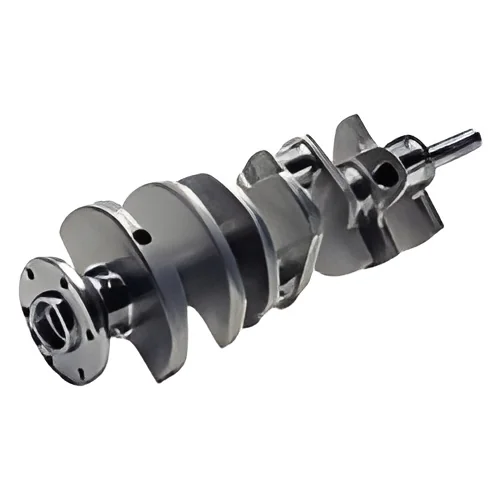
Engine Components: This variant includes items such as pistons, valves, and crankshafts. These components are vital for maintaining engine performance and ensuring longevity.
Brake Systems: Spare parts in this category consist of brake pads, rotors, and calipers. They are essential for vehicle safety and performance, particularly in heavy-duty applications.
Electrical Systems: This includes batteries, alternators, and wiring harnesses. Reliable electrical components are critical for the operation of various vehicle systems.
Suspension Parts: Items such as shock absorbers and struts fall under this category. They are crucial for maintaining vehicle stability and comfort during transit.
Transmission Parts: Components like gears and clutches are included here. These parts are essential for the smooth operation of commercial vehicles.
Benefits and Advantages
Investing in quality spare parts for commercial vehicles offers numerous advantages.
1. Enhanced Vehicle Performance: Quality spare parts improve the overall performance of commercial vehicles, leading to better fuel efficiency and reduced emissions.
2. Increased Safety: Using reliable parts ensures that vehicles operate safely, minimizing risks of accidents and breakdowns.
3. Cost-Effectiveness: Quality spare parts reduce the frequency of repairs and replacements, leading to lower long-term maintenance costs.
4. Downtime Reduction: Timely availability of spare parts minimizes downtime, ensuring that vehicles remain operational and productive.
5. Improved Lifespan: Quality components can extend the lifespan of vehicles, providing better return on investment.
6. Compliance Assurance: Sourcing parts that meet regulatory standards helps businesses avoid legal issues and fines.
Buying Guide for B2B Buyers
When sourcing spare parts for commercial vehicles, B2B buyers should consider several critical factors.
1. Quality Assessment: Evaluate the quality of spare parts by checking certifications and manufacturer standards. Reliable parts will ensure the longevity of vehicles.
2. Supplier Verification: Conduct due diligence on suppliers to ensure they have a good reputation and provide quality parts. This can include checking references and reviews.
3. Pricing and MOQ: Understand the pricing structures and minimum order quantities (MOQs) offered by suppliers. This helps in budgeting and planning procurement.
4. Delivery and Lead Times: Consider logistics and delivery times, as timely availability of parts is crucial for maintenance schedules.
5. Compliance Requirements: Be aware of the regulatory requirements for spare parts in your region, ensuring that all sourced components meet necessary standards.
Compliance and Certifications
Compliance with industry standards is critical for ensuring the quality and safety of spare parts for commercial vehicles.
Key quality standards include ISO 9001, which specifies requirements for a quality management system, ensuring that products meet customer and regulatory requirements.
Additionally, certain parts may require HACCP and GDP certifications, particularly those used in the food and pharmaceutical transport sectors.
CE certification is a key industry requirement in many regions, indicating that the products meet EU safety and environmental standards.
Safety and testing requirements are also paramount, as they ensure that parts can withstand the rigors of commercial use.
Regional compliance considerations may vary, so it is essential for businesses to stay informed about local regulations regarding vehicle components.
Why Source Spare Parts for Commercial Vehicles from Pepagora?
Pepagora provides a trusted platform for sourcing spare parts for commercial vehicles with several key advantages that appeal to B2B buyers.
Verified Supplier Network: Pepagora boasts a comprehensive network of verified suppliers, ensuring that buyers can access quality spare parts from reputable sources. This verification process helps mitigate risks associated with procurement.
Streamlined RFQ Process: The platform offers a streamlined Request for Quotation (RFQ) process, simplifying the way buyers can request and compare prices for spare parts. This efficiency saves time and helps in making informed purchasing decisions.
Trade Assurance and Support: Pepagora provides trade assurance and ongoing support for buyers, offering protection against potential issues related to quality and delivery. This commitment to buyer satisfaction enhances the overall procurement experience.
Regional Coverage: With a strong geographic reach across India, the GCC, and Southeast Asia, Pepagora ensures that businesses can find the spare parts they need, regardless of their location. This regional coverage facilitates timely access to essential components, contributing to effective fleet management.

 IN
IN