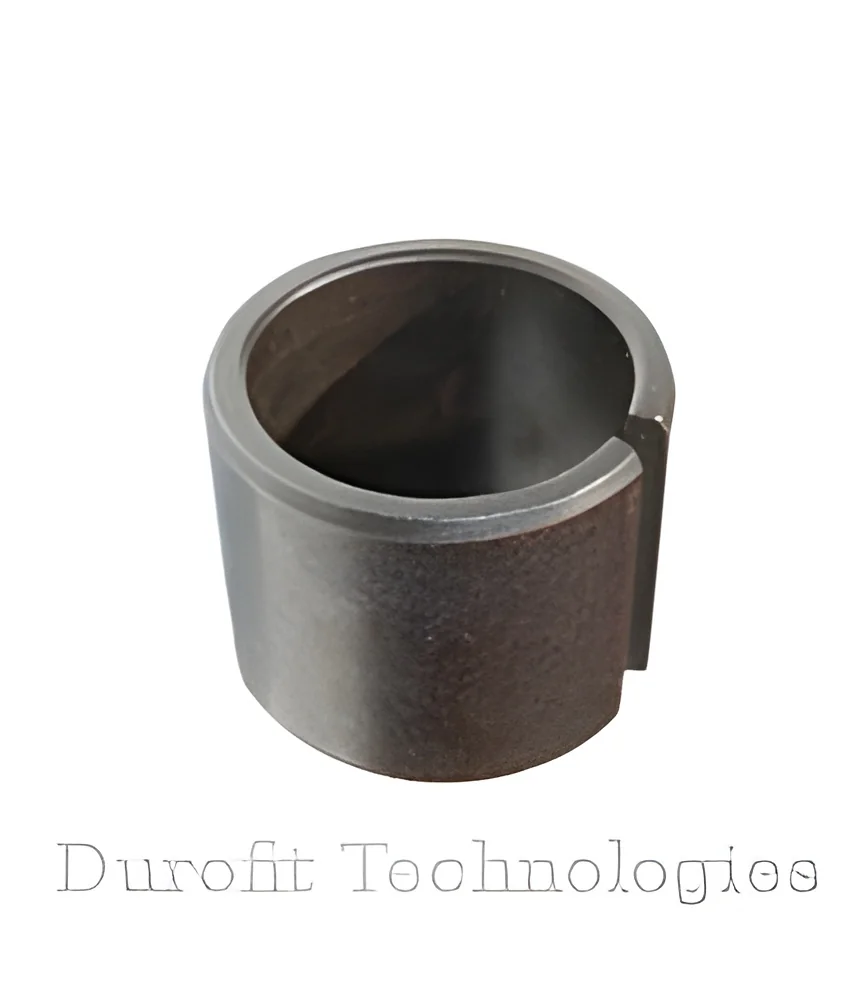
What are Bearings & Bushings?
Bearings and bushings are essential mechanical components that facilitate the movement and rotation of machinery. Bearings are designed to support and reduce friction between moving parts, allowing for smooth operation. Bushings, on the other hand, act as sleeves or linings that provide a bearing surface for rotating shafts, helping to minimize wear and tear. Together, these components play a critical role in the functionality and efficiency of various machines.
These products are widely used across multiple industries, including manufacturing, automotive, aerospace, and construction. In manufacturing, bearings and bushings are integral to the operation of machines such as conveyor systems and robotic arms. In the automotive sector, they are crucial for vehicle performance, found in engines, transmissions, and wheel assemblies. Their ability to enhance performance and reliability makes them vital for businesses that rely on heavy machinery and complex systems.
The market for bearings and bushings is robust, driven by ongoing advancements in technology and manufacturing processes. With the increasing demand for high-performance machinery, industries are continually seeking reliable components that can withstand harsh conditions. As a result, the bearings and bushings market continues to evolve, focusing on innovation and improved efficiency.
Key Features and Specifications
Bearings and bushings come with various features and specifications that determine their suitability for specific applications. Understanding these specifications is crucial for selecting the right components for your machinery.
Key specifications include:
1. Load Capacity
- Refers to the maximum load a bearing or bushing can support.
- Typically measured in pounds or kilograms.
2. Rotational Speed Rating
- Indicates the maximum speed at which the bearing or bushing can operate.
- Measured in revolutions per minute (RPM).
3. Material Composition
- Common materials include steel, bronze, and polymer.
- Material choice affects durability and resistance to wear.
4. Temperature Range
- Specifies the operational temperature limits.
- Important for applications in extreme environments.
5. Lubrication Type
- Can be grease, oil, or self-lubricating.
- Affects the maintenance and longevity of the component.
6. Dimensional Standards
- Includes inner diameter, outer diameter, and width.
- Ensures compatibility with existing machinery.
7. Type of Bearing or Bushing
- Includes ball bearings, roller bearings, and plain bushings.
- Each type has distinct advantages for different applications.
8. Compliance Standards
- May include certifications such as CE and ISO.
- Ensures quality and reliability in industrial applications.
In summary, selecting bearings and bushings requires a clear understanding of these specifications to meet the operational needs of various machines.
Common Applications and Use Cases
Bearings and bushings are integral to numerous industries, each with specific applications that highlight their importance.
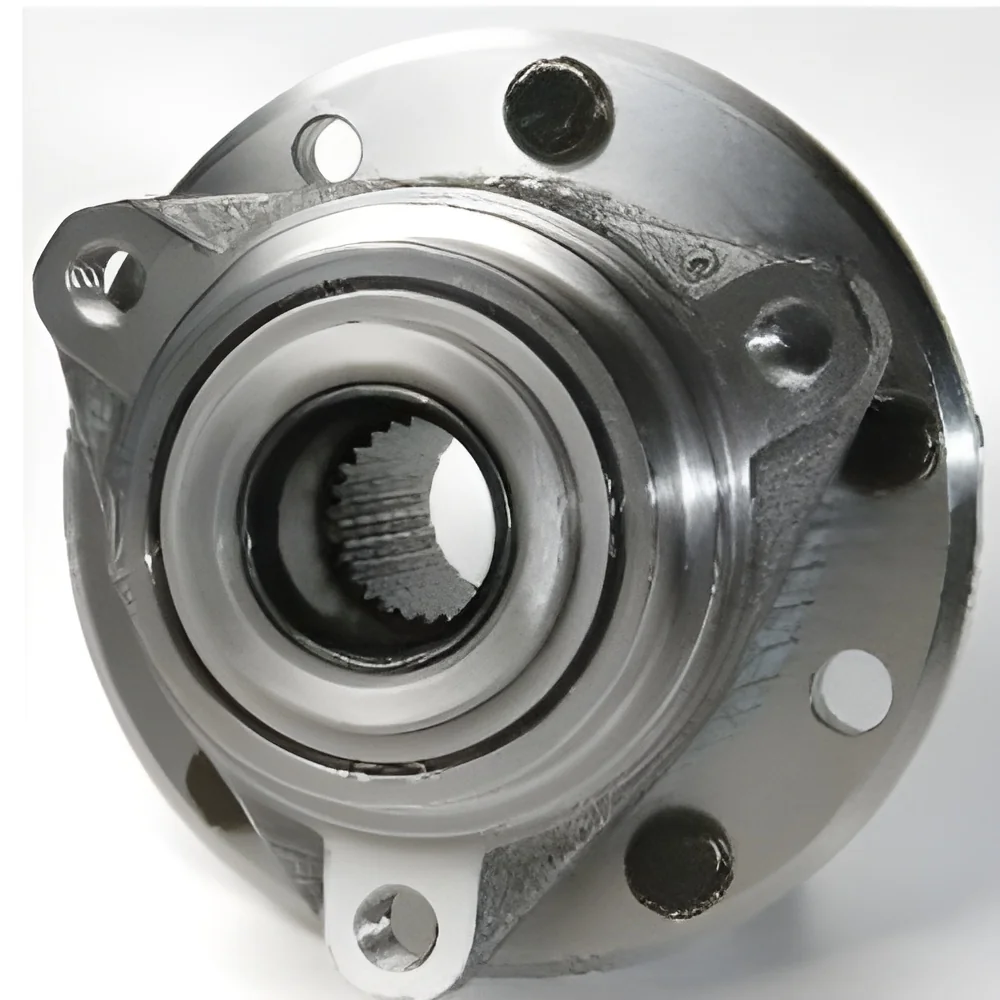
1. Automotive Industry: Bearings are used in engines, transmissions, and wheel hubs. They ensure smooth rotation and reduce friction, enhancing vehicle performance and longevity.
2. Manufacturing: In industrial settings, bearings and bushings are essential for conveyor systems, robotic arms, and CNC machines. They allow for efficient movement, maximizing productivity.
3. Aerospace: Bearings are critical in aircraft engines and landing gear systems. Their reliability is paramount for safety and performance in flight.
4. Construction: Heavy machinery such as excavators and bulldozers utilize bearings and bushings to facilitate movement and support heavy loads, ensuring operational efficiency.
5. Agriculture: Bearings in tractors and other agricultural equipment reduce friction and wear, contributing to the durability and effectiveness of farming machinery.
6. Mining: Equipment used in mining operations relies on robust bearings and bushings to withstand harsh environments and heavy loads.
7. Marine: Bearings are used in ship propellers and other marine equipment, where they must resist corrosion and perform reliably in water environments.
Product Variants and Subcategories
Bearings and bushings come in various forms to meet diverse industrial needs. Understanding these variants helps in selecting the right product.
Ball Bearings: These bearings utilize spherical balls to reduce friction. They are ideal for high-speed applications and provide excellent load support.
Roller Bearings: Featuring cylindrical rollers, these bearings are designed for heavy load applications. They are commonly used in industrial machinery.
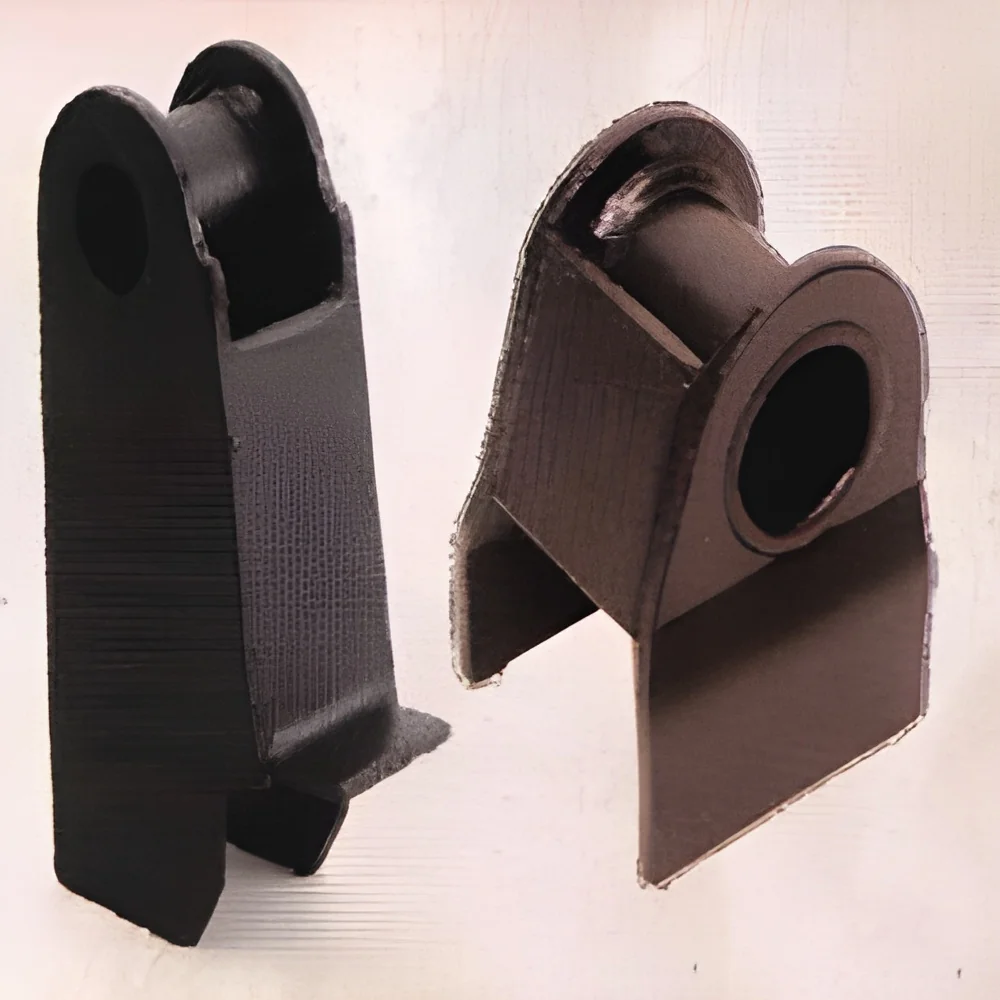
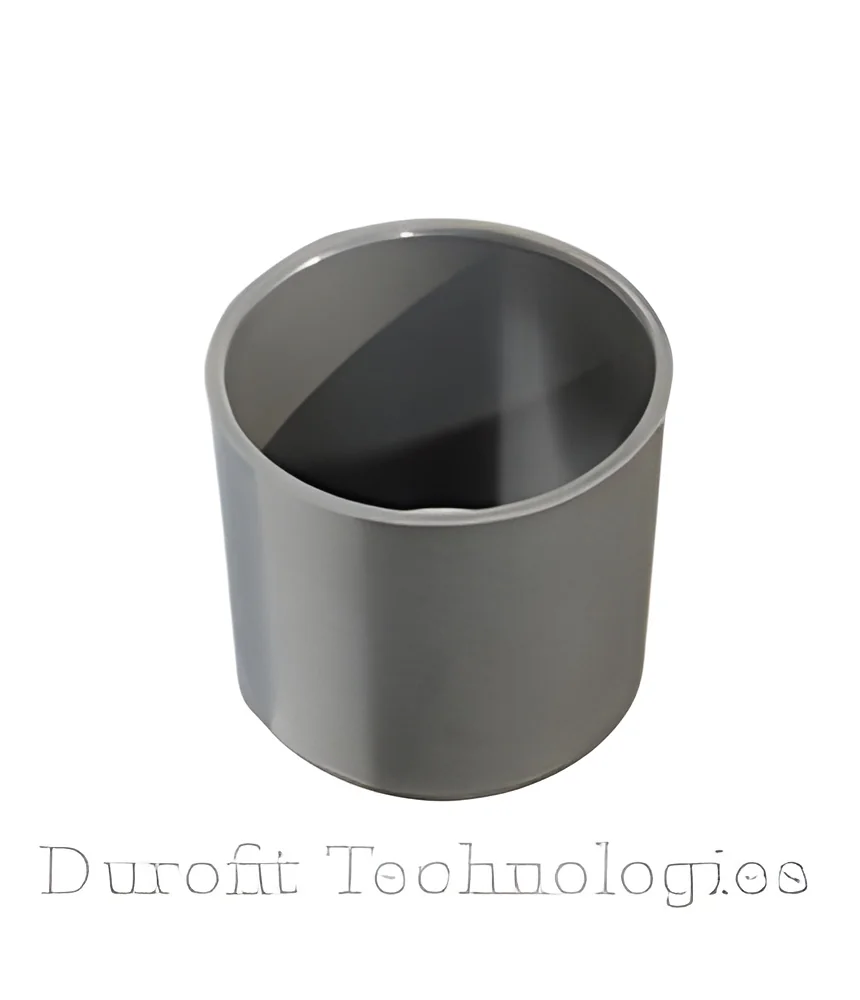
Plain Bushings: These are simple sleeves that provide a bearing surface for shafts. They are often used in applications where space is limited.
Thrust Bearings: Designed to handle axial loads, these bearings are used in applications such as automotive transmissions and rotary tables.
Sleeve Bearings: These bearings consist of a cylindrical sleeve that fits over a shaft. They are suitable for low-speed, high-load applications.
Benefits and Advantages
Bearings and bushings offer numerous benefits that enhance machinery operation and longevity.
1. Reduced Friction: These components minimize friction between moving parts, leading to smoother operation and decreased energy consumption.
2. Enhanced Durability: High-quality bearings and bushings are designed to withstand wear and tear, providing a longer lifespan for machinery.
3. Improved Performance: By enabling smoother movement, bearings and bushings contribute to the overall performance and efficiency of machines.
4. Versatility: Available in various types and specifications, these components can be tailored to fit a wide range of applications across industries.
5. Cost-Effectiveness: Investing in quality bearings and bushings can lead to reduced downtime and maintenance costs, ultimately saving money for businesses.
6. Easy Installation: Many bearings and bushings are designed for straightforward installation, reducing setup time and labor costs.
Buying Guide for B2B Buyers
When sourcing bearings and bushings, it is essential to consider several factors to ensure the right fit for your applications.
1. Quality Assessment: Evaluate the quality of materials and manufacturing processes. Look for products that meet industry standards and certifications to ensure reliability and performance.
2. Supplier Verification: Vet potential suppliers to ensure they have a proven track record. Check for customer reviews, industry experience, and compliance with quality standards.
3. Pricing and MOQ: Understand the pricing structure and minimum order quantities. This will help in budgeting and ensure that you are getting competitive rates.
4. Delivery and Lead Times: Discuss logistics with suppliers to confirm delivery schedules. Timely delivery is crucial for maintaining production schedules.
5. Compliance Requirements: Ensure that the bearings and bushings meet any necessary regulatory requirements for your industry. Compliance with standards such as CE and ISO is vital for quality assurance.
Compliance and Certifications
Compliance and certifications play a significant role in ensuring the quality and reliability of bearings and bushings. Key standards include ISO 9001, which focuses on quality management systems, ensuring that manufacturers maintain high standards throughout production.
Industry certifications, such as CE, indicate that products meet European safety, health, and environmental protection standards. These certifications are essential for products intended for use in regulated markets.
Safety and testing requirements are also critical. Bearings and bushings should undergo rigorous testing to verify their performance under various conditions. This includes assessments for load capacity, fatigue life, and operational temperature ranges.
Additionally, regional compliance considerations may vary. Manufacturers must be aware of local regulations and standards to ensure their products can be marketed and used in specific regions without issue.
Why Source Bearings & Bushings from Pepagora?
Pepagora provides a trusted platform for sourcing bearings and bushings, offering several key advantages for B2B buyers.
Verified Supplier Network: Pepagora connects buyers with a network of verified suppliers, ensuring that all products meet industry standards. This reduces the risk associated with sourcing components.
Streamlined RFQ Process: The request for quotation process is designed to be efficient, allowing buyers to quickly receive competitive quotes from multiple suppliers. This simplifies the sourcing process and helps in making informed decisions.
Trade Assurance and Support: Pepagora offers trade assurance, providing buyers with protection throughout the purchasing process. This includes support for resolving disputes and ensuring that orders are fulfilled as expected.
Regional Coverage: With a strong presence in India, the GCC, and Southeast Asia, Pepagora connects buyers with suppliers across these regions. This broad geographic reach facilitates access to a diverse range of products and suppliers, catering to various industrial needs.

 IN
IN