What are Axles & Drive Shafts?
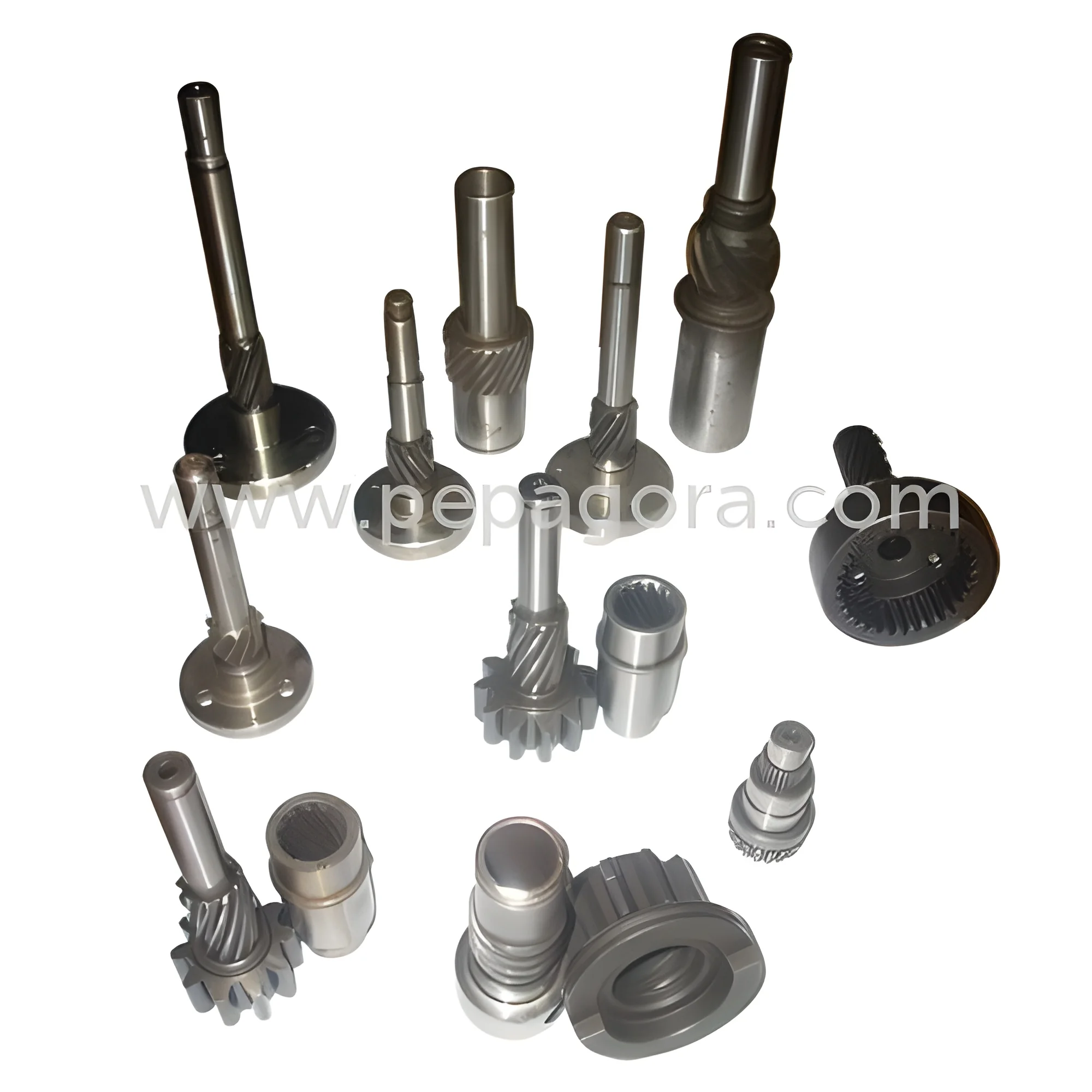
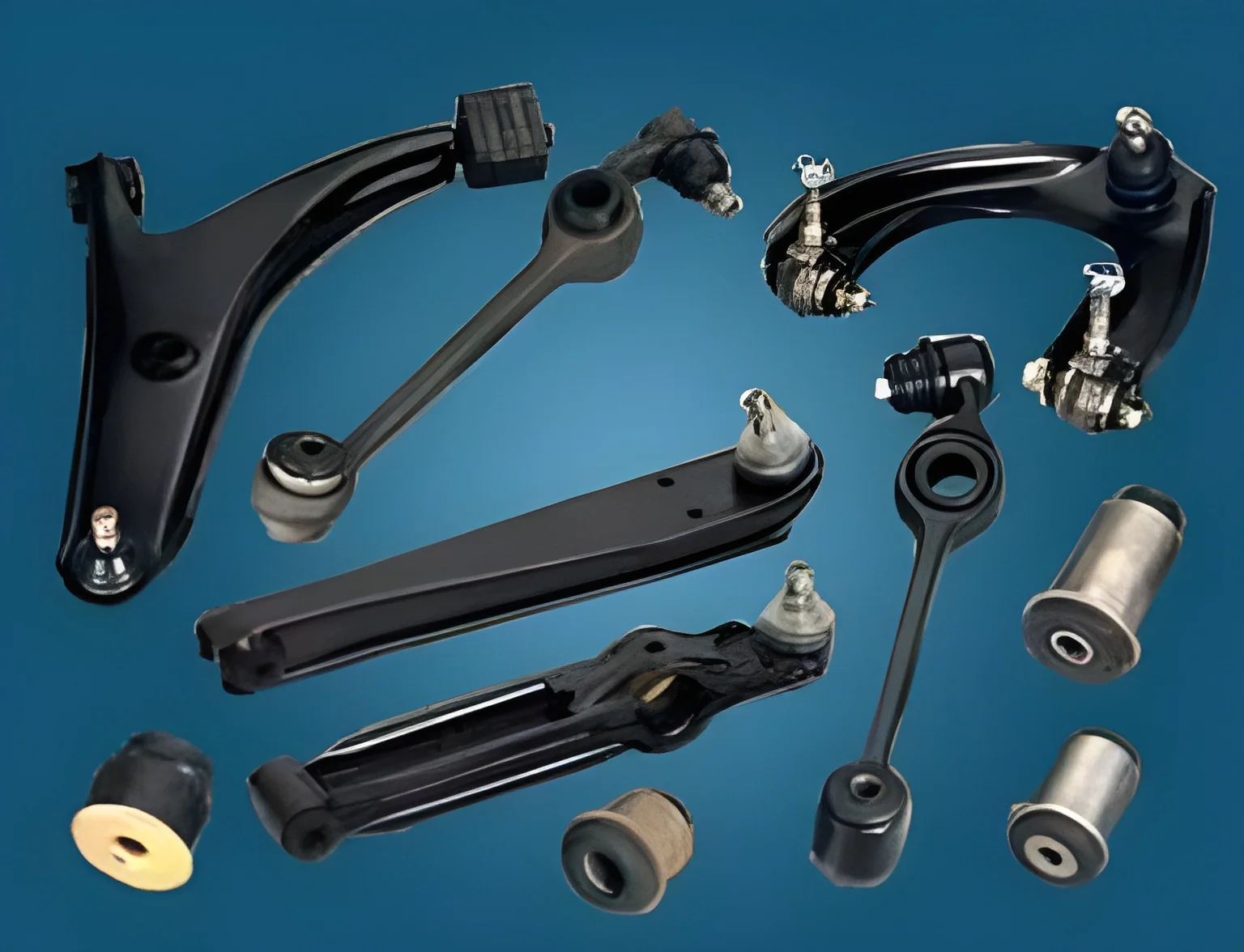
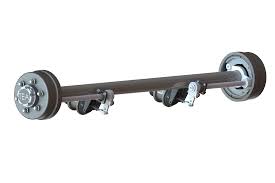
Axles and drive shafts are critical components in various vehicles and machinery, serving as the connection between the wheels and the engine's power source. An axle is a central shaft for rotating wheels or gears, while a drive shaft transmits power from the engine to the wheels. These components are essential for the operation of automobiles, trucks, and other equipment that require mobility and power transfer.
Primarily, axles and drive shafts are used in transportation vehicles, agricultural machinery, and industrial equipment. They enable the movement and stability of vehicles, ensuring efficient power transmission. In commercial applications, these components are vital for logistics, transportation, and manufacturing, making them indispensable in many industries.
As industries continue to advance and evolve, the demand for durable and high-performance axles and drive shafts remains significant. The global market for these components is expanding, driven by the growth in automotive production and the increasing need for reliable machinery in sectors such as construction and agriculture.
Key Features and Specifications
Axles and drive shafts come with a range of features and specifications tailored to meet diverse operational needs. These specifications ensure that the components perform optimally under various conditions.
Key specifications include:
1. Material Composition
- Typically made from high-strength steel or aluminum alloys
- Offers durability and resistance to wear and tear
2. Load Capacity
- Varies based on the application and vehicle type
- Ranges from lightweight options for passenger cars to heavy-duty versions for trucks
3. Length
- Customized based on specific vehicle requirements
- Standard lengths available to fit a variety of applications
4. Diameter
- Diameter specifications can vary widely
- Essential for ensuring compatibility with different wheel sizes and vehicles
5. Torque Capacity
- Indicates the maximum torque that can be transmitted
- Critical for performance in high-load applications
6. Finish and Coating
- Options include powder coating or galvanization
- Enhances corrosion resistance and longevity
7. Joint Type
- Includes universal joints and CV joints
- Affects the flexibility and range of motion in the drive shaft
8. Testing Standards
- Must meet industry standards for safety and reliability
- Often tested for fatigue, impact, and torsional strength
In summary, understanding these specifications helps buyers select the right axles and drive shafts that meet their operational requirements and ensure optimal performance.
Common Applications and Use Cases
Axles and drive shafts are utilized across various industries, making them versatile components in machinery and vehicles.
1. Automotive Industry: In cars and trucks, axles and drive shafts are crucial for power transmission from the engine to the wheels, facilitating movement.
2. Agricultural Machinery: These components are essential in tractors and harvesters, allowing for efficient operation in the field and transporting heavy loads.
3. Construction Equipment: In machinery such as excavators and bulldozers, axles and drive shafts provide the necessary power to operate heavy equipment effectively.
4. Marine Applications: Boats and ships rely on drive shafts to connect engines to propellers, enabling propulsion and navigation.
5. Industrial Machinery: In various manufacturing processes, axles and drive shafts facilitate movement and power transfer in conveyor systems and other equipment.
6. Off-Road Vehicles: These components are designed to withstand rugged conditions, allowing vehicles to perform in challenging terrains.
7. Rail Transport: In trains, axles are critical for connecting wheels to the chassis, ensuring stability and smooth operation.
Product Variants and Subcategories
The diversity of axles and drive shafts caters to different applications and performance needs.
Lightweight Axles
These axles are designed for passenger vehicles, providing a balance of strength and weight efficiency. They are typically made from high-strength aluminum alloys, offering excellent performance without adding unnecessary weight.
Heavy-Duty Drive Shafts
Designed for trucks and industrial machines, heavy-duty drive shafts are built to withstand high torque and heavy loads. They are constructed from robust materials and often feature advanced joint systems for improved durability.
Performance Axles
These axles are specialized for high-performance vehicles, offering enhanced strength and reduced weight. They are often used in racing applications and high-speed vehicles, where optimal performance is critical.
Custom Axles
Some manufacturers offer custom axles tailored to specific requirements. These can be designed for unique applications, ensuring compatibility and performance in specialized machinery or vehicles.
Benefits and Advantages
Choosing the right axles and drive shafts provides numerous advantages for businesses.
1. Enhanced Performance: Properly designed components improve the overall efficiency and performance of vehicles and machinery.
2. Increased Durability: High-quality materials ensure longevity, reducing the need for frequent replacements and maintenance.
3. Customization Options: The ability to customize components allows businesses to meet specific operational needs effectively.
4. Cost-Effectiveness: Investing in durable and efficient axles and drive shafts can lead to long-term savings by minimizing downtime and repair costs.
5. Improved Safety: Quality components reduce the risk of failure, enhancing safety for operators and equipment.
6. Versatility: Available in various types and sizes, these components can be adapted for different applications across multiple industries.
Buying Guide for B2B Buyers
When sourcing axles and drive shafts, businesses should consider several key factors to ensure they make informed purchasing decisions.
1. Quality Assessment: Evaluate the materials and construction methods used in the components. High-quality axles and drive shafts should meet industry-specific standards for durability and performance.
2. Supplier Verification: Research potential suppliers to ensure they have a proven track record of reliability and quality. Look for customer reviews and industry certifications.
3. Pricing and MOQ: Understand the pricing structures and minimum order quantities. Compare quotes from different suppliers to find the best value without compromising quality.
4. Delivery and Lead Times: Consider the supplier's logistics capabilities. Timely delivery is critical for maintaining production schedules and operational efficiency.
5. Compliance Requirements: Ensure that the products meet relevant compliance and safety standards. This is particularly important in regulated industries where adherence to guidelines is mandatory.
Compliance and Certifications
Axles and drive shafts must adhere to various quality standards and certifications to ensure safety and reliability. ISO 9001 is a widely recognized standard that outlines quality management principles applicable to manufacturing processes. Compliance with this standard indicates that the manufacturer maintains a quality management system.
Additionally, CE certification is crucial for products marketed in Europe, signifying that they meet health, safety, and environmental protection standards. Safety and testing requirements often include evaluations for fatigue, impact, and torsional strength to confirm the components can withstand operational stresses.
Regional compliance considerations may vary, requiring manufacturers to be aware of specific regulations in their target markets. This is essential for ensuring that products are safe and legal to use in various jurisdictions.
Why Source Axles & Drive Shafts from Pepagora?
Pepagora provides a trusted platform for sourcing axles and drive shafts, offering several key advantages for businesses.
Verified Supplier Network: The platform connects buyers with a network of verified suppliers, ensuring that businesses can source reliable and high-quality components. This verification process enhances trust and reduces risks associated with purchasing.
Streamlined RFQ Process: Pepagora features an efficient request for quotation (RFQ) system. Buyers can easily submit their requirements and receive competitive quotes from multiple suppliers, simplifying the sourcing process.
Trade Assurance and Support: The platform offers trade assurance, providing buyers with protection and peace of mind throughout their purchasing journey. This support ensures that transactions are secure and that quality expectations are met.
Regional Coverage: Pepagora has a broad geographic reach, covering markets in India, the Gulf Cooperation Council (GCC), and Southeast Asia. This extensive network allows businesses to access a wide range of suppliers and products tailored to their regional needs.

 IN
IN