What are Fasteners & Fixing Components?
Fasteners and fixing components are essential hardware products that serve to join, secure, or fasten various materials and structures together. They come in many forms, including screws, bolts, nuts, washers, and anchors. These components are designed to provide strength and stability in construction, manufacturing, and assembly processes. Fasteners ensure that parts remain connected under various conditions, including mechanical stress and environmental factors.
In the industrial sector, fasteners and fixing components are widely used across numerous applications. They play a critical role in construction, automotive manufacturing, electronics assembly, and machinery production. Fasteners are crucial for maintaining the integrity of a product, ensuring safety, and enhancing functionality. As industries continue to evolve and innovate, the demand for high-quality fasteners remains strong, reflecting their importance in modern manufacturing and construction processes.
The relevance of fasteners extends beyond mere functionality; they are integral to the performance and durability of products. The global market for fasteners is significant, driven by the growth of construction and automotive industries. As businesses seek reliable and efficient solutions, the demand for advanced fastening technologies and materials continues to rise.
Key Features and Specifications
Fasteners and fixing components come with various features that cater to different industrial needs. Understanding these key specifications is crucial for selecting the right products for specific applications.
Key specifications include:
1. Material Composition
- Common materials include steel, stainless steel, aluminum, and plastic.
- Each material offers different levels of strength, corrosion resistance, and weight.
2. Thread Type
- Options include coarse, fine, and metric threads.
- Thread type affects the grip and holding power of the fastener.
3. Head Style
- Available styles include hex, flat, pan, and socket heads.
- Head style influences the method of installation and removal.
4. Coating and Finish
- Coatings such as zinc plating, powder coating, and anodizing enhance durability.
- Finish affects corrosion resistance and aesthetic appearance.
5. Load Capacity
- Load ratings determine how much weight a fastener can support.
- Important for applications with specific structural requirements.
6. Size and Dimensions
- Fasteners come in various sizes to accommodate different materials and applications.
- Proper sizing is essential for ensuring secure connections.
7. Compliance Standards
- Fasteners may adhere to industry standards such as ISO and ASTM.
- Compliance ensures quality and reliability in various applications.
8. Customization Options
- Many manufacturers offer the ability to customize fasteners for specific needs.
- Customization can include special materials, sizes, or features.
In summary, understanding the key features and specifications of fasteners and fixing components is vital for making informed purchasing decisions. These specifications dictate the suitability of fasteners for various applications and industries.
Common Applications and Use Cases
Fasteners and fixing components serve various industries with specific applications that highlight their importance.
1. Construction: Fasteners are essential for framing, roofing, and structural support in buildings. They ensure stability and safety in construction projects.
2. Automotive: In the automotive sector, fasteners are used to assemble components such as engines, chassis, and interiors. Their reliability is critical for vehicle safety and performance.
3. Electronics: Fasteners play a vital role in securing electronic components within devices. They are used in everything from smartphones to large-scale machinery.
4. Aerospace: Aerospace applications require high-strength fasteners that meet stringent safety and performance standards. They are used in aircraft assembly and maintenance.
5. Furniture Manufacturing: In furniture production, fasteners are used to create sturdy, long-lasting connections between parts. They are essential for both functionality and aesthetics.
6. Machinery: Fasteners are crucial in the assembly of industrial machinery, where they must withstand heavy loads and vibrations. Their reliability can impact overall machine performance.
7. HVAC Systems: In heating, ventilation, and air conditioning systems, fasteners secure components and ensure efficient operation. They are vital for system integrity.
Product Variants and Subcategories
Fasteners and fixing components encompass a diverse range of products tailored to various applications.
Screws: Screws are versatile fasteners that can be used in wood, metal, or plastic applications. They come in various types, including wood screws, machine screws, and self-tapping screws, each designed for specific materials and uses.
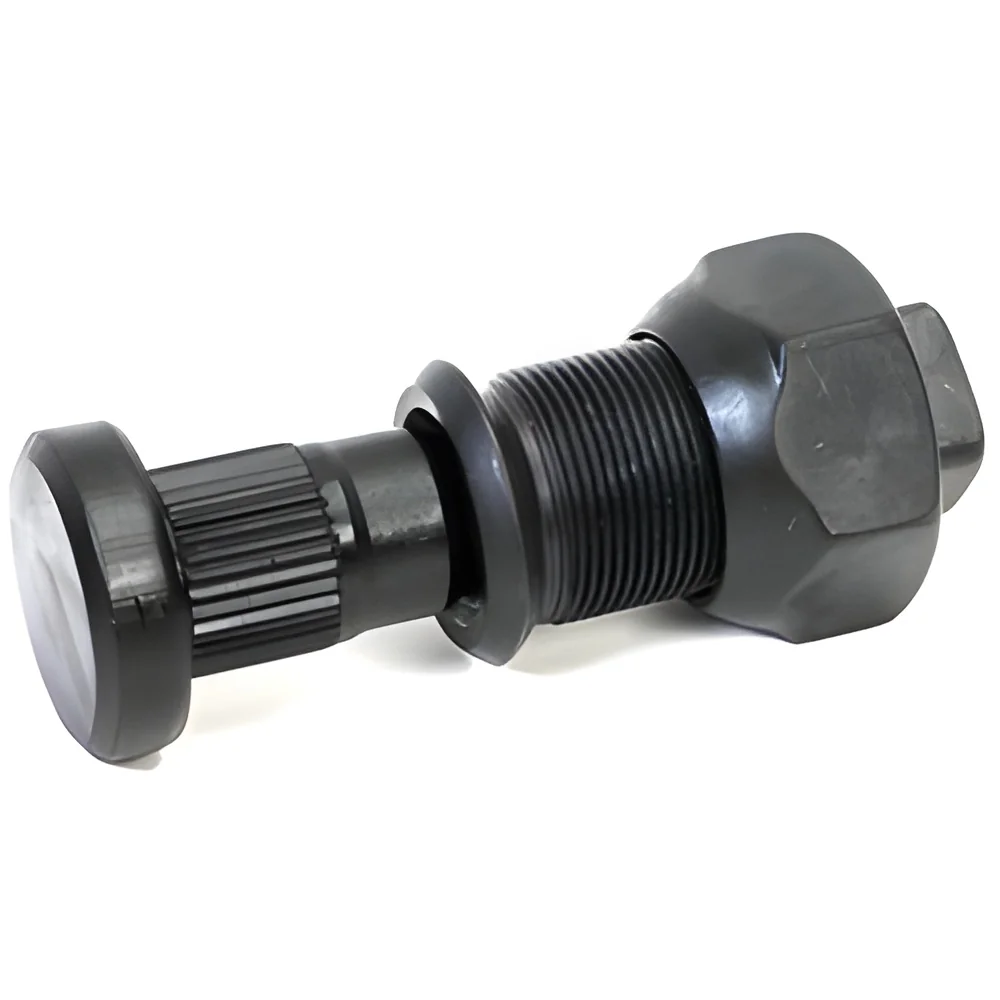
Bolts: Bolts are heavy-duty fasteners used for securing larger components. They are often paired with nuts and washers to provide strong connections in structural applications.
Anchors: Anchors are used to secure objects to walls or ceilings, particularly in drywall or concrete. They come in various designs, including expansion anchors and toggle bolts, catering to different load requirements.
Nuts: Nuts are typically used in conjunction with bolts to provide a secure connection. They come in various styles, such as hex nuts and lock nuts, to suit different fastening needs.
Washers: Washers are used to distribute load and reduce wear on fastener surfaces. They are essential in preventing loosening and ensuring a secure fit.
Benefits and Advantages
Fasteners and fixing components offer numerous benefits that make them indispensable in various industries.
1. Strength and Durability: Fasteners provide robust connections that can withstand considerable stress and environmental conditions, ensuring long-lasting performance.
2. Versatility: With a wide range of types and materials, fasteners can be used in diverse applications, making them suitable for many industries.
3. Easy Installation: Most fasteners are designed for straightforward installation, allowing for quick assembly and reducing labor costs.
4. Cost-Effectiveness: Fasteners are generally affordable, making them a cost-effective solution for securing components in production and construction.
5. Enhanced Safety: Properly installed fasteners ensure structural integrity, reducing the risk of failure and enhancing overall safety in applications.
6. Customization Options: Many manufacturers offer customization, allowing businesses to tailor fasteners to their specific requirements for improved performance.
Buying Guide for B2B Buyers
When sourcing fasteners and fixing components, it is essential for B2B buyers to consider several critical factors.
1. Quality Assessment: Ensure that fasteners meet relevant quality standards and specifications. Look for certifications that guarantee product reliability and performance.
2. Supplier Verification: Vet suppliers to confirm their credibility and reliability. This includes checking references, reviewing their reputation, and assessing their manufacturing capabilities.
3. Pricing and MOQ: Understand pricing structures and minimum order quantities. Cost considerations can significantly impact project budgets and procurement strategies.
4. Delivery and Lead Times: Evaluate suppliers based on their delivery capabilities and lead times. Timely delivery is crucial for maintaining production schedules.
5. Compliance Requirements: Be aware of any regulatory or compliance requirements that may apply to the fasteners being sourced. This includes industry-specific standards and safety regulations.
Compliance and Certifications
Fasteners and fixing components must adhere to various compliance and certification standards to ensure quality and safety.
Relevant quality standards include ISO 9001, which outlines criteria for a quality management system. This certification is essential for manufacturers seeking to demonstrate their ability to consistently provide products that meet customer and regulatory requirements.
Industry certifications such as CE mark indicate that products comply with European health, safety, and environmental protection standards. This certification is crucial for fasteners intended for use in markets with stringent regulatory requirements.
Additionally, safety and testing requirements may include assessments for load capacity, corrosion resistance, and material integrity. These evaluations help to ensure that fasteners perform reliably under specified conditions.
Regional compliance considerations are also important, as different markets may have unique regulatory frameworks. Adhering to local standards is critical for businesses operating in multiple regions.
Why Source Fasteners & Fixing Components from Pepagora?
Pepagora provides a trusted platform for sourcing fasteners and fixing components, offering several key advantages to B2B buyers.
Verified Supplier Network: Pepagora has a robust verification process for suppliers, ensuring that businesses can connect with reputable manufacturers. This helps to minimize risks and enhance supply chain reliability.
Streamlined RFQ Process: The request for quotation (RFQ) system on Pepagora simplifies the sourcing process. Buyers can quickly obtain quotes from multiple suppliers, facilitating informed decision-making.
Trade Assurance and Support: Pepagora offers buyer protection through trade assurance services. This includes support for resolving disputes and ensuring that orders meet agreed-upon specifications.
Regional Coverage: With a focus on markets in India, the Gulf Cooperation Council (GCC), and Southeast Asia, Pepagora provides extensive regional coverage. This geographic reach enables businesses to access a diverse range of suppliers and products tailored to their specific needs.

 IN
IN