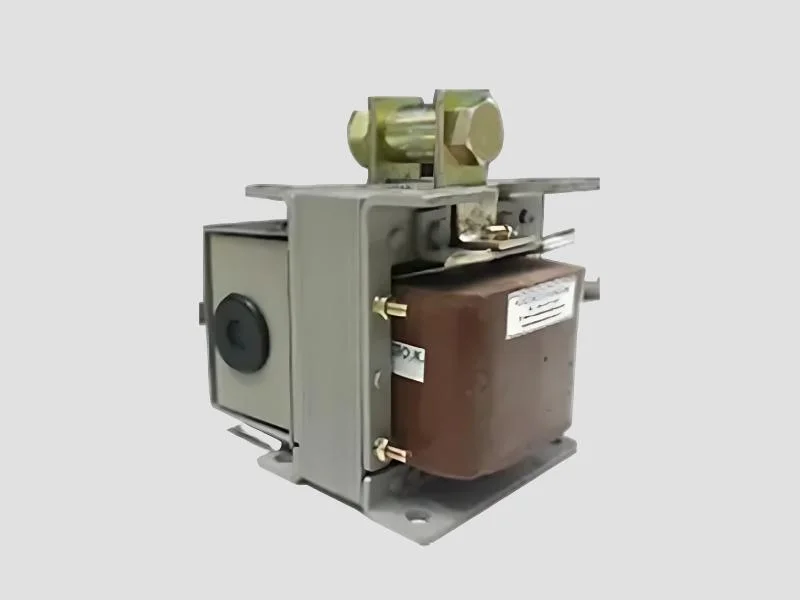
𝗪𝗵𝗮𝘁 𝗮𝗿𝗲 𝗕𝗿𝗮𝗸𝗲 𝗦𝘆𝘀𝘁𝗲𝗺 𝗣𝗮𝗿𝘁𝘀?
Brake system parts are essential components used in vehicles and machinery to facilitate safe and effective stopping. This critical subsystem includes various elements such as brake pads, rotors, calipers, and hydraulic components. The primary function of these parts is to convert kinetic energy into thermal energy through friction, ultimately slowing down or stopping the vehicle. Properly functioning brake system components are vital for the safety and performance of any vehicle or machinery.
These parts find application across a wide range of industries, including automotive, aerospace, and heavy machinery. In the automotive sector, brake parts are crucial for passenger and commercial vehicles, ensuring safety during operation. In aerospace, these components are integral to the landing gear and other systems. Heavy machinery, such as construction and mining equipment, relies on robust brake systems to handle various loads and operational conditions effectively. The market for brake system parts remains dynamic, driven by technological advancements and the ongoing need for safety in transportation.
𝗞𝗲𝘆 𝗙𝗲𝗮𝘁𝘂𝗿𝗲𝘀 𝗮𝗻𝗱 𝗦𝗽𝗲𝗰𝗶𝗳𝗶𝗰𝗮𝘁𝗶𝗼𝗻𝘀
Brake system parts come with a variety of features and specifications that ensure optimal performance and safety. Understanding these specifications is essential for selecting the right components for specific applications.
Key specifications include:
1. Material Composition
- Brake parts are typically made from materials such as carbon composite, ceramic, or metal.
- Each material offers different performance characteristics, including durability and heat resistance.
2. Friction Coefficient
- This specification indicates the effectiveness of the brake parts in generating stopping power.
- Typical values can range from 0.3 to 0.6, depending on the material and application.
3. Temperature Range
- Brake components are designed to operate within specific temperature ranges.
- Performance can vary, with some parts rated for high-temperature applications exceeding 600 degrees Celsius.
4. Wear Rate
- The wear rate measures how quickly brake parts deteriorate during use.
- A lower wear rate indicates longer-lasting components, which reduces maintenance costs.
5. Compliance Standards
- Many brake system parts adhere to industry standards such as CE certification.
- This ensures that they meet safety and performance regulations.
6. Compatibility
- Parts must be compatible with specific vehicle models or machinery types.
- Compatibility ensures optimal performance and safety.
In summary, the selection of brake system parts should consider these key features and specifications to ensure safety, performance, and longevity.
𝗖𝗼𝗺𝗺𝗼𝗻 𝗔𝗽𝗽𝗹𝗶𝗰𝗮𝘁𝗶𝗼𝗻𝘀 𝗮𝗻𝗱 𝗨𝘀𝗲 𝗖𝗮𝘀𝗲𝘀
Brake system parts are utilized in diverse industries, highlighting their importance in various applications.
1. Automotive Industry: Brake parts are fundamental in light and heavy vehicles, ensuring safe stopping distances and reliable performance under different driving conditions.
2. Aerospace Sector: In aircraft, brake systems are critical for landing gear and taxiing, requiring components that can withstand extreme temperatures and pressures.
3. Heavy Machinery: Construction and mining equipment depend on robust brake systems to manage heavy loads and provide safety during operation.
4. Rail Transport: Trains utilize specialized brake systems to ensure safe stopping, especially in emergency situations, making reliable components essential.
5. Marine Applications: Boats and ships require effective braking systems for docking and maneuvering in tight spaces, emphasizing the need for high-quality brake parts.
6. Agriculture Equipment: Tractors and other agricultural machinery rely on dependable brake systems to enhance safety during operation in challenging terrains.
7. Forklifts: In warehousing and logistics, forklifts require precise brake systems for efficient handling of goods and safety in busy environments.
𝗣𝗿𝗼𝗱𝘂𝗰𝘁 𝗩𝗮𝗿𝗶𝗮𝗻𝘁𝘀 𝗮𝗻𝗱 𝗦𝘂𝗯𝗰𝗮𝘁𝗲𝗴𝗼𝗿𝗶𝗲𝘀
Brake system parts come in various types to meet different operational needs. This diversity allows businesses to select components suited for specific applications.
Disc Brake Components: This variant includes brake pads, rotors, and calipers designed for vehicle braking systems. They offer efficient heat dissipation and consistent performance.
Drum Brake Components: These parts include brake shoes and drums, commonly used in older vehicle models and certain utility applications. They provide reliable stopping power in various conditions.
Hydraulic Brake Parts: This category includes master cylinders and brake lines, essential for hydraulic braking systems found in many modern vehicles. They enable smooth and responsive braking actions.
Electric Brake Components: Electric brakes are increasingly used in newer vehicles and equipment, providing efficient braking without relying on hydraulic systems. They offer precise control and quicker response times.
𝗕𝗲𝗻𝗲𝗳𝗶𝘁𝘀 𝗮𝗻𝗱 𝗔𝗱𝘃𝗮𝗻𝘁𝗮𝗴𝗲𝘀
Sourcing high-quality brake system parts brings substantial benefits to businesses across various sectors.
Key benefits include:
1. Enhanced Safety: Reliable brake components significantly contribute to the safety of vehicles and machinery, reducing the risk of accidents.
2. Improved Performance: Quality brake parts ensure optimal stopping power and responsiveness, enhancing overall vehicle performance.
3. Cost Efficiency: Durable brake components decrease the frequency of replacements, lowering maintenance costs over time.
4. Compliance Assurance: Sourcing parts that meet industry standards ensures regulatory compliance, protecting businesses from potential liabilities.
5. Increased Longevity: High-quality materials and craftsmanship result in longer-lasting brake parts, providing better value for investment.
6. Customization Options: Many suppliers offer customizable brake components, allowing businesses to tailor solutions to their specific operational needs.
𝗕𝘂𝘆𝗶𝗻𝗴 𝗚𝘂𝗶𝗱𝗲 𝗳𝗼𝗿 𝗕𝟮𝗕 𝗕𝘂𝘆𝗲𝗿𝘀
When sourcing brake system parts, it is essential for B2B buyers to consider several factors to ensure they make informed decisions.
1. Quality Assessment: Evaluate materials and manufacturing processes to ensure they meet the required standards for durability and performance. Look for certifications like CE to confirm compliance with safety regulations.
2. Supplier Verification: Conduct background checks on suppliers to ensure they have a reputable history and can provide reliable products. Consider their experience and customer reviews.
3. Pricing and MOQ: Understand the pricing structure and minimum order quantities. Compare multiple suppliers to find competitive pricing that fits your budget.
4. Delivery and Lead Times: Inquire about delivery timelines and logistics capabilities to ensure timely access to needed parts. Ensure that the supplier can meet your operational schedules.
5. Compliance Requirements: Be aware of any regional compliance requirements that may affect the selection of brake system parts. Ensure that the parts adhere to local regulations to avoid legal issues.
𝗖𝗼𝗺𝗽𝗹𝗶𝗮𝗻𝗰𝗲 𝗮𝗻𝗱 𝗖𝗲𝗿𝘁𝗶𝗳𝗶𝗰𝗮𝘁𝗶𝗼𝗻𝘀
Compliance and certifications are crucial aspects of brake system parts, ensuring they meet industry standards for safety and performance.
Many brake components adhere to ISO 9001, a quality management standard that ensures consistency in product quality and manufacturing processes. This certification indicates that the manufacturer maintains high-quality standards throughout production.
Additionally, components may carry CE certification, which signifies conformity with European health, safety, and environmental protection standards. This certification is vital for businesses operating within or exporting to European markets.
Testing requirements often include rigorous safety evaluations to ensure that brake parts can withstand various operational stresses. These tests assess performance under extreme conditions, ensuring reliability in real-world applications.
Regional compliance considerations vary by market, with specific regulations governing brake system parts in different countries. Buyers should be aware of these regulations to ensure they source compliant products.
𝗪𝗵𝘆 𝗦𝗼𝘂𝗿𝗰𝗲 𝗕𝗿𝗮𝗸𝗲 𝗦𝘆𝘀𝘁𝗲𝗺 𝗣𝗮𝗿𝘁𝘀 𝗳𝗿𝗼𝗺 𝗣𝗲𝗽𝗮𝗴𝗼𝗿𝗮?
Pepagora provides a trusted platform for sourcing brake system parts, offering numerous advantages to B2B buyers.
Verified Supplier Network: Pepagora maintains a network of verified suppliers, ensuring that buyers access high-quality components from reputable sources. This network helps mitigate risks associated with sourcing.
Streamlined RFQ Process: The Request for Quotation process on Pepagora is designed to be user-friendly, allowing buyers to easily request quotes from multiple suppliers. This competitive environment helps secure the best pricing.
Trade Assurance and Support: Buyers can benefit from trade assurance programs that protect their investments. Pepagora offers support throughout the purchasing process, ensuring a seamless experience.
Regional Coverage: With a strong presence in India, the GCC, and Southeast Asia, Pepagora provides extensive geographic reach. This enables businesses in these regions to access vital brake system parts efficiently and effectively.

 IN
IN