
 IN
Clutch Assemblies & Parts
13 products available
What are Clutch Assemblies & Parts?
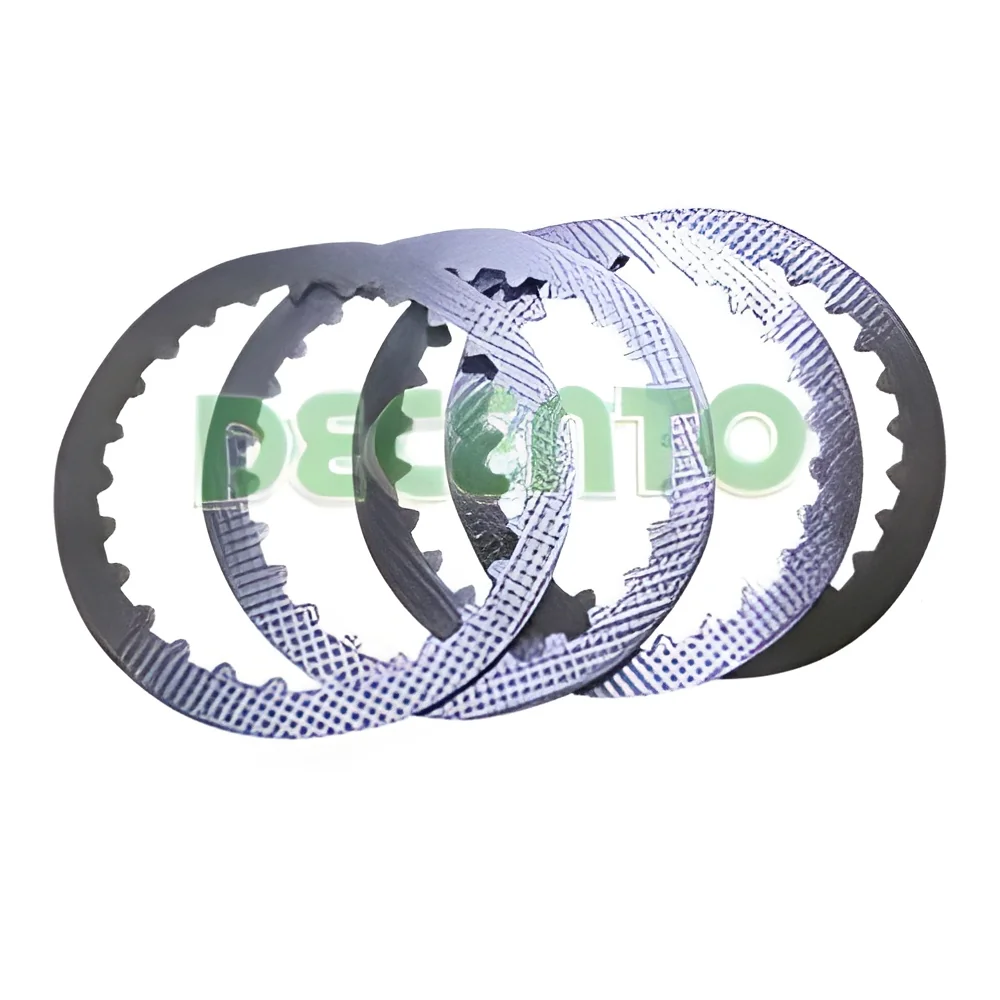
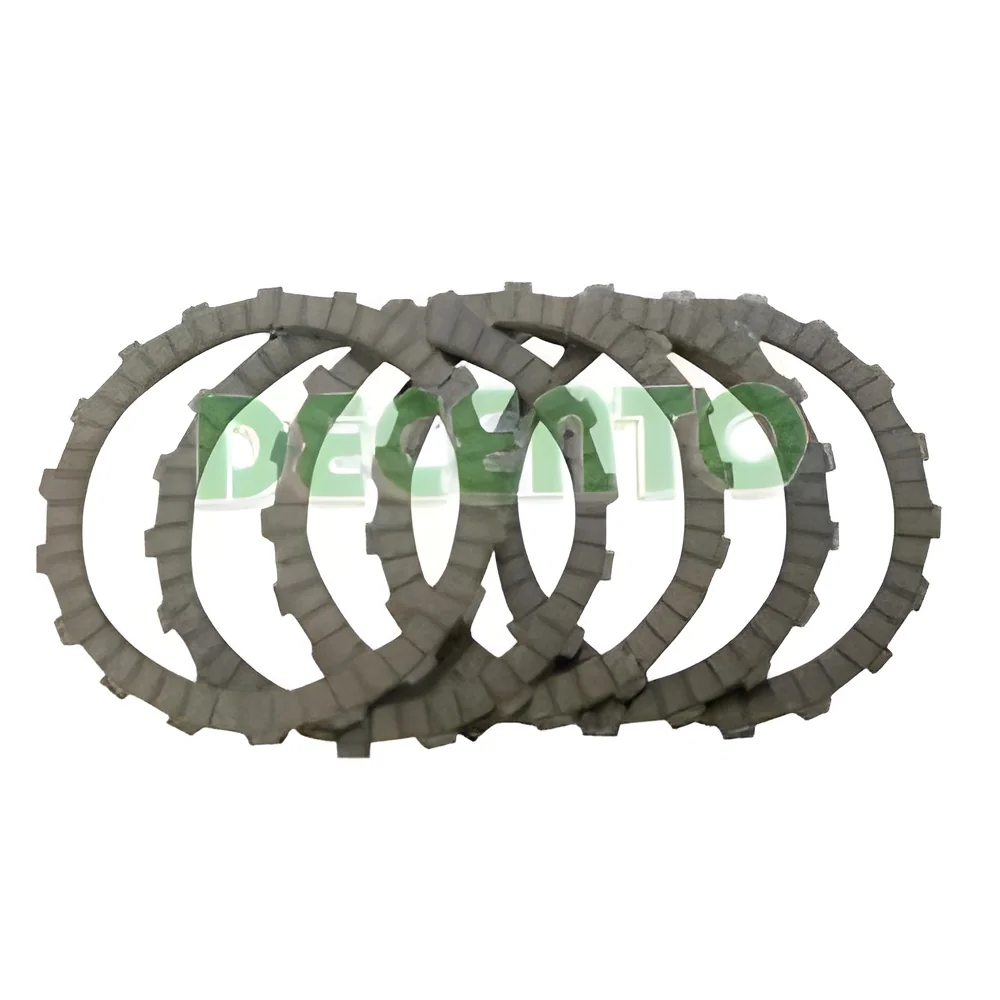
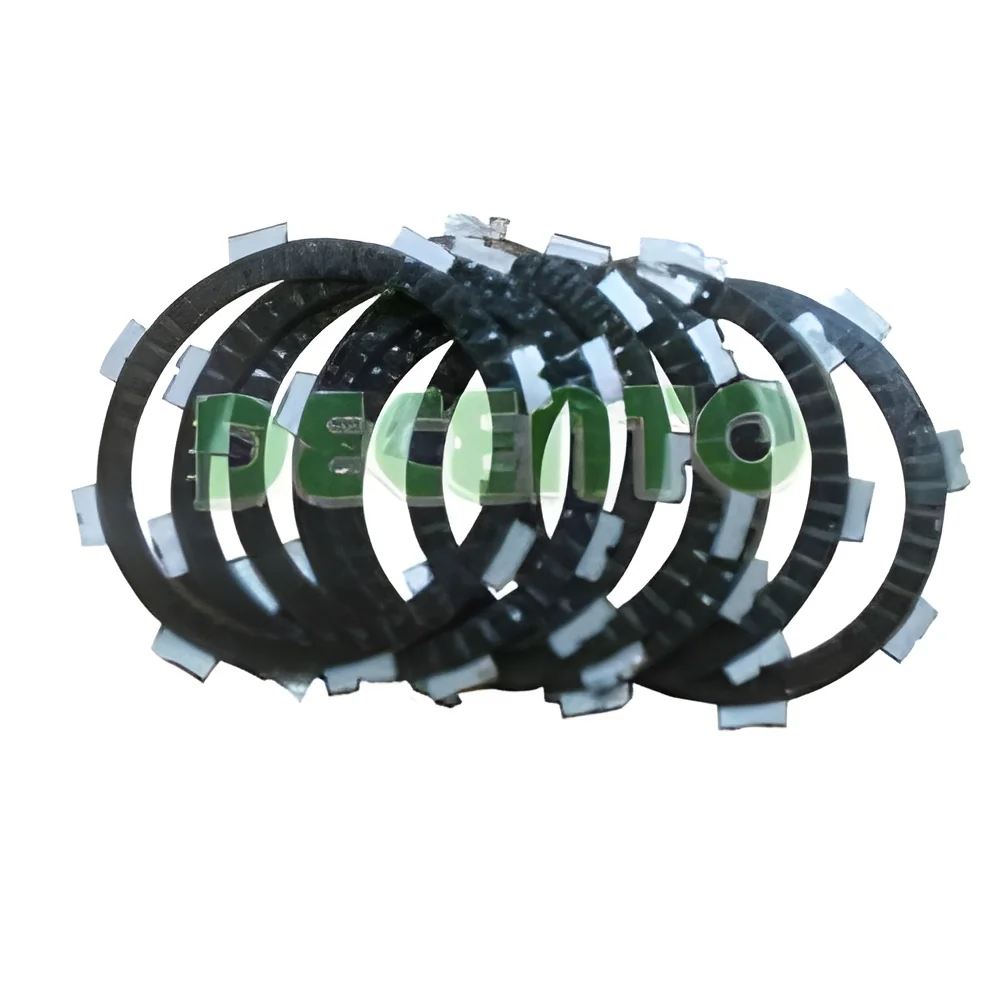
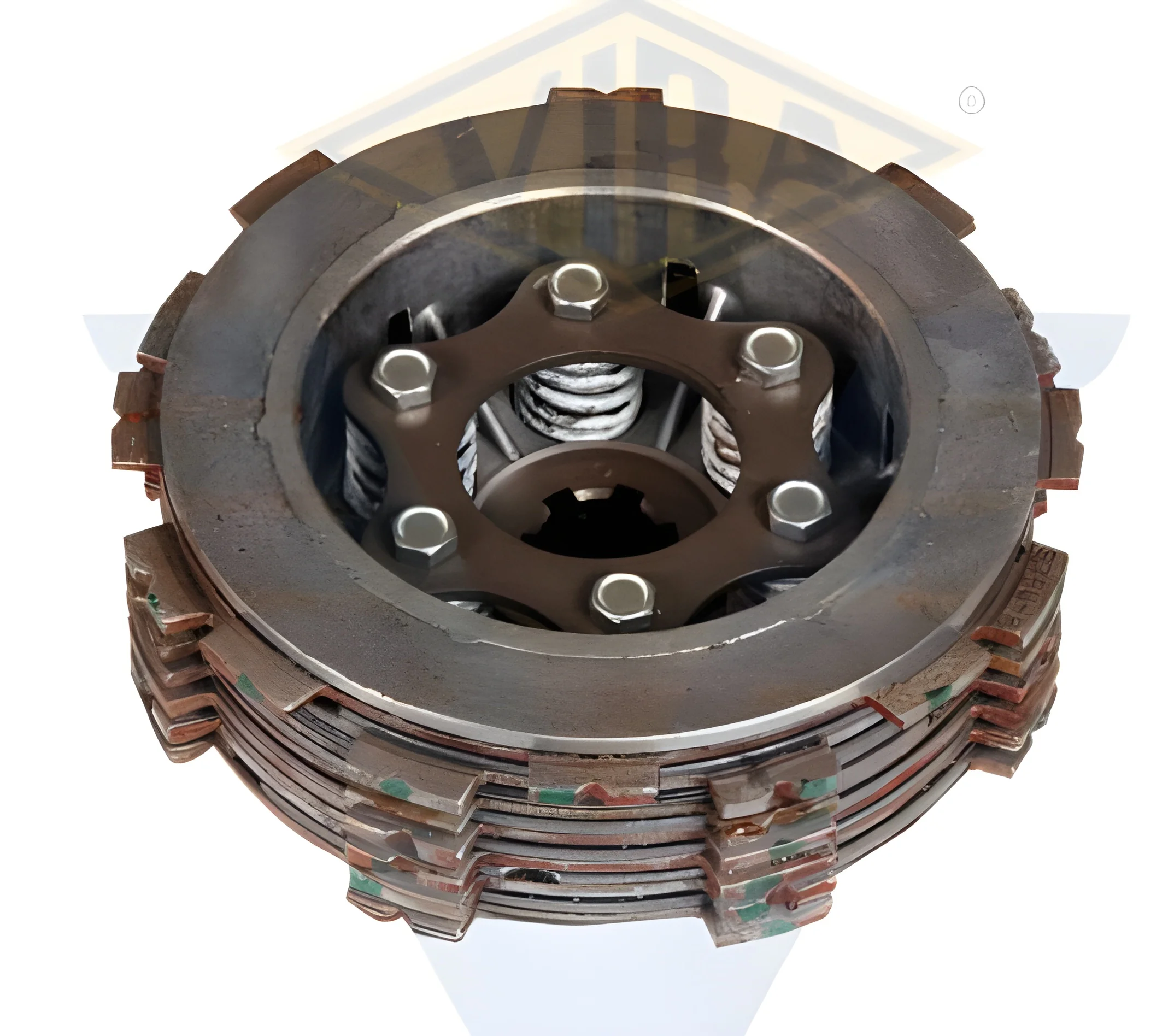
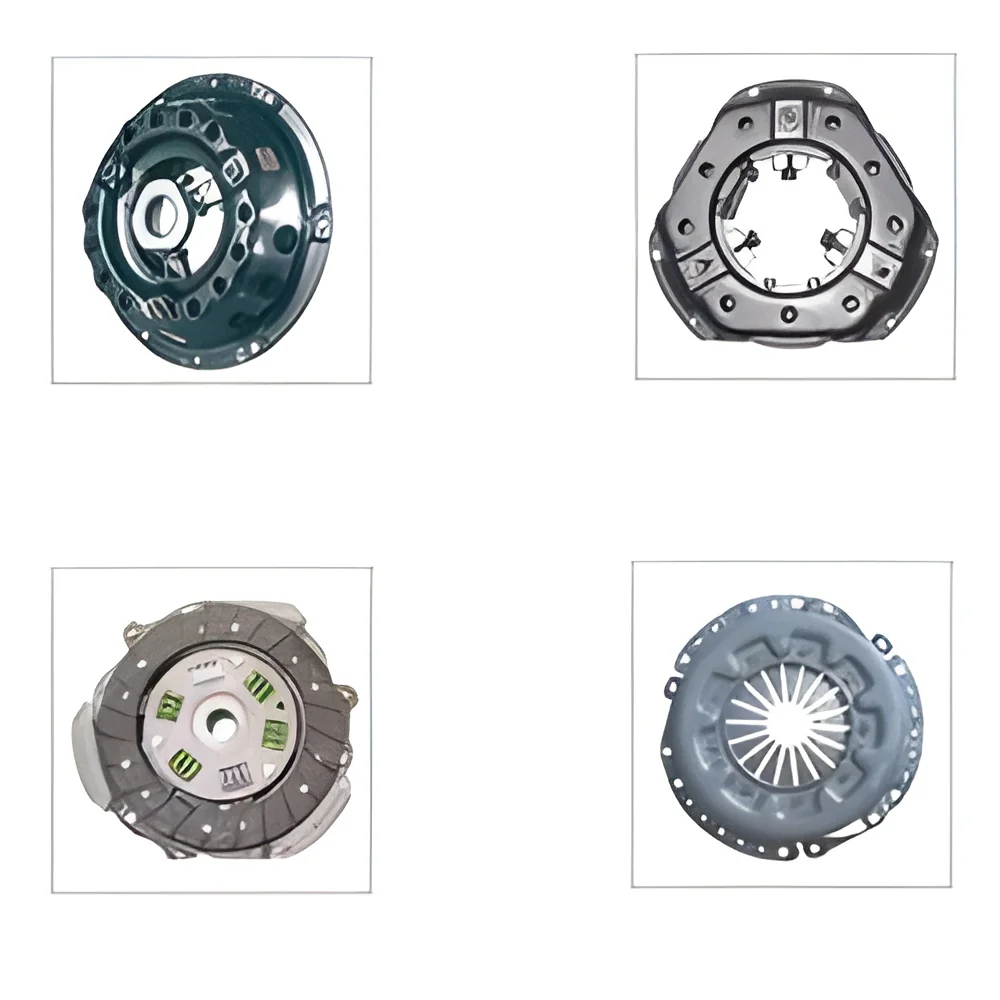
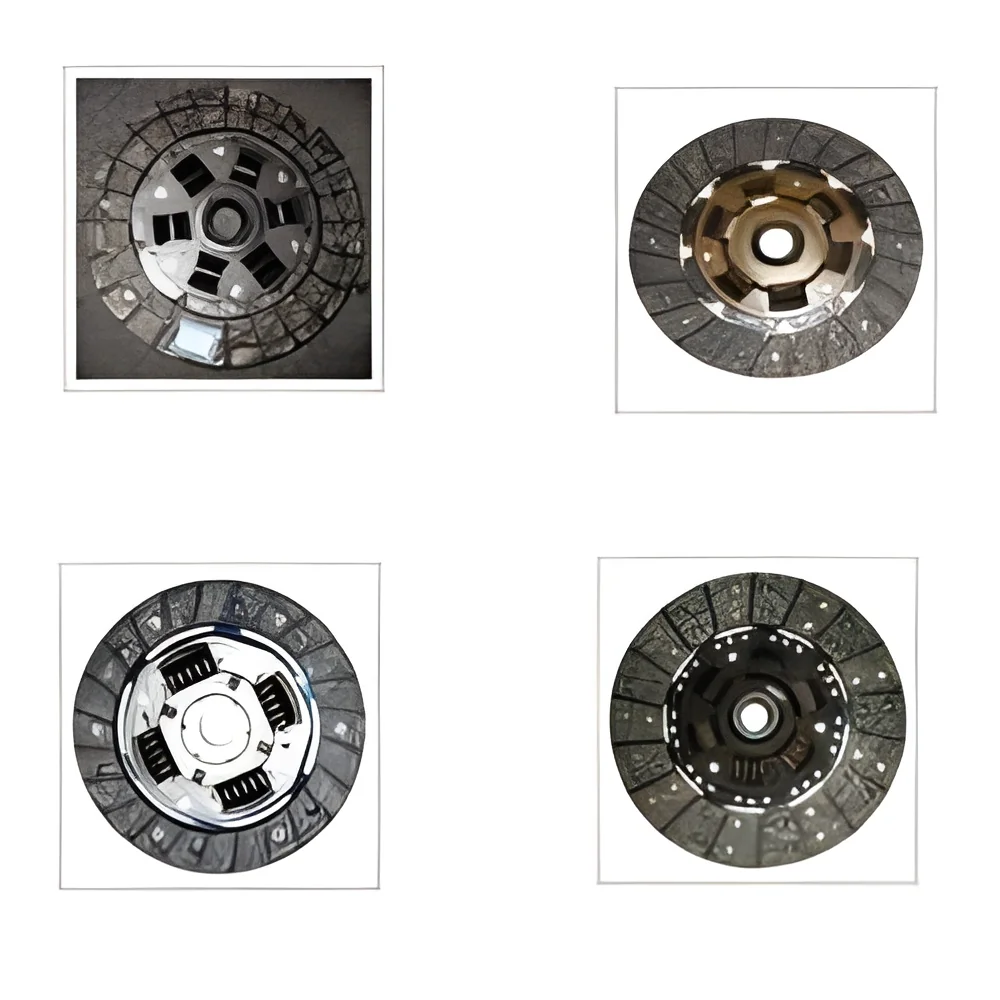
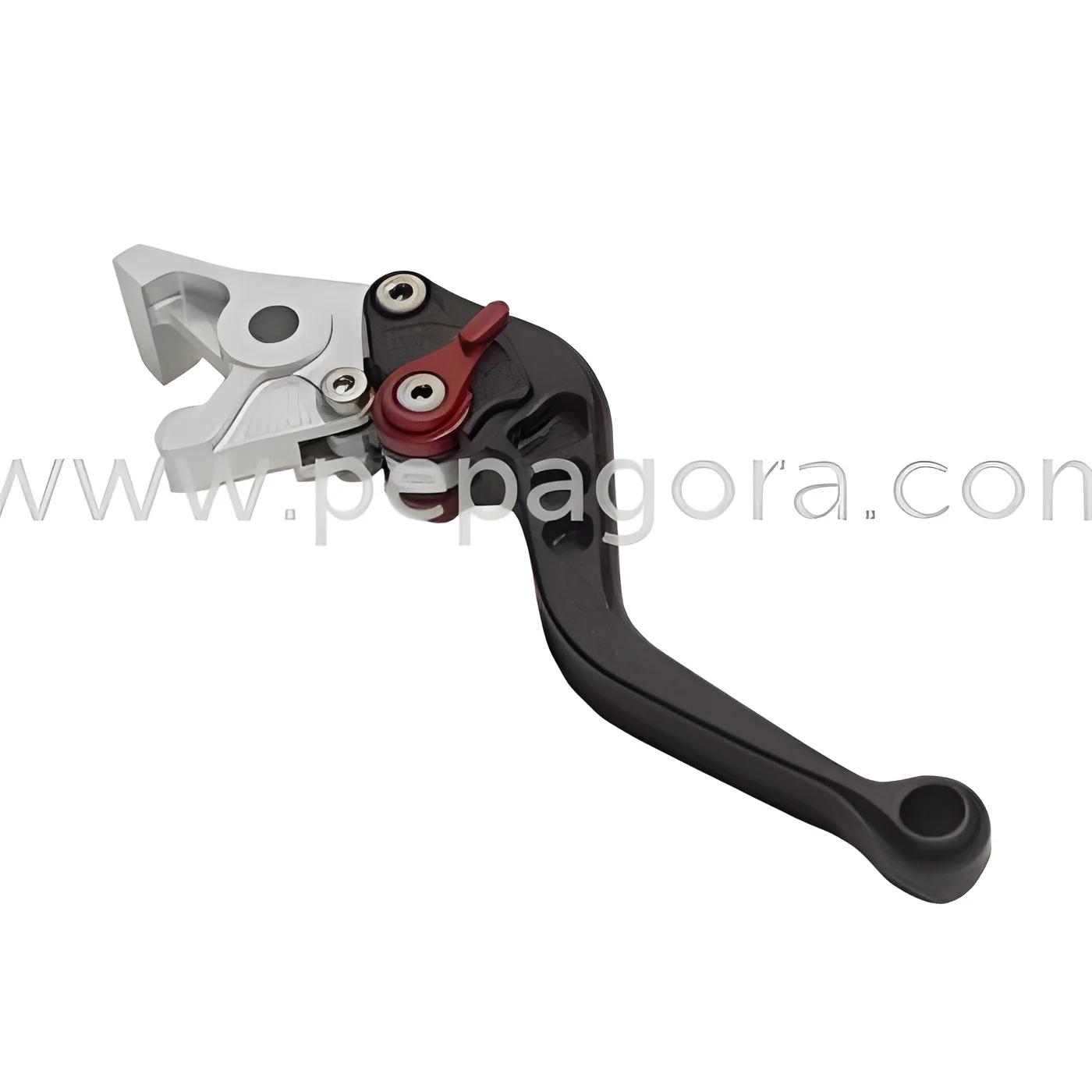
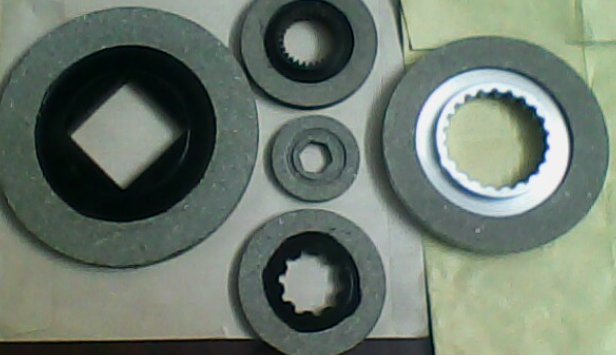
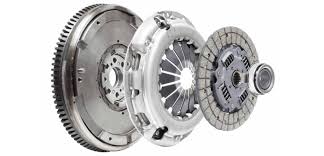
Clutch assemblies and parts are essential components in various mechanical systems, primarily used to engage and disengage power transmission between a driving source and driven load. They consist of multiple parts including the clutch disc, pressure plate, release bearing, and flywheel. These components work together to ensure smooth operation and control of machinery, enabling effective power transfer without slippage or premature wear.
These assemblies find applications across numerous sectors, including automotive, manufacturing, and heavy machinery. In the automotive industry, for instance, they are crucial for the proper functioning of vehicles, allowing drivers to shift gears seamlessly. In manufacturing, clutch assemblies play a vital role in equipment such as conveyors and presses, where precise control of motion is required. The demand for efficient and high-quality clutch assemblies drives innovation and development in the market, making these products highly relevant in today’s industrial landscape.
Key Features and Specifications
Clutch assemblies and parts are designed with specific features and specifications to meet diverse industry requirements. Understanding these characteristics is crucial for selecting the right components for various applications.
Key specifications include:
1. Material Composition
- Typically made from high-strength steel or composite materials
- Ensures durability and resistance to wear
2. Torque Capacity
- Varies based on application requirements
- Can range from low torque for light-duty applications to high torque for heavy-duty machinery
3. Operating Temperature Range
- Suitable for a variety of environments
- Specific temperature ranges not available
4. Design Type
- Includes single disc, multi-disc, and automatic clutches
- Each design serves specific operational needs
5. Size and Dimensions
- Available in various sizes to fit different machinery
- Custom dimensions can be provided as needed
6. Performance Standards
- Compliance with industry standards such as CE
- Ensures reliability and safety in operation
7. Maintenance Features
- Some assemblies are designed for easy maintenance
- Features may include lubrication points or wear indicators
In summary, the selection of clutch assemblies and parts should be guided by their material composition, torque capacity, and other specific features to ensure optimal performance in intended applications.
Common Applications and Use Cases
Clutch assemblies and parts serve a wide array of industries, each with unique applications.
1. Automotive Industry: Clutch systems in vehicles allow smooth gear shifts and control of power delivery from the engine to the wheels, enhancing driving performance.
2. Manufacturing Sector: In equipment like conveyors and presses, clutch assemblies provide precise control over machinery operations, facilitating efficient product handling and processing.
3. Agriculture: Tractors and farming equipment utilize clutch assemblies to manage power transmission, ensuring reliable operation during various agricultural tasks.
4. Construction: Heavy machinery such as excavators and bulldozers rely on robust clutch assemblies to deliver the necessary torque for demanding jobs on construction sites.
5. Marine Applications: Boats and ships use clutch systems to control propulsion and maneuverability, contributing to safety and operational efficiency.
6. Mining Industry: Equipment used in mining operations requires durable clutch assemblies to withstand harsh conditions and heavy loads.
7. Aerospace: Certain aircraft systems employ clutch assemblies for engine management and control functions, highlighting the versatility of these components.
Product Variants and Subcategories
Clutch assemblies and parts come in various forms, each designed to address specific performance needs and application requirements.
Single Disc Clutch
This variant is commonly used in light to medium-duty applications. It features a straightforward design that allows for easy engagement and disengagement, making it ideal for standard vehicles.
Multi-Disc Clutch
Designed for high-performance applications, the multi-disc clutch can handle greater torque and power demands. Its compact design allows for a higher power-to-weight ratio, suitable for racing or heavy machinery.
Automatic Clutch
This type utilizes hydraulic or electronic systems to engage and disengage automatically, enhancing convenience and ease of use in vehicles where manual shifting is not preferred.
Benefits and Advantages
Investing in high-quality clutch assemblies and parts offers numerous benefits for businesses.
1. Improved Performance: Quality clutches ensure smoother gear transitions and enhanced power delivery, improving overall equipment efficiency.
2. Increased Durability: Reliable materials and construction extend the lifespan of clutch assemblies, reducing maintenance costs and downtime.
3. Enhanced Safety: Well-designed clutches contribute to safer operation by preventing slippage and ensuring reliable engagement and disengagement.
4. Customization Options: Many manufacturers offer customizable solutions to meet specific operational requirements, allowing for tailored applications.
5. Reduced Maintenance Needs: Advanced designs can lower maintenance frequency, helping businesses save time and resources.
6. Compliance with Standards: Sourcing from reputable suppliers ensures that clutch assemblies meet necessary industry standards, promoting safety and reliability in operations.
Buying Guide for B2B Buyers
When sourcing clutch assemblies and parts, buyers should consider several important factors to make informed purchasing decisions.
1. Quality Assessment: Evaluate the materials and construction of the clutch assemblies. Look for suppliers that adhere to industry standards to ensure performance and longevity.
2. Supplier Verification: Conduct thorough checks on potential suppliers. Verify their reputation in the industry, customer reviews, and their ability to meet delivery timelines.
3. Pricing and MOQ: Understand the pricing structures and minimum order quantities (MOQ) offered by suppliers. This helps in budgeting and ensuring you meet your operational needs.
4. Delivery and Lead Times: Inquire about the logistics involved in the supply chain. Ensure that suppliers can provide timely deliveries to avoid disruptions in your operations.
5. Compliance Requirements: Be aware of any regulatory compliance that may apply to your industry. Ensure that the products you procure meet these standards to prevent any legal issues.
Compliance and Certifications
In the realm of clutch assemblies and parts, compliance with quality standards and certifications is crucial for ensuring reliability and safety in operations.
Many manufacturers adhere to ISO 9001, a quality management standard that emphasizes consistent product quality and customer satisfaction. This certification demonstrates that the manufacturer has established effective processes to ensure quality throughout production.
Additionally, compliance with CE certification indicates that the products meet European safety, health, and environmental protection standards. This is particularly important for businesses operating in or exporting to European markets.
Safety and testing requirements are also critical. Clutch assemblies must undergo rigorous testing to assess their performance under various conditions, ensuring they can withstand the demands of their respective applications.
Lastly, regional compliance considerations should be taken into account. Different regions may have specific regulations concerning materials and manufacturing processes, which should be adhered to for successful market entry.
Why Source Clutch Assemblies & Parts from Pepagora?
Pepagora provides a trusted platform for sourcing clutch assemblies and parts, offering several key advantages for B2B buyers.
Verified Supplier Network: Pepagora features a comprehensive network of verified suppliers, ensuring that buyers can access high-quality products from reputable manufacturers. This verification process helps mitigate risks associated with sourcing.
Streamlined RFQ Process: The platform offers an efficient request for quotation (RFQ) system that simplifies the procurement process. Buyers can easily submit their requirements and receive competitive quotes from multiple suppliers, saving time and effort.
Trade Assurance and Support: Pepagora prioritizes buyer protection through trade assurance measures. This ensures that transactions are secure, and buyers receive adequate support throughout the sourcing process.
Regional Coverage: With a focus on diverse markets, Pepagora facilitates sourcing across regions such as India, the Gulf Cooperation Council (GCC), and Southeast Asia. This broad geographic reach enables buyers to find suitable suppliers that meet their specific needs.
In conclusion, Pepagora stands as a reliable partner for businesses looking to procure clutch assemblies and parts, ensuring quality, efficiency, and peace of mind in the sourcing process.

Frequently Asked Questions
What are Clutch Assemblies & Parts?
Clutch assemblies and parts are crucial components in a vehicle's transmission system, enabling the engagement and disengagement of the engine from the drivetrain. They consist of various parts including the clutch disc, pressure plate, and release bearing, which work together to facilitate smooth gear shifts.
What are the different types of Clutch Assemblies & Parts?
There are several types of clutch assemblies, including single plate clutches, multi-plate clutches, and hydraulic clutches. Each type serves different applications and performance requirements, catering to various vehicle specifications and driving conditions.
How do I choose the right Clutch Assemblies & Parts?
To select the right clutch assemblies and parts, consider factors such as the vehicle make and model, torque requirements, and driving conditions. Additionally, consulting with manufacturers or suppliers can provide insights into the most suitable options for your specific needs.
What are the standard specifications for Clutch Assemblies & Parts?
Standard specifications for clutch assemblies and parts typically include dimensions, material composition, and performance ratings. These specifications ensure compatibility with various vehicles and adherence to industry standards for durability and reliability.
What is the price range for Clutch Assemblies & Parts?
The price range for clutch assemblies and parts can vary widely depending on the type, brand, and quality. Generally, prices may range from a few thousand to several tens of thousands of Indian Rupees.
What quality standards apply to Clutch Assemblies & Parts?
Clutch assemblies and parts are subject to quality standards such as ISO 9001 and OEM specifications. These standards ensure that the components meet stringent performance and safety criteria, providing reliability and longevity.
Where can I find Clutch Assemblies & Parts suppliers in India?
You can find Clutch Assemblies & Parts suppliers in India through various online marketplaces, trade directories, and industry exhibitions. Platforms like Pepagora.com offer a comprehensive list of verified suppliers and manufacturers.
Can Clutch Assemblies & Parts be customized?
Yes, many manufacturers offer customization options for clutch assemblies and parts to meet specific requirements. Customization may include alterations in size, material, or design to suit unique applications.
What is the typical minimum order quantity for Clutch Assemblies & Parts?
The typical minimum order quantity (MOQ) for clutch assemblies and parts varies by supplier and product type. Generally, MOQs can range from a single unit for custom orders to larger quantities for standard products.
What is the typical lead time for Clutch Assemblies & Parts?
The typical lead time for clutch assemblies and parts can range from a few days to several weeks, depending on factors such as the supplier's inventory, customization requirements, and shipping options. It's advisable to confirm lead times with the supplier at the time of order.
Why Businesses Trust Pepagora
Thousands of companies trust Pepagora to source smarter and sell faster
Expand Your Sales Globally

Source Smarter,Grow Faster
