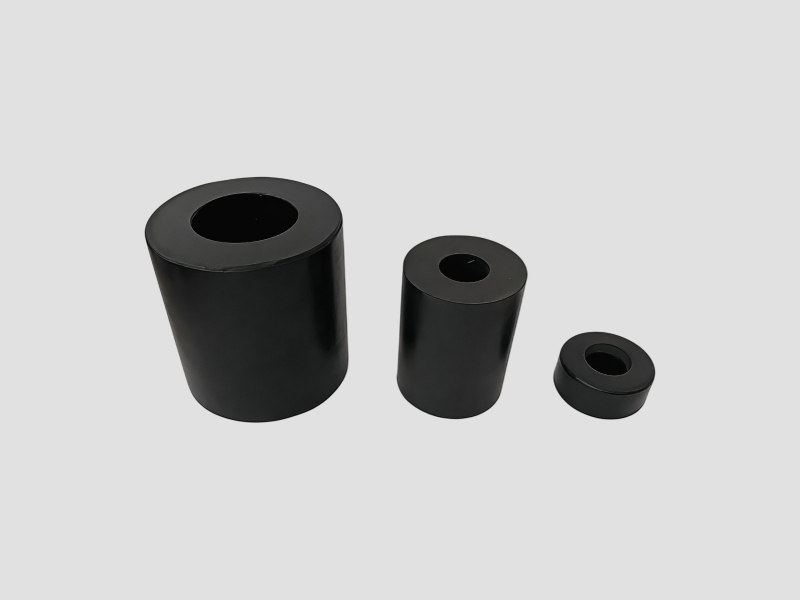
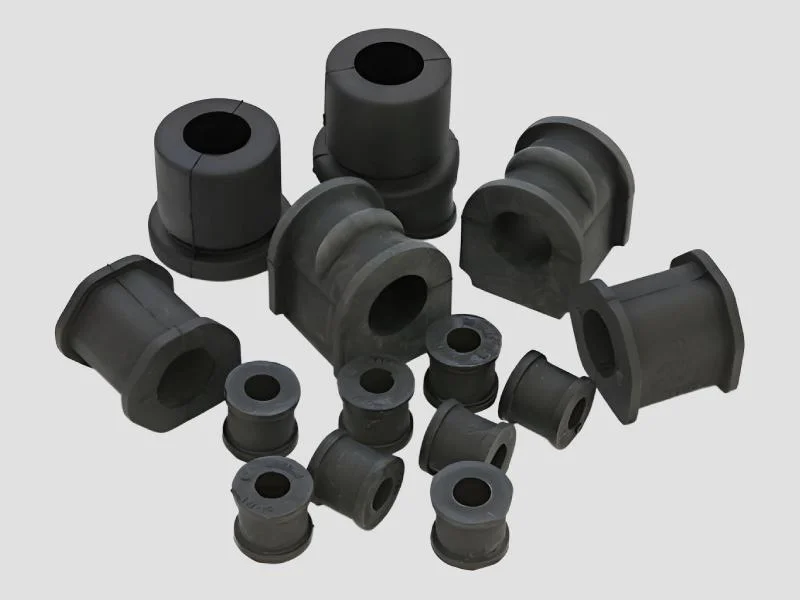
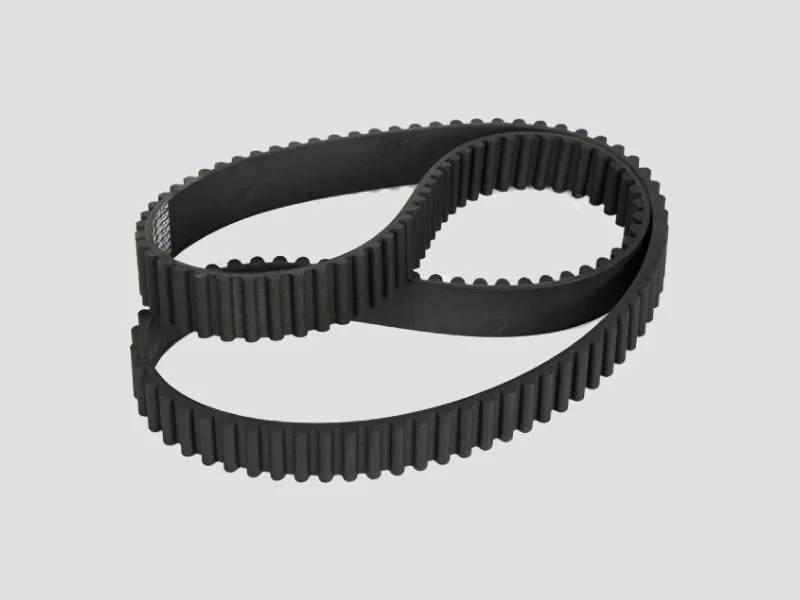
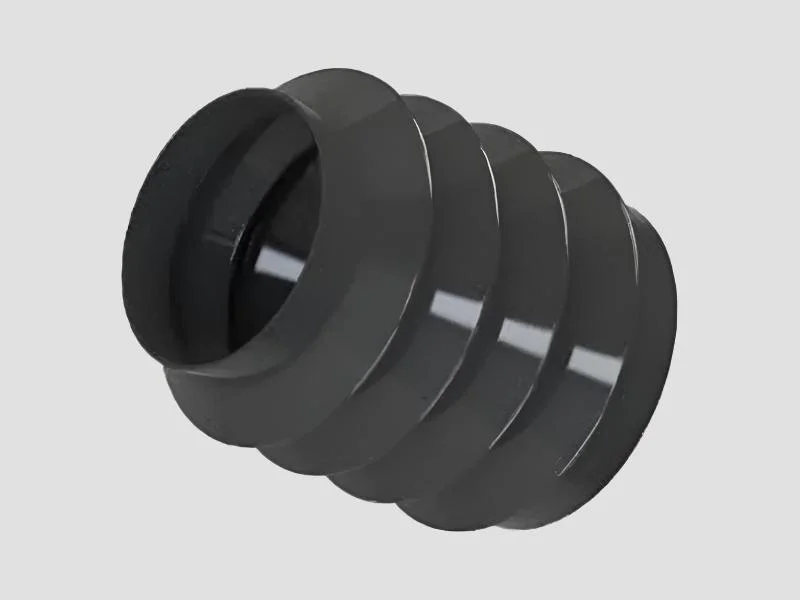
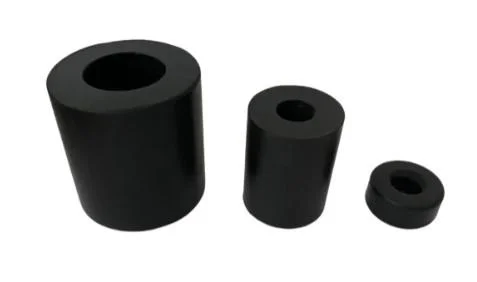
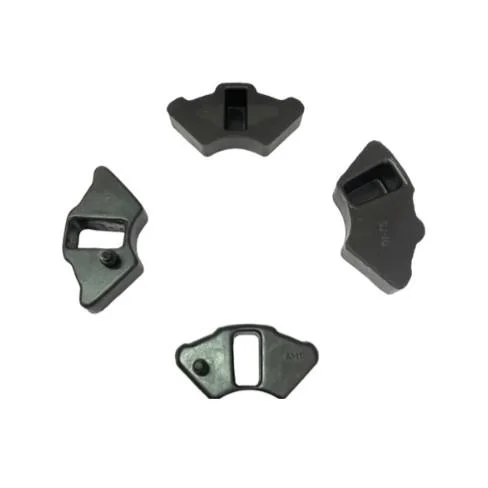
What are Rubber & Plastic Auto Components?
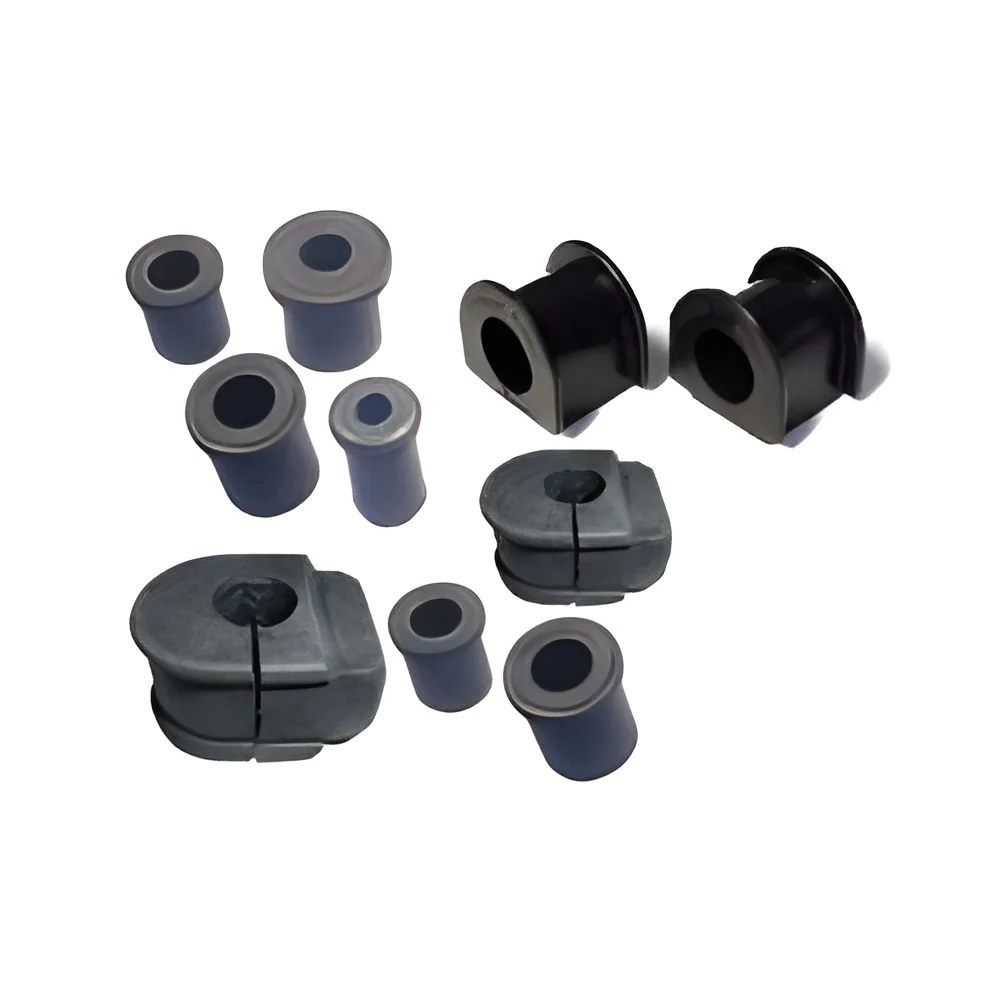
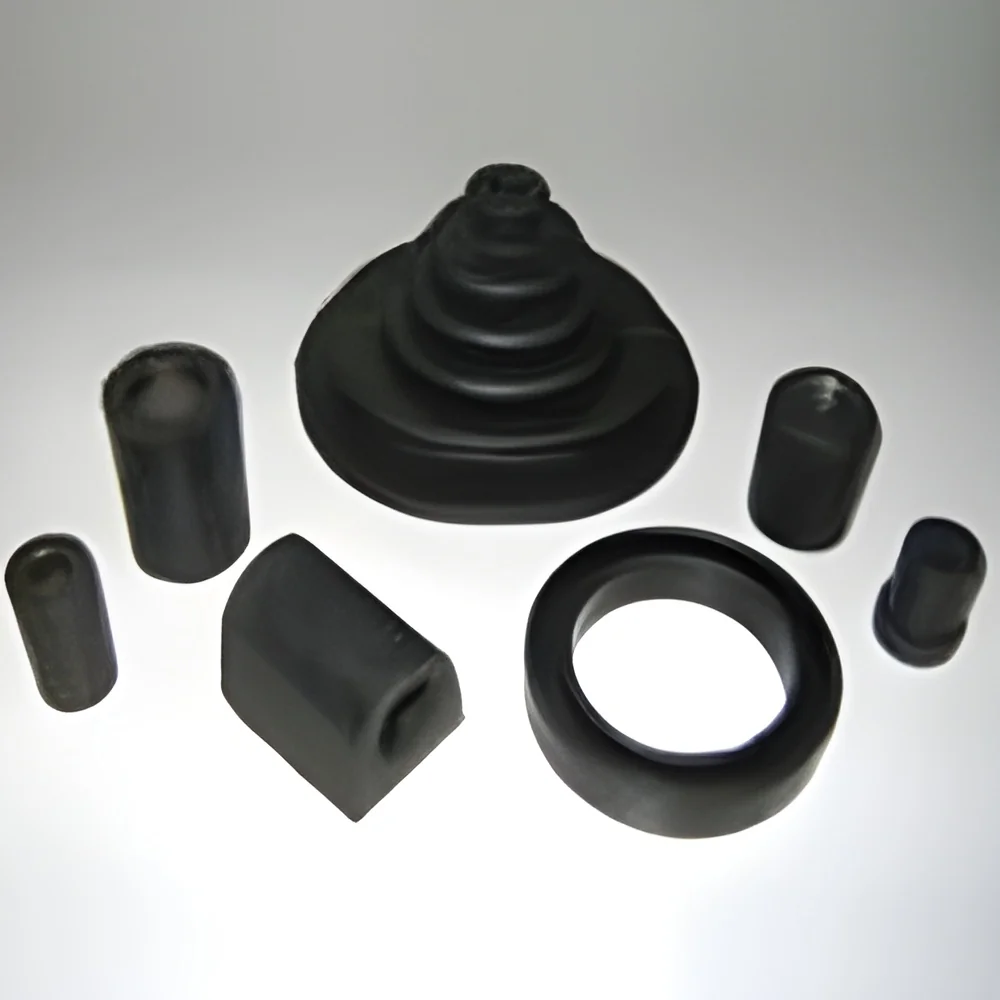
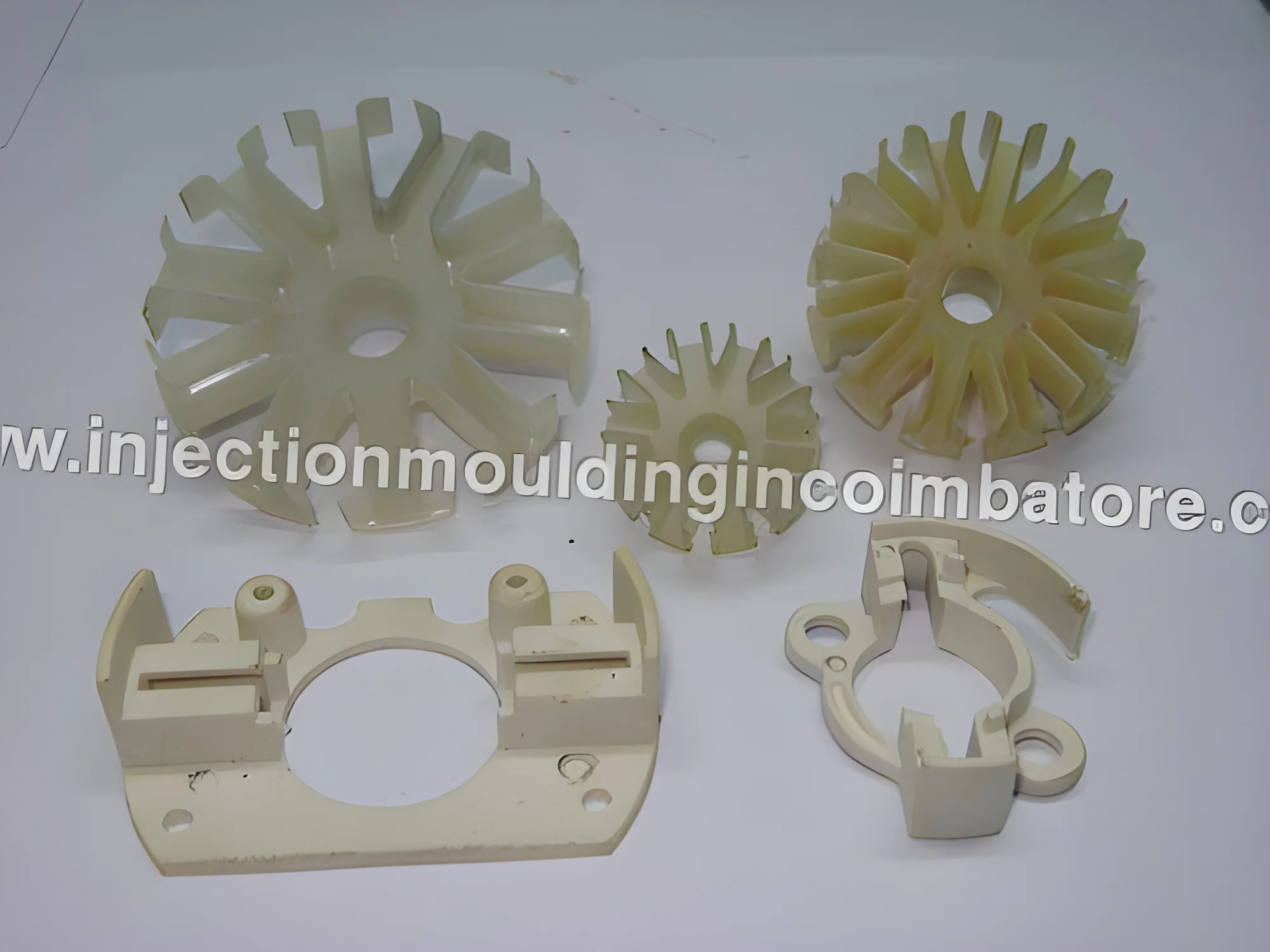
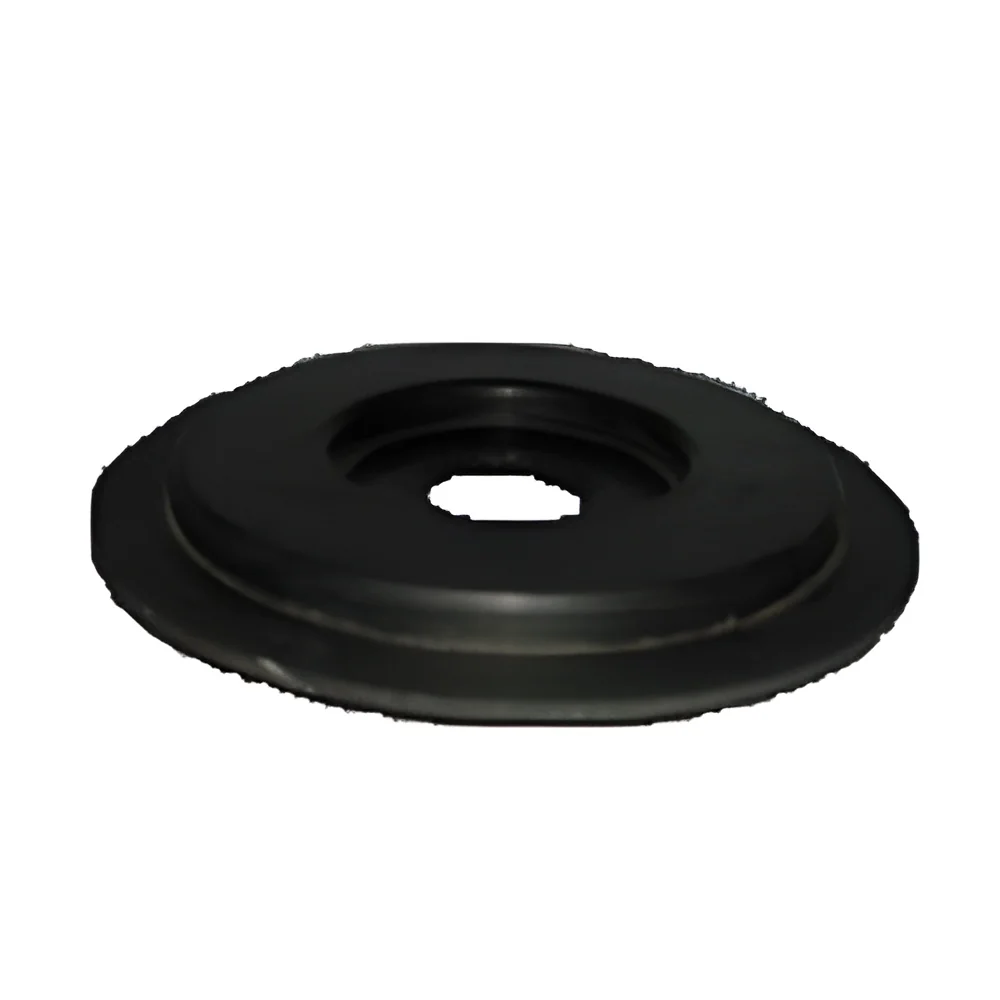
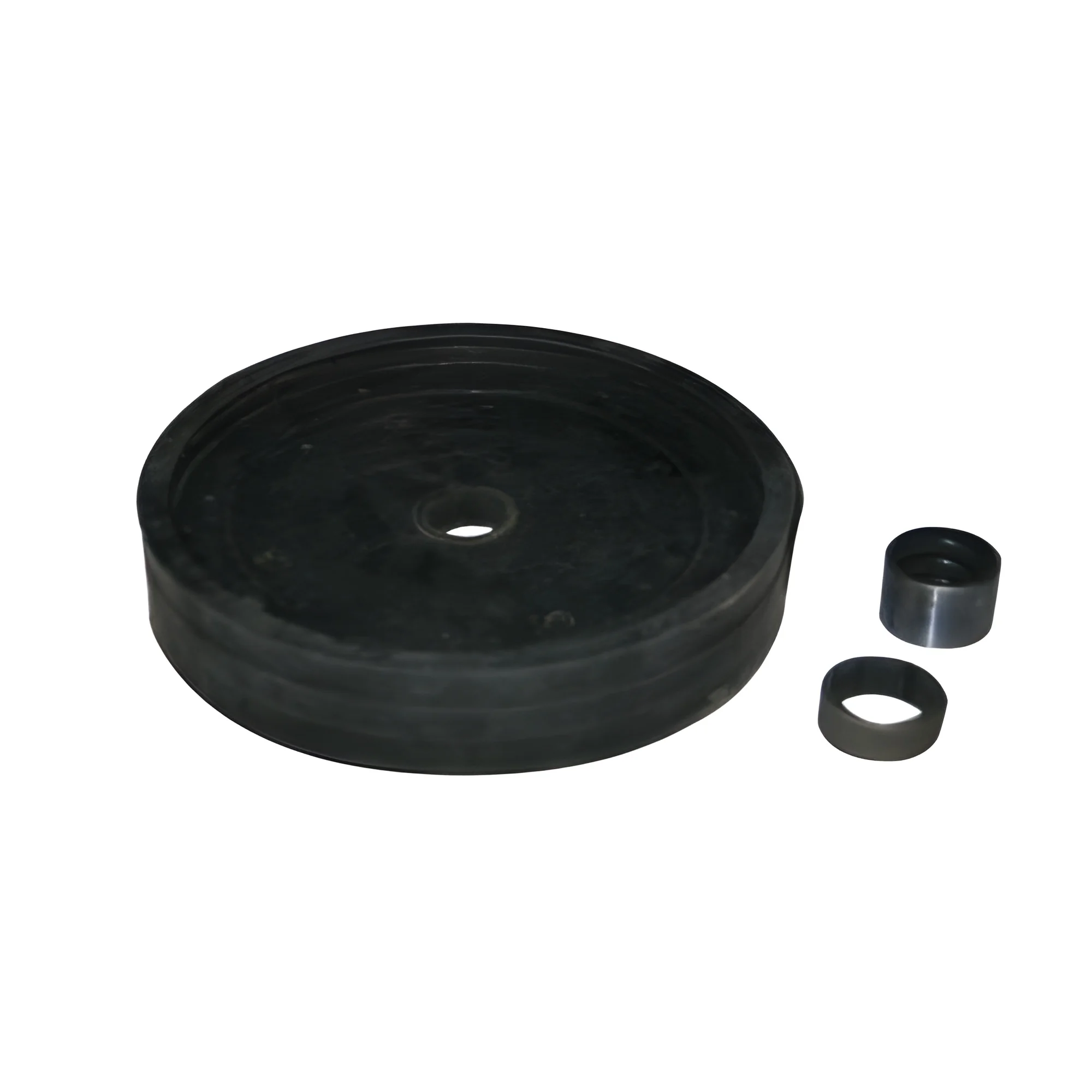
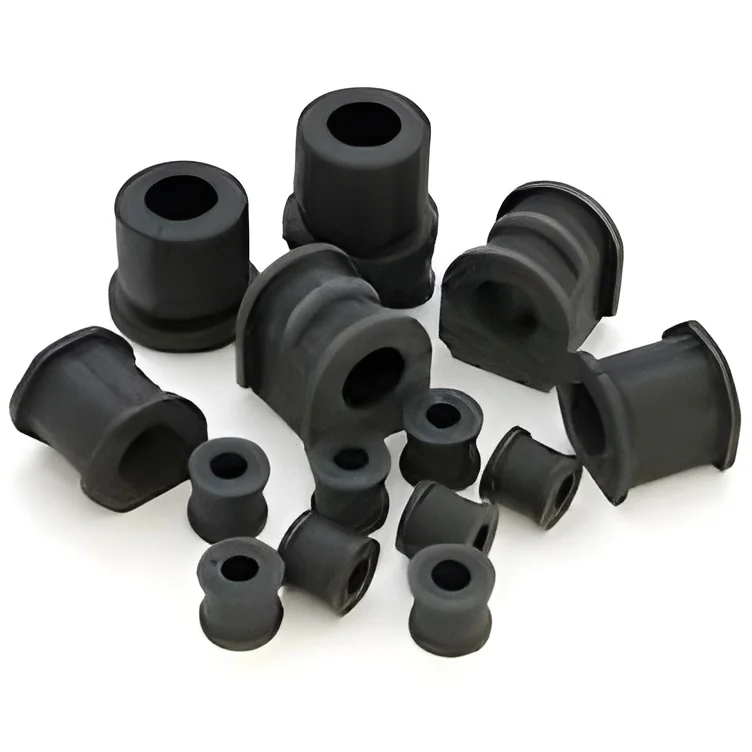
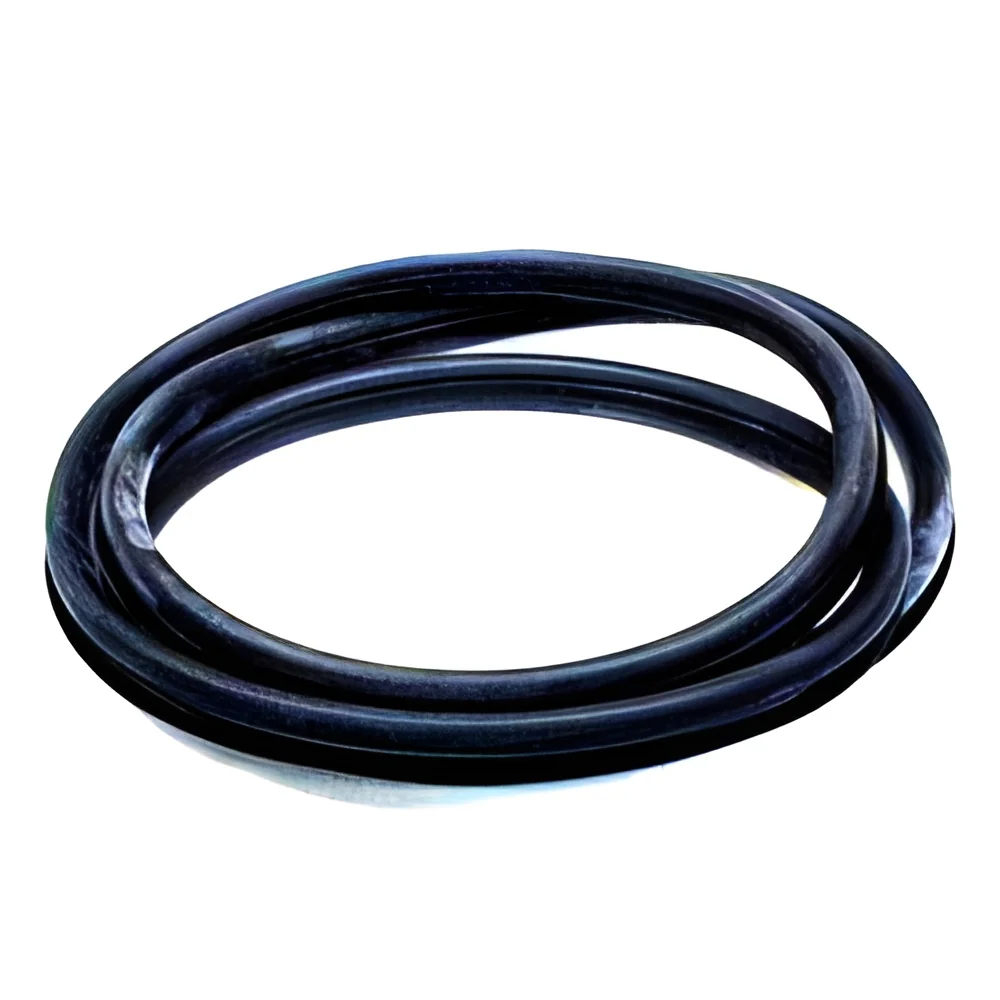
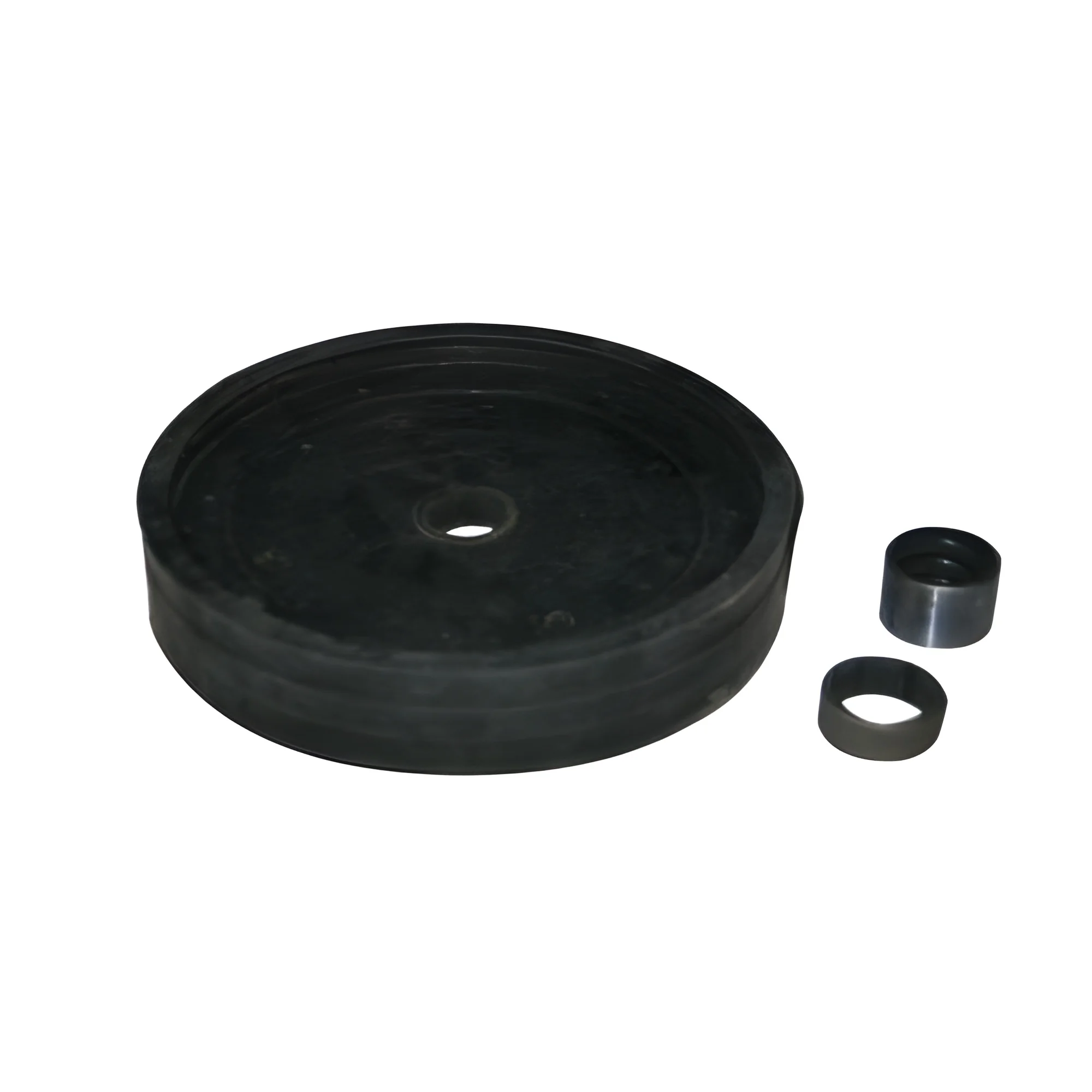
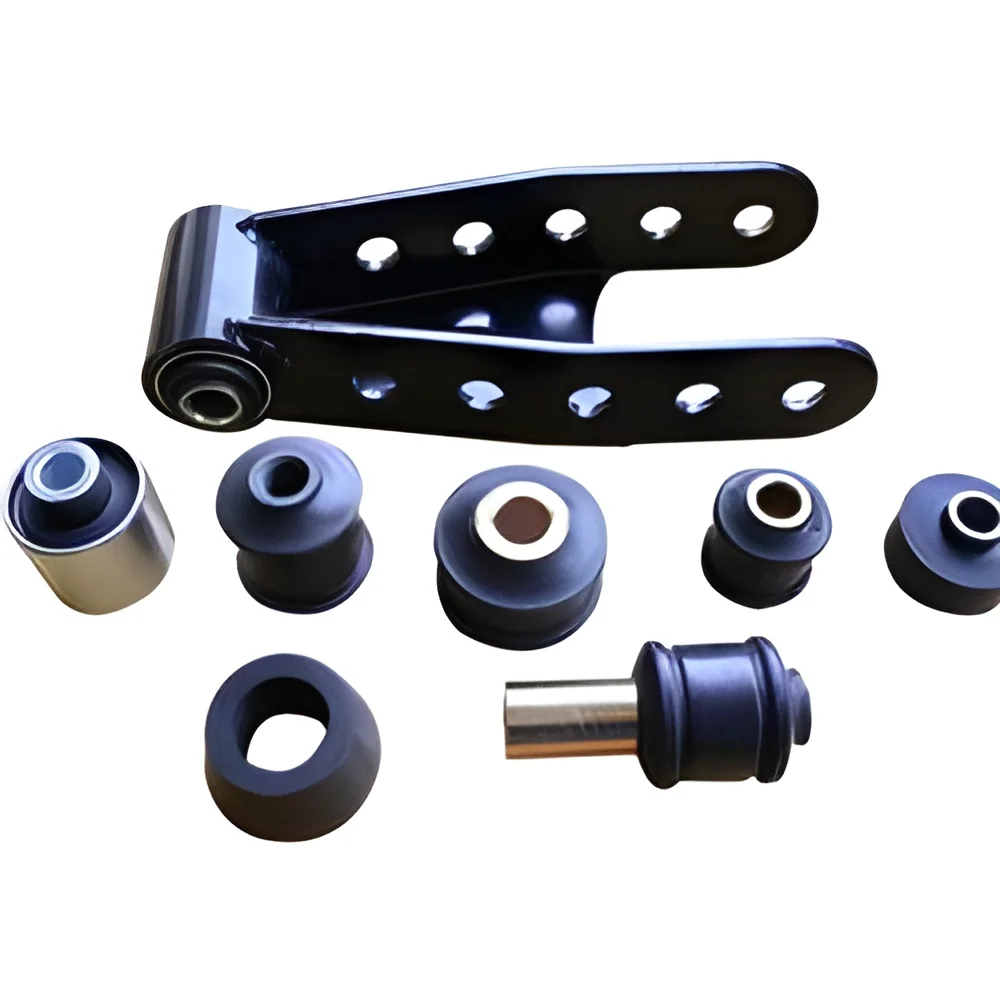
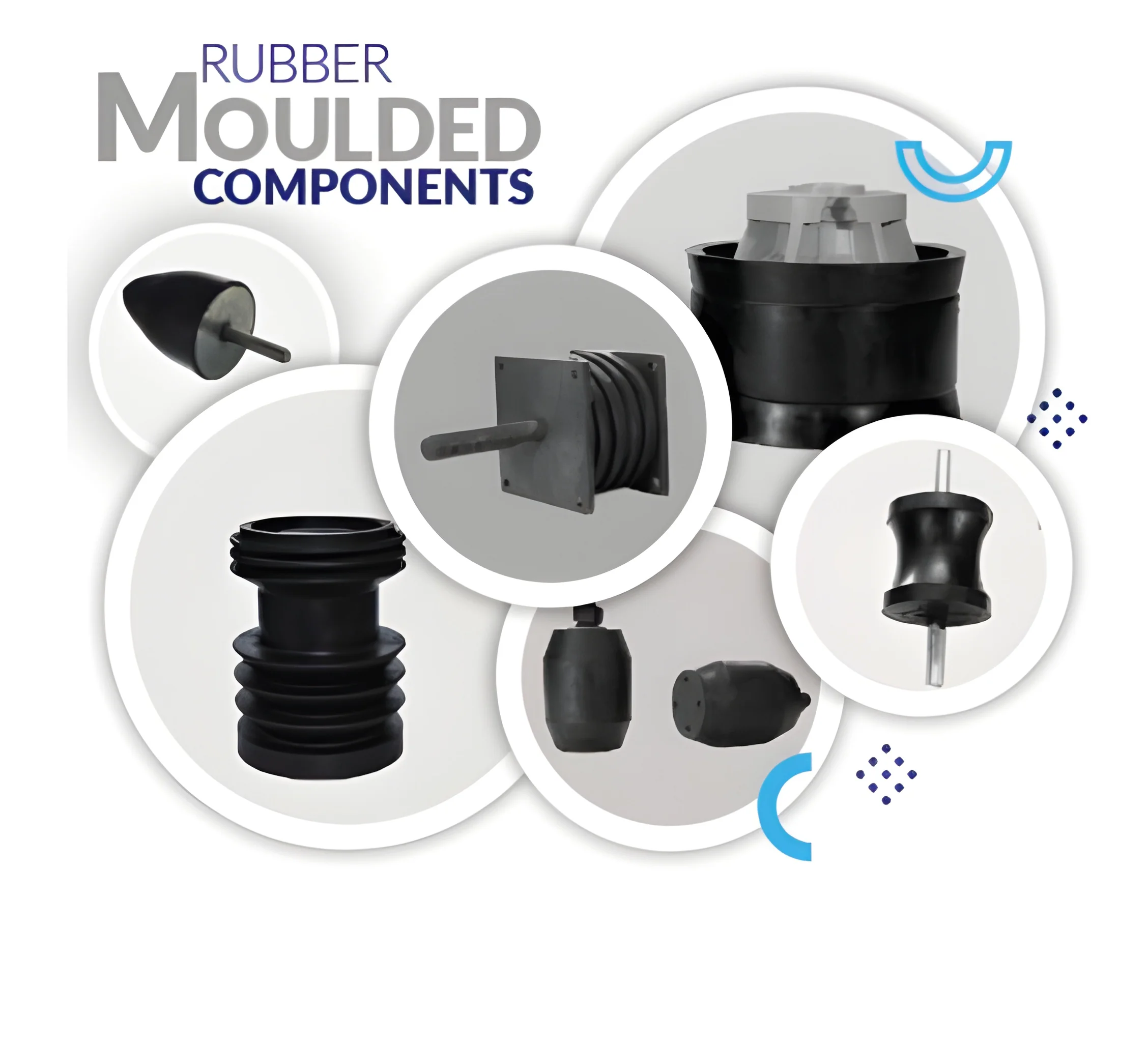
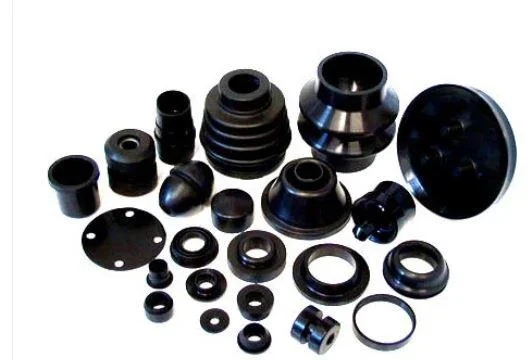
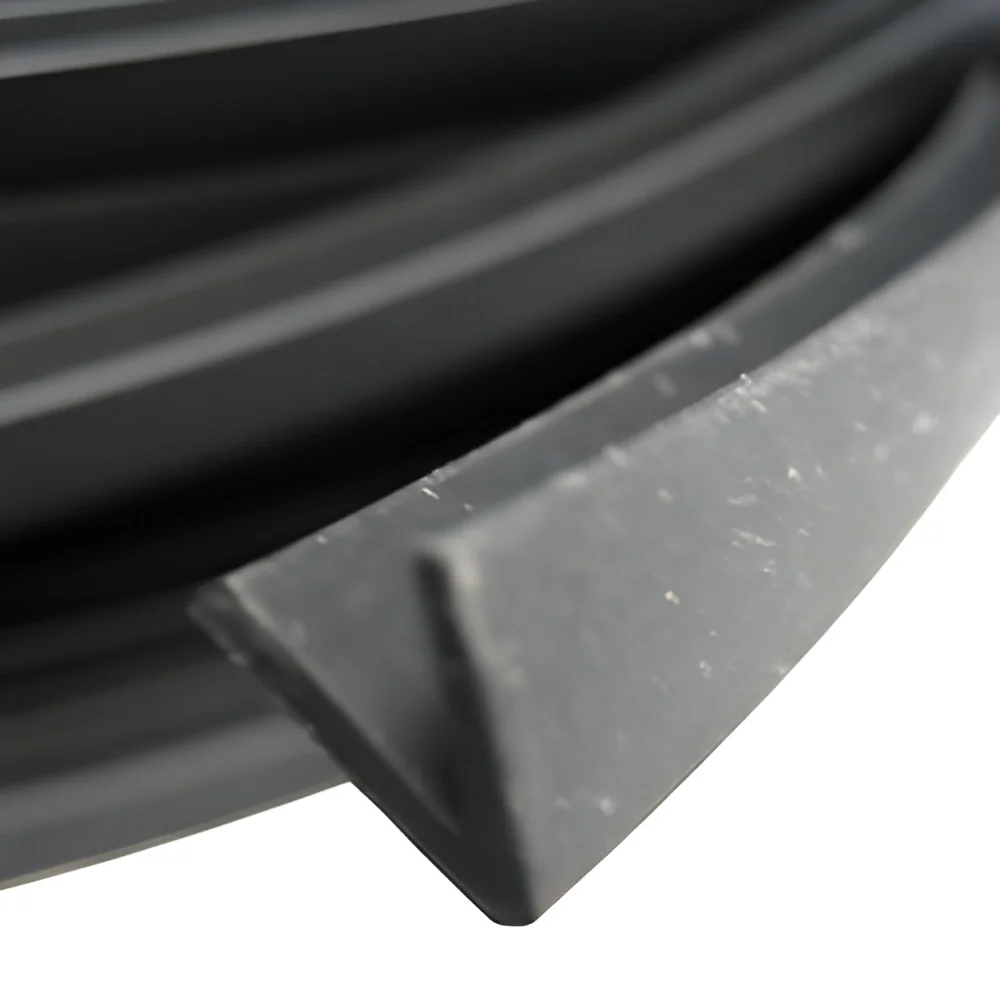
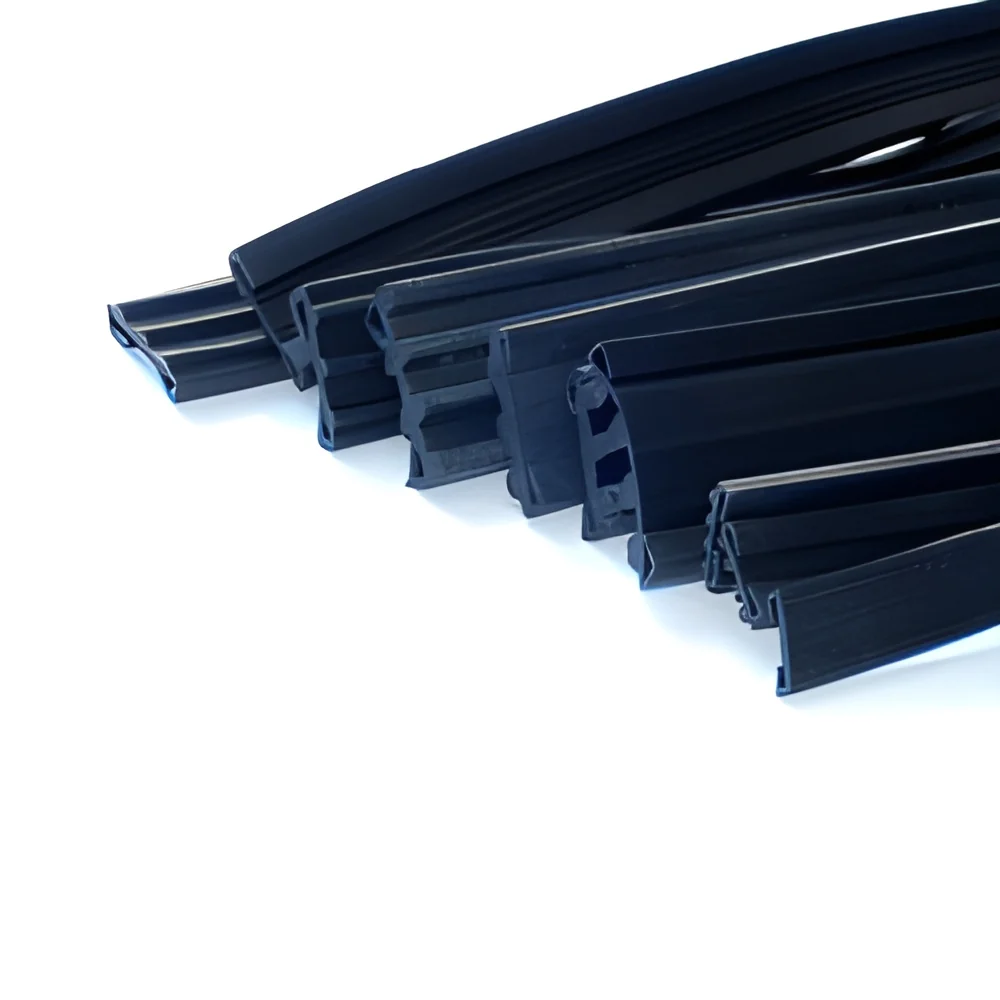
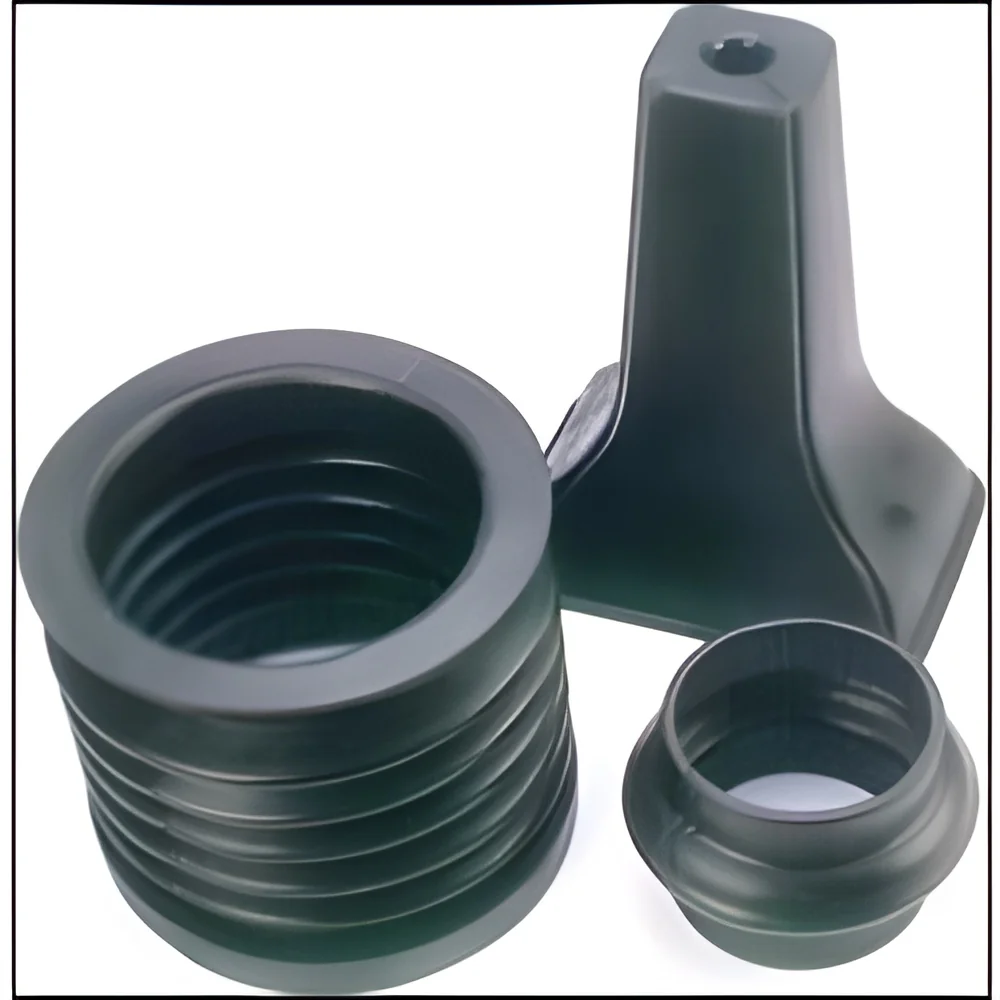
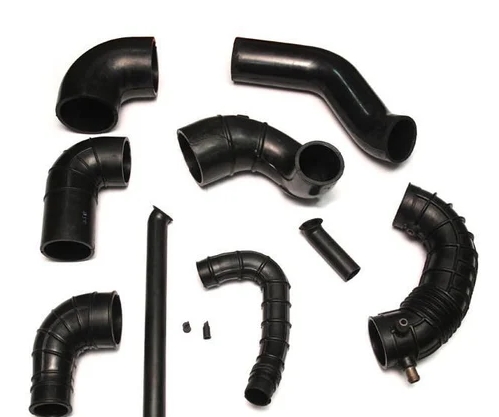
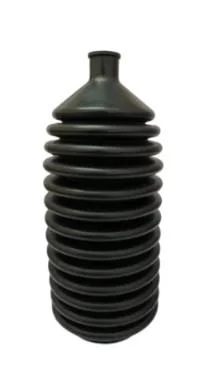
Rubber and plastic auto components are essential elements used in the manufacturing and assembly of vehicles. These materials are favored for their durability, flexibility, and resistance to various environmental factors. Rubber components typically include seals, gaskets, and hoses, while plastic components can range from dashboards to interior trim pieces. The blend of these materials provides manufacturers with versatile options to meet diverse automotive needs.
These components are crucial in various applications within the automotive industry. They serve to enhance safety, improve performance, and contribute to overall vehicle aesthetics. For instance, rubber seals help prevent leaks, while plastic parts can reduce weight and improve fuel efficiency. As the automotive sector evolves towards electric and hybrid vehicles, the demand for high-quality rubber and plastic components continues to grow, highlighting their relevance in current market trends.
The automotive market is witnessing a shift towards lightweight materials, which has further increased the importance of rubber and plastic components. They play a vital role in meeting regulatory standards for safety and emissions. As manufacturers strive for innovation, the integration of advanced materials and designs in rubber and plastic components is becoming increasingly significant.
Key Features and Specifications
Rubber and plastic auto components come with a variety of features that contribute to their functionality and performance. Understanding these specifications is essential for manufacturers and buyers alike.
Key specifications include:
1. Material Composition
- Made from high-quality rubber and plastic compounds
- Varying grades based on application needs
2. Temperature Resistance
- Designed to withstand a range of temperatures
- Specific grades available for high-temperature applications
3. Chemical Resistance
- Capable of resisting automotive fluids and chemicals
- Essential for maintaining durability in harsh conditions
4. Durability
- Engineered to endure extensive wear and tear
- Long life expectancy under regular use
5. Customization Options
- Available in various shapes and sizes
- Can be tailored to specific automotive requirements
6. Manufacturing Processes
- Produced using injection molding, extrusion, or compression molding
- Ensures consistency and high-quality output
In summary, these specifications highlight the importance of selecting the right components in terms of material, durability, and manufacturing processes.
Common Applications and Use Cases
Rubber and plastic auto components find application across various sectors within the automotive industry.
1. Automotive Manufacturing: These components are extensively used in the assembly of vehicles, including parts like seals, hoses, and interior trim.
2. Aftermarket Parts: Many businesses utilize rubber and plastic components for replacement parts and accessories, ensuring vehicle performance and aesthetics.
3. Commercial Vehicles: Heavy-duty applications demand robust rubber and plastic components to withstand rigorous use in trucks and buses.
4. Electric Vehicles: With the rise of electric vehicles, specialized components are needed to manage battery housing and thermal management.
5. Aerospace: Some components are also applicable in aviation, where lightweight and durable materials are critical.
6. Recreational Vehicles: The leisure vehicle market benefits from customized rubber and plastic components for enhanced user experience.
7. Industrial Equipment: Certain components are suitable for use in machinery associated with automotive manufacturing and maintenance.
Product Variants and Subcategories
Rubber and plastic auto components come in various forms, catering to different automotive needs.
Gaskets and Seals
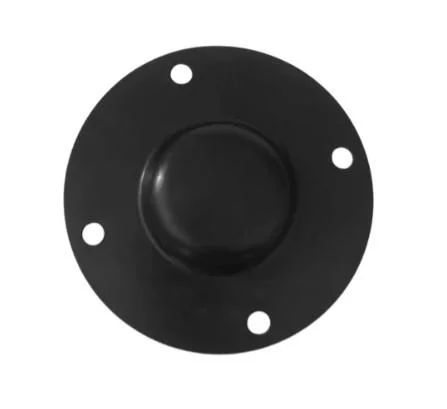
These components are crucial for preventing leaks in engines and other assemblies. They are designed to withstand high pressure and temperature variations.
Hoses and Tubing
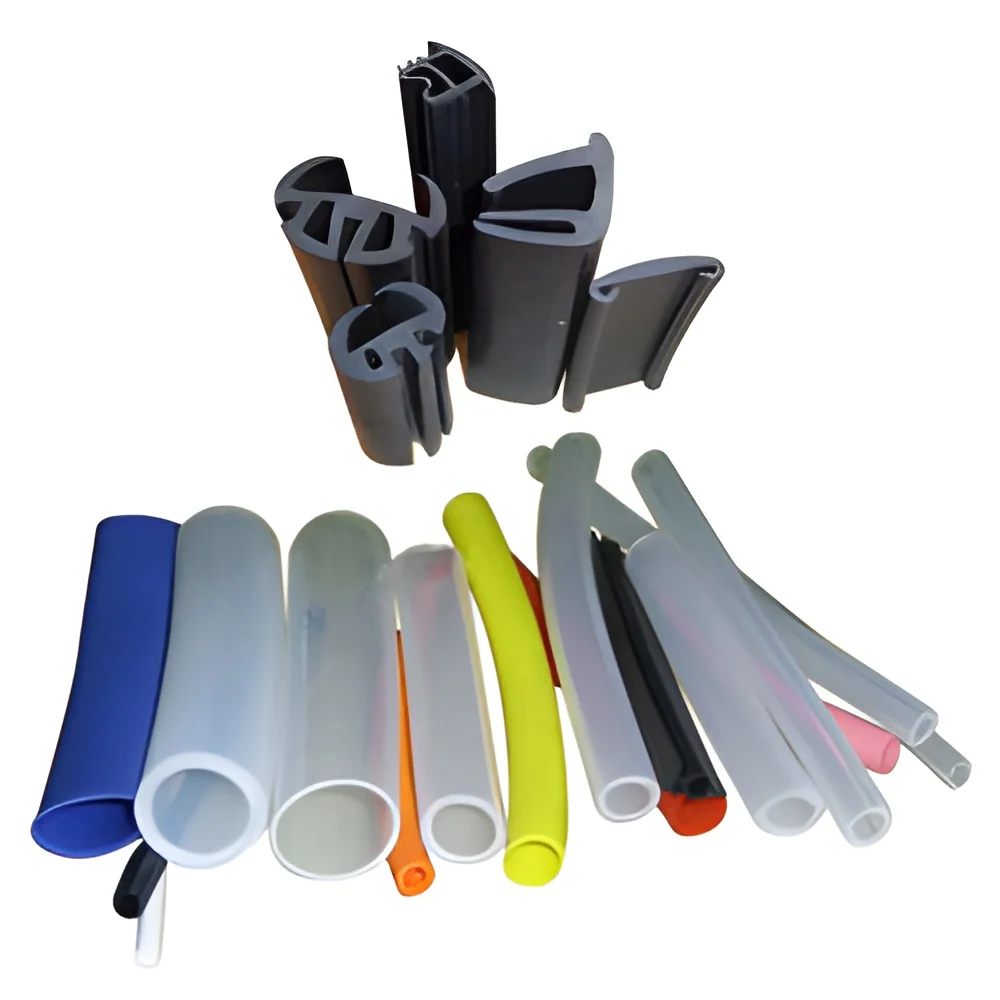
Used for fluid transfer, these components are made from flexible materials that can handle various automotive fluids, ensuring reliable performance.
Interior Trim Pieces
These include dashboard components and cosmetic elements that enhance the vehicle's overall look. They are lightweight and customizable to fit specific design needs.
Bumpers and Body Kits
These components contribute to vehicle aesthetics and safety. They are designed for impact resistance and can be molded into various shapes and sizes.
Benefits and Advantages
Sourcing rubber and plastic auto components offers several advantages that can significantly impact vehicle performance and manufacturing efficiency.
Key benefits include:
1. Lightweight Design: Reducing overall vehicle weight boosts fuel efficiency and improves handling.
2. Corrosion Resistance: Rubber and plastic materials resist corrosion, extending the lifespan of components.
3. Cost-Effectiveness: These materials often provide a more affordable alternative to traditional metal parts, reducing manufacturing costs.
4. Versatility: Rubber and plastic components can be molded into various shapes, allowing for innovative designs.
5. Noise Reduction: Many rubber components help dampen vibrations and noise, enhancing passenger comfort.
6. Customizable Options: The ability to tailor components to specific applications allows for improved functionality and aesthetics.
Buying Guide for B2B Buyers
When sourcing rubber and plastic auto components, B2B buyers should consider several key factors to ensure they make informed decisions.
1. Quality Assessment: Evaluate components based on quality certifications and material standards to ensure durability and performance.
2. Supplier Verification: Conduct thorough research on suppliers to confirm their reliability and reputation in the industry.
3. Pricing and MOQ: Understand the pricing structure and minimum order quantities to align with budget constraints and production needs.
4. Delivery and Lead Times: Consider logistics and shipping times to ensure that components are available when needed for manufacturing schedules.
5. Compliance Requirements: Ensure that the components meet relevant regulatory standards and industry certifications to avoid compliance issues.
Compliance and Certifications
Rubber and plastic auto components must adhere to various compliance standards to ensure safety and quality.
ISO 9001 is a widely recognized standard that outlines quality management principles, ensuring that suppliers maintain consistent quality in their products.
CE certification is essential for components sold in European markets, indicating compliance with health and safety standards.
Safety and testing requirements are critical for components used in automotive applications. They often undergo rigorous testing to ensure they can withstand the conditions of automotive environments.
Regional compliance considerations include adherence to local regulations and standards, which may vary by market. Buyers must be aware of these differences to ensure that their components are compliant.
Why Source Rubber & Plastic Auto Components from Pepagora?
Pepagora provides a trusted platform for sourcing rubber and plastic auto components, offering several key advantages to B2B buyers.
Verified Supplier Network: Pepagora ensures that all suppliers are thoroughly vetted, providing buyers with confidence in the quality and reliability of the products they source.
Streamlined RFQ Process: The platform allows for a simplified request for quotation system, enabling buyers to receive tailored offers from multiple suppliers quickly.
Trade Assurance and Support: Pepagora offers buyer protection measures, ensuring that transactions are secure and that buyers receive the products they expect.
Regional Coverage: With a broad reach across India, the GCC, and Southeast Asia, Pepagora connects buyers with suppliers in key markets, making it easy to source components from reliable manufacturers.

 IN
IN