Key Features and Specifications
Auto filters are characterized by several key features and specifications that ensure their effectiveness and reliability. Understanding these specifications is crucial for selecting the right products for specific applications.
Key specifications include:
1. Filtration Efficiency
- Indicates the percentage of particles removed from the fluid or air
- Typically ranges from 95% to 99% for high-quality filters
2. Flow Rate
- Refers to the volume of fluid or air that can pass through the filter in a given time
- Measured in liters per minute or cubic feet per minute
3. Capacity
- Denotes the amount of contaminants the filter can hold before needing replacement
- Varies by filter type and application, often measured in grams
4. Material Composition
- Filters are made from various materials including paper, synthetic fibers, and metal
- The choice of material affects durability and filtration capabilities
5. Operating Temperature Range
- Specifies the temperature limits within which the filter functions effectively
- Generally between -40°C to 120°C for most automotive filters
6. Compatibility
- Refers to the filtration system's ability to fit various vehicle models
- Ensures the right filter is selected for specific engine types
7. Certification
- Many filters adhere to industry certifications such as CE
- Ensures compliance with safety and performance standards
8. Maintenance Interval
- Indicates the recommended timeline for filter replacement
- Often varies between 5,000 to 15,000 miles depending on usage
In summary, understanding these key features and specifications aids businesses in making informed decisions when sourcing auto filters, ensuring they select the best options for their operational needs.
Common Applications and Use Cases
Auto filters serve a diverse range of industries, each requiring specific filtration solutions for optimal performance.
1. Automotive Industry: Auto filters are critical for maintaining engine health in passenger vehicles, trucks, and buses. They prevent contaminants from causing damage to engine components, enhancing longevity and efficiency.
2. Heavy Machinery: Construction and agricultural equipment rely on robust air, oil, and fuel filters to operate in challenging environments. These filters ensure machines run smoothly, reducing downtime and maintenance costs.
3. Aviation: Filters are used in aircraft systems to maintain clean air and fuel. This is vital for safety and efficiency, as contaminants can lead to performance issues.
4. Marine: Boats and ships utilize fuel and oil filters to ensure reliable operation in harsh marine environments. These filters help protect engines from saltwater and debris.
5. Industrial Equipment: Manufacturing machinery often requires specialized filters to protect internal components from dust and particulate matter. This is essential for maintaining production efficiency.
6. Power Generation: Filters in generators and turbines ensure clean air and fuel supply, contributing to efficient and reliable energy production.
7. HVAC Systems: Cabin air filters are essential in vehicles and buildings to maintain air quality. They filter out pollutants, allergens, and odors, ensuring a healthy environment for occupants.
Product Variants and Subcategories
Auto filters come in various types, each designed for specific functions and applications. Understanding these variants helps businesses select the right products for their needs.
Oil Filters: These filters remove contaminants from engine oil, preventing damage to vital engine components. They are essential for maintaining engine performance and prolonging service life.
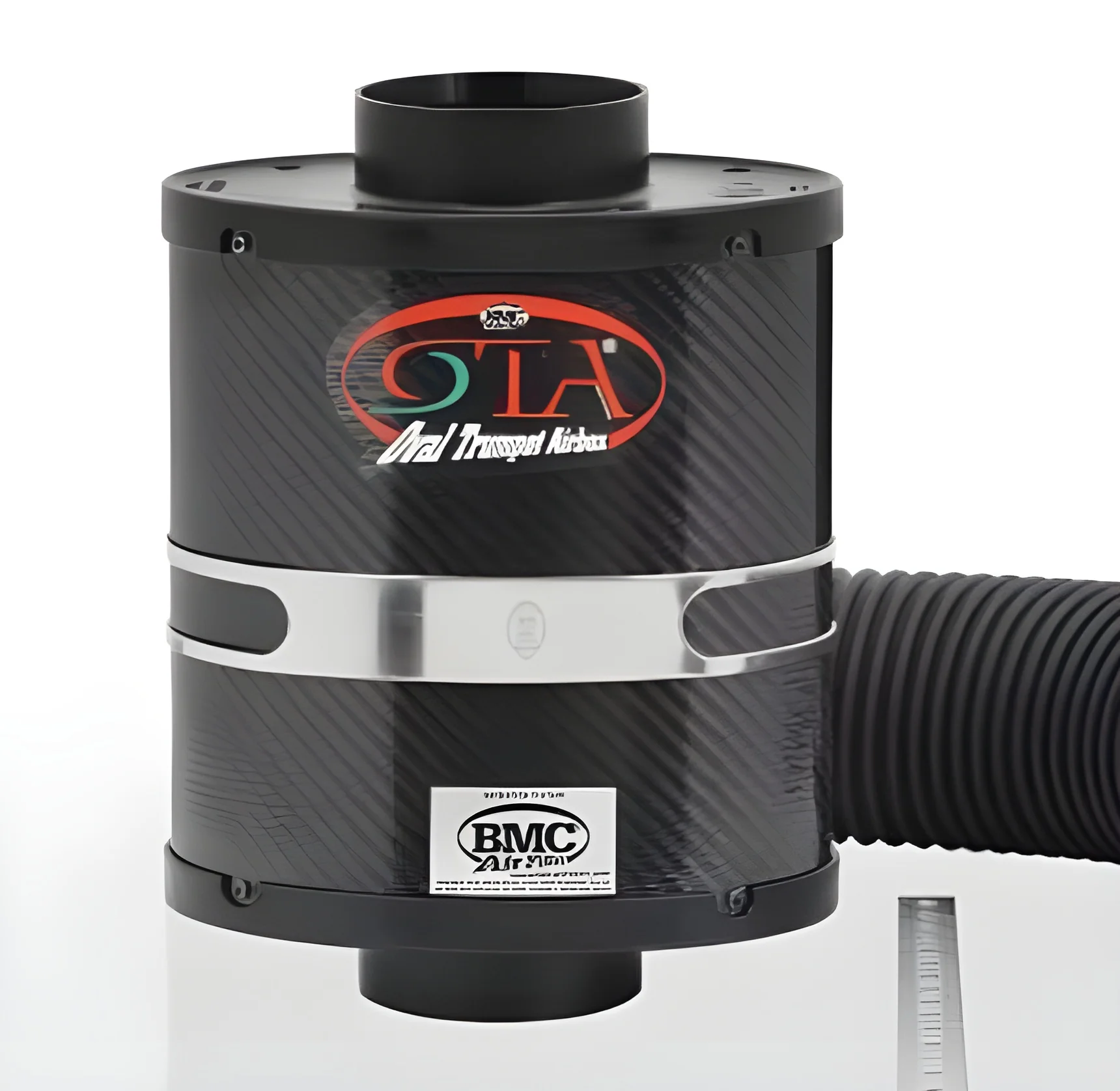
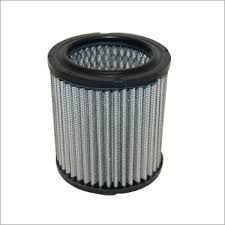
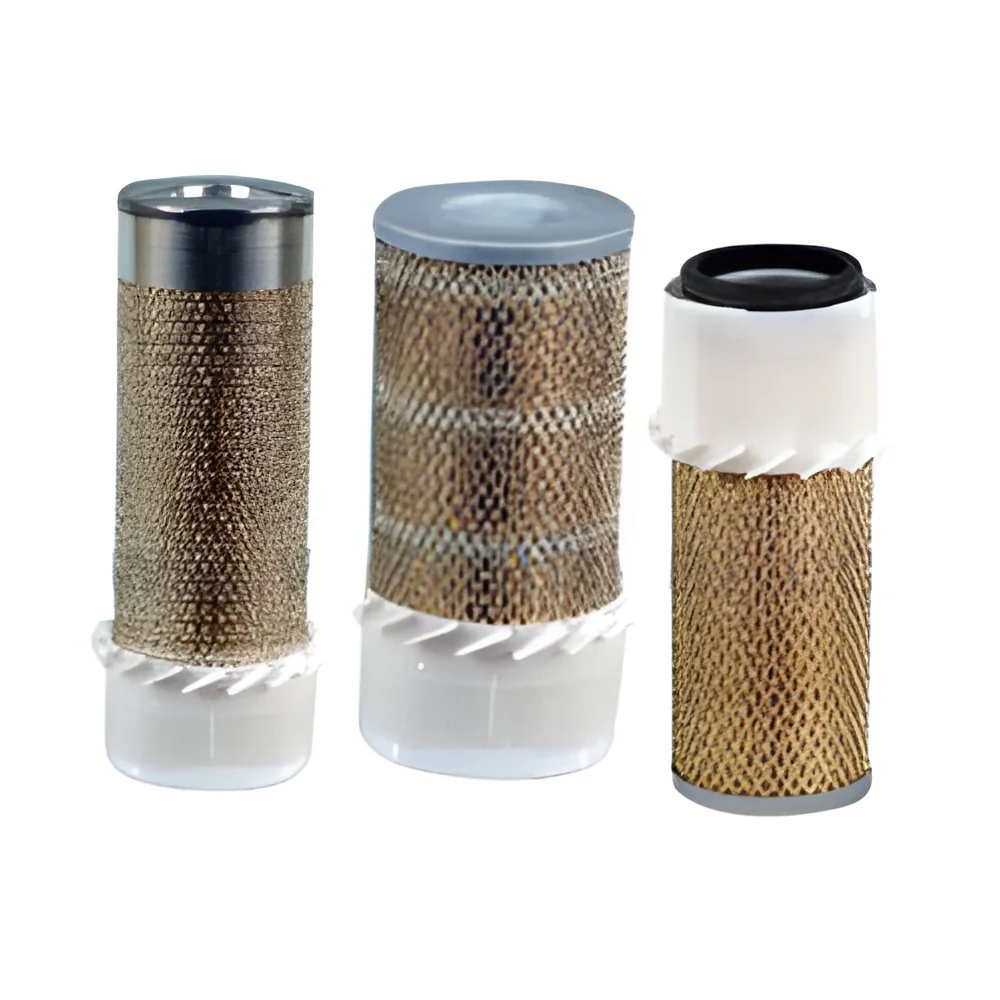
Air Filters: Air filters clean the air entering the engine, ensuring optimal combustion and fuel efficiency. They help improve engine performance and reduce emissions.
Fuel Filters: Fuel filters remove impurities from fuel before it reaches the engine. This is crucial for preventing clogs and ensuring smooth engine operation.
Cabin Air Filters: These filters enhance air quality inside vehicles by trapping dust, pollen, and other allergens. They contribute to passenger comfort and health.
Benefits and Advantages
Sourcing high-quality auto filters offers numerous benefits for businesses and vehicle operators.
1. Enhanced Performance: Clean filters improve engine efficiency and power, leading to better overall performance.
2. Increased Durability: Quality filters help protect engine components, reducing wear and tear, and extending the lifespan of vehicles.
3. Improved Safety: Effective filtration ensures a clean air supply, contributing to passenger safety and comfort within the cabin.
4. Cost Efficiency: Regularly replacing filters can prevent costly repairs and maintenance, resulting in long-term savings.
5. Compliance Assurance: High-quality filters meet industry standards and regulations, ensuring compliance with environmental laws.
6. Reduced Downtime: Reliable filters minimize the risk of engine failure, allowing for uninterrupted operations in commercial applications.
Buying Guide for B2B Buyers
When sourcing Auto Filters (Oil, Air, Fuel, Cabin), it is vital for businesses to consider several factors to ensure optimal selection.
1. Quality Assessment: Evaluate the quality of filters based on materials, certifications, and manufacturer reputation. Reliable filters will perform better and last longer.
2. Supplier Verification: Vet suppliers thoroughly to ensure they provide authentic products. Look for industry certifications and positive reviews from other customers.
3. Pricing and MOQ: Understand the pricing structure and minimum order quantities. This helps in budgeting and ensuring you meet supplier requirements.
4. Delivery and Lead Times: Consider the logistics involved in acquiring filters. Reliable suppliers should provide clear timelines for delivery to avoid disruptions.
5. Compliance Requirements: Ensure filters meet relevant industry standards and regulations. This is crucial for maintaining legal compliance and operational efficiency.
Compliance and Certifications
Auto filters must adhere to various quality standards and certifications to ensure their reliability and safety. These standards are essential in maintaining product integrity and customer satisfaction.
ISO 9001 is a widely recognized standard that ensures consistent quality management systems across organizations. It signifies that manufacturers have robust processes in place for producing high-quality products.
CE certification indicates that products meet European safety and health requirements. This certification is crucial for manufacturers exporting filters to European markets, ensuring they comply with regional regulations.
Safety and testing requirements are integral to the production of auto filters. Manufacturers must conduct thorough testing to guarantee that filters perform optimally under various conditions.
Regional compliance considerations vary by market. Suppliers must be aware of local regulations regarding emissions and environmental standards to ensure their products are compliant.
Why Source Auto Filters (Oil, Air, Fuel, Cabin) from Pepagora?
Pepagora offers a trusted platform for sourcing Auto Filters (Oil, Air, Fuel, Cabin) with a variety of key advantages for B2B buyers.
Verified Supplier Network: Pepagora connects buyers with a network of verified suppliers, ensuring access to high-quality products. This verification process helps mitigate risks associated with sourcing.
Streamlined RFQ Process: The platform provides an efficient request for quotation (RFQ) process, allowing buyers to easily compare multiple offers. This simplifies the purchasing decision and helps secure the best deals.
Trade Assurance and Support: Pepagora offers trade assurance policies that protect buyers throughout the sourcing process. This includes support for resolving disputes and ensuring timely delivery.
Regional Coverage: With a strong presence in India, the GCC, and Southeast Asia, Pepagora ensures that businesses can source auto filters effectively across multiple regions. This geographic reach enhances logistical efficiency and market access.

 IN
IN