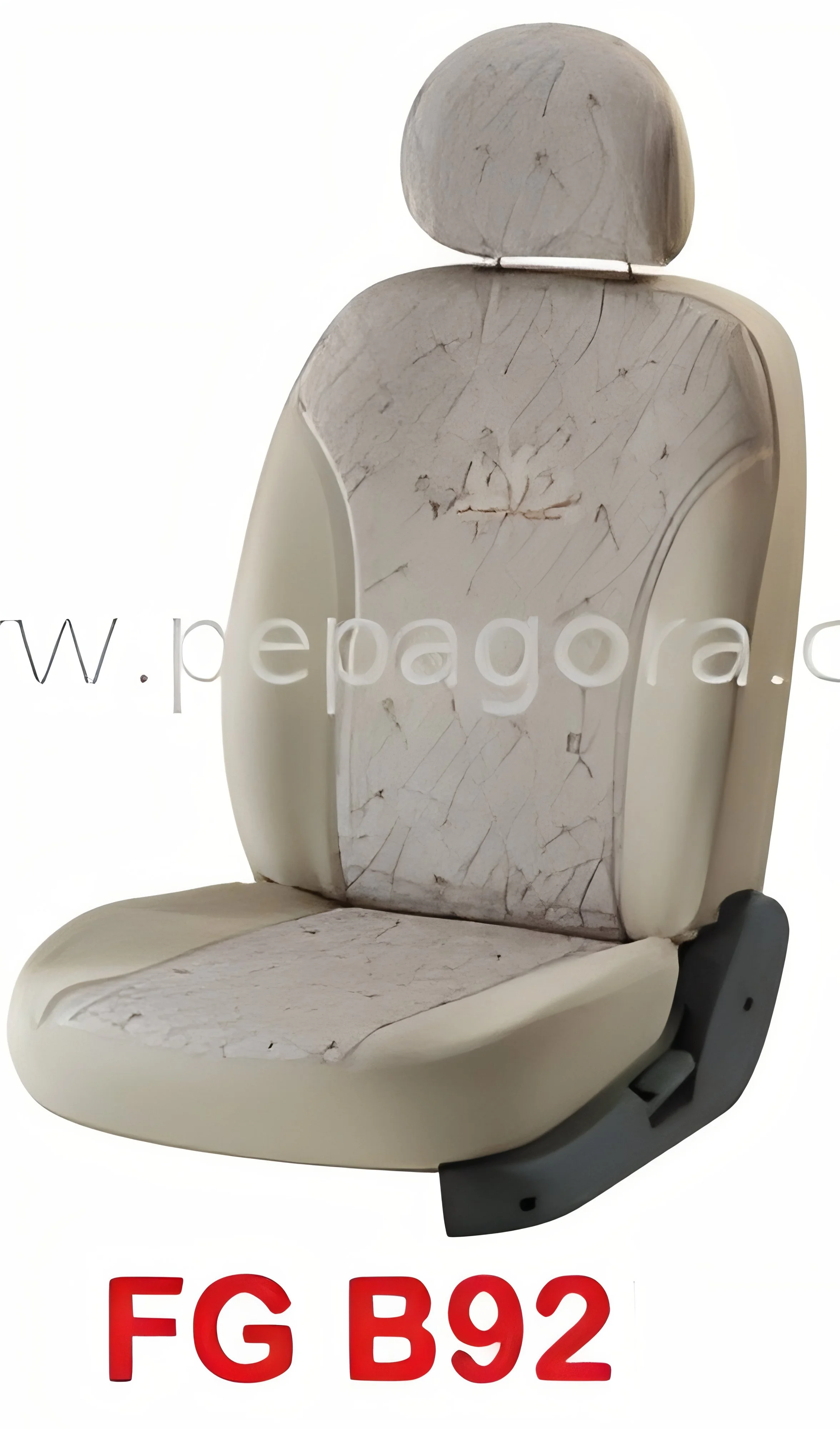
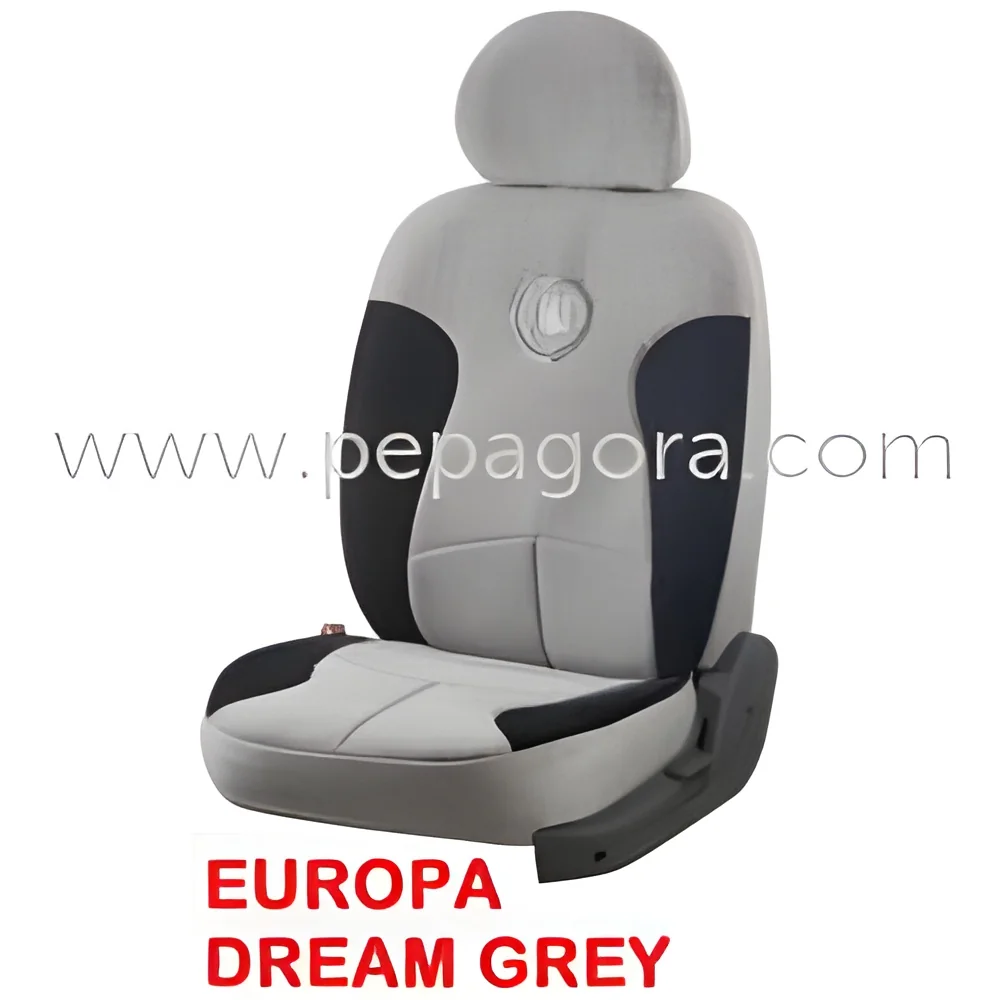
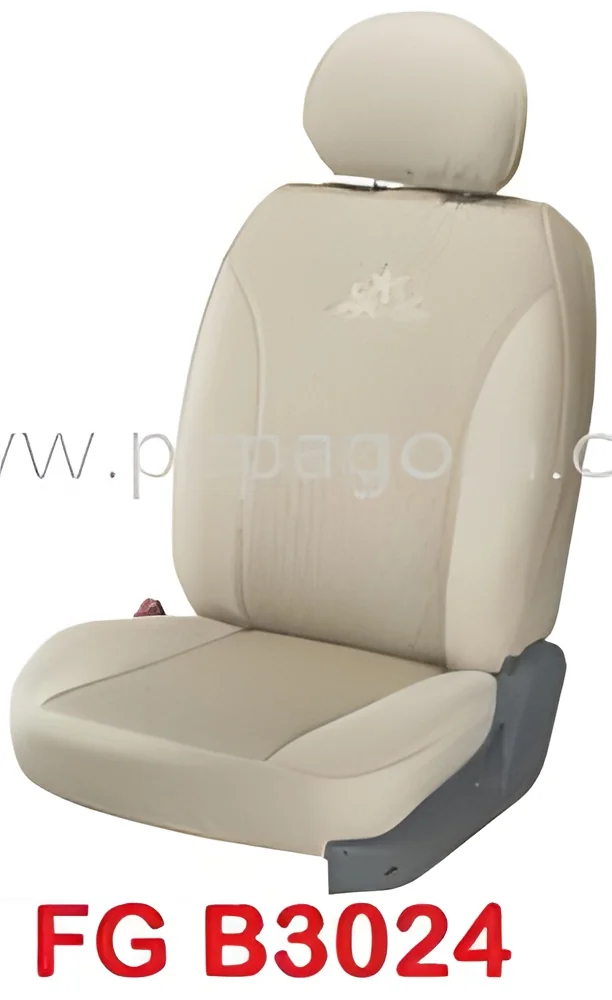
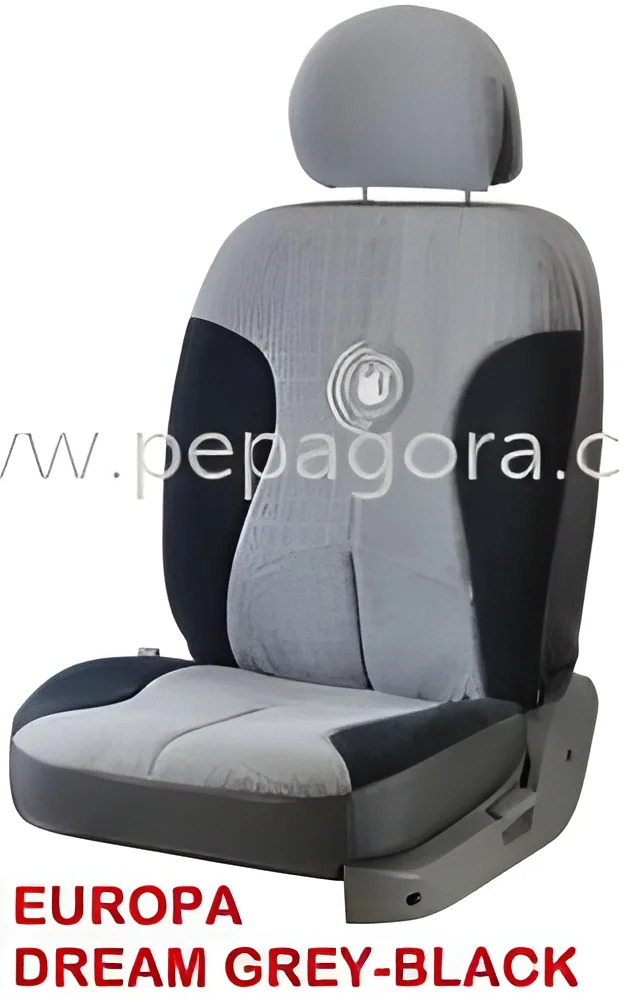
𝗪𝗵𝗮𝘁 𝗮𝗿𝗲 𝗦𝗲𝗮𝘁𝘀, 𝗦𝗲𝗮𝘁 𝗕𝗲𝗹𝘁𝘀 & 𝗨𝗽𝗵𝗼𝗹𝘀𝘁𝗲𝗿𝘆 𝗣𝗮𝗿𝘁𝘀?
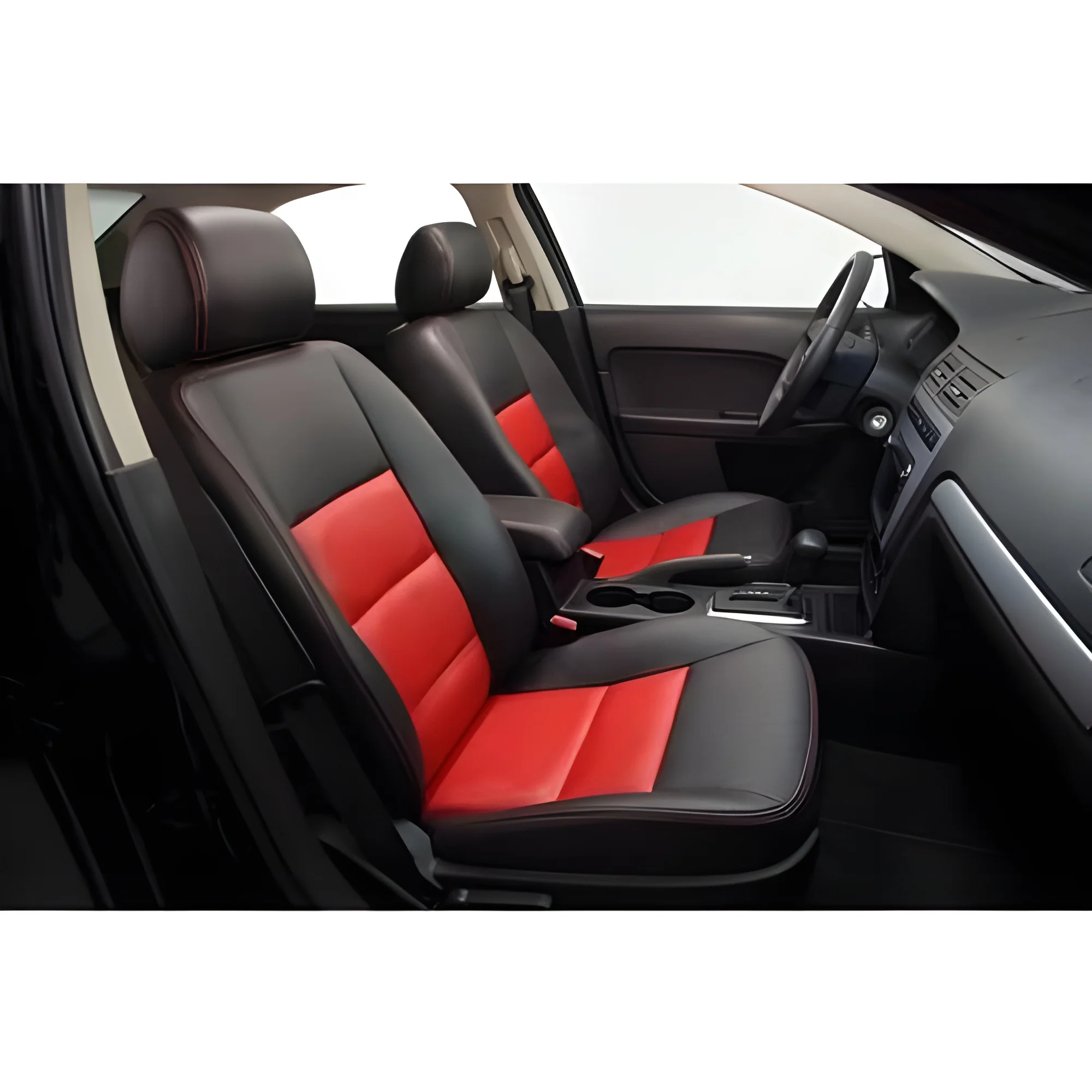
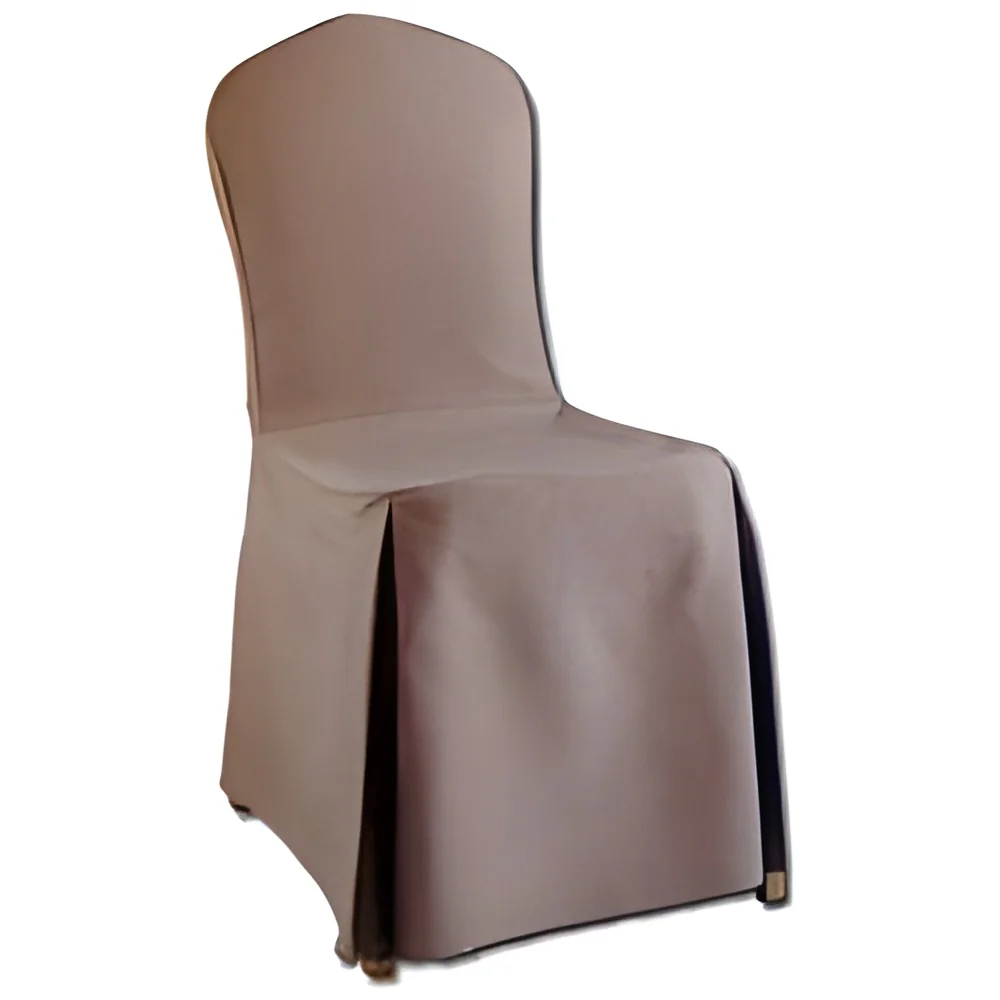
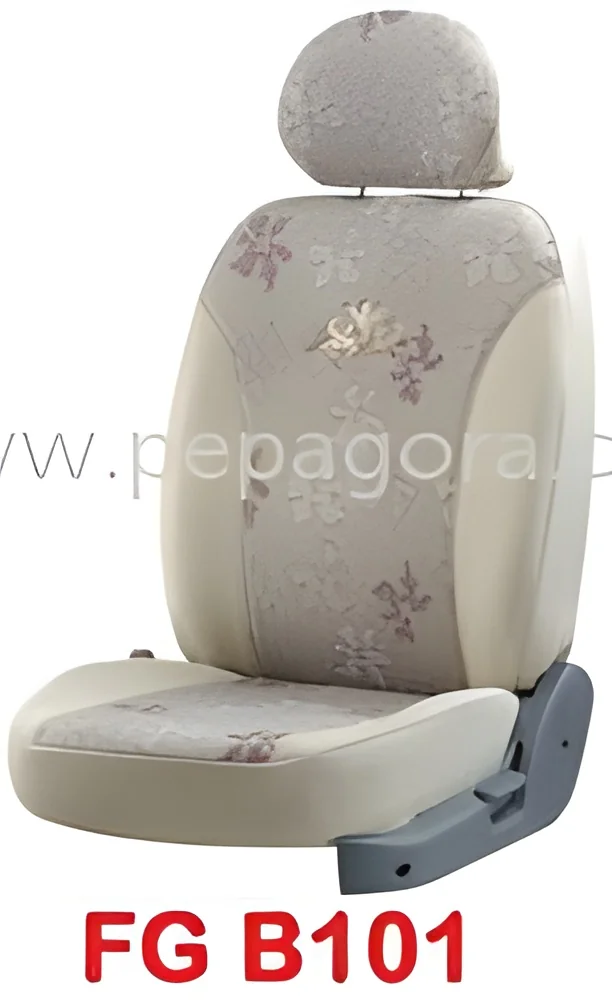
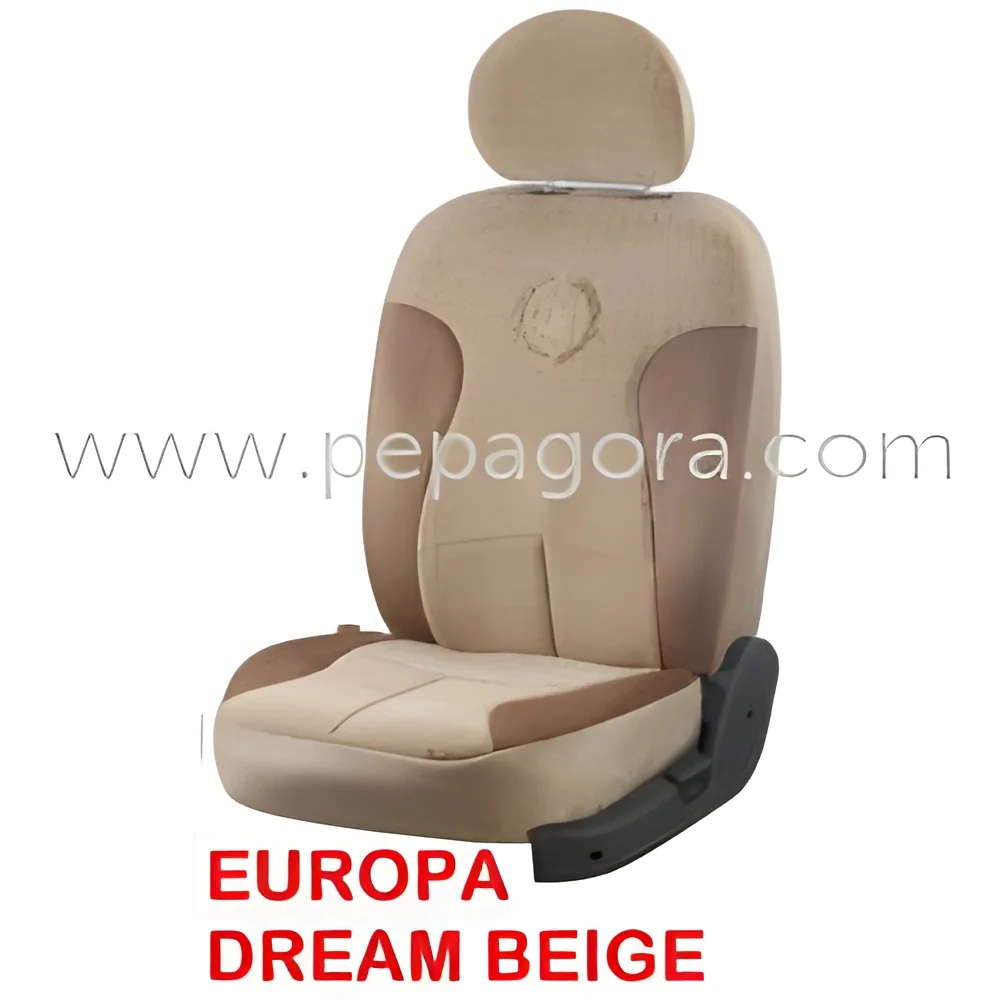
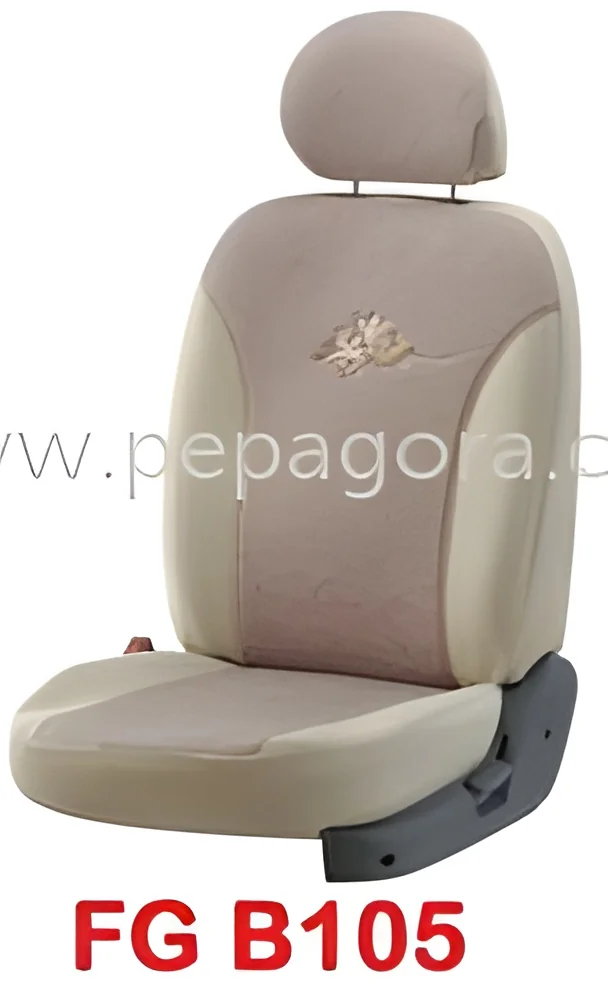
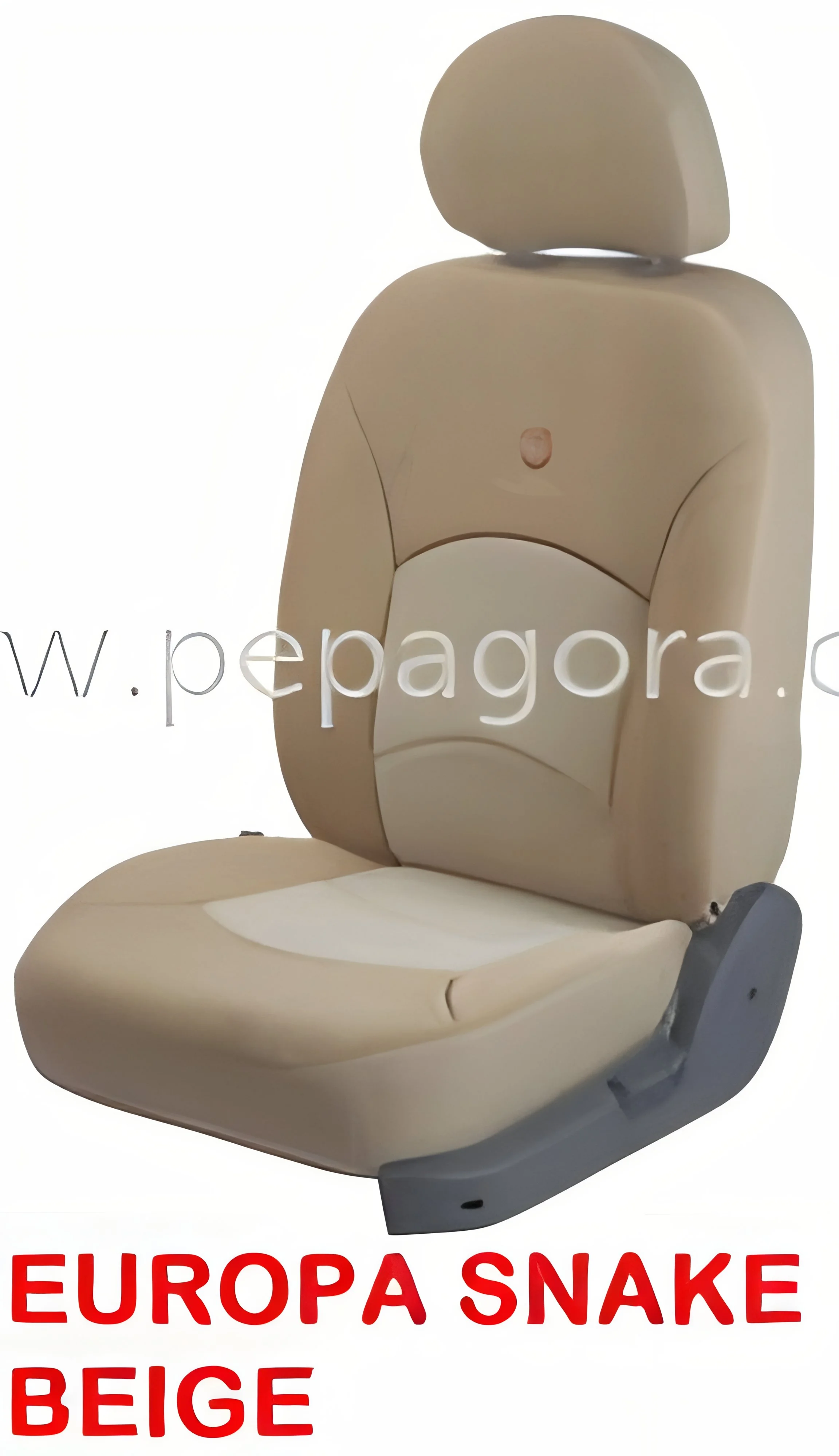
Seats, seat belts, and upholstery parts are essential components in various vehicles and equipment, designed to provide comfort, safety, and functionality. Seats are designed for ergonomics and support, accommodating the human body's needs during operation or travel. Seat belts are critical safety devices that secure occupants in place, reducing the risk of injury in the event of an accident. Upholstery parts enhance the aesthetic appeal and comfort of seats while providing necessary protection to the underlying materials.
These components are widely used across multiple industries, including automotive, aviation, marine, and public transportation. In the automotive industry, for instance, advanced seat designs and high-quality seat belts are fundamental to vehicle safety and occupant comfort. Upholstery parts not only contribute to a vehicle's interior design but also play a significant role in maintaining the upholstery's durability and ease of maintenance. As industries continue to prioritize safety and comfort, the demand for high-quality seats, seat belts, and upholstery parts remains strong.
The relevance of these components is further amplified by stringent safety regulations and standards that govern their production and use across different regions. As a result, manufacturers and suppliers are consistently innovating to improve the functionality, safety features, and aesthetic appeal of these products, ensuring they meet the needs of modern consumers and businesses.
𝗞𝗲𝘆 𝗙𝗲𝗮𝘁𝘂𝗿𝗲𝘀 𝗮𝗻𝗱 𝗦𝗽𝗲𝗰𝗶𝗳𝗶𝗰𝗮𝘁𝗶𝗼𝗻𝘀
Seats, seat belts, and upholstery parts come with a variety of features and specifications tailored to meet diverse industry requirements. Understanding these specifications is crucial for businesses looking to procure these components.
Key specifications include:
1. Seat Material
- Options such as leather, fabric, and synthetic materials.
- Durability, comfort, and ease of cleaning.
2. Seat Dimensions
- Standard dimensions for various vehicle types.
- Adjustability options for personalized comfort.
3. Seat Belt Design
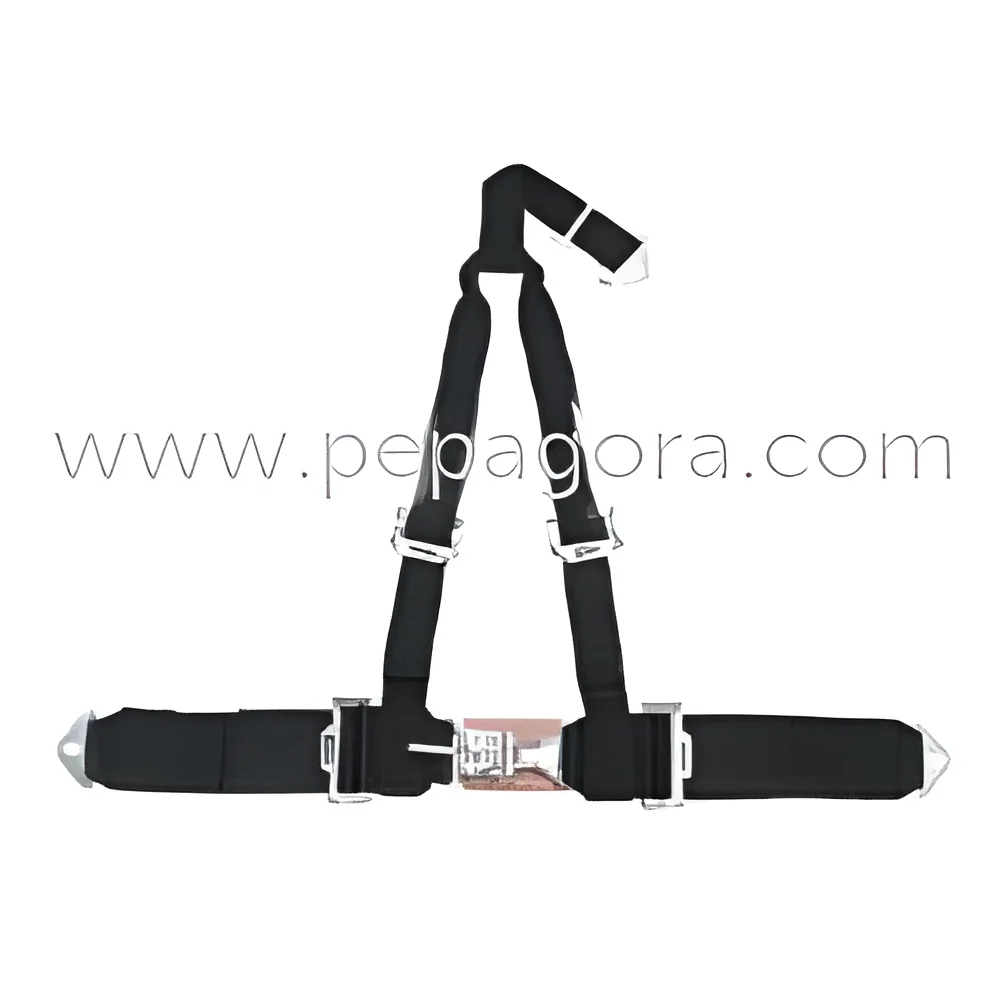
- Types include lap belts, shoulder belts, and five-point harnesses.
- Compliance with safety standards for effective restraint.
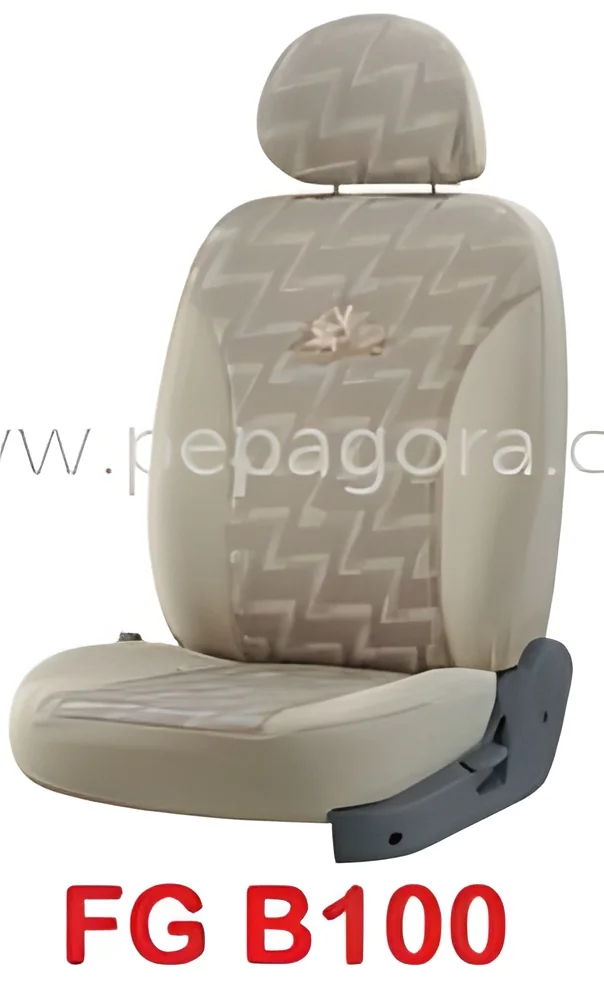
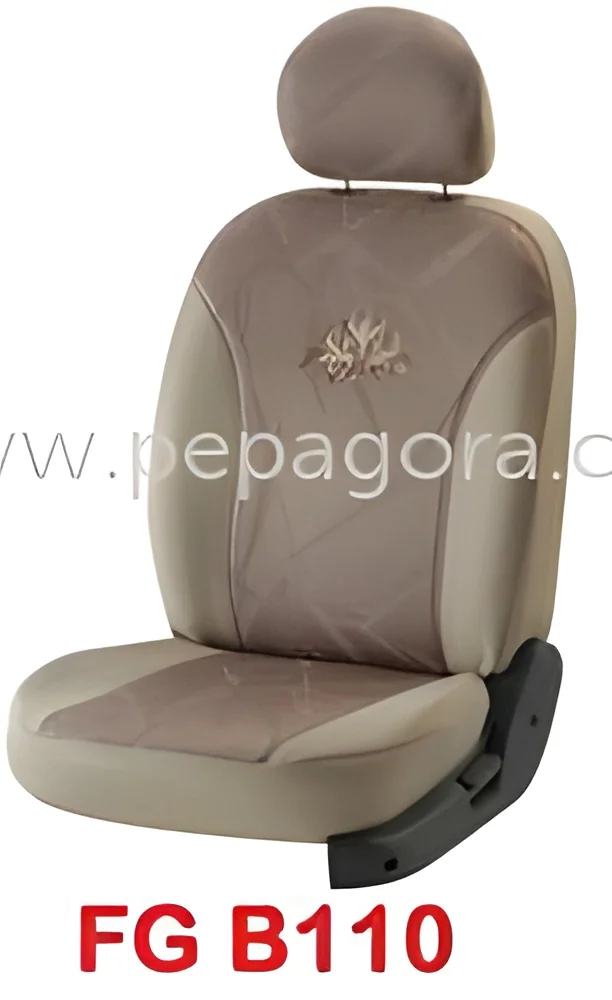
4. Upholstery Fabric
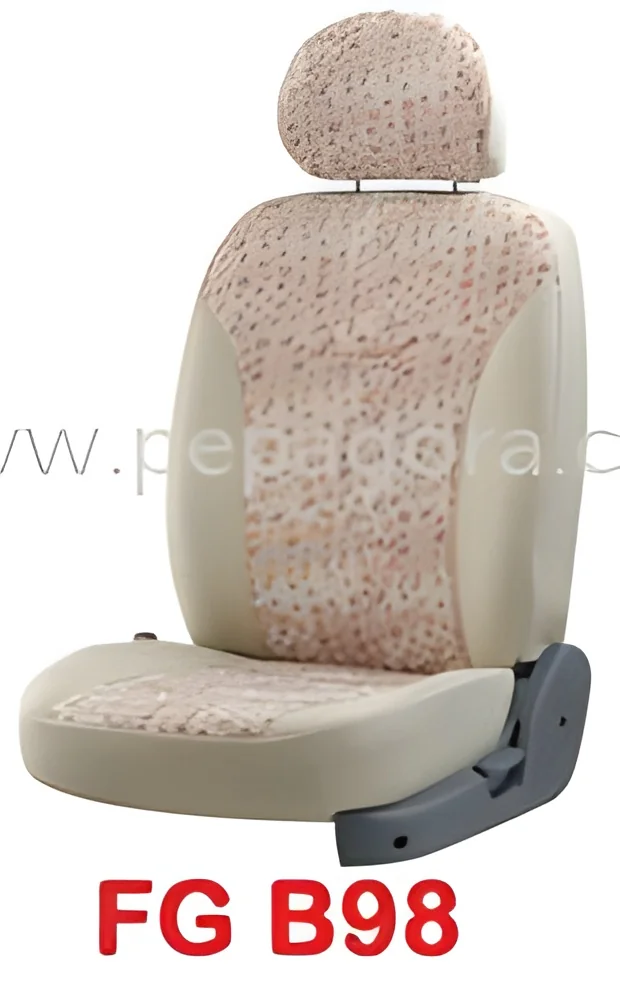
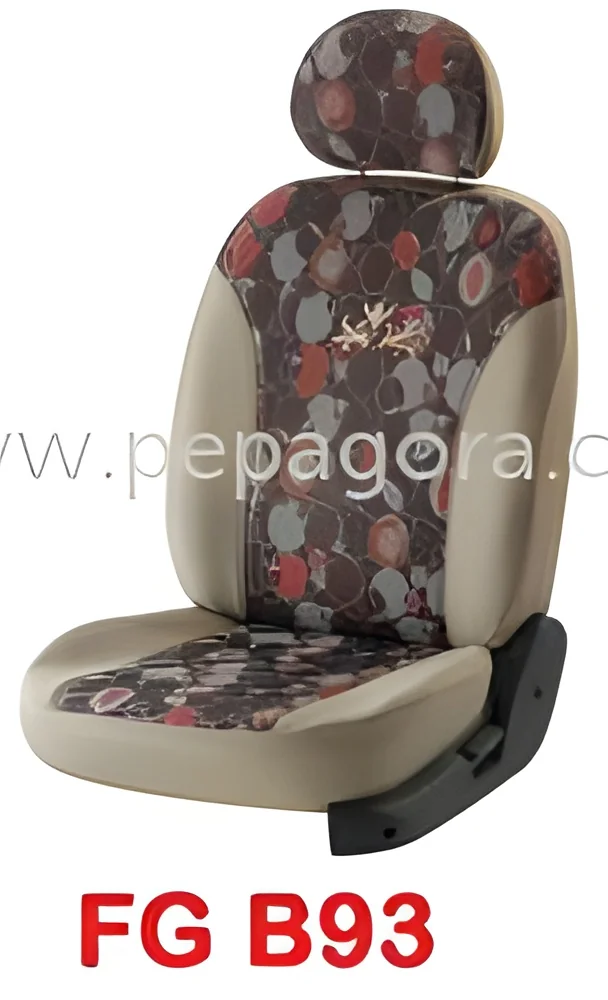
- Variety of fabrics available for aesthetic appeal.
- Stain resistance and weatherproof options.
5. Safety Certifications
- Compliance with CE certification and other relevant standards.
- Passed crash testing and safety assessments.
6. Weight Capacity
- Specifications on weight limits for different seat types.
- Considerations for heavy-duty applications.
7. Installation Types
- Options for fixed, adjustable, or removable installations.
- Compatibility with various vehicle models.
8. Maintenance Requirements
- Cleaning and care instructions for upholstery materials.
- Recommendations for prolonging the lifespan of components.
These specifications ensure that businesses can select the right products that align with their operational needs and safety regulations.
𝗖𝗼𝗺𝗺𝗼𝗻 𝗔𝗽𝗽𝗹𝗶𝗰𝗮𝘁𝗶𝗼𝗻𝘀 𝗮𝗻𝗱 𝗨𝘀𝗲 𝗖𝗮𝘀𝗲𝘀
Seats, seat belts, and upholstery parts are utilized across a range of industries, each with specific applications.
1. Automotive: In cars, trucks, and buses, these components are crucial for passenger comfort and safety. Advanced seat designs enhance ergonomics, while seat belts adhere to safety regulations.
2. Aviation: Aircraft seats and safety belts are designed for maximum comfort and safety during flights. Upholstery parts contribute to the overall aesthetic and passenger experience.
3. Marine: Boats and ships utilize specialized seats and belts to ensure passenger safety on the water. Durable upholstery is essential for withstanding marine conditions.
4. Public Transportation: Buses and trains require robust seating solutions and safety restraints to accommodate high passenger volumes while ensuring safety.
5. Heavy Equipment: Construction and agricultural machinery use specialized seats and belts to provide comfort and safety for operators during extended use.
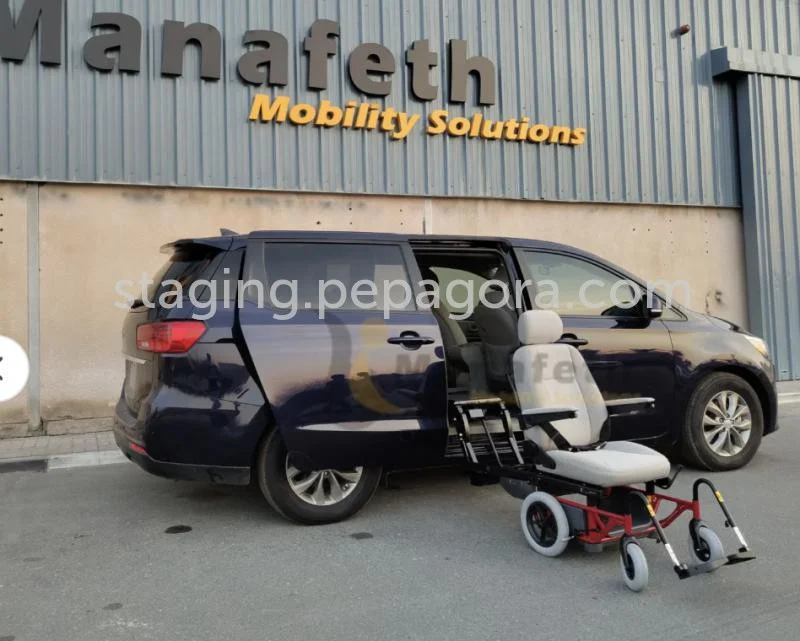
6. Healthcare: Medical transport vehicles utilize seats and restraints to ensure patient safety during transit. Upholstery must meet hygiene standards.
7. Recreational Vehicles: RVs and off-road vehicles require durable and comfortable seating options with reliable safety features.
𝗣𝗿𝗼𝗱𝘂𝗰𝘁 𝗩𝗮𝗿𝗶𝗮𝗻𝘁𝘀 𝗮𝗻𝗱 𝗦𝘂𝗯𝗰𝗮𝘁𝗲𝗴𝗼𝗿𝗶𝗲𝘀
The diversity of seats, seat belts, and upholstery parts allows for a variety of product variants designed to meet specific needs.
Standard Vehicle Seats
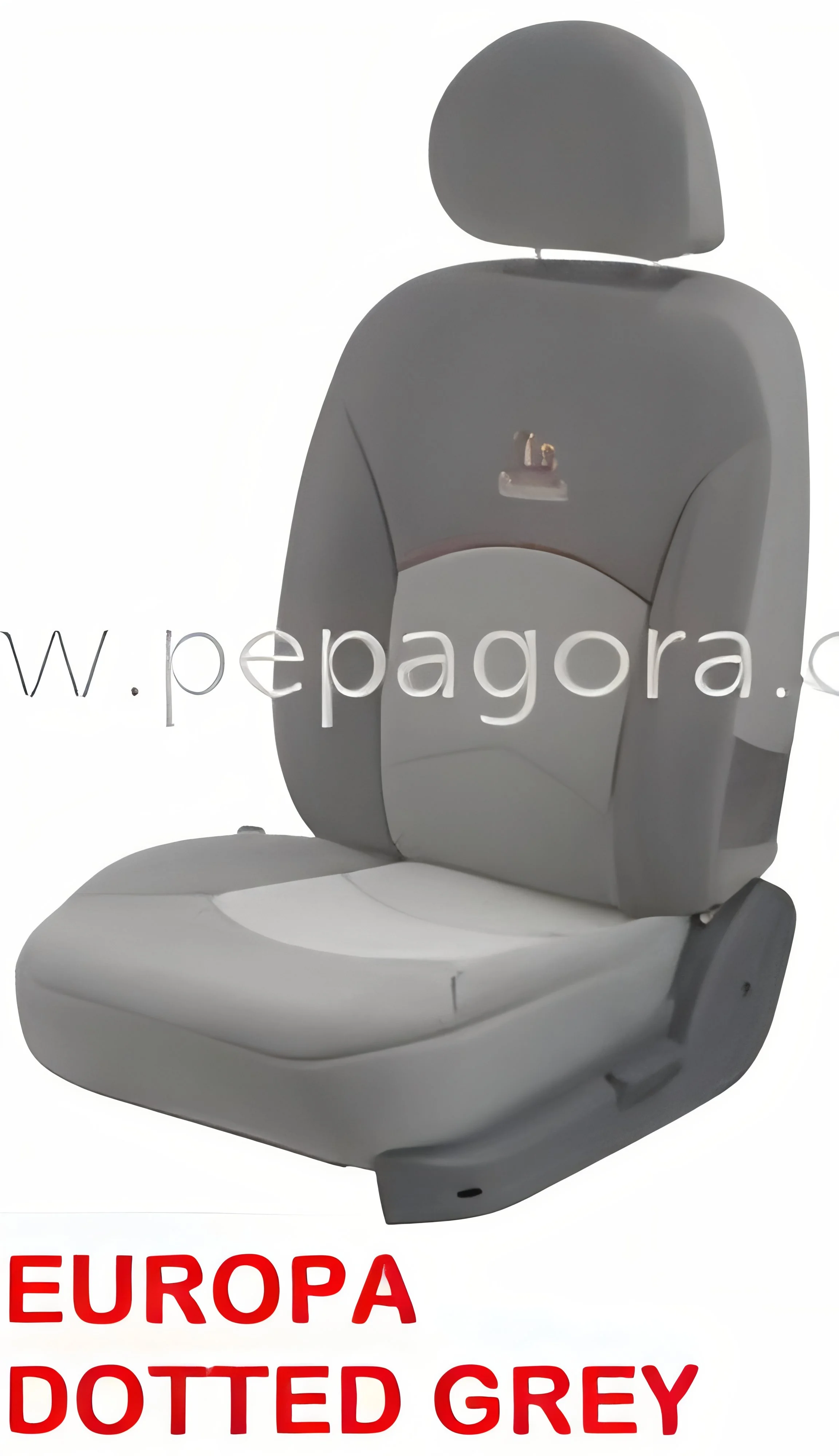
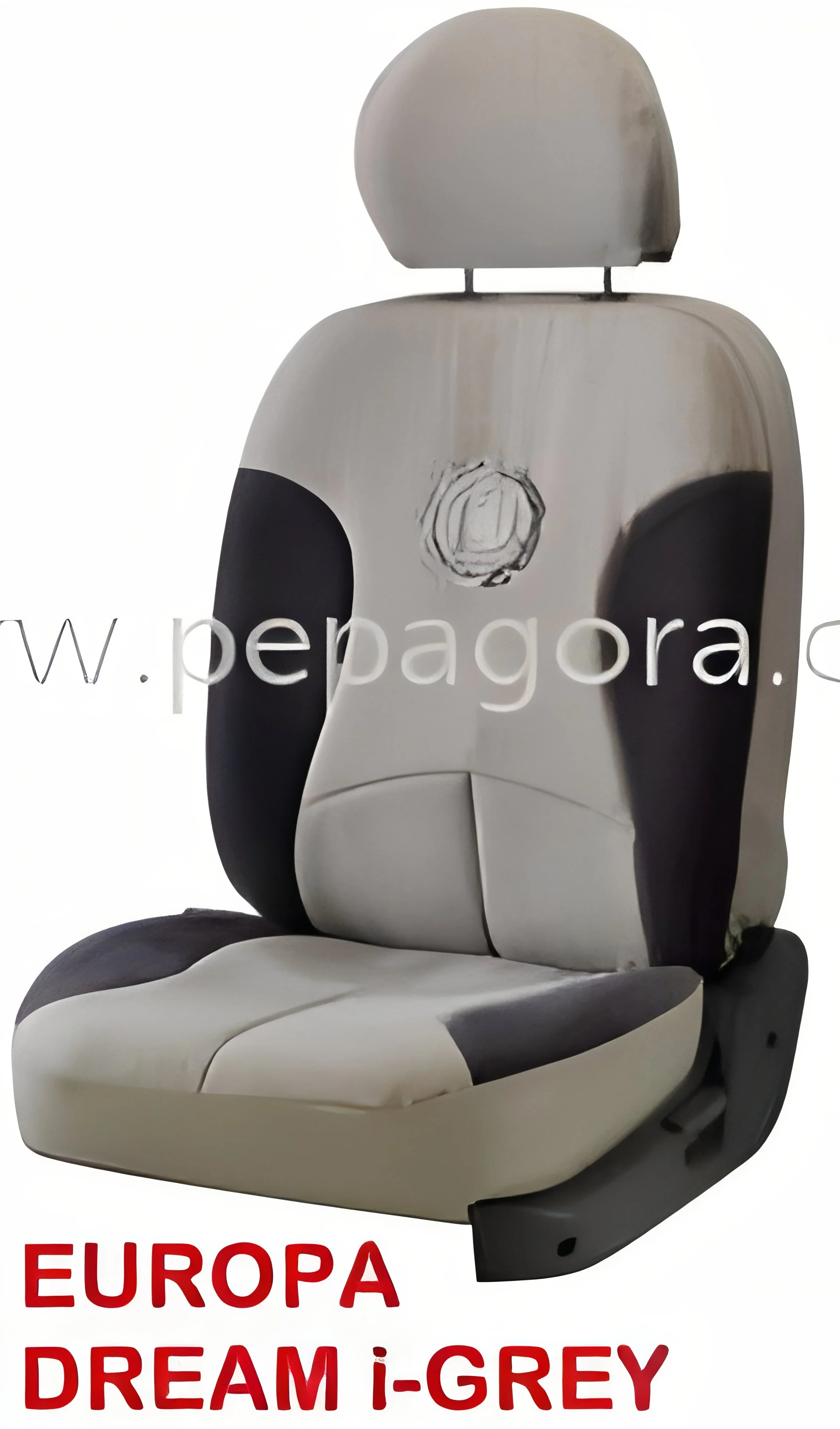
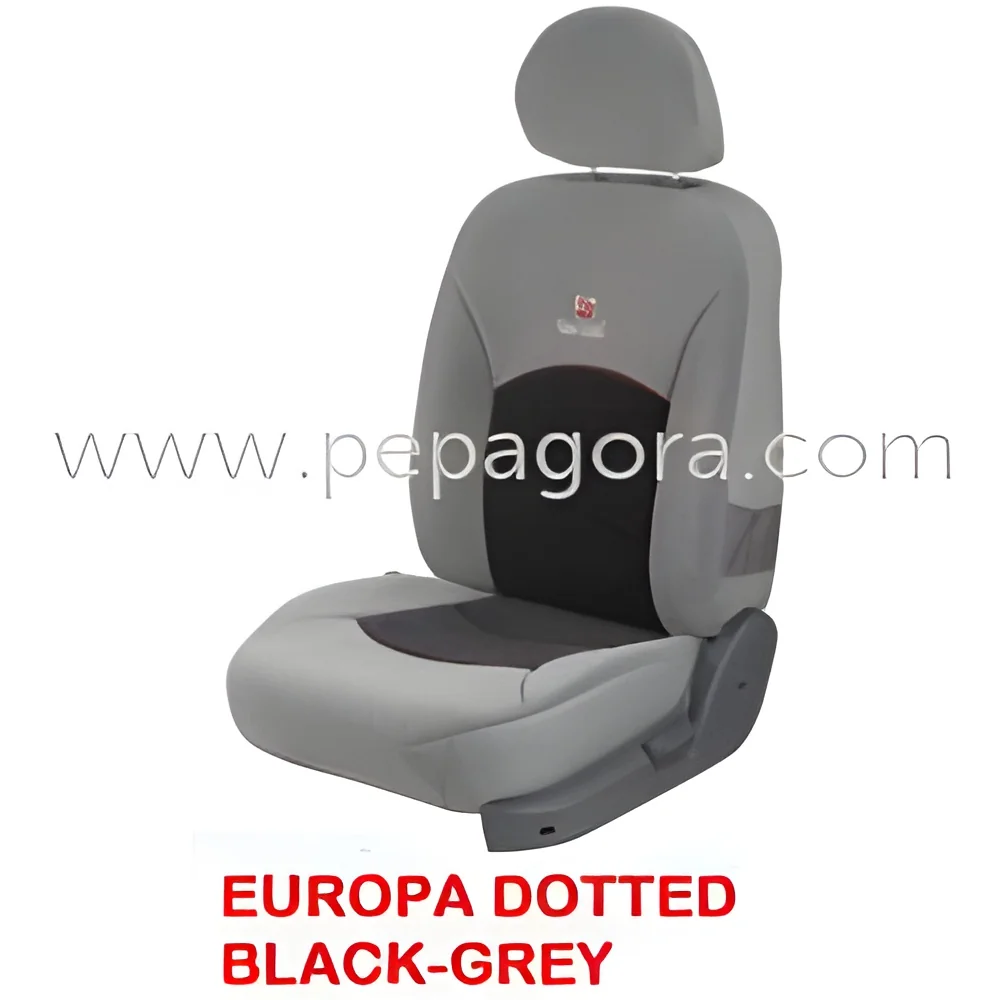
These seats are designed for general automotive use, providing comfort and safety for everyday driving. Available in various materials, they often feature adjustable settings to accommodate different driver heights.
Racing Seats
Specialized for motorsport applications, racing seats offer enhanced side support and harness compatibility. They are typically made from lightweight materials to improve vehicle performance while ensuring safety.
Commercial Aircraft Seats
Designed for aviation use, these seats prioritize passenger comfort during flights. They often include features such as reclining options, adjustable armrests, and high-quality upholstery to enhance the travel experience.
Heavy-Duty Seats
These seats are built to withstand rigorous use in construction and agricultural machinery. They are designed for durability and comfort, often featuring weather-resistant materials.
𝗕𝗲𝗻𝗲𝗳𝗶𝘁𝘀 𝗮𝗻𝗱 𝗔𝗱𝘃𝗮𝗻𝘁𝗮𝗴𝗲𝘀
Investing in high-quality seats, seat belts, and upholstery parts offers several significant advantages.
1. Enhanced Safety: Reliable seat belts and properly designed seats minimize injury risk during accidents, complying with industry safety standards.
2. Increased Comfort: Ergonomically designed seats improve user experience, reducing fatigue during long periods of use.
3. Customization Options: Many products offer customization in terms of materials and features, allowing businesses to tailor components to their specific needs.
4. Improved Aesthetics: Quality upholstery enhances the overall look of vehicles and equipment, adding to brand image and customer satisfaction.
5. Durability: High-quality materials ensure longevity, reducing the need for frequent replacements and maintenance.
6. Compliance with Regulations: Sourcing certified products ensures adherence to safety and quality standards, mitigating legal risks.
𝗕𝘂𝘆𝗶𝗻𝗴 𝗚𝘂𝗶𝗱𝗲 𝗳𝗼𝗿 𝗕𝟮𝗕 𝗕𝘂𝘆𝗲𝗿𝘀
When sourcing seats, seat belts, and upholstery parts, businesses should consider several important factors to ensure they make informed decisions.
1. Quality Assessment: Evaluate the quality of materials and craftsmanship. Look for products that meet relevant industry standards and provide warranties.
2. Supplier Verification: Vet suppliers to ensure they have a proven track record in the industry. Check for certifications and customer reviews to gauge reliability.
3. Pricing and MOQ: Understand the pricing structure and minimum order quantities. Compare quotes from multiple suppliers to find the best value while considering long-term partnerships.
4. Delivery and Lead Times: Assess suppliers' logistics capabilities. Ensure they can meet your delivery timelines to avoid disruptions in your operations.
5. Compliance Requirements: Familiarize yourself with regulatory requirements specific to your industry. Ensure that the products sourced meet these compliance standards.
𝗖𝗼𝗺𝗽𝗹𝗶𝗮𝗻𝗰𝗲 𝗮𝗻𝗱 𝗖𝗲𝗿𝘁𝗶𝗳𝗶𝗰𝗮𝘁𝗶𝗼𝗻𝘀
Compliance and certifications play a crucial role in the manufacturing and sourcing of seats, seat belts, and upholstery parts. Adhering to established quality standards such as ISO 9001 ensures that products are produced consistently and meet customer expectations.
The CE certification indicates that products conform to European safety standards, which is vital for gaining market access in Europe. Ensuring that components pass rigorous safety and testing requirements is essential for protecting end-users and minimizing liability.
Additionally, regional compliance considerations may vary. Businesses must be aware of local regulations regarding safety and quality to avoid penalties and ensure product acceptability in their target markets.
𝗪𝗵𝘆 𝗦𝗼𝘂𝗿𝗰𝗲 𝗦𝗲𝗮𝘁𝘀, 𝗦𝗲𝗮𝘁 𝗕𝗲𝗹𝘁𝘀 & 𝗨𝗽𝗵𝗼𝗹𝘀𝘁𝗲𝗿𝘆 𝗣𝗮𝗿𝘁𝘀 𝗳𝗿𝗼𝗺 𝗣𝗲𝗽𝗮𝗴𝗼𝗿𝗮?
Pepagora offers a trusted platform for sourcing seats, seat belts, and upholstery parts, providing several key advantages for businesses.
Verified Supplier Network: Pepagora has established a network of verified suppliers who meet stringent quality and safety standards. This ensures that buyers can source reliable products with confidence.
Streamlined RFQ Process: The request for quotation (RFQ) process on Pepagora is designed to be efficient and user-friendly. Buyers can easily compare multiple quotes, allowing for informed purchasing decisions.
Trade Assurance and Support: Pepagora provides trade assurance to protect buyers throughout the purchasing process. This includes support in case of disputes, ensuring a safe transaction environment.
Regional Coverage: With a strong presence in India, the GCC, and Southeast Asia, Pepagora connects buyers with suppliers across these regions, facilitating access to high-quality components tailored to diverse market needs.

 IN
IN