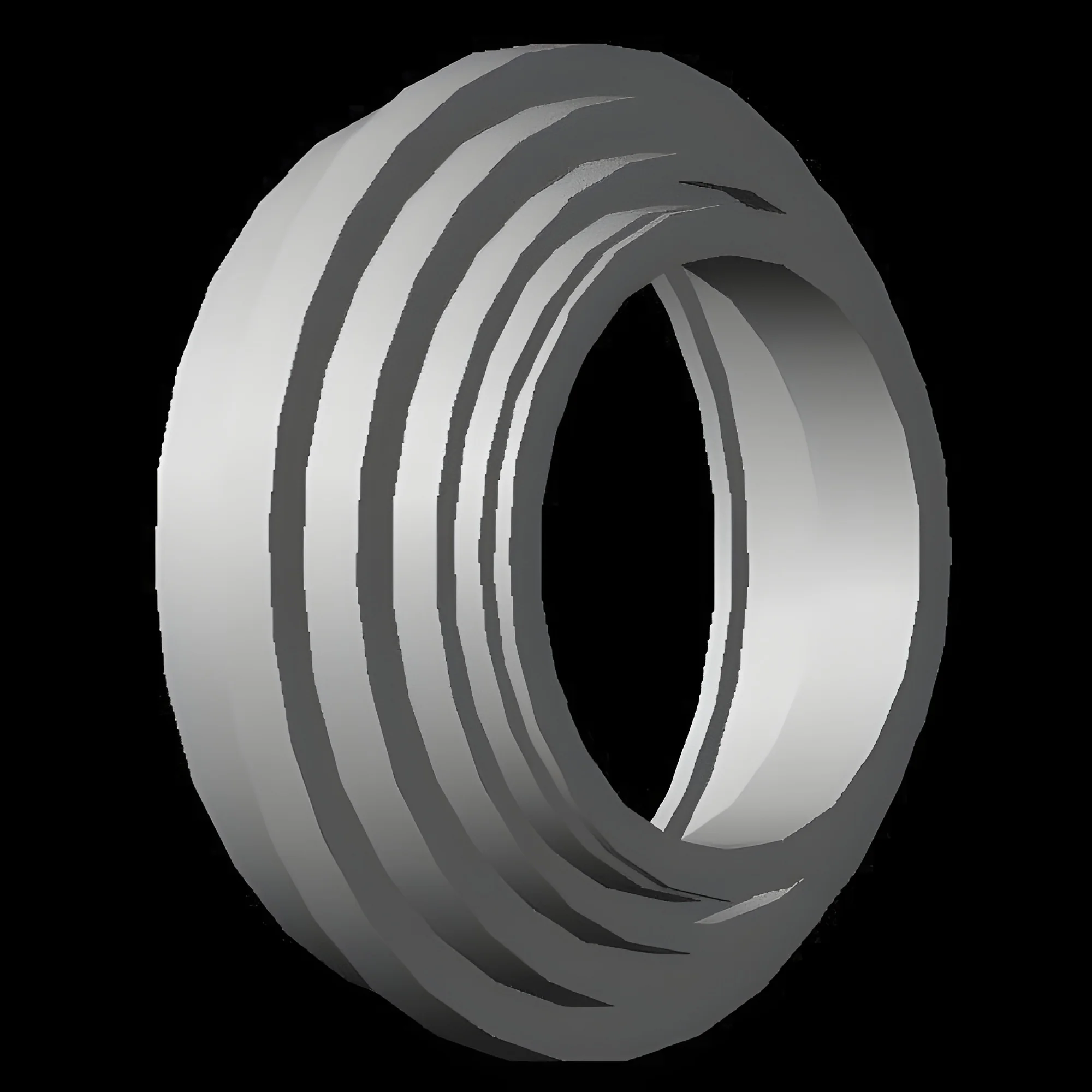
What are Engine Spare Parts?
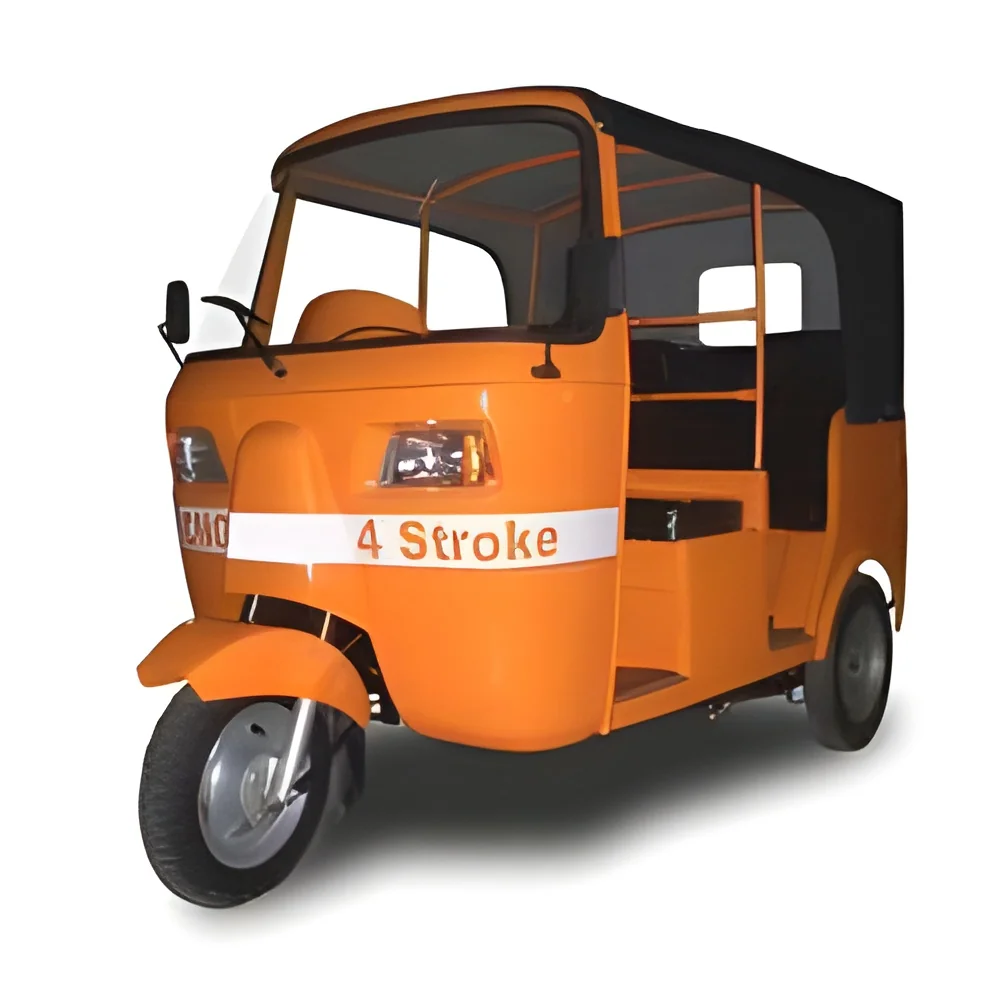
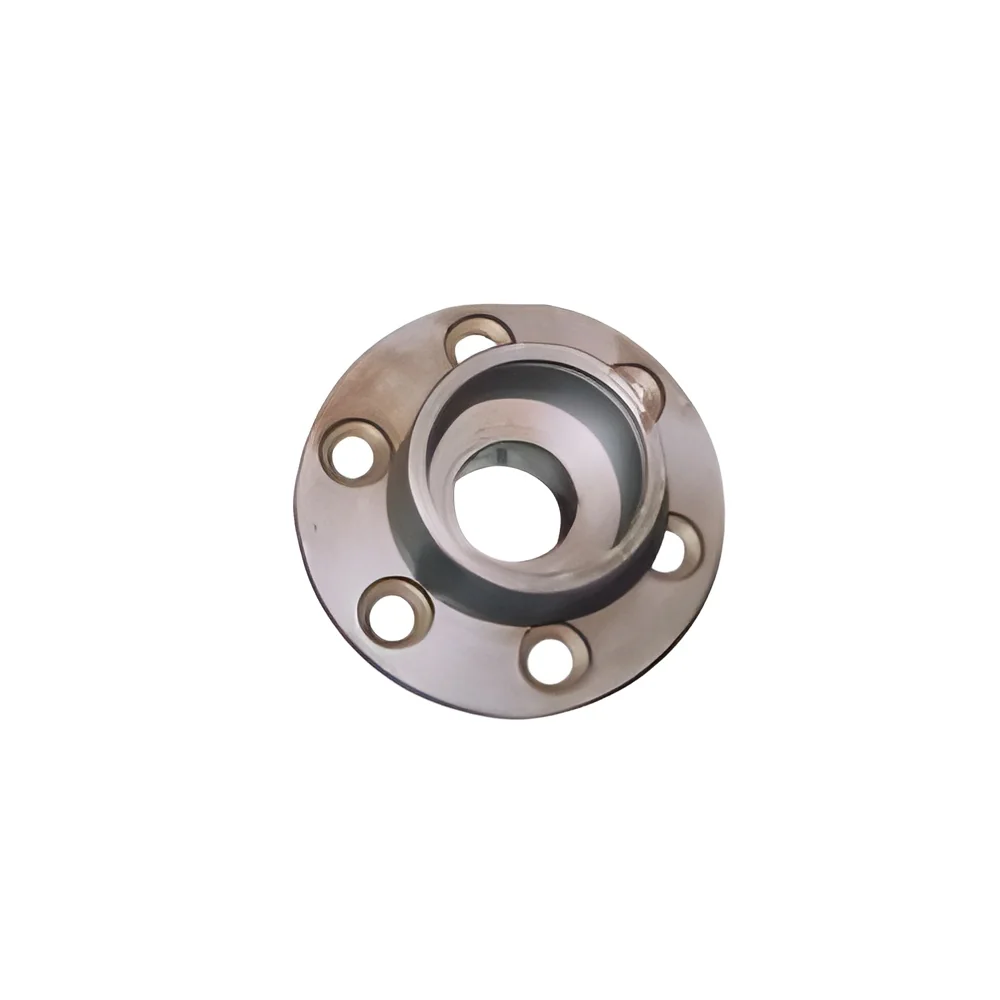
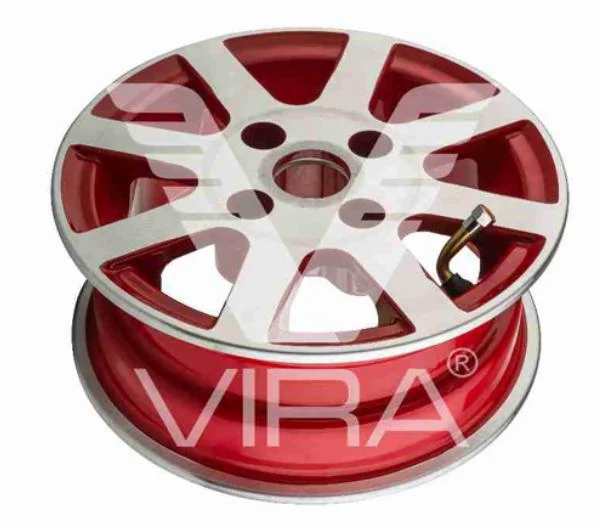
Engine spare parts refer to the components that are used to repair or replace parts of an engine that have become worn, damaged, or malfunctioning. These parts are essential to ensure the engine operates efficiently and reliably. Engine spare parts can include a wide range of components such as pistons, crankshafts, gaskets, and fuel injectors, among others. Each component plays a crucial role in the overall functioning of the engine, impacting performance and longevity.
In the industrial sector, engine spare parts are primarily used in manufacturing equipment, vehicles, and machinery across various industries. Proper maintenance and timely replacement of these parts help prevent downtime and costly repairs. Businesses rely on these components to maintain their operational efficiency and ensure that machinery and vehicles are running at optimal levels. As industries evolve, the demand for high-quality engine spare parts continues to grow, making them a critical aspect of engine management.
Key Features and Specifications
Engine spare parts are characterized by several specifications that define their performance and compatibility. Understanding these specifications is vital for selecting the right parts for specific applications.
Key specifications include:
1. Material Composition
- Engine spare parts are made from durable materials such as steel, aluminum, and various alloys.
- These materials are chosen for their strength, heat resistance, and corrosion resistance.
2. Compatibility Standards
- Parts are designed to meet specific compatibility standards for various engine types.
- Ensuring compatibility is crucial for proper fit and functionality.
3. Performance Ratings
- Engine spare parts often come with performance ratings that indicate their efficiency and durability.
- Ratings are based on testing under various operational conditions.
4. Manufacturer Specifications
- Each part may have specific manufacturer guidelines for installation and maintenance.
- Following these guidelines ensures optimal performance.
5. Dimensions and Tolerances
- Precise measurements and tolerances are critical for ensuring parts fit correctly.
- Variations in size can lead to performance issues.
6. Certifications
- Many engine spare parts come with certifications such as CE, ensuring they meet safety and quality standards.
- Compliance with these standards is essential for market acceptance.
7. Warranty Information
- Most suppliers offer warranties on engine spare parts, providing assurance of quality.
- Warranty periods can vary based on the manufacturer.
In summary, the key features and specifications of engine spare parts are essential for ensuring the right components are selected for specific applications. Understanding these specifications helps businesses maintain their equipment efficiently.
Common Applications and Use Cases
Engine spare parts are utilized across various industries, each with its unique applications.
1. Automotive Industry: Engine spare parts are crucial in maintaining vehicles, ensuring that cars, trucks, and buses operate efficiently and safely.
2. Construction Industry: Heavy machinery such as excavators and bulldozers rely on engine spare parts for reliable performance in demanding environments.
3. Agriculture: Tractors and other agricultural machinery utilize engine spare parts to ensure effective operation during planting and harvesting.
4. Marine Industry: Boats and ships require specific engine components to function correctly, with spare parts often needed for maintenance.
5. Power Generation: Engines used in generators depend on spare parts for consistent performance and power output.
6. Aerospace: Aircraft engines require high-quality spare parts to ensure safety and reliability during flight.
7. Manufacturing: Industrial machines that rely on engines for operation use various spare parts to maintain productivity.
Product Variants and Subcategories
Engine spare parts come in various forms to cater to different engine types and operational requirements.
Standard Replacement Parts
These are the most common types of engine spare parts, designed to replace worn or damaged components. They include items such as pistons, rings, and gaskets, which are essential for engine functionality.
Performance Enhancement Parts
This variant includes specialized components designed to improve engine performance. Examples are high-performance fuel injectors and aftermarket exhaust systems, which can enhance power and efficiency.
OEM Parts
Original Equipment Manufacturer parts are made by the same company that manufactured the original engine components. They ensure perfect fit and compatibility, maintaining the engine's integrity.
Aftermarket Parts
These parts are produced by third-party manufacturers and may offer cost-effective alternatives to OEM parts. They can vary in quality and performance, making careful selection important.
Benefits and Advantages
Choosing the right engine spare parts offers several advantages for businesses.
1. Enhanced Performance: High-quality spare parts can significantly improve engine efficiency and power output.
2. Cost Savings: Regular maintenance with spare parts can prevent costly repairs and extend the lifespan of engines.
3. Reliability: Using genuine or certified spare parts ensures operational reliability, reducing the risk of unexpected breakdowns.
4. Improved Safety: Well-maintained engines with quality parts are less likely to fail, enhancing safety in operations.
5. Compliance: Sourcing certified engine spare parts ensures compliance with industry regulations, reducing legal risks.
6. Availability: A wide range of engine spare parts ensures that businesses can find suitable replacements quickly, minimizing downtime.
Buying Guide for B2B Buyers
When sourcing engine spare parts, businesses should consider several key factors to make informed purchasing decisions.
1. Quality Assessment: Determine the quality of the parts by reviewing material specifications and manufacturer reputation. Look for certifications that indicate adherence to industry standards.
2. Supplier Verification: Vet potential suppliers by checking their track record, customer reviews, and certification status. Reliable suppliers should have a history of delivering quality products.
3. Pricing and MOQ: Understand the pricing structure and minimum order quantities (MOQ) that suppliers offer. Compare prices while considering the quality of the parts.
4. Delivery and Lead Times: Assess the logistics involved in sourcing parts. Ensure that suppliers can meet delivery deadlines to maintain operational continuity.
5. Compliance Requirements: Be aware of regional compliance requirements, including safety standards and environmental regulations that may impact purchasing decisions.
Compliance and Certifications
Engine spare parts must meet various quality standards and certifications to ensure they are safe and effective for use. ISO 9001 is a widely recognized standard that outlines quality management principles and helps organizations ensure consistent quality in their products. Compliance with this standard indicates that a manufacturer has implemented effective quality management processes.
Additionally, CE certification is crucial for engine spare parts sold in European markets. It signifies that the products meet essential safety and health requirements outlined by European legislation. This certification is essential for gaining market access and ensuring consumer safety.
Safety and testing requirements are vital to ensure that engine spare parts can withstand the rigors of operation. Manufacturers often conduct rigorous testing to verify the performance and reliability of their products. Regional compliance considerations may also play a role, as different regions may have specific regulations regarding emissions, safety, and performance.
Why Source Engine Spare Parts from Pepagora?
Pepagora offers a reliable platform for sourcing engine spare parts, providing several key advantages to businesses.
Verified Supplier Network: Pepagora ensures that all suppliers in its network are thoroughly vetted. This verification process guarantees that buyers can trust the quality and reliability of the parts they purchase.
Streamlined RFQ Process: The platform features a streamlined Request for Quotation (RFQ) system that simplifies the procurement process. Buyers can easily request quotes from multiple suppliers, enabling them to compare prices and options effectively.
Trade Assurance and Support: Pepagora provides trade assurance, offering protection to buyers during transactions. This support includes assistance with dispute resolution and ensuring that suppliers fulfill their commitments.
Regional Coverage: With a focus on markets in India, the GCC, and Southeast Asia, Pepagora ensures a broad geographic reach. This regional coverage allows businesses to source engine spare parts from reliable suppliers close to their operations, reducing lead times and logistics costs.

 IN
IN