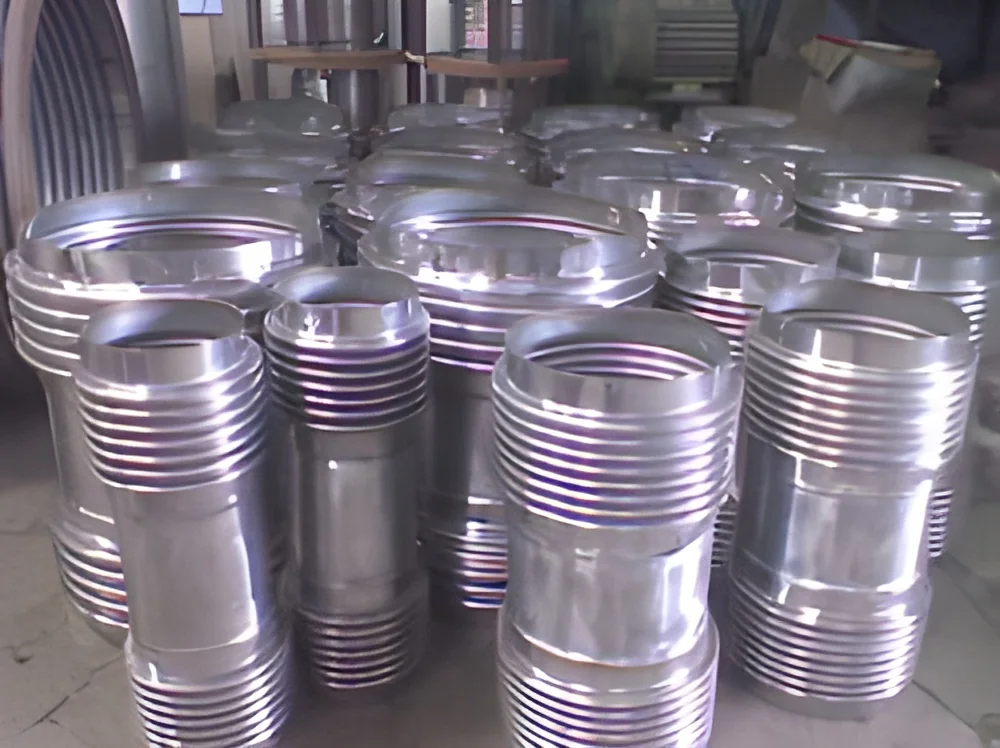
𝗪𝗵𝗮𝘁 𝗮𝗿𝗲 𝗘𝘅𝗵𝗮𝘂𝘀𝘁 𝗦𝘆𝘀𝘁𝗲𝗺 𝗣𝗮𝗿𝘁𝘀?
Exhaust system parts are components that make up the exhaust system of vehicles and industrial engines. These parts are designed to channel exhaust gases away from the engine, reduce harmful emissions, and minimize noise. The primary function of an exhaust system is to ensure that the engine operates efficiently while complying with environmental standards. Common components include exhaust manifolds, catalytic converters, mufflers, and exhaust pipes.
The primary applications of exhaust system parts are found in automotive, marine, and industrial sectors. In automotive applications, these components are essential for passenger vehicles, trucks, and buses to maintain performance and adhere to emission regulations. In marine contexts, they help in controlling emissions from boats and ships. Industrial engines also utilize exhaust system parts to manage emissions and ensure compliance with health and safety standards. The market for these components continues to grow, driven by advancements in technology and stricter regulatory frameworks.
𝗞𝗲𝘆 𝗙𝗲𝗮𝘁𝘂𝗿𝗲𝘀 𝗮𝗻𝗱 𝗦𝗽𝗲𝗰𝗶𝗳𝗶𝗰𝗮𝘁𝗶𝗼𝗻𝘀
Exhaust system parts are characterized by various features and specifications that impact their functionality and performance. Understanding these specifications is crucial for selecting the right components for specific applications.
Key specifications include:
1. Material Type
- Common materials include stainless steel and aluminized steel
- Offers durability and resistance to corrosion
2. Temperature Resistance
- Designed to withstand high-temperature exhaust gases
- Typically rated for temperatures up to 800 degrees Celsius
3. Emission Control Features
- Components often include catalytic converters for reducing harmful emissions
- Compliance with environmental regulations is standard
4. Noise Reduction Capabilities
- Mufflers are specifically engineered to minimize noise levels
- Different designs provide varying levels of sound attenuation
5. Diameter Specifications
- Available in various diameters to fit different vehicle models
- Common sizes range from 1.5 inches to 3 inches
6. Weight
- Components weigh differently based on size and material
- Lightweight options are available for performance vehicles
7. Compatibility
- Must match specific vehicle makes and models for optimal performance
- Customizable options may be available for unique applications
8. Installation Type
- Options include bolt-on and weld-on installations
- Ease of installation can vary based on design
Overall, selecting exhaust system parts involves considering these specifications to ensure optimal performance and compliance.
𝗖𝗼𝗺𝗺𝗼𝗻 𝗔𝗽𝗽𝗹𝗶𝗰𝗮𝘁𝗶𝗼𝗻𝘀 𝗮𝗻𝗱 𝗨𝘀𝗲 𝗖𝗮𝘀𝗲𝘀
Exhaust system parts are utilized across various industries, each with specific requirements and applications.
1. Automotive: Used in cars, trucks, and buses to manage exhaust flow and reduce emissions, ensuring vehicles meet government regulations.
2. Marine: Essential for boats and ships to control emissions and noise, contributing to cleaner waterways and quieter operations.
3. Industrial: Found in generators and heavy machinery, these parts help manage exhaust gases and maintain engine efficiency.
4. Construction: Equipment like excavators and bulldozers utilize exhaust systems to comply with environmental standards while operating effectively on job sites.
5. Agricultural: Tractors and other farm machinery require exhaust components to manage emissions and ensure efficient operation in diverse agricultural environments.
6. Power Generation: Diesel generators rely on exhaust system parts to output clean emissions while delivering reliable power solutions.
7. Aerospace: Certain aircraft engines use specialized exhaust components to manage high-temperature exhaust and meet strict safety regulations.
𝗣𝗿𝗼𝗱𝘂𝗰𝘁 𝗩𝗮𝗿𝗶𝗮𝗻𝘁𝘀 𝗮𝗻𝗱 𝗦𝘂𝗯𝗰𝗮𝘁𝗲𝗴𝗼𝗿𝗶𝗲𝘀
Exhaust system parts come in various forms to meet the diverse needs of different applications.
Exhaust Manifolds
These components collect exhaust gases from multiple cylinders and direct them to the exhaust system. They are typically made from cast iron or stainless steel for durability.
Catalytic Converters
Designed to reduce harmful emissions, catalytic converters are crucial for compliance with environmental regulations. They convert toxic gases into less harmful substances before they exit the exhaust system.
Mufflers
Mufflers serve to reduce engine noise while maintaining exhaust flow. Different designs cater to various sound preferences, from quiet operation to performance enhancements.
Exhaust Pipes
These pipes transport exhaust gases from the engine to the tailpipe. They come in various diameters and lengths, ensuring compatibility with different vehicle models.
𝗕𝗲𝗻𝗲𝗳𝗶𝘁𝘀 𝗮𝗻𝗱 𝗔𝗱𝘃𝗮𝗻𝘁𝗮𝗴𝗲𝘀
Sourcing high-quality exhaust system parts offers several advantages for businesses.
1. Enhanced Performance: Quality exhaust components improve engine efficiency, leading to better fuel economy and performance.
2. Emission Compliance: Using certified exhaust parts ensures adherence to environmental regulations, reducing the risk of fines and penalties.
3. Durability: High-quality materials offer greater resistance to wear and corrosion, extending the lifespan of exhaust systems.
4. Noise Control: Effective mufflers and exhaust designs significantly reduce noise pollution, contributing to a quieter environment.
5. Cost Efficiency: Investing in reliable exhaust parts can lower maintenance costs and enhance overall vehicle longevity.
6. Customization Options: Many suppliers offer tailored solutions to meet the specific needs of various industries and applications.
𝗕𝘂𝘆𝗶𝗻𝗴 𝗚𝘂𝗶𝗱𝗲 𝗳𝗼𝗿 𝗕𝟮𝗕 𝗕𝘂𝘆𝗲𝗿𝘀
When sourcing exhaust system parts, several factors should be considered to ensure the best choices for your business needs.
1. Quality Assessment: Evaluate the materials and manufacturing processes of exhaust parts. Look for certifications that indicate compliance with industry standards.
2. Supplier Verification: Conduct thorough research on suppliers. Check for reviews, testimonials, and their track record in delivering quality products.
3. Pricing and MOQ: Understand the pricing structures and minimum order quantities. Compare quotes from multiple suppliers to ensure competitive pricing.
4. Delivery and Lead Times: Assess the logistics of suppliers, including their delivery capabilities and lead times. Timely delivery is crucial for maintaining operational efficiency.
5. Compliance Requirements: Ensure that the components meet necessary regional and industry-specific regulations. This includes environmental and safety standards.
𝗖𝗼𝗺𝗽𝗹𝗶𝗮𝗻𝗰𝗲 𝗮𝗻𝗱 𝗖𝗲𝗿𝘁𝗶𝗳𝗶𝗰𝗮𝘁𝗶𝗼𝗻𝘀
Exhaust system parts must comply with various quality and safety standards to ensure they function effectively and meet regulatory requirements.
One of the key quality standards is ISO 9001, which focuses on quality management systems. Certification under this standard indicates that a supplier has robust processes in place to ensure consistent quality in their products.
Additionally, compliance with the CE mark is essential, particularly for products sold in European markets. This certification signifies that the products meet health, safety, and environmental protection standards.
Safety and testing requirements also play a crucial role in the manufacturing of exhaust system parts. These components often undergo rigorous testing to ensure they can withstand high temperatures, pressure, and corrosive environments.
Regional compliance considerations may vary, so it is crucial to understand specific regulations in your target market. This ensures that the sourced parts will be accepted and utilized without legal complications.
𝗪𝗵𝘆 𝗦𝗼𝘂𝗿𝗰𝗲 𝗘𝘅𝗵𝗮𝘂𝘀𝘁 𝗦𝘆𝘀𝘁𝗲𝗺 𝗣𝗮𝗿𝘁𝘀 𝗳𝗿𝗼𝗺 𝗣𝗲𝗽𝗮𝗴𝗼𝗿𝗮?
Pepagora offers a reliable platform for sourcing exhaust system parts, ensuring buyers have access to a wide range of quality products.
The verified supplier network at Pepagora guarantees that buyers can connect with reputable manufacturers who adhere to quality standards. This verification process helps mitigate risks associated with sourcing.
The streamlined RFQ (Request for Quotation) process simplifies the procurement experience. Buyers can easily request quotes from multiple suppliers, enabling them to compare options and make informed decisions.
Additionally, Pepagora provides trade assurance and support to its users. This includes buyer protection measures that safeguard transactions and ensure satisfaction with the sourced products.
Lastly, Pepagora's regional coverage extends across India, the GCC, and Southeast Asia. This geographic reach allows businesses to source exhaust system parts that meet local requirements while benefiting from competitive pricing and quality options.

 IN
IN