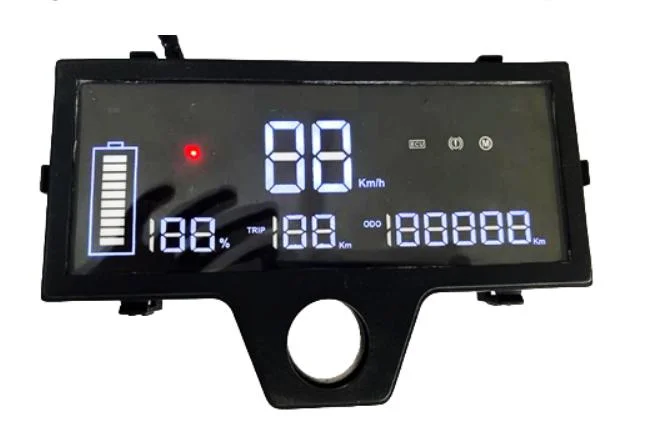
What are Dashboard & Instrument Clusters?
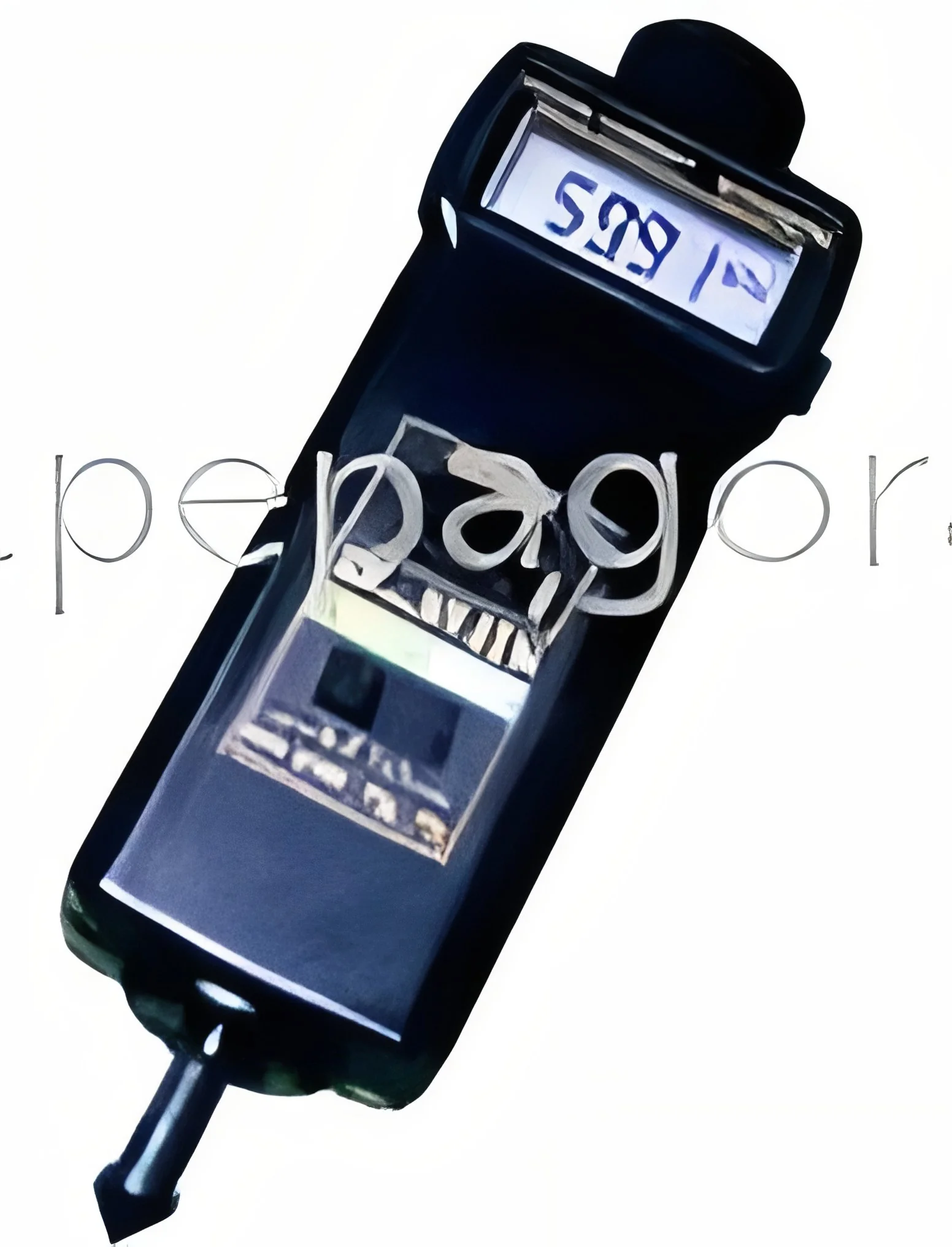
Dashboard and instrument clusters are essential components in vehicles and machinery that provide critical information to the operator. These displays present data such as speed, fuel levels, engine temperature, and other important metrics in a cohesive manner. Typically located behind the steering wheel in automobiles or in operator cabins in industrial equipment, they are designed for quick and easy readability.
The primary uses of dashboard and instrument clusters span various industries, including automotive, aerospace, and heavy machinery. Businesses rely on these displays for real-time monitoring of performance metrics, enhancing operational efficiency, and ensuring safety. As technology advances, these clusters have evolved from simple analog displays to sophisticated digital interfaces, integrating features such as GPS, connectivity, and customizable settings.
In the current market context, the demand for advanced dashboard and instrument clusters is growing. Increasing consumer expectations for technology integration in vehicles and machinery drive manufacturers to innovate. Moreover, the push for automation and smarter systems across industries further highlights the importance of these displays in providing vital operational insights.
Key Features and Specifications
Dashboard and instrument clusters come equipped with a range of features designed to meet the specific needs of various industries. These features enhance usability, improve data accuracy, and optimize performance.
Key specifications include:
1. Display Type
- Options include analog, digital, and hybrid displays.
- Each type offers different levels of clarity and information density.
2. Communication Protocols
- Can support protocols such as CAN bus, LIN, and FlexRay.
- Ensures compatibility with various vehicle and machinery systems.
3. Input Voltage Range
- Typically operates within a range of 9 to 32 volts.
- Ensures functionality across different electrical systems.
4. Environmental Resistance
- Designed to withstand extreme temperatures and humidity.
- Key for applications in harsh industrial environments.
5. Customization Options
- Ability to customize display layouts and data fields.
- Enhances user experience based on specific operational needs.
6. Connectivity Features
- May include Bluetooth, Wi-Fi, or other wireless technologies.
- Facilitates integration with mobile devices and external systems.
7. Safety Standards
- Compliant with relevant industry safety standards.
- Ensures reliability and operational integrity.
8. Size and Form Factor
- Available in various sizes to fit different applications.
- Form factors can range from compact to full-width displays.
In summary, understanding the key features and specifications of dashboard and instrument clusters is crucial for selecting the right product for your business needs.
Common Applications and Use Cases
Dashboard and instrument clusters find applications across various industries, providing critical data for operators.
1. Automotive Industry: In vehicles, these clusters display vital information such as speed, fuel efficiency, and navigation data, enhancing driver awareness and safety.
2. Aerospace Industry: In aircraft, instrument clusters provide pilots with crucial flight data, including altitude, speed, and engine performance, ensuring safe operations.
3. Heavy Machinery: In construction and agriculture, these displays help operators monitor equipment performance, optimize usage, and prevent malfunctions.
4. Marine Industry: Dashboard clusters in boats and ships relay navigation and engine data, crucial for maritime operations.
5. Medical Equipment: In healthcare, instrument clusters track machine performance and patient data, ensuring high standards of care.
6. Industrial Automation: In factories, these displays monitor machine performance and production metrics, increasing operational efficiency.
7. Public Transportation: In buses and trains, dashboards provide real-time data to drivers, improving safety and service reliability.
Product Variants and Subcategories
Dashboard and instrument clusters are diverse in design and functionality, catering to a wide range of applications.
Digital Clusters: Digital dashboards utilize high-resolution screens to display information. They offer enhanced customization options and interactive features, making them suitable for modern vehicles.
Analog Clusters: These traditional displays use mechanical gauges to present information. They are known for their simplicity and reliability, often found in older vehicles and machinery.
Hybrid Clusters: Combining both analog and digital elements, hybrid dashboards provide a balanced approach. They appeal to users who prefer the familiarity of analog gauges with the benefits of digital displays.
Benefits and Advantages
Dashboard and instrument clusters provide numerous advantages that enhance operational performance and user experience.
1. Real-Time Monitoring: Allows operators to access critical information instantaneously, improving decision-making.
2. Enhanced Safety: By providing essential data at a glance, these displays help prevent accidents and equipment failures.
3. Customization: Operators can tailor the information displayed to suit specific needs, enhancing usability.
4. Increased Efficiency: Real-time data helps optimize performance and reduce downtime.
5. Integration Capabilities: Modern clusters can connect with various systems, enabling comprehensive data analysis and monitoring.
6. User-Friendly Interfaces: Intuitive designs improve accessibility, allowing users to focus on operations rather than deciphering data.
Buying Guide for B2B Buyers
When sourcing dashboard and instrument clusters, B2B buyers should consider several critical factors to ensure they select the right products for their needs.
1. Quality Assessment: Evaluate the quality of materials and manufacturing processes. Look for suppliers that adhere to industry standards to ensure durability.
2. Supplier Verification: Conduct thorough research on potential suppliers, checking for certifications and customer reviews to confirm their reliability.
3. Pricing and MOQ: Understand the pricing structure and minimum order quantities. Compare quotes to find the best value while considering total cost of ownership.
4. Delivery and Lead Times: Factor in logistics and delivery timelines. Ensure the supplier can meet your project schedules without delays.
5. Compliance Requirements: Verify that the products meet all relevant regulatory standards and certifications, such as CE, to avoid legal issues.
Compliance and Certifications
Dashboard and instrument clusters must adhere to various quality and safety standards to ensure reliability and performance.
Relevant quality standards like ISO 9001 emphasize consistent quality management processes in manufacturing. Compliance with such standards indicates a commitment to quality and customer satisfaction.
Industry certifications, such as CE marking, are essential for products sold in the European market. They demonstrate compliance with health, safety, and environmental protection standards.
Safety and testing requirements include rigorous evaluations to ensure the clusters can withstand environmental factors and operational stresses. This is critical for applications in demanding industries like aerospace and heavy machinery.
Regional compliance considerations may also vary, requiring manufacturers to understand and navigate different regulations across markets, ensuring their products meet local requirements.
Why Source Dashboard & Instrument Clusters from Pepagora?
Pepagora offers a trusted platform for sourcing dashboard and instrument clusters, providing several key advantages that enhance the purchasing experience.
Verified Supplier Network: Pepagora has established a thorough vetting process for suppliers, ensuring that buyers are connected with reliable and quality-focused manufacturers. This network fosters trust and reduces the risk of sourcing subpar products.
Streamlined RFQ Process: The request for quotation system is designed for efficiency, allowing buyers to quickly obtain quotes from multiple suppliers. This process simplifies decision-making and fosters competitive pricing.
Trade Assurance and Support: Pepagora provides buyer protection through trade assurance policies. This feature offers peace of mind, ensuring that buyers receive the products as specified and on time.
Regional Coverage: With a strong presence in markets such as India, the Gulf Cooperation Council (GCC), and Southeast Asia, Pepagora facilitates access to a diverse range of suppliers, catering to the unique needs of businesses in different regions.
By choosing Pepagora, businesses can streamline their sourcing process while ensuring they receive high-quality dashboard and instrument clusters tailored to their specific requirements.

 IN
IN