
 IN
Fall Protection Harnesses
16 products available
What are Fall Protection Harnesses?
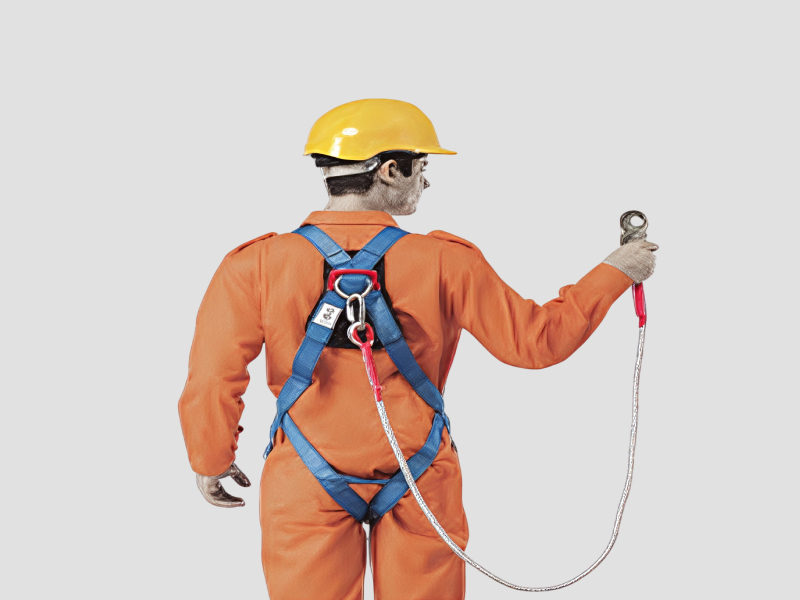
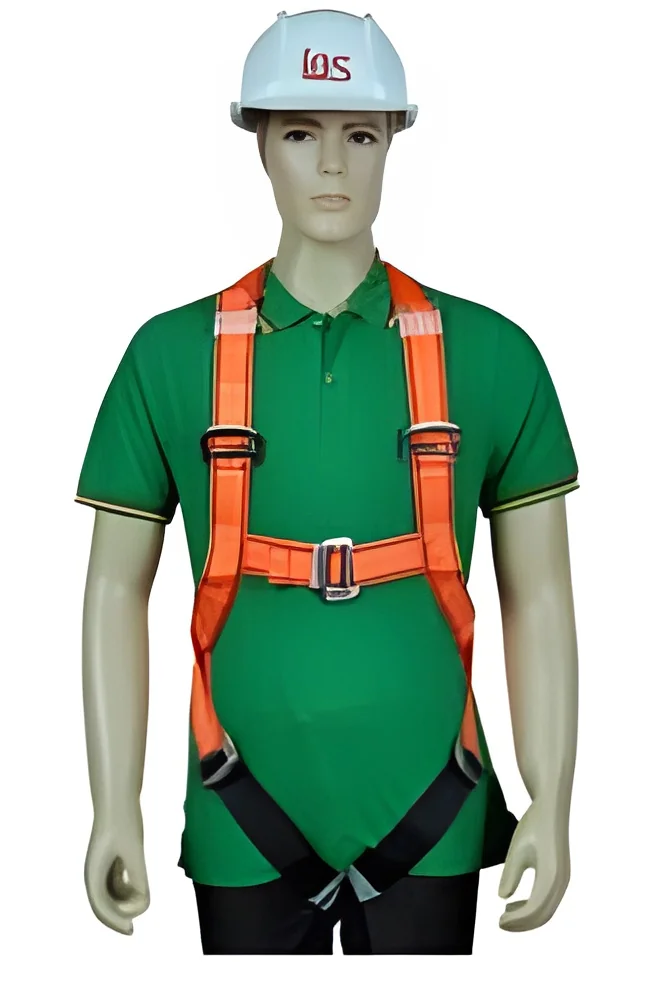
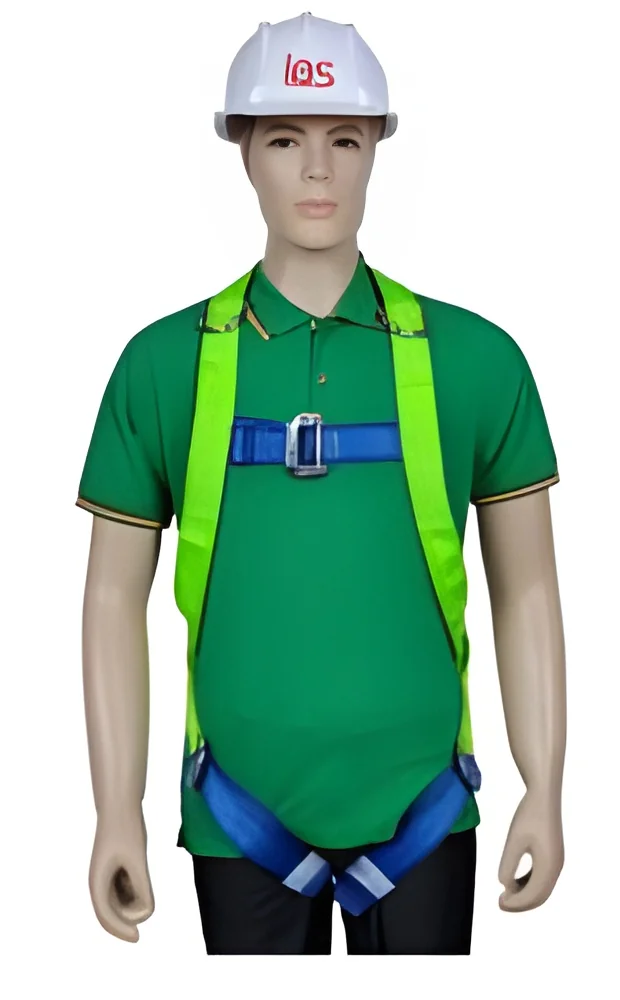
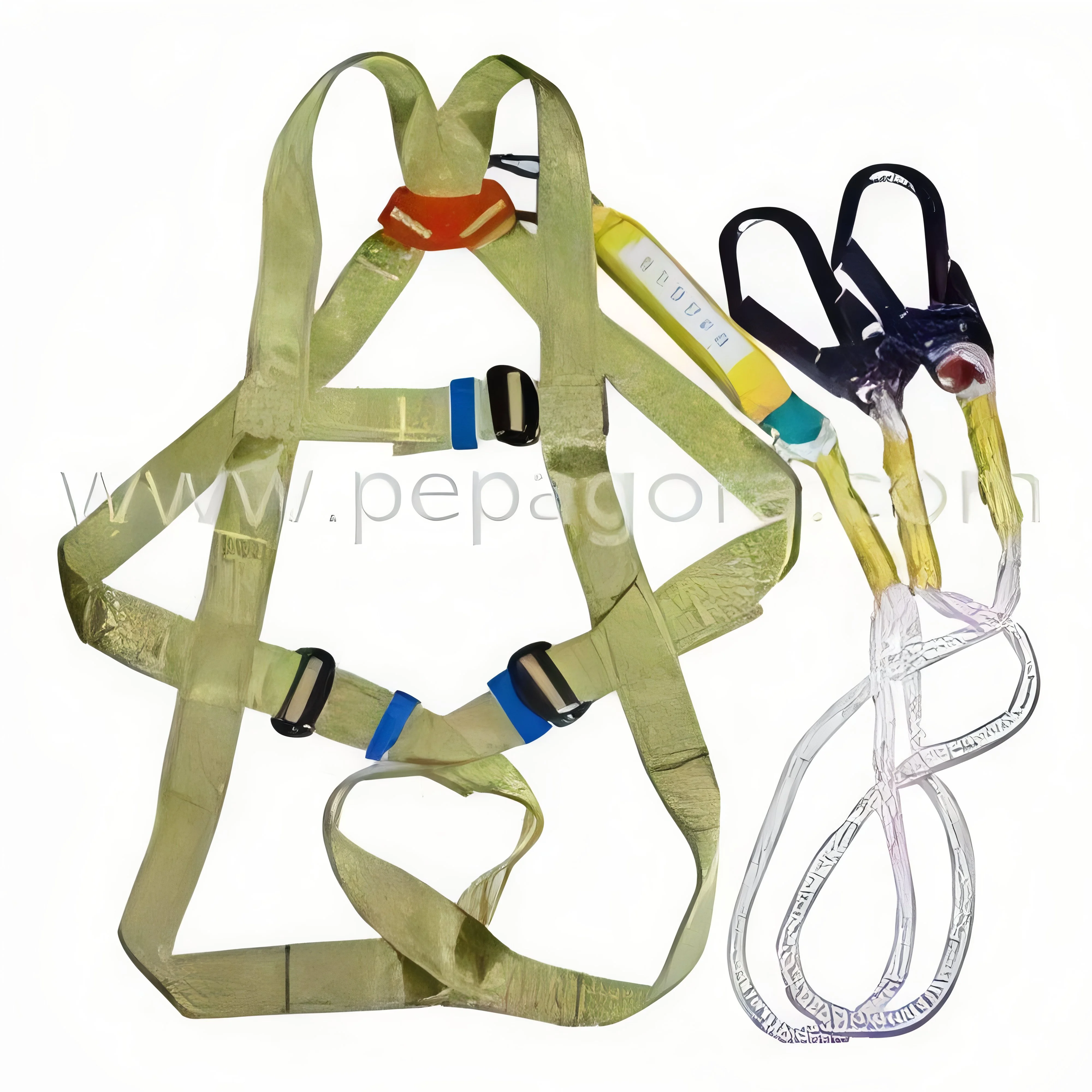
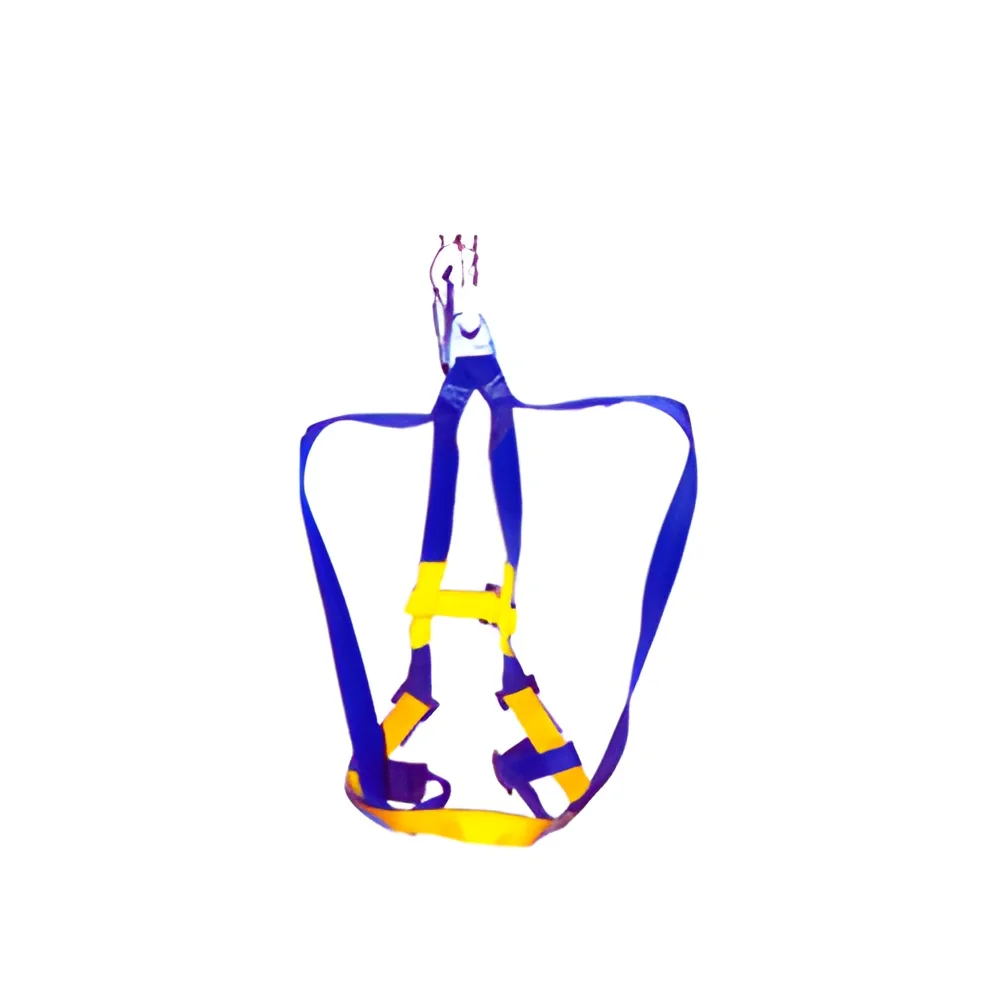
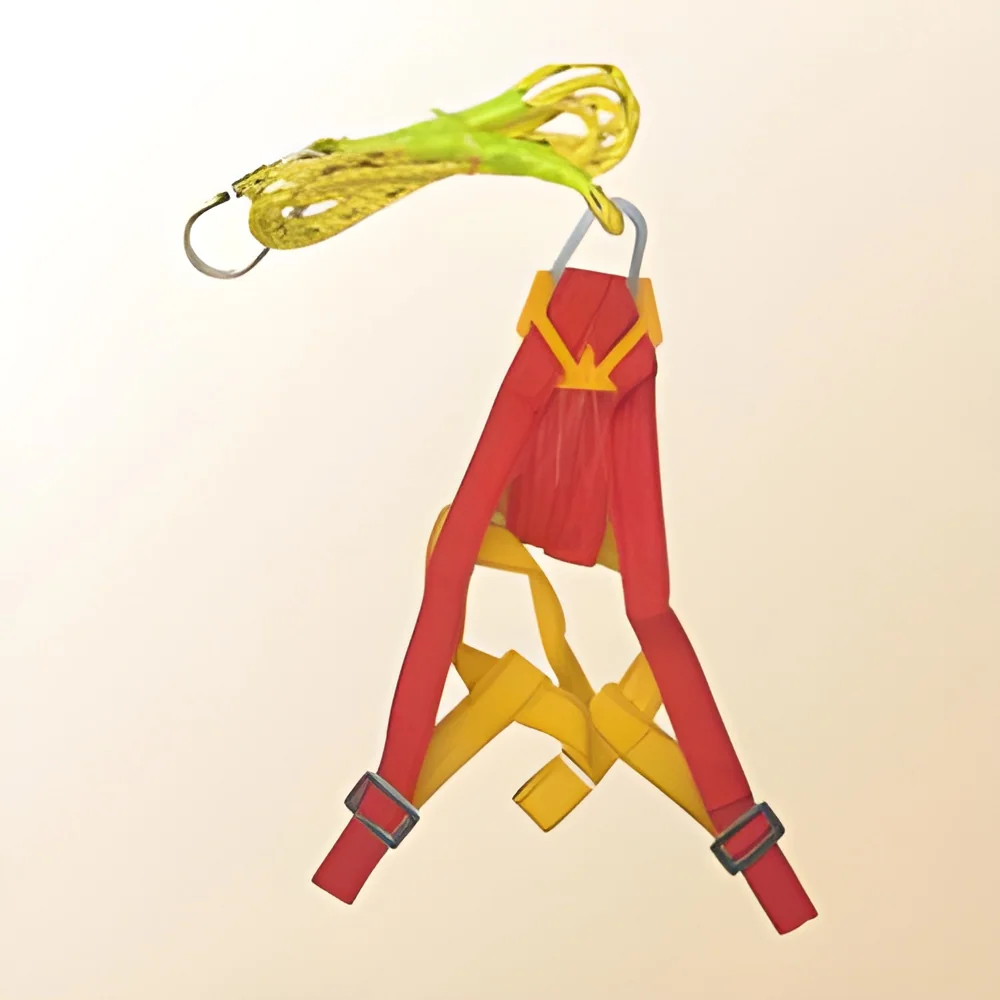
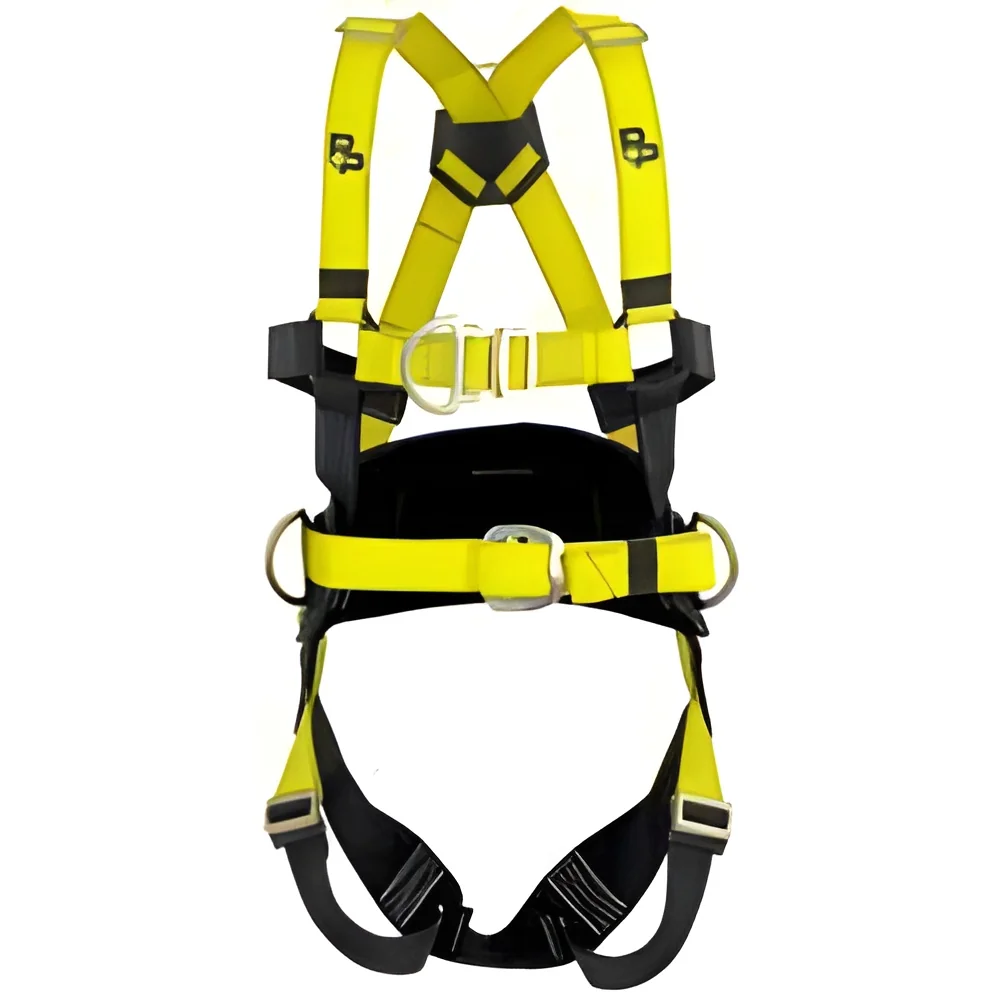
Fall protection harnesses are essential safety equipment designed to prevent falls and reduce the risk of injury for workers operating at heights. These harnesses are worn by individuals working on construction sites, industrial plants, or any elevated work environment where falls are a potential hazard. The design of a fall protection harness allows it to distribute the forces exerted in the event of a fall, ensuring that the wearer is safely secured while allowing for a degree of movement.
The primary applications of fall protection harnesses include construction, maintenance, and roofing industries, where workers often operate on scaffolding or rooftops. These harnesses are critical in ensuring compliance with safety regulations and standards set by organizations like OSHA (Occupational Safety and Health Administration). The importance of these harnesses extends beyond individual safety, as they are integral to maintaining workplace safety standards and preventing workplace accidents, ultimately protecting both workers and employers from the financial and legal implications of fall-related incidents.
Key Features and Specifications
Fall protection harnesses come with various features and specifications that ensure safety and comfort for the user. These specifications help buyers make informed decisions when selecting the appropriate harness for their specific needs.
Key specifications include:
1. Safety Rating
- Harnesses must meet specific safety standards, such as CE certification.
- The rating signifies compliance with established safety guidelines.
2. Material Composition
- Most harnesses are made from durable materials like polyester or nylon.
- These materials resist wear and tear, ensuring long-lasting use.
3. Weight Capacity
- Harnesses typically accommodate weight ranges from 130 to 310 pounds.
- This ensures that they can safely support a wide variety of users.
4. Adjustment Features
- Many harnesses come with multiple adjustment points for a secure fit.
- This customization enhances comfort and safety during use.
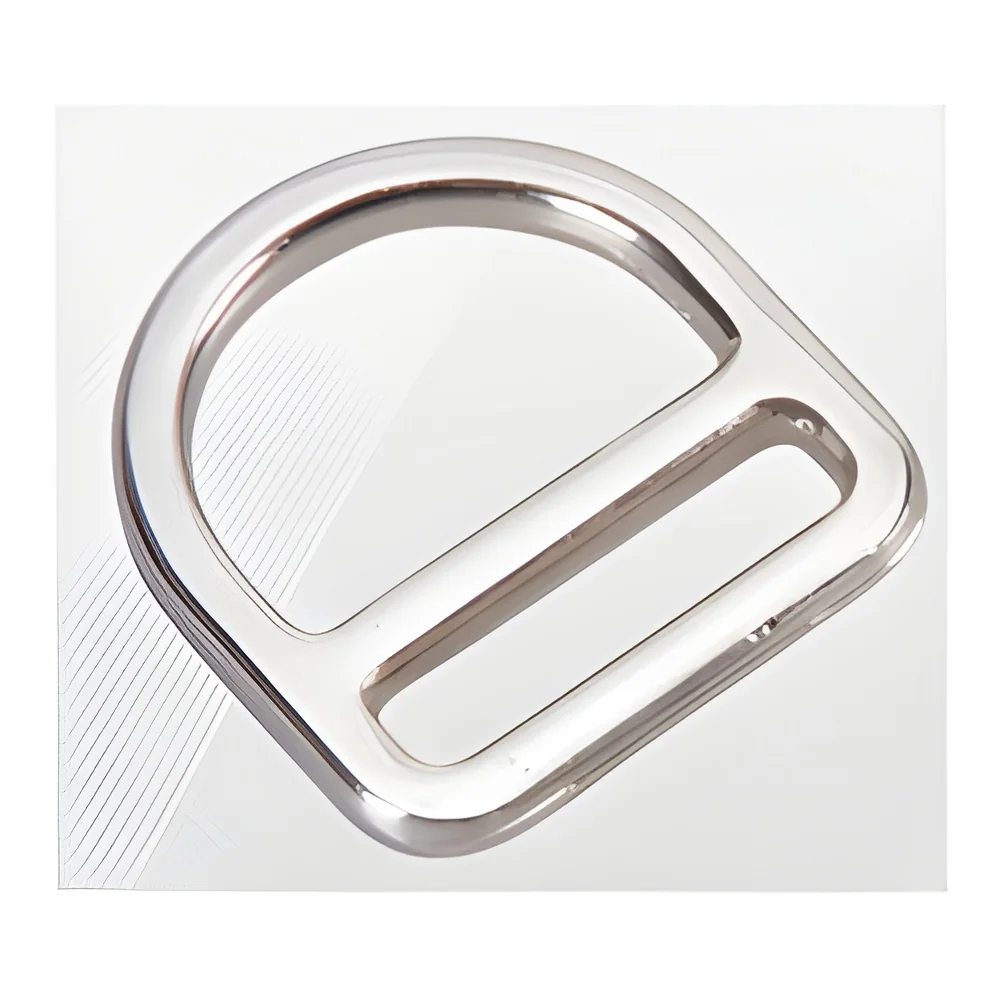
5. D-Ring Configuration
- Harnesses usually include D-rings for attachment to lanyards or lifelines.
- The placement of D-rings can vary, affecting usability and comfort.
6. Padding and Comfort Features
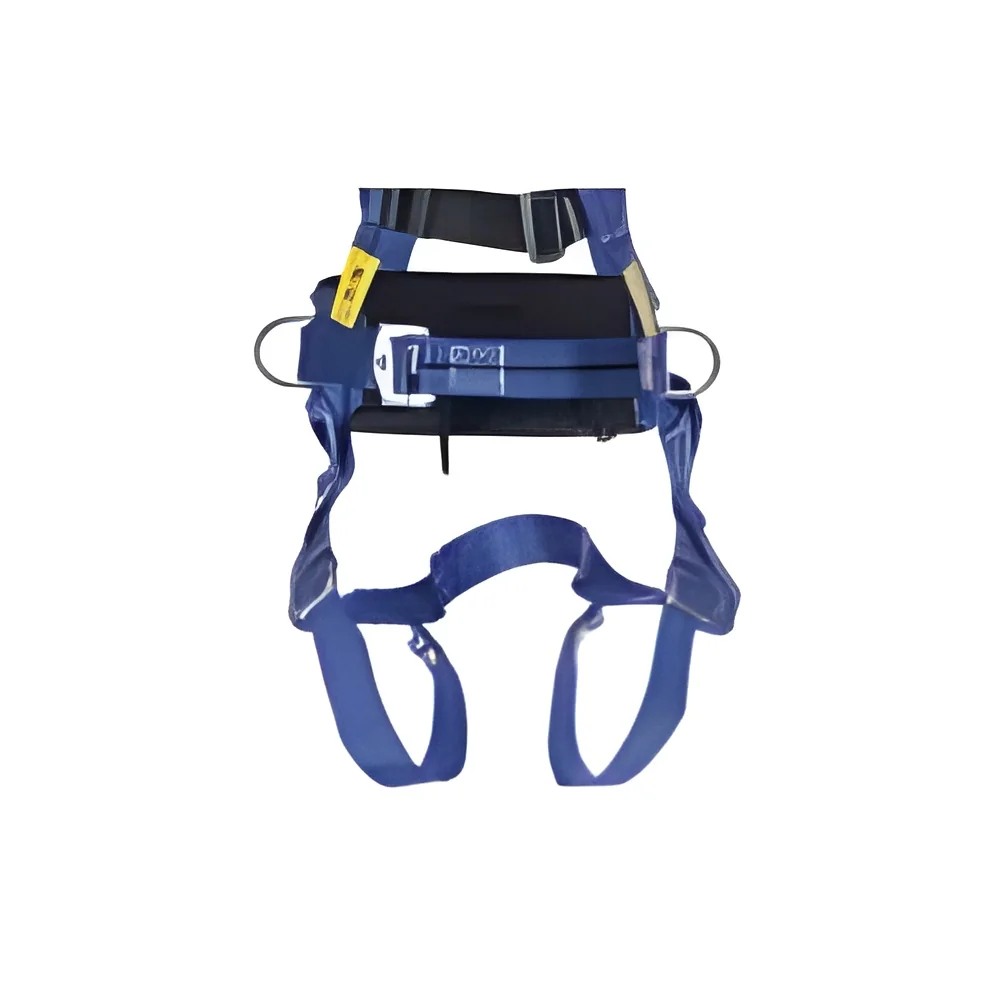
- Some harnesses include padding on the shoulders and back.
- This added comfort encourages prolonged wear during work shifts.
7. Visibility Features
- Bright colors or reflective elements may be included for increased visibility.
- This is particularly important in low-light or hazardous environments.
8. Maintenance Requirements
- Regular inspections and maintenance are crucial for ensuring safety.
- Users should follow the manufacturer's guidelines for upkeep.
Choosing the right harness based on these specifications can enhance both safety and comfort, making it easier for workers to perform their tasks effectively.
Common Applications and Use Cases
Fall protection harnesses are utilized across various industries where working at heights is a routine part of operations. Their design and functionality make them indispensable in ensuring worker safety.
1. Construction: Workers use fall protection harnesses while operating on scaffolds, roofs, and ladders, minimizing the risk of serious injuries from falls.
2. Maintenance: In facilities such as power plants and factories, technicians rely on harnesses when conducting inspections or repairs at elevated sites.
3. Roofing: Roofers wear harnesses to protect against falls while installing or repairing roofs, ensuring compliance with safety regulations.
4. Telecommunications: Technicians installing antennas and equipment on tall towers use harnesses to secure themselves against falls.
5. Oil and Gas: Workers on offshore rigs or oil platforms wear harnesses for safety while working at heights during drilling or maintenance operations.
6. Warehousing: Employees performing tasks at elevated storage locations, such as using forklifts, benefit from harnesses to prevent falls.
7. Event Setup: Workers involved in setting up stages and lighting for events often utilize harnesses when working at significant heights.
Product Variants and Subcategories
Fall protection harnesses come in various configurations, providing options to meet specific industry needs. This diversity allows businesses to select the most suitable harness for their applications.
Standard Harness
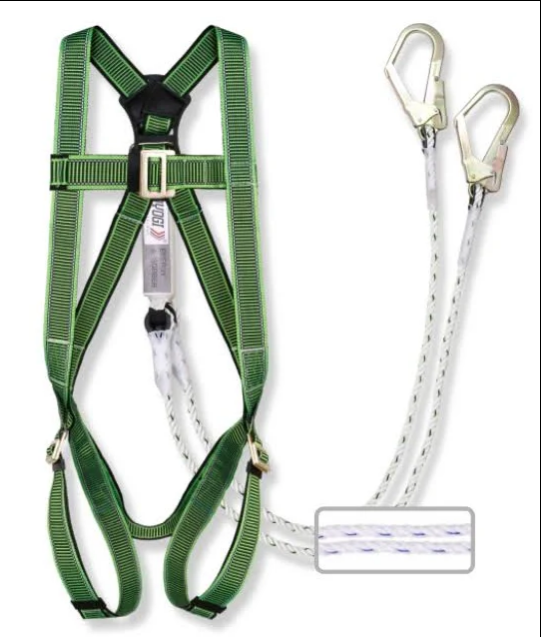
Standard harnesses are designed for general use and typically include essential features like D-rings and adjustable straps. They are versatile and suitable for many applications across different industries.
Comfort Harness
Comfort harnesses are equipped with additional padding and ergonomic designs to enhance user experience. They are ideal for tasks requiring extended wear, as they minimize discomfort during long work shifts.
Rescue Harness
Rescue harnesses are specifically designed for emergency situations, allowing for quick attachment and ease of use. They are often utilized by first responders and rescue teams when performing high-angle rescues.
Benefits and Advantages
Investing in quality fall protection harnesses offers numerous advantages for businesses concerned about worker safety.
1. Enhanced Safety: Harnesses significantly reduce the risk of severe injuries or fatalities resulting from falls, ensuring a safer work environment.
2. Compliance with Regulations: Utilizing fall protection harnesses helps businesses comply with OSHA and other safety regulations, avoiding potential fines.
3. Increased Productivity: Workers feel more secure when wearing harnesses, allowing them to focus on tasks without the distraction of safety concerns.
4. Versatility: Many harnesses are suitable for various applications, making them a valuable asset in multiple industries.
5. Improved Comfort: Modern harnesses are designed with comfort features that allow for extended wear without compromising safety.
6. Peace of Mind: Employers can promote a culture of safety by equipping their teams with reliable fall protection harnesses, fostering trust and morale.
Buying Guide for B2B Buyers
When sourcing fall protection harnesses, it is essential for businesses to consider several factors to ensure they select the right products for their needs.
1. Quality Assessment: Buyers should evaluate the quality of the harnesses, including material durability and safety ratings. Researching product reviews and certifications can aid in this process.
2. Supplier Verification: It is crucial to vet suppliers to ensure they provide reliable products. Checking their reputation and customer feedback can assist in identifying trustworthy suppliers.
3. Pricing and MOQ: Understanding the pricing structure and minimum order quantities (MOQs) is vital for budgeting purposes. Buyers should compare quotes from multiple suppliers to find the best deal.
4. Delivery and Lead Times: Inquire about delivery schedules and lead times to ensure that the harnesses arrive when needed. Timely delivery is crucial for maintaining operational efficiency.
5. Compliance Requirements: Ensure that the harnesses meet industry-specific compliance and safety standards. This may include certifications from recognized bodies such as CE.
Compliance and Certifications
Fall protection harnesses must adhere to various quality standards and certifications to ensure safety and reliability. Compliance with these standards is critical for businesses that prioritize worker protection.
ISO 9001 is a quality management standard that outlines criteria for an effective quality management system. Harness manufacturers that comply with ISO 9001 demonstrate their commitment to quality and continuous improvement.
CE certification signifies that the product meets European safety, health, and environmental protection standards. This certification is crucial for harnesses sold in the European market, ensuring they are safe for use.
Safety and testing requirements are also paramount, as fall protection harnesses undergo rigorous testing to ensure they can withstand forces exerted during a fall. Manufacturers must provide documentation of these tests to confirm compliance.
Additionally, regional compliance considerations may vary depending on local regulations. Buyers should ensure that the harnesses they purchase meet the specific safety regulations of their operating regions.
Why Source Fall Protection Harnesses from Pepagora?
Pepagora offers a trusted platform for sourcing fall protection harnesses with several key advantages that make it a preferred choice for B2B buyers.
Verified Supplier Network: Pepagora connects buyers with a network of verified suppliers who have undergone rigorous checks. This ensures that the products sourced are of high quality and meet industry standards.
Streamlined RFQ Process: The request for quotation (RFQ) process on Pepagora is designed to be efficient, allowing buyers to easily compare quotes from multiple suppliers. This saves time and simplifies the purchasing process.
Trade Assurance and Support: Buyers on Pepagora benefit from trade assurance policies that provide protection during transactions. This support helps mitigate risks associated with purchasing products online.
Regional Coverage: Pepagora's platform extends across regions such as India, GCC, and Southeast Asia, providing a broad reach for businesses looking to source fall protection harnesses. This geographic coverage ensures that buyers can find suppliers that cater to their specific needs, regardless of location.


 India
 India
 India
 India
 India

 India
 India

 India
Frequently Asked Questions
What are Fall Protection Harnesses?
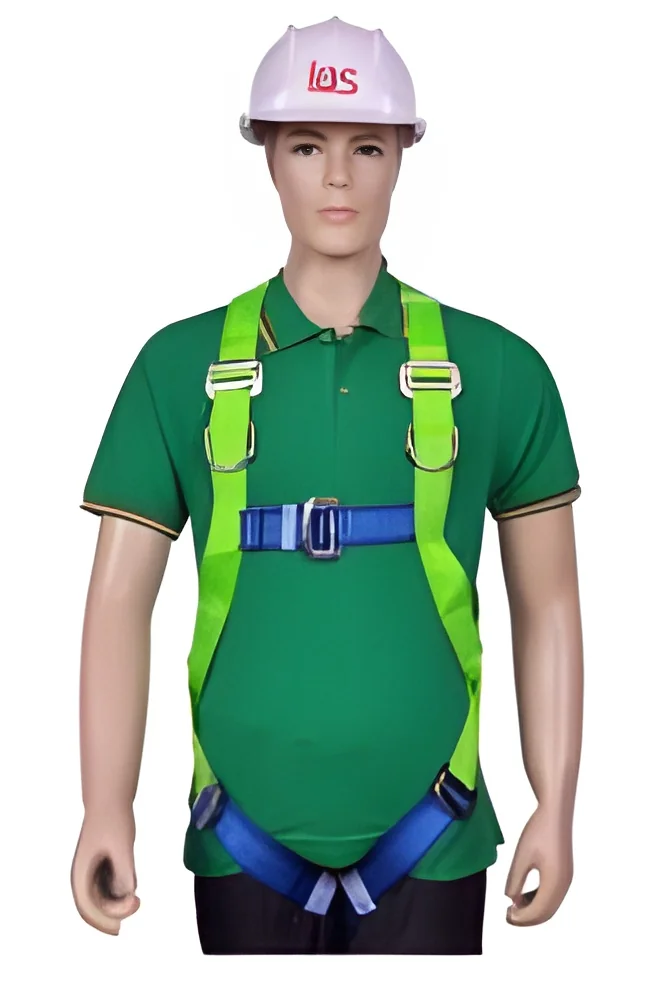
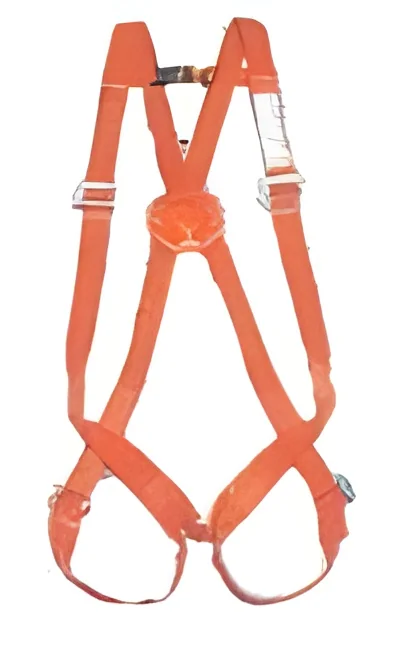
Fall protection harnesses are safety devices designed to secure a person working at heights and prevent falls. They are typically made from durable materials and are worn over the shoulders, around the waist, and between the legs to provide full support and safety during work at elevated locations.
What are the different types of Fall Protection Harnesses?
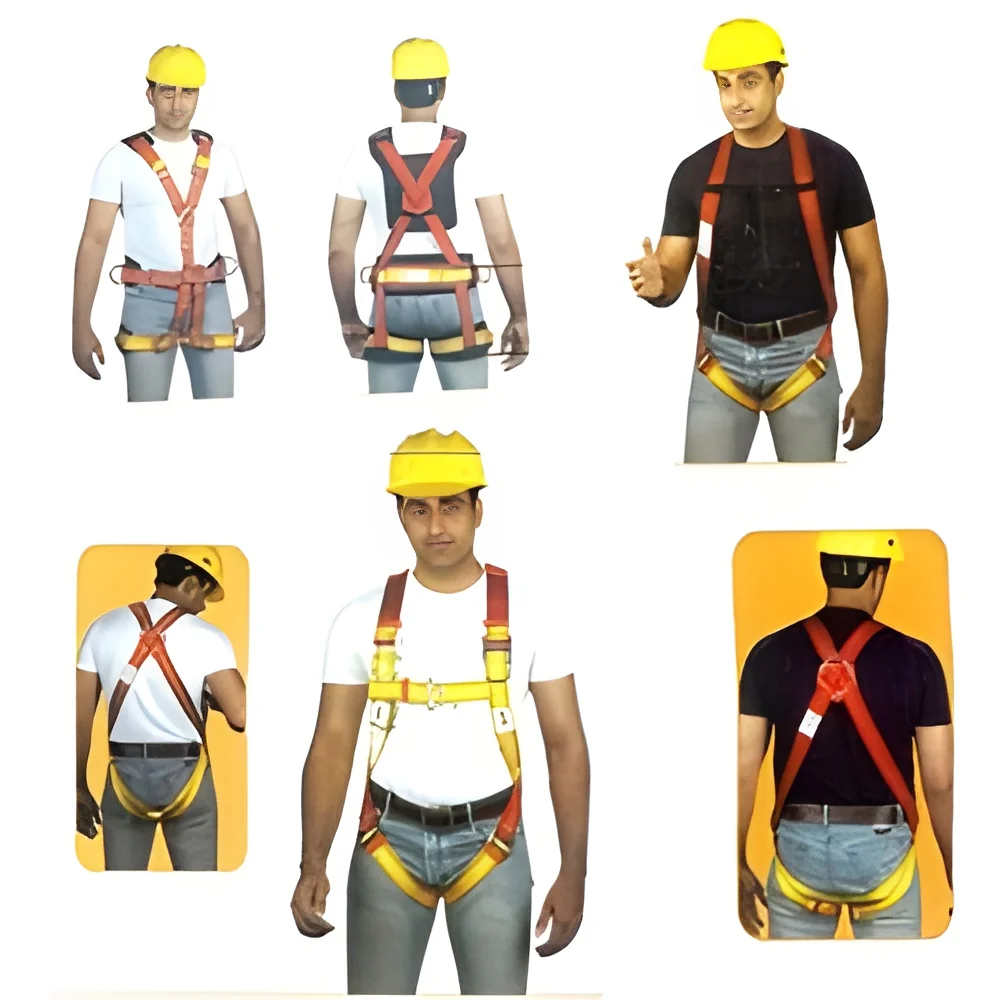
There are several types of fall protection harnesses, including full-body harnesses, vest-style harnesses, and seat harnesses. Each type is designed for specific applications and comfort levels, with full-body harnesses being the most common for general use in construction and industrial work.
How do I choose the right Fall Protection Harnesses?
Choosing the right fall protection harness involves considering factors such as the type of work, the environment, and user comfort. It is important to assess the harness's weight capacity, adjustability, and compatibility with other safety equipment to ensure optimal protection.
What are the standard specifications for Fall Protection Harnesses?
Standard specifications for fall protection harnesses typically include compliance with safety regulations, such as those set by the American National Standards Institute (ANSI) or the Occupational Safety and Health Administration (OSHA). Key specifications include weight capacity, material strength, and the presence of attachment points for lanyards or lifelines.
What is the price range for Fall Protection Harnesses?
The price range for fall protection harnesses can vary widely based on the type, manufacturer, and features. Generally, prices can range from ₹1,500 to ₹10,000 or more, depending on the quality and specifications of the harness.
What quality standards apply to Fall Protection Harnesses?
Fall protection harnesses must adhere to quality standards set by organizations such as ANSI, OSHA, and the International Organization for Standardization (ISO). These standards ensure that the harnesses are tested for safety, durability, and performance under various conditions.
Where can I find Fall Protection Harnesses suppliers in India?
You can find fall protection harnesses suppliers in India through online B2B marketplaces like Pepagora.com, trade shows, and industry-specific directories. It is advisable to compare multiple suppliers to evaluate their offerings, certifications, and customer reviews.
Can Fall Protection Harnesses be customized?
Yes, many manufacturers offer customization options for fall protection harnesses to meet specific user needs. Customizations may include adjustments in size, color, additional features, or branding options, depending on the supplier.
What is the typical minimum order quantity for Fall Protection Harnesses?
The typical minimum order quantity (MOQ) for fall protection harnesses can vary among suppliers, often ranging from 10 to 50 units. It is important to check with individual suppliers for their specific MOQ requirements.
What is the typical lead time for Fall Protection Harnesses?
The typical lead time for fall protection harnesses can range from 2 to 6 weeks, depending on the supplier, customizations, and order quantity. It is advisable to confirm the estimated delivery time with the supplier when placing an order.
Why Businesses Trust Pepagora
Thousands of companies trust Pepagora to source smarter and sell faster
Expand Your Sales Globally

Source Smarter,Grow Faster
