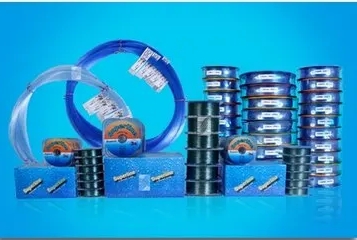
What are Export Grade Fisheries Equipment Suppliers?
Export Grade Fisheries Equipment Suppliers provide essential tools and machinery for the fishing and aquaculture industries. These suppliers specialize in high-quality equipment designed to meet rigorous international standards. Their products facilitate various processes, including the capture, processing, and packaging of seafood. Export grade equipment is crucial for businesses aiming to comply with global quality norms and regulations.
The primary uses of export grade fisheries equipment include enhancing operational efficiency, ensuring product quality, and maintaining safety standards during seafood handling. Companies involved in fishing, processing plants, and aquaculture farms rely on these suppliers to deliver reliable and durable equipment that supports their production needs. With the rising demand for seafood both domestically and globally, the relevance of these suppliers in the industry cannot be overstated.
In the current market context, export grade fisheries equipment is increasingly important as countries enforce stricter food safety regulations. Suppliers that can provide certified and compliant equipment are in high demand. As seafood consumption continues to grow worldwide, businesses are recognizing the value of investing in premium equipment to stay competitive.
Key Features and Specifications
Export grade fisheries equipment is characterized by several key features that enhance performance and reliability. Suppliers often offer equipment with specifications tailored to meet the needs of diverse fishing operations.
Key specifications include:
1. Material Quality
- Typically constructed from stainless steel or corrosion-resistant materials
- Ensures longevity and resistance to harsh marine environments
2. Capacity
- Varies depending on the type of equipment
- Can range from small-scale units for local fishers to large industrial setups for processing plants
3. Compliance with International Standards
- Must meet quality standards such as ISO 9001 and HACCP
- Ensures safety and hygiene in seafood processing
4. Energy Efficiency
- Many pieces of equipment are designed to minimize energy consumption
- Reduces operational costs and environmental impact
5. User-Friendly Design
- Equipment often features ergonomic designs for ease of use
- Simplifies training for operators and enhances workplace safety
6. Maintenance Requirements
- Typically designed for easy maintenance and cleaning
- Reduces downtime and operational disruptions
7. Customization Options
- Some suppliers offer customization to meet specific operational needs
- Enhances functionality and efficiency in various applications
8. Technological Integration
- Advanced features may include monitoring systems for temperature and humidity
- Supports compliance with safety regulations
In summary, the key features and specifications of export grade fisheries equipment are focused on quality, efficiency, and compliance, making them vital for businesses in the fishing and aquaculture sectors.
Common Applications and Use Cases
Export grade fisheries equipment serves various industries, each with specific applications that enhance productivity and compliance.
1. Commercial Fishing: Equipment is used for fish capture, ensuring that operations adhere to safety and quality standards during the fishing process.
2. Aquaculture: Suppliers provide tools for breeding and raising fish in controlled environments, emphasizing sustainability and biosecurity.
3. Seafood Processing: Equipment is critical for cleaning, filleting, and packaging seafood, ensuring that products meet hygiene and safety regulations.
4. Cold Chain Logistics: Equipment helps maintain the cold chain during transportation of seafood, preserving freshness and quality.
5. Research and Development: Specialized equipment is used in laboratories to study fish health and breeding, contributing to advancements in aquaculture practices.
6. Retail and Distribution: Suppliers offer display and storage solutions that keep seafood fresh for consumers, meeting market demand for quality products.
7. Environmental Monitoring: Equipment is used to monitor water quality and environmental conditions, ensuring sustainable practices in fishing and aquaculture.
Product Variants and Subcategories
Export grade fisheries equipment encompasses a range of products tailored to diverse operational needs. The variety available allows businesses to select equipment that best fits their requirements.
Fish Processing Machines: These machines are designed for efficient filleting, skinning, and packaging of fish. They enhance productivity and ensure product quality.
Aquaculture Systems: These systems include tanks and filtration equipment designed for fish farming. They support optimal growth conditions for aquatic species.
Fishing Gear: This includes nets, traps, and other tools used in commercial fishing. Quality gear is essential for effective and sustainable fishing practices.
Refrigeration Units: These units are crucial for storing and transporting seafood. They help maintain product freshness and comply with safety standards.
Benefits and Advantages
Sourcing export grade fisheries equipment offers numerous advantages to businesses in the fishing and aquaculture industries.
Key benefits include:
1. Enhanced Quality Control: Equipment meets international quality standards, ensuring product safety and reliability.
2. Increased Efficiency: High-performance equipment streamlines operations, reducing time and labor costs.
3. Compliance Assurance: Suppliers provide equipment that adheres to strict regulatory requirements, minimizing the risk of penalties.
4. Durability: Built from high-quality materials, export grade equipment is designed to withstand challenging marine environments, ensuring a longer lifespan.
5. Cost-Effectiveness: Investing in quality equipment can lead to lower maintenance costs and reduced operational downtime.
6. Customization Flexibility: Many suppliers offer tailored solutions, allowing businesses to address specific operational needs effectively.
Buying Guide for B2B Buyers
When sourcing export grade fisheries equipment suppliers, it is essential to consider several key factors to ensure informed decisions.
1. Quality Assessment: Evaluate the quality of equipment based on material, design, and compliance with international standards. Look for certifications that confirm adherence to safety practices.
2. Supplier Verification: Conduct thorough research to verify the credibility of suppliers. Check for reviews, past performance, and their ability to meet delivery timelines.
3. Pricing and MOQ: Understand the pricing structure and minimum order quantities. Ensure that the costs align with your budget while considering the value offered.
4. Delivery and Lead Times: Confirm the supplier's ability to meet your delivery requirements. Timely delivery is crucial for maintaining operational efficiency.
5. Compliance Requirements: Ensure that the equipment meets all relevant regulatory standards. Familiarize yourself with local and international compliance needs to avoid legal issues.
Compliance and Certifications
Compliance and certifications are critical in the fisheries equipment sector. Suppliers must adhere to several quality standards to ensure their products are safe and effective.
Relevant quality standards include ISO 9001, which sets the framework for quality management systems, and HACCP, focusing on food safety through risk analysis and control.
Industry certifications such as CE mark compliance indicate that products meet European safety, health, and environmental protection standards. This certification is important for suppliers targeting international markets.
Safety and testing requirements are also crucial for fisheries equipment. Rigorous testing ensures that products can withstand the demands of the fishing industry while maintaining safety for operators and consumers.
Additionally, regional compliance considerations must be addressed. Suppliers should be aware of local regulations that may affect equipment design and functionality.
Why Source Export Grade Fisheries Equipment Suppliers from Pepagora?
Pepagora provides a trusted platform for sourcing export grade fisheries equipment suppliers, offering several key advantages for B2B buyers.
Verified Supplier Network: Pepagora ensures that all suppliers in its network undergo a stringent verification process, offering buyers peace of mind regarding quality and reliability.
Streamlined RFQ Process: The platform simplifies the request for quotation process, enabling buyers to quickly obtain competitive pricing and product information from multiple suppliers.
Trade Assurance and Support: Buyers benefit from trade assurance programs that protect their purchases, ensuring that they receive the quality they paid for and facilitating dispute resolution if necessary.
Regional Coverage: Pepagora has a wide geographic reach, covering markets in India, GCC, and Southeast Asia. This broad network allows buyers to connect with local suppliers that understand their specific market needs.
Using Pepagora, businesses can efficiently navigate the procurement process for export grade fisheries equipment, ensuring they find the best solutions for their operational requirements.

 IN
IN

 India
India