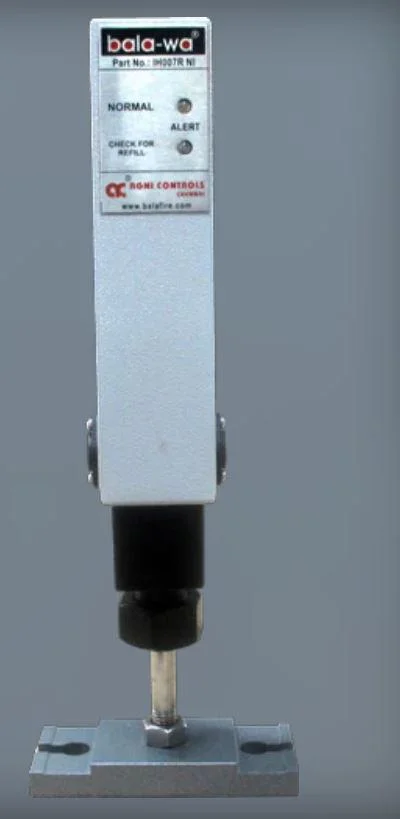
𝗪𝗵𝗮𝘁 𝗮𝗿𝗲 𝗔𝘂𝘁𝗼𝗺𝗮𝘁𝗲𝗱 𝗠𝗼𝗻𝗶𝘁𝗼𝗿𝗶𝗻𝗴 𝗗𝗲𝘃𝗶𝗰𝗲𝘀?
Automated Monitoring Devices are advanced systems designed to continuously oversee various environmental parameters, ensuring optimal conditions in industrial settings. These devices utilize sensors and software to collect real-time data on factors such as temperature, humidity, and other critical variables. By automating the monitoring process, businesses can enhance accuracy, efficiency, and responsiveness to any fluctuations that may occur.
The primary uses of Automated Monitoring Devices span across numerous sectors, including pharmaceuticals, food processing, and manufacturing. In these industries, maintaining specific environmental conditions is crucial for product integrity and safety. For instance, pharmaceutical manufacturers rely on these devices to ensure that temperature-sensitive medications are stored correctly. Similarly, food processors use them to monitor storage conditions, preventing spoilage and ensuring compliance with health regulations.
The relevance of Automated Monitoring Devices in the current market is significant, given the increasing demand for precision and compliance. As industries face stricter regulatory requirements, these devices help businesses adhere to standards while optimizing resource management. The growth of the Internet of Things (IoT) further drives innovation in this space, making automated monitoring solutions more accessible and effective.
𝗞𝗲𝘆 𝗙𝗲𝗮𝘁𝘂𝗿𝗲𝘀 𝗮𝗻𝗱 𝗦𝗽𝗲𝗰𝗶𝗳𝗶𝗰𝗮𝘁𝗶𝗼𝗻𝘀
Automated Monitoring Devices come equipped with various features that enhance their functionality and effectiveness. These specifications are critical for businesses seeking reliable monitoring solutions.
Key specifications include:
1. Monitoring Features
- Continuous data collection and analysis
- Alerts for deviations from set parameters
2. Temperature Range
- Designed to operate within a specific temperature range
- Ensures optimal conditions for sensitive products
3. Humidity Control
- Monitors and controls humidity levels
- Prevents damage to products sensitive to moisture
4. Data Logging
- Stores historical data for analysis and reporting
- Enhances traceability and compliance with regulations
5. Connectivity
- Supports wireless communication for remote monitoring
- Compatible with various IoT platforms
6. User Interface
- Easy-to-navigate interface for real-time monitoring
- Customizable dashboards for specific user needs
7. Power Supply
- Options for battery-operated or direct power supply
- Ensures uninterrupted monitoring in various scenarios
8. Compliance with Standards
- Meets industry standards such as CE certification
- Ensures reliability and safety in usage
These features collectively enhance the utility of Automated Monitoring Devices, making them an essential tool for modern industries.
𝗖𝗼𝗺𝗺𝗼𝗻 𝗔𝗽𝗽𝗹𝗶𝗰𝗮𝘁𝗶𝗼𝗻𝘀 𝗮𝗻𝗱 𝗨𝘀𝗲 𝗖𝗮𝘀𝗲𝘀
Automated Monitoring Devices serve a multitude of industries, each benefiting from their unique capabilities.
1. Pharmaceuticals: These devices are crucial for monitoring the storage conditions of medications, ensuring that temperature and humidity levels are consistently maintained to preserve product integrity.
2. Food Processing: In this industry, automated monitoring is vital for tracking the conditions during production and storage, helping to prevent spoilage and comply with health regulations.
3. Manufacturing: Manufacturers utilize these devices to monitor critical processes, ensuring that machinery operates within optimal conditions to enhance product quality and reduce downtime.
4. Agriculture: Automated monitoring helps farmers track environmental conditions, improving crop management and yield while minimizing resource use.
5. Healthcare: Hospitals and laboratories use these devices for monitoring critical environments, such as blood storage and laboratory conditions, ensuring patient safety and compliance with regulations.
6. Warehousing: In logistics, these devices help monitor temperature-sensitive goods, ensuring that products remain within safe conditions throughout the supply chain.
7. Data Centers: Automated monitoring is used to maintain optimal conditions for IT equipment, preventing overheating and ensuring operational continuity.
𝗣𝗿𝗼𝗱𝘂𝗰𝘁 𝗩𝗮𝗿𝗶𝗮𝗻𝘁𝘀 𝗮𝗻𝗱 𝗦𝘂𝗯𝗰𝗮𝘁𝗲𝗴𝗼𝗿𝗶𝗲𝘀
Automated Monitoring Devices come in various forms, each designed for specific applications and environments.
Variant 1: Temperature Monitoring Devices
These devices focus on tracking temperature levels in critical environments. They often feature alarms and alerts for any deviations, ensuring prompt action can be taken.
Variant 2: Humidity Monitoring Devices
Designed to measure and control humidity, these devices are essential in storage and production environments where moisture levels need to be regulated.
Variant 3: Multi-parameter Monitoring Devices
These comprehensive devices can monitor multiple environmental factors simultaneously, providing a holistic view of conditions in various settings.
Variant 4: Wireless Monitoring Systems
These systems offer the convenience of remote monitoring, allowing users to access data from any location, enhancing flexibility and responsiveness.
𝗕𝗲𝗻𝗲𝗳𝗶𝘁𝘀 𝗮𝗻𝗱 𝗔𝗱𝘃𝗮𝗻𝘁𝗮𝗴𝗲𝘀
Automated Monitoring Devices offer several key benefits that enhance operational efficiency and compliance.
1. Improved Accuracy: By automating the monitoring process, these devices reduce human error, ensuring precise data collection and reporting.
2. Enhanced Compliance: Businesses can better adhere to industry regulations, as automated systems provide consistent monitoring and data logging for compliance audits.
3. Increased Efficiency: Automated monitoring minimizes the need for manual checks, allowing staff to focus on other critical tasks while ensuring conditions are continuously tracked.
4. Cost Savings: By preventing spoilage and ensuring optimal conditions, these devices can save businesses significant costs related to product loss and regulatory fines.
5. Real-time Alerts: The ability to receive immediate notifications about deviations allows for prompt corrective actions, reducing potential risks.
6. Data Accessibility: Historical data logging provides valuable insights for analysis and reporting, aiding in decision-making processes.
𝗕𝘂𝘆𝗶𝗻𝗴 𝗚𝘂𝗶𝗱𝗲 𝗳𝗼𝗿 𝗕𝟮𝗕 𝗕𝘂𝘆𝗲𝗿𝘀
When sourcing Automated Monitoring Devices, several factors should be considered to ensure the right choice for your business needs.
1. Quality Assessment: Evaluate the quality of devices by checking certifications and performance reviews. Look for products that meet industry standards and have a proven track record.
2. Supplier Verification: Ensure that suppliers are reputable and have a history of providing reliable products. Confirm their compliance with necessary certifications and industry standards.
3. Pricing and MOQ: Understand the pricing structure and minimum order quantities. Compare costs among suppliers to ensure you are getting the best value for your investment.
4. Delivery and Lead Times: Assess the supplier's logistics capabilities, including delivery times and shipping options. Timely delivery is crucial for maintaining operational workflows.
5. Compliance Requirements: Be aware of the regulatory standards applicable in your industry. Ensure that the devices you choose meet these compliance requirements to avoid future issues.
𝗖𝗼𝗺𝗽𝗹𝗶𝗮𝗻𝗰𝗲 𝗮𝗻𝗱 𝗖𝗲𝗿𝘁𝗶𝗳𝗶𝗰𝗮𝘁𝗶𝗼𝗻𝘀
Automated Monitoring Devices must adhere to various quality standards and certifications to ensure reliability and safety in their applications.
Relevant quality standards, such as ISO 9001, ensure that manufacturers maintain high-quality processes in production. Compliance with industry certifications, like CE, verifies that products meet European safety standards.
Safety and testing requirements are critical, especially in sectors such as pharmaceuticals and food processing, where improper monitoring can lead to significant risks. It is essential to verify that devices undergo rigorous testing for durability and performance.
Additionally, regional compliance considerations may vary, requiring businesses to stay informed about local regulations and standards that may impact the use of monitoring devices in their operations.
𝗪𝗵𝘆 𝗦𝗼𝘂𝗿𝗰𝗲 𝗔𝘂𝘁𝗼𝗺𝗮𝘁𝗲𝗱 𝗠𝗼𝗻𝗶𝘁𝗼𝗿𝗶𝗻𝗴 𝗗𝗲𝘃𝗶𝗰𝗲𝘀 𝗳𝗿𝗼𝗺 𝗣𝗲𝗽𝗮𝗴𝗼𝗿𝗮?
Pepagora provides a trusted platform for sourcing Automated Monitoring Devices with several key advantages.
Verified Supplier Network: The platform features a network of suppliers who undergo thorough verification processes to ensure they meet industry standards and provide high-quality products.
Streamlined RFQ Process: Pepagora simplifies the request for quotation process, allowing businesses to efficiently obtain pricing and product information from multiple suppliers in one place.
Trade Assurance and Support: Buyers are protected through trade assurance policies that safeguard their transactions, ensuring peace of mind when sourcing products.
Regional Coverage: Pepagora's extensive reach across India, the GCC, and Southeast Asia enables businesses to connect with suppliers locally, enhancing accessibility and support for their monitoring needs.

 IN
IN