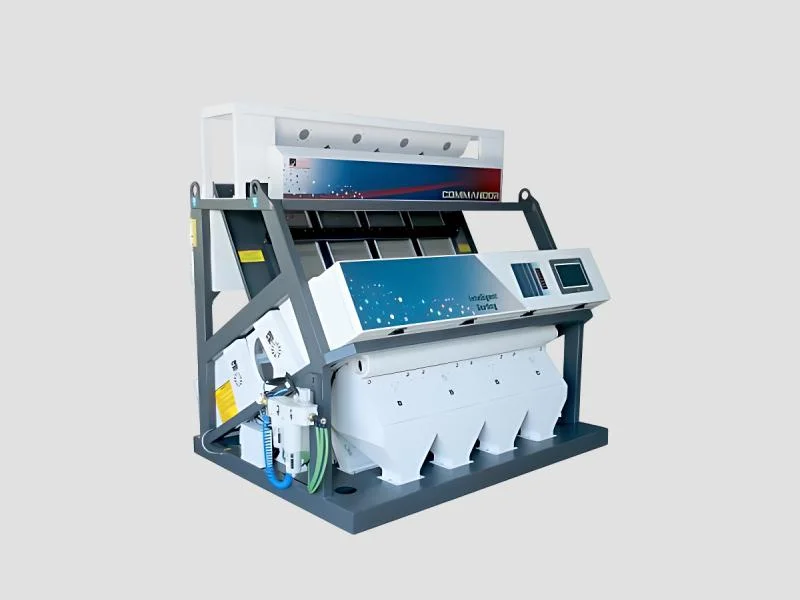
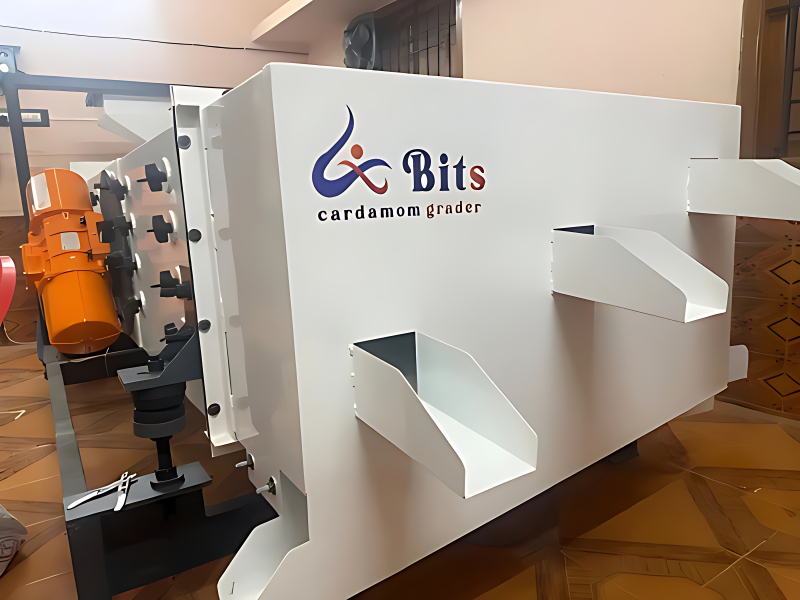
What are Fish Graders & Sorters?
Fish graders and sorters are specialized equipment designed to classify fish based on size, weight, or species. These machines automate the sorting process, significantly improving efficiency and accuracy in fish processing facilities. By employing various sorting mechanisms, such as conveyor systems and automated weighing, fish graders and sorters optimize production lines and reduce manual labor.
These devices find primary applications in commercial fish farming, seafood processing, and aquaculture industries. Businesses utilize fish graders and sorters to streamline operations, maintain product quality, and meet market demands for uniform-sized fish. In a competitive marketplace, the ability to quickly and accurately sort fish can lead to improved profitability and faster turnaround times.
The relevance of fish graders and sorters in the industry continues to grow as consumer preferences shift towards sustainably sourced and uniformly sized seafood products. With increasing global demand for fish and seafood, manufacturers invest in advanced grading and sorting technology to enhance production capabilities and comply with quality standards.
Key Features and Specifications
Fish graders and sorters come equipped with several key features that enhance their functionality and efficiency. These specifications ensure that the equipment meets the diverse needs of fish processing operations.
Key specifications include:
1. Sorting Capacity
- Determines the number of fish that can be processed per hour
- Typical range is between 1,000 to 10,000 fish per hour
2. Size Range
- Specifies the range of fish sizes the machine can handle
- Commonly accommodates fish sizes from 100 grams to 5 kilograms
3. Material Construction
- Made from corrosion-resistant materials suitable for aquatic environments
- Common materials include stainless steel and high-grade plastics
4. Power Supply
- Indicates the type and voltage of power required to operate
- Usually operates at 220V to 480V depending on the model
5. Control System
- Features options for manual or automated control
- May include programmable logic controllers (PLC) for enhanced automation
6. Dimensions
- Provides the physical size of the grader or sorter
- Dimensions can vary significantly based on capacity and design
7. Weight
- Indicates the overall weight of the equipment
- Typically ranges from 100 kg to 1,500 kg
8. Certification
- Compliance with industry standards such as CE for safety
- Ensures the equipment meets necessary quality and safety requirements
Fish graders and sorters are crucial for efficient fish processing, and understanding their specifications helps businesses choose the right equipment for their needs.
Common Applications and Use Cases
Fish graders and sorters are versatile devices used across various industries to enhance productivity and quality control.
1. Aquaculture: Fish farms use graders and sorters to classify fish based on size before harvest, ensuring uniformity in the market.
2. Seafood Processing: Processing plants utilize this equipment to streamline operations, maintain quality standards, and prepare fish for packaging and distribution.
3. Wholesale Seafood Distribution: Distributors employ graders and sorters to ensure that only fish of specified sizes reach retailers, facilitating better sales and customer satisfaction.
4. Research Institutions: Some research facilities use graders to classify fish for studies on growth rates and species characteristics.
5. Export Companies: Exporters rely on grading and sorting equipment to comply with international quality standards, ensuring that their products meet market specifications.
6. Restaurants and Retail Markets: Establishments use these machines to ensure they offer customers uniformly sized fish, enhancing presentation and customer experience.
7. Fish Hatcheries: Hatcheries implement graders to separate fry based on size for optimal growth and survival rates.
Product Variants and Subcategories
Fish graders and sorters come in various forms to cater to specific operational needs. Each variant is designed with unique features tailored to different applications.
Standard Fish Graders
These are designed for general sorting tasks in various fish processing environments. They typically feature adjustable settings to accommodate different fish sizes and weights, making them versatile for multiple types of fish.
Automated Fish Sorters
This advanced variant incorporates automated control systems for enhanced efficiency. They often feature integrated weighing systems and can be programmed to sort fish based on multiple criteria, reducing manual intervention.
Mobile Fish Graders
These portable units are ideal for smaller operations or locations with limited space. Their compact design allows for easy transport while still providing effective sorting capabilities.
Benefits and Advantages
Investing in fish graders and sorters offers numerous advantages for fish processing businesses.
1. Increased Efficiency: Automating the sorting process speeds up operations, allowing for higher throughput and reduced labor costs.
2. Enhanced Accuracy: Graders and sorters provide precise sorting, ensuring consistency in size and quality, which is crucial for market acceptance.
3. Labor Reduction: By minimizing the need for manual sorting, businesses can allocate human resources to other critical tasks, improving overall productivity.
4. Quality Control: Consistent grading helps maintain product quality, leading to better customer satisfaction and fewer returns.
5. Compliance with Standards: These machines help businesses meet industry regulations and quality standards, reducing the risk of penalties or product recalls.
6. Cost Savings: Improved efficiency and reduced labor costs can lead to significant financial savings over time, enhancing profitability.
Buying Guide for B2B Buyers
When sourcing fish graders and sorters, B2B buyers should consider several critical factors to make informed purchasing decisions.
1. Quality Assessment: Evaluate the quality of materials and construction. Look for equipment that meets industry standards and has a proven track record for durability and reliability.
2. Supplier Verification: Conduct thorough research on potential suppliers. Check for certifications, customer reviews, and references to ensure they are reputable and trustworthy.
3. Pricing and MOQ: Understand the pricing structure and minimum order quantities. Compare quotes from different suppliers to find the best value while considering the total cost of ownership.
4. Delivery and Lead Times: Inquire about delivery schedules and lead times. Ensure that the supplier can meet your timeline requirements to avoid disruptions in your operations.
5. Compliance Requirements: Check for compliance with relevant industry standards and regulations. Ensure the equipment meets safety and operational standards required in your region.
Compliance and Certifications
Fish graders and sorters must adhere to several quality standards and certifications to ensure safety and reliability in operations.
ISO 9001 is a widely recognized standard that focuses on quality management systems. Equipment manufacturers that achieve this certification demonstrate a commitment to quality and continuous improvement.
HACCP (Hazard Analysis Critical Control Point) is crucial in food safety management. Graders and sorters used in food processing must comply with HACCP principles to minimize risks in the production process.
CE certification indicates that the equipment meets European safety and health requirements. This certification is essential for manufacturers exporting their products to European markets.
In addition to these standards, equipment should undergo rigorous testing to ensure functionality and safety. Regional compliance considerations may vary, so businesses must be aware of local regulations that apply to fish processing equipment.
Why Source Fish Graders & Sorters from Pepagora?
Pepagora provides a trusted platform for sourcing fish graders and sorters with several key advantages that benefit B2B buyers.
Verified Supplier Network: Pepagora connects buyers with a network of verified suppliers. This ensures that businesses can source equipment from reputable manufacturers who meet quality and safety standards.
Streamlined RFQ Process: The request for quotation (RFQ) process on Pepagora is designed to be efficient and user-friendly. Buyers can easily submit their requirements and receive competitive quotes from multiple suppliers, simplifying the decision-making process.
Trade Assurance and Support: Pepagora offers trade assurance features that protect buyers throughout the purchasing process. This includes support for any disputes and ensuring that the products meet agreed specifications.
Regional Coverage: With a strong presence in India, the GCC, and Southeast Asia, Pepagora provides extensive geographic reach. This allows businesses in these regions to easily access quality fish graders and sorters tailored to their unique market needs.

 IN
IN