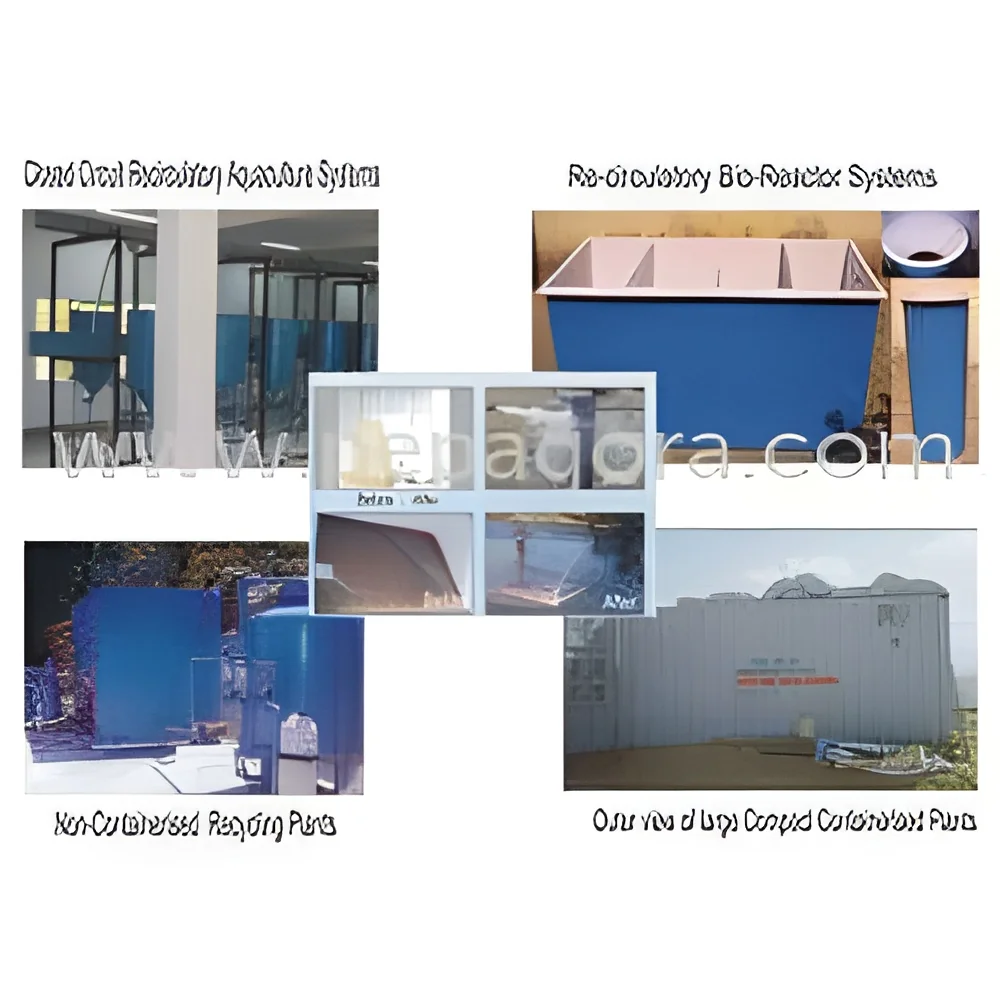
What are RAS (Recirculating Aquaculture Systems)?
Recirculating Aquaculture Systems (RAS) are advanced systems designed to cultivate aquatic organisms such as fish and shellfish in a controlled environment. These systems utilize a closed-loop water circulation method, significantly reducing water consumption and minimizing waste. By filtering and reusing water, RAS enhances the efficiency of aquaculture operations and promotes sustainable practices.
These systems are primarily used in commercial aquaculture settings, including fish farming and shrimp production. RAS technology allows operators to maintain optimal water quality, temperature, and oxygen levels, which are crucial for the health and growth of aquatic species. The increasing demand for seafood, along with concerns regarding overfishing and environmental sustainability, has led to a rise in RAS adoption across the industry. As a result, the market for RAS continues to grow, driven by innovation and the need for sustainable food production.
๐๐ฒ๐ ๐๐ฒ๐ฎ๐๐๐ฟ๐ฒ๐ ๐ฎ๐ป๐ฑ ๐ฆ๐ฝ๐ฒ๐ฐ๐ถ๐ณ๐ถ๐ฐ๐ฎ๐๐ถ๐ผ๐ป๐
Recirculating Aquaculture Systems are characterized by several key features that enhance their efficiency and sustainability. These systems are designed to minimize environmental impact while maximizing fish production.
Key specifications include:
1. Water Recirculation Rate
- Typically ranges from 5 to 10 times the volume of the tank per hour.
- Ensures optimal water quality and reduces water usage.
2. Filtration Systems
- Comprises mechanical and biological filters.
- Capable of removing solids and converting harmful ammonia into less toxic compounds.
3. Oxygenation Systems
- Utilizes diffusers or aerators to maintain dissolved oxygen levels.
- Essential for fish health and growth.
4. Temperature Control
- Equipped with heating or cooling systems.
- Maintains optimal temperature ranges for specific species.
5. Monitoring Systems
- Incorporates sensors for real-time data on water quality parameters.
- Provides alerts for any deviations from set standards.
6. Modular Design
- Allows for scalability and customization according to operational needs.
- Facilitates easy adjustments for varying production volumes.
7. Energy Efficiency
- Designed to minimize energy consumption.
- Utilizes renewable energy sources where possible.
In summary, RAS technology offers a comprehensive solution for sustainable aquaculture with a variety of specifications aimed at enhancing productivity and environmental stewardship.
๐๐ผ๐บ๐บ๐ผ๐ป ๐๐ฝ๐ฝ๐น๐ถ๐ฐ๐ฎ๐๐ถ๐ผ๐ป๐ ๐ฎ๐ป๐ฑ ๐จ๐๐ฒ ๐๐ฎ๐๐ฒ๐
Recirculating Aquaculture Systems serve a diverse range of industries and applications, contributing to sustainable seafood production.
1. Commercial Fish Farming: RAS is widely used in the production of species such as salmon, tilapia, and trout. The controlled environment optimizes growth rates and feed conversion.
2. Shrimp Farming: RAS technology is employed to enhance shrimp growth while minimizing water usage and disease outbreaks.
3. Aquaponics: Combining fish farming with plant cultivation, RAS supports sustainable agriculture by utilizing fish waste as a nutrient source for plants.
4. Research and Development: RAS systems are utilized in academic and industrial research to study aquatic species and improve breeding techniques.
5. Conservation Programs: RAS aids in the breeding and rearing of endangered species, contributing to biodiversity preservation efforts.
6. Urban Aquaculture: In urban settings, RAS allows for space-efficient fish farming, supporting local food production and reducing transportation costs.
7. Educational Institutions: Schools and universities use RAS for educational purposes, teaching students about aquaculture and sustainability practices.
๐ฃ๐ฟ๐ผ๐ฑ๐๐ฐ๐ ๐ฉ๐ฎ๐ฟ๐ถ๐ฎ๐ป๐๐ ๐ฎ๐ป๐ฑ ๐ฆ๐๐ฏ๐ฐ๐ฎ๐๐ฒ๐ด๐ผ๐ฟ๐ถ๐ฒ๐
Recirculating Aquaculture Systems come in various configurations to meet the needs of different operators and species.
Commercial RAS: This variant is designed for large-scale fish production, featuring advanced filtration and monitoring systems for optimal efficiency.
Research RAS: Tailored for laboratories, this system allows researchers to control environmental parameters precisely, facilitating scientific studies.
Small-Scale RAS: Ideal for hobbyists or small farms, these systems are compact and user-friendly, making them accessible for beginners.
Integrated RAS: This variant combines fish farming with hydroponic plant cultivation, promoting sustainable agriculture through a symbiotic relationship.
๐๐ฒ๐ป๐ฒ๐ณ๐ถ๐๐ ๐ฎ๐ป๐ฑ ๐๐ฑ๐๐ฎ๐ป๐๐ฎ๐ด๐ฒ๐
Recirculating Aquaculture Systems offer numerous advantages that make them an attractive choice for aquaculture operators.
Key benefits include:
1. Water Conservation: RAS significantly reduces water usage by recirculating and filtering water, making it an environmentally friendly option.
2. Improved Biosecurity: The controlled environment minimizes disease outbreaks, reducing the need for antibiotics and chemical treatments.
3. Higher Production Efficiency: With optimized growth conditions, RAS can achieve faster growth rates and better feed conversion ratios.
4. Flexibility in Location: RAS can be installed in various environments, including urban areas, reducing the need for extensive land use.
5. Sustainable Practices: RAS promotes sustainable aquaculture by minimizing waste and conserving resources, aligning with global sustainability goals.
6. Enhanced Control: Operators can monitor and adjust water quality parameters in real-time, ensuring optimal conditions for aquatic species.
๐๐๐๐ถ๐ป๐ด ๐๐๐ถ๐ฑ๐ฒ ๐ณ๐ผ๐ฟ ๐๐ฎ๐ ๐๐๐๐ฒ๐ฟ๐
When sourcing Recirculating Aquaculture Systems, it is essential to consider several factors to ensure a successful purchase.
1. Quality Assessment: Evaluate the materials and construction quality of the RAS. Look for systems built to withstand harsh aquatic environments and ensure longevity.
2. Supplier Verification: Vet suppliers by checking their reputation, customer reviews, and industry experience. A reliable supplier will provide necessary support and service.
3. Pricing and MOQ: Understand the pricing structure and minimum order quantities. Compare different suppliers to find a balance between cost and quality.
4. Delivery and Lead Times: Inquire about logistics and lead times. Ensure that the supplier can meet your delivery requirements without delays.
5. Compliance Requirements: Verify that the RAS meets relevant industry standards and regulations. Compliance with local and international guidelines is crucial for operational success.
๐๐ผ๐บ๐ฝ๐น๐ถ๐ฎ๐ป๐ฐ๐ฒ ๐ฎ๐ป๐ฑ ๐๐ฒ๐ฟ๐๐ถ๐ณ๐ถ๐ฐ๐ฎ๐๐ถ๐ผ๐ป๐
Recirculating Aquaculture Systems are subject to various quality standards and certifications that ensure safety and reliability.
ISO 9001 certification indicates that a manufacturer follows quality management principles, ensuring consistency in products.
HACCP guidelines help identify and manage food safety risks, crucial for aquaculture operations.
UL and CE certifications signify compliance with safety and performance standards, providing assurance to buyers about product reliability.
Additionally, regional compliance considerations may vary, so it is essential to ensure that the RAS meets local regulations regarding environmental impact and sustainability.
Why Source RAS (Recirculating Aquaculture Systems) from Pepagora?
Pepagora offers a trusted platform for sourcing Recirculating Aquaculture Systems, providing several advantages for buyers.
Verified Supplier Network: Pepagora connects buyers with a network of verified suppliers. This ensures that buyers can source high-quality RAS from reputable manufacturers.
Streamlined RFQ Process: The platform simplifies the request for quotation process, allowing buyers to obtain competitive pricing and terms quickly.
Trade Assurance and Support: Pepagora provides buyer protection through trade assurance, ensuring that transactions are secure and that buyers receive the products as promised.
Regional Coverage: With a presence in India, the GCC, and Southeast Asia, Pepagora facilitates access to a broad market, allowing buyers to find RAS solutions that meet their specific regional needs.