
 IN
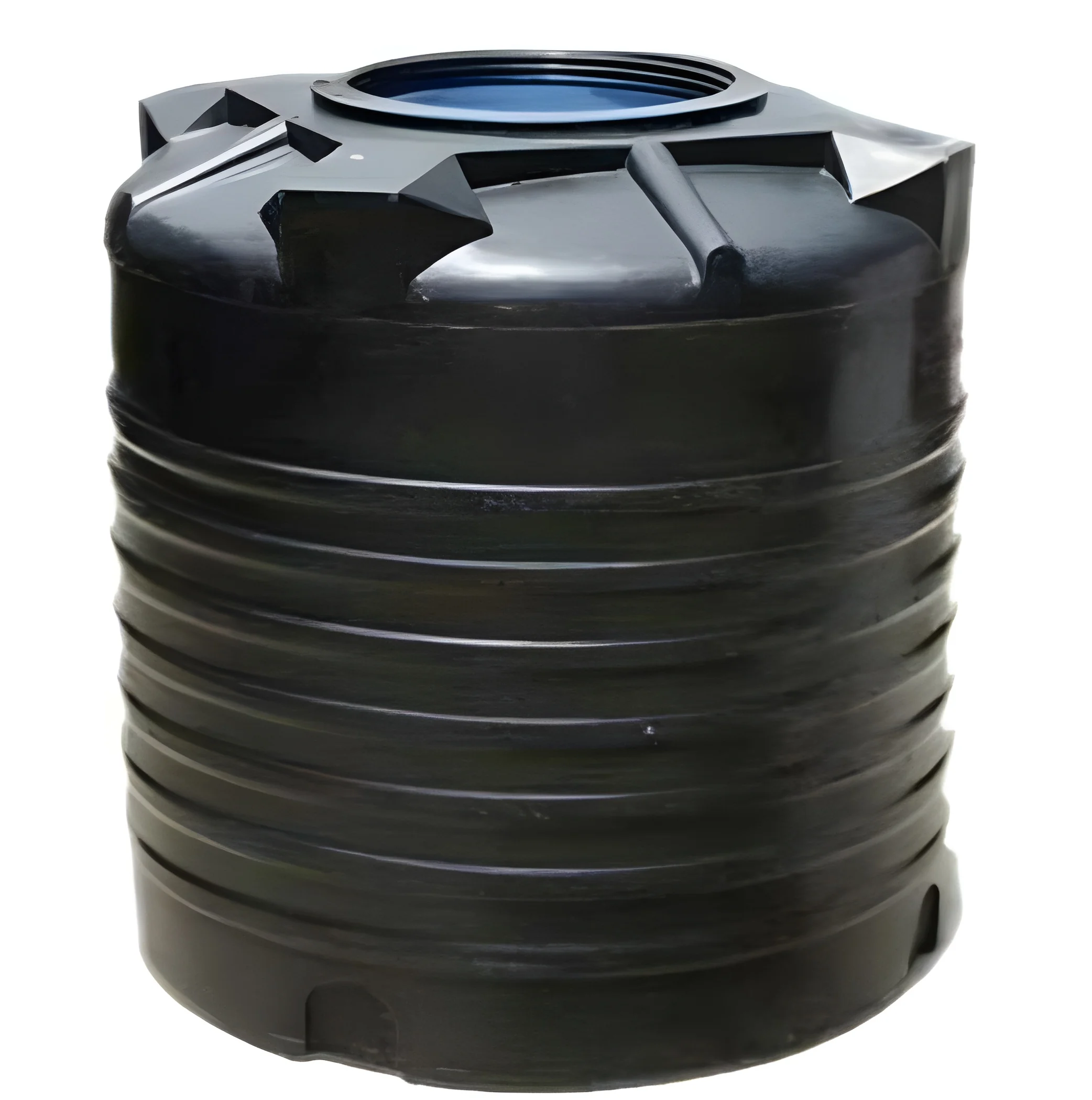
HDPE Fish Farming Tanks
28 products available
What are HDPE Fish Farming Tanks?
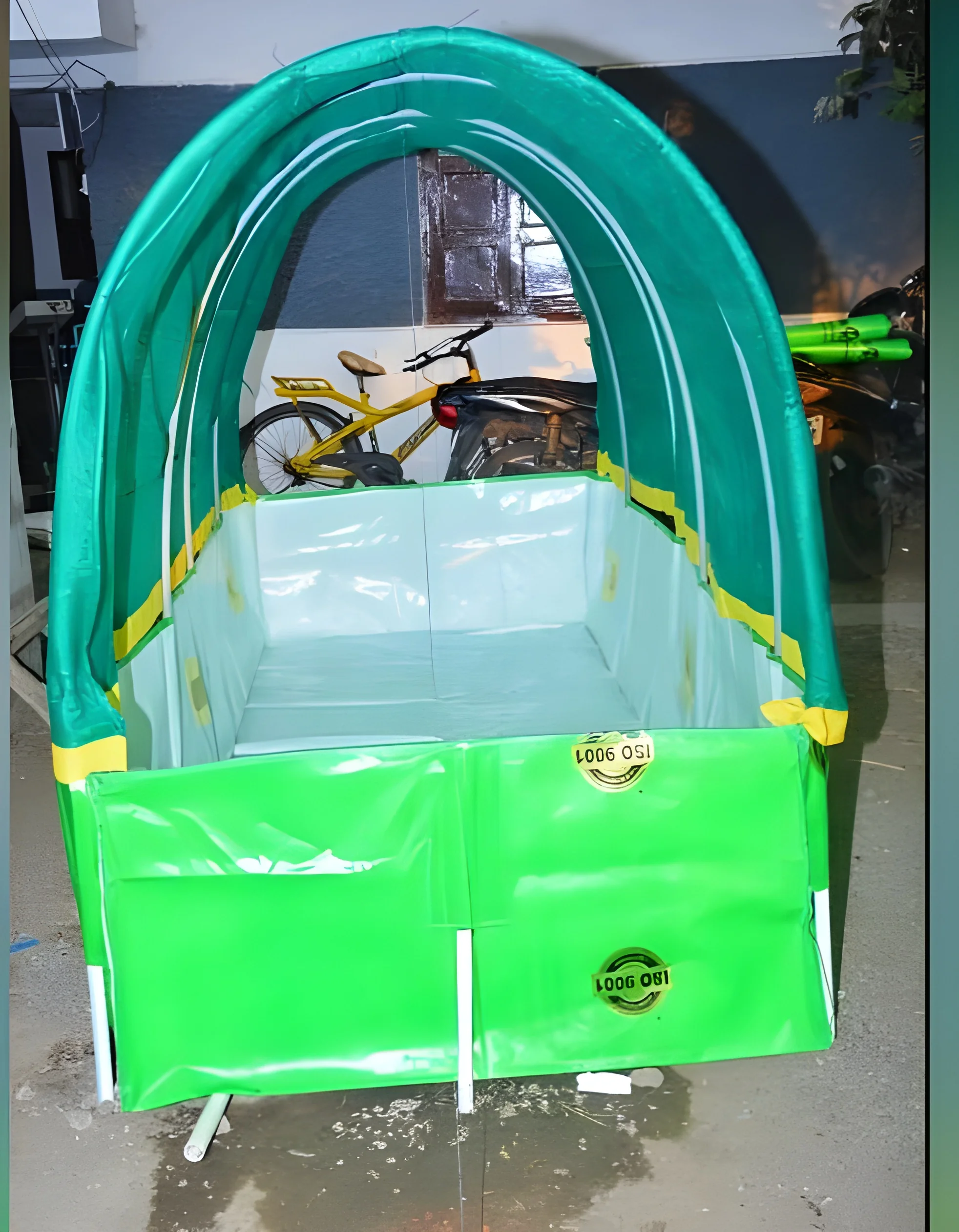
HDPE Fish Farming Tanks are specialized containers made from high-density polyethylene (HDPE) designed for aquaculture. These tanks are engineered to provide a safe, durable, and effective environment for breeding and raising fish. The robust nature of HDPE allows these tanks to withstand various environmental conditions while ensuring the health and well-being of aquatic life.
These tanks are primarily used in commercial fish farming operations, aquaculture research, and educational institutions. They serve as a controlled habitat for various fish species, allowing farmers to monitor growth rates, breeding cycles, and overall health. The versatility of HDPE fish farming tanks makes them suitable for both freshwater and saltwater applications, catering to a wide range of business needs.
The relevance of HDPE fish farming tanks in the aquaculture industry is growing as demand for sustainable fish farming practices increases. With an emphasis on eco-friendly materials and production techniques, these tanks align well with modern aquaculture standards, making them a preferred choice among fish farmers and commercial enterprises.
Key Features and Specifications
HDPE Fish Farming Tanks come with several key features that enhance their functionality and efficiency. These tanks are designed to facilitate optimal growth conditions for fish while being easy to maintain and operate.
Key specifications include:
1. Material Composition
- Made from high-density polyethylene
- Resistant to corrosion, UV rays, and chemicals
2. Durability
- Long-lasting and impact-resistant
- Capable of withstanding extreme weather conditions
3. Capacity Options
- Available in various sizes ranging from small to large tanks
- Customizable to fit specific farming needs
4. Weight
- Lightweight design allows for easy transportation
- Facilitates quick installation in diverse locations
5. Ventilation and Water Flow
- Designed to ensure adequate aeration and water circulation
- Promotes a healthy environment for fish growth
6. Maintenance
- Easy to clean and maintain
- Minimal upkeep required for long-term use
7. Temperature Control
- Capable of maintaining optimal water temperatures for fish
- Insulation properties help regulate temperature fluctuations
8. Compliance with Standards
- Meets industry standards for aquaculture
- CE certified for safety and quality assurance
In summary, HDPE Fish Farming Tanks offer a combination of durability, efficiency, and adaptability, making them an ideal choice for aquaculture operations.
Common Applications and Use Cases
HDPE Fish Farming Tanks are utilized across various sectors, showcasing their versatility and effectiveness.
1. Commercial Aquaculture: These tanks are widely used for breeding and raising fish such as tilapia, catfish, and trout in controlled environments.
2. Research Institutions: Educational and research facilities employ HDPE tanks for experiments related to fish breeding, genetics, and aquatic health.
3. Environmental Restoration: Organizations focused on restoring aquatic ecosystems use these tanks for breeding and releasing native fish species back into their habitats.
4. Recirculating Aquaculture Systems: These tanks integrate into recirculating systems where water is filtered and reused, promoting sustainability.
5. Aquaponics: Fish farming tanks support aquaponics systems, where fish and plants are grown together, creating a symbiotic environment.
6. Hatcheries: Used in hatcheries for incubating and growing fish larvae until they are ready for transfer to larger systems.
7. Educational Demonstrations: Schools and institutions use these tanks for educational purposes, teaching students about aquatic biology and sustainable farming practices.
Product Variants and Subcategories
HDPE Fish Farming Tanks come in a variety of designs to meet diverse needs within the aquaculture industry.
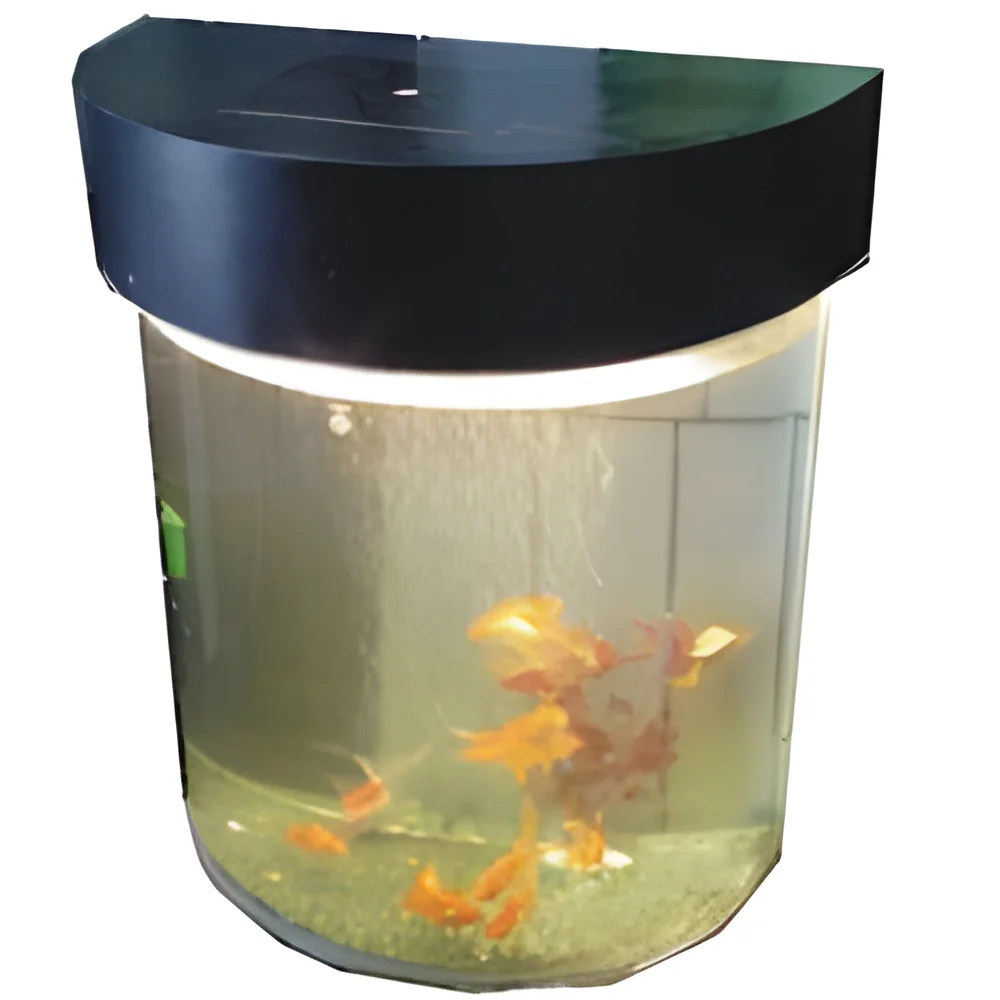
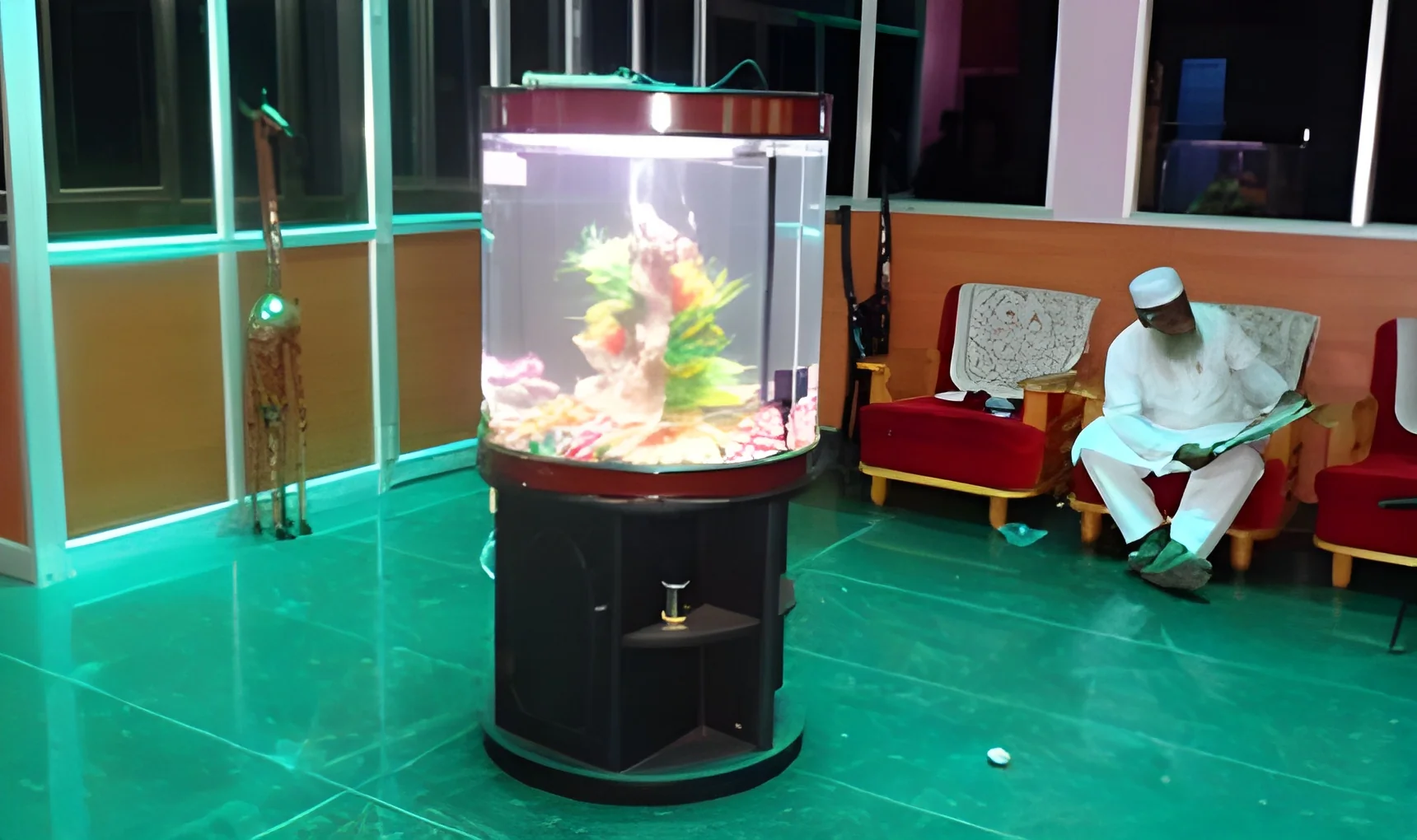
Round Tanks: These tanks are ideal for fish that require ample swimming space. Their circular design promotes efficient water circulation, making them suitable for larger fish species.
Rectangular Tanks: These tanks maximize space in confined areas and are often used in hatcheries and research facilities. They can accommodate multiple species and facilitate easy monitoring.
Stackable Tanks: Designed for efficient use of vertical space, these tanks allow for multi-tiered fish farming setups. They are ideal for urban farming practices where space is limited.
Benefits and Advantages
HDPE Fish Farming Tanks offer numerous benefits that enhance operational efficiency and fish health.
1. Cost-Effective: The durability of HDPE reduces long-term costs associated with replacements and repairs, making it a wise investment.
2. Eco-Friendly: Made from recyclable materials, these tanks contribute to sustainable fish farming practices.
3. Customizable: Tanks can be tailored to specific sizes and configurations to meet the unique needs of different fish species and farming operations.
4. Easy to Install: Lightweight construction allows for quick setup, reducing downtime for fish farming operations.
5. Healthier Fish Environment: The design promotes better water quality and fish health, leading to improved growth rates and lower mortality.
6. Low Maintenance: The materials used facilitate easy cleaning, reducing labor and maintenance costs.
Buying Guide for B2B Buyers
When sourcing HDPE Fish Farming Tanks, several factors should be taken into account to ensure a successful purchase.
1. Quality Assessment: Look for tanks that meet international quality standards, ensuring durability and reliability. Check if they have been tested for performance in aquaculture settings.
2. Supplier Verification: Vet potential suppliers by reviewing their certifications and customer feedback. A reliable supplier should have a track record of delivering quality products.
3. Pricing and MOQ: Compare prices across different suppliers while considering the minimum order quantity. Ensure that the pricing aligns with your budget and business needs.
4. Delivery and Lead Times: Inquire about delivery times to avoid operational delays. Assess the logistics capabilities of the supplier to ensure timely delivery.
5. Compliance Requirements: Ensure that the tanks meet local and international compliance standards for safety and quality, as this can impact your business's operational legality.
Compliance and Certifications
HDPE Fish Farming Tanks are subject to several relevant quality standards and certifications that ensure their safety and effectiveness in the aquaculture industry.
ISO 9001 is a critical quality management standard that ensures products meet customer and regulatory requirements. Compliance with this standard indicates that the manufacturing processes are efficient and effective.
HACCP (Hazard Analysis and Critical Control Points) is a food safety standard relevant to the aquaculture sector. It ensures that fish farming practices minimize risks and ensure safe food production.
The CE mark indicates that the product meets EU safety, health, and environmental requirements, which is essential for market acceptance, especially in European countries.
In addition to these standards, safety and testing requirements may vary by region. It is crucial for manufacturers to stay informed about local regulations to maintain compliance.
Why Source HDPE Fish Farming Tanks from Pepagora?
Pepagora provides a trusted platform for sourcing HDPE Fish Farming Tanks with several key advantages that benefit B2B buyers.
Verified Supplier Network: Pepagora connects buyers with a network of verified suppliers, ensuring that companies can source high-quality tanks from reputable manufacturers. This network provides peace of mind regarding product authenticity and supplier reliability.
Streamlined RFQ Process: The request for quotation (RFQ) system simplifies the procurement process, allowing buyers to quickly receive quotes from multiple suppliers. This efficiency saves time and resources for businesses looking to compare options.
Trade Assurance and Support: Pepagora offers trade assurance, providing buyers with added protection when making purchases. The support team is readily available to assist with any inquiries or issues that may arise during the sourcing process.
Regional Coverage: With a focus on India, GCC, and Southeast Asia, Pepagora has a strong geographic reach, making it easy for businesses in these regions to access high-quality HDPE Fish Farming Tanks tailored to their local market needs.





Frequently Asked Questions
What are HDPE Fish Farming Tanks?
HDPE Fish Farming Tanks are specialized containers made from high-density polyethylene (HDPE) designed for aquaculture. These tanks provide a controlled environment for fish farming, ensuring optimum growth conditions and minimizing water contamination.
What are the different types of HDPE Fish Farming Tanks?
There are several types of HDPE Fish Farming Tanks, including circular, rectangular, and oval designs. Each type is suited for different farming needs and space requirements, allowing for flexibility in aquaculture operations.
How do I choose the right HDPE Fish Farming Tanks?
Choosing the right HDPE Fish Farming Tanks involves considering factors such as the species of fish being farmed, space availability, and water quality management. Additionally, assess the tank size, shape, and durability to ensure it meets your operational needs.
What are the standard specifications for HDPE Fish Farming Tanks?
Standard specifications for HDPE Fish Farming Tanks typically include thickness, capacity, and UV resistance. Most tanks are designed to withstand harsh weather conditions and can range from small to large capacities based on your farming requirements.
What is the price range for HDPE Fish Farming Tanks?
The price range for HDPE Fish Farming Tanks can vary significantly based on size and design, generally starting from a few thousand rupees for smaller tanks to several lakhs for larger, customized options. It is advisable to compare suppliers for the best pricing.
What quality standards apply to HDPE Fish Farming Tanks?
HDPE Fish Farming Tanks must comply with industry standards related to materials and safety, such as IS 10146 for plastics in aquaculture. Additionally, tanks should be tested for durability, non-toxicity, and resistance to UV degradation.
Where can I find HDPE Fish Farming Tanks suppliers in India?
You can find HDPE Fish Farming Tanks suppliers in India through online B2B marketplaces like Pepagora.com, industry trade shows, and aquaculture exhibitions. It's recommended to verify supplier credentials and product quality before making a purchase.
Can HDPE Fish Farming Tanks be customized?
Yes, HDPE Fish Farming Tanks can often be customized to meet specific requirements such as size, shape, and additional features like aeration systems. Customization options may vary by manufacturer, so it is best to inquire about available modifications.
What is the typical minimum order quantity for HDPE Fish Farming Tanks?
The typical minimum order quantity (MOQ) for HDPE Fish Farming Tanks varies by supplier, but it generally ranges from 1 to 10 units depending on the tank size and customization options. Always check with the supplier for their specific MOQ policies.
What is the typical lead time for HDPE Fish Farming Tanks?
The typical lead time for HDPE Fish Farming Tanks can range from a few days to several weeks, depending on factors such as stock availability and customization requirements. It is advisable to confirm the lead time with your supplier during the order process.
Why Businesses Trust Pepagora
Thousands of companies trust Pepagora to source smarter and sell faster
Expand Your Sales Globally

Source Smarter,Grow Faster
