What are Private Label Aquaculture Equipment?
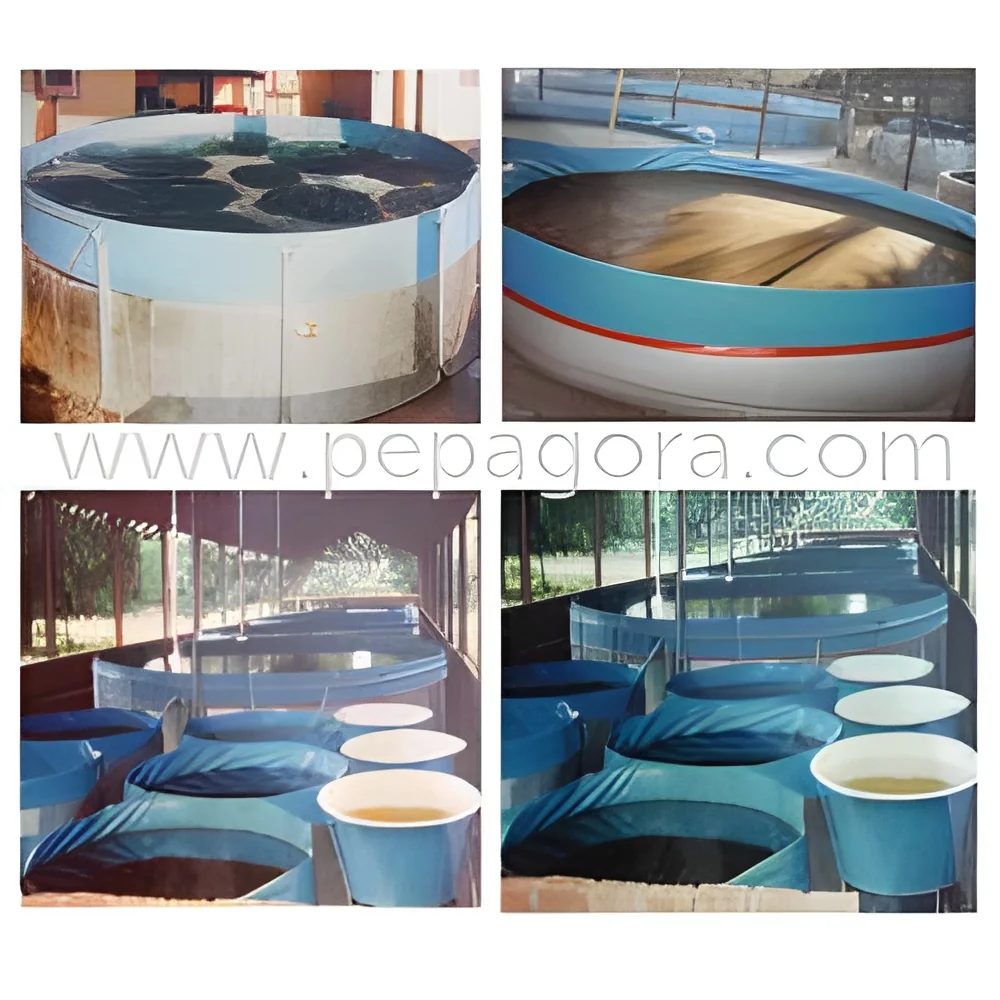
Private Label Aquaculture Equipment refers to a range of specialized tools and devices used in the farming of aquatic organisms, such as fish, crustaceans, and mollusks. These products are often branded under a retailer's name but manufactured by a third party. This arrangement allows businesses to offer high-quality aquaculture solutions without investing in manufacturing capabilities. The equipment encompasses various items, including tanks, aerators, feeders, and monitoring systems tailored for specific aquatic farming needs.
The primary uses of Private Label Aquaculture Equipment include enhancing productivity in aquaculture operations and ensuring optimal living conditions for aquatic species. Businesses in this sector leverage these tools for breeding, feeding, and maintaining aquatic life, which is crucial for meeting market demands. Aquaculture equipment is vital for both small-scale farms and large commercial operations, playing a significant role in the global seafood supply chain amid rising consumer demand for sustainable seafood.
In the context of the aquaculture industry, the relevance of Private Label Aquaculture Equipment is underscored by the growing emphasis on sustainable practices and food security. As global populations rise, the need for efficient and environmentally friendly aquaculture solutions becomes more pressing. This sector is rapidly evolving, with innovations aimed at improving yield and sustainability, making Private Label Aquaculture Equipment a strategic investment for businesses looking to stay competitive.
Key Features and Specifications
Private Label Aquaculture Equipment offers a variety of features designed to optimize aquaculture operations. These features are tailored to meet the diverse needs of businesses in the industry, ensuring reliability and efficiency in aquatic farming practices.
Key specifications include:
1. Material Construction
- Durable and corrosion-resistant materials suitable for aquatic environments
- Commonly used materials include polyethylene, stainless steel, and fiberglass
2. Aeration Systems
- Efficient aeration systems to enhance oxygen levels in water
- Options for both mechanical and natural aeration methods
3. Temperature Control
- Equipment designed to maintain optimal temperature ranges for different species
- Features may include heaters and chillers with adjustable settings
4. Monitoring Systems
- Comprehensive monitoring systems for tracking water quality parameters
- Sensors for pH, ammonia, nitrite, and dissolved oxygen levels
5. Feeding Devices
- Automated feeding systems to ensure timely and accurate feed distribution
- Adjustable feed rates based on specific species requirements
6. Tank Sizes and Configurations
- Various tank sizes and shapes to accommodate different farming needs
- Options for modular designs to facilitate expansion
7. Customization Options
- Ability to customize equipment based on specific business requirements
- Tailored branding possibilities for private label solutions
8. Energy Efficiency
- Designed for minimal energy consumption to reduce operational costs
- Eco-friendly features supporting sustainable practices
In summary, the diverse features and specifications of Private Label Aquaculture Equipment make it a vital component in the aquaculture industry, enhancing productivity while ensuring sustainability.
Common Applications and Use Cases
Private Label Aquaculture Equipment is utilized across multiple industries, addressing the unique needs of each sector.
1. Commercial Fish Farming: Equipment is used to optimize conditions for breeding and growing fish species, enhancing yield and quality.
2. Shellfish Cultivation: Specialized tools facilitate the farming of shellfish such as shrimp and oysters, ensuring optimal growth environments.
3. Research Laboratories: Equipment is necessary for conducting research on aquatic species, including studies on breeding and genetics.
4. Aquaponics Systems: Integrated systems that combine aquaculture with hydroponics rely on specialized equipment for effective nutrient cycling.
5. Educational Institutions: Equipment serves as a practical tool for teaching students about aquatic ecosystems and sustainable farming practices.
6. Environmental Conservation: Tools are used in projects aimed at restoring aquatic habitats and maintaining biodiversity.
7. Recreational Aquariums: Private label equipment is also applied in the setup and maintenance of large-scale aquariums for public display.
Product Variants and Subcategories
Private Label Aquaculture Equipment comes in various forms, catering to different needs within the aquaculture sector.
Aeration Systems
These systems are crucial for maintaining oxygen levels in aquaculture environments. They feature advanced technologies that ensure optimal aeration for both small and large-scale operations.
Automated Feeding Systems
These devices ensure that aquatic species receive the right amount of feed at the correct intervals. Such systems help in reducing feed waste and improving overall growth rates.
Water Quality Monitoring Kits
Essential for maintaining a healthy aquatic environment, these kits allow for real-time analysis of water parameters, ensuring timely adjustments to maintain optimal conditions.
Temperature Control Units
These units help maintain the ideal temperature for various aquatic species, which is vital for their growth and reproduction.
Benefits and Advantages
Investing in Private Label Aquaculture Equipment provides numerous benefits for businesses in the aquaculture industry.
1. Enhanced Productivity: The right equipment can significantly improve growth rates and yield in aquaculture operations, leading to increased profitability.
2. Cost Efficiency: Automated systems reduce labor costs and improve feed efficiency, lowering overall operational expenses.
3. Improved Sustainability: High-quality equipment supports environmentally friendly practices, helping businesses meet regulatory standards and consumer demand for sustainable seafood.
4. Custom Branding Opportunities: Private label options allow businesses to build their brand identity while delivering quality products to customers.
5. Flexibility and Scalability: The diversity of equipment options enables businesses to adapt and scale their operations as market demands change.
6. Access to Advanced Technology: Utilizing the latest advancements in aquaculture technology can provide a competitive edge in the industry.
Buying Guide for B2B Buyers
When sourcing Private Label Aquaculture Equipment, it is crucial for buyers to consider various factors to ensure they make informed decisions.
1. Quality Assessment: Evaluate the quality of materials and construction to ensure durability and longevity in aquatic environments.
2. Supplier Verification: Vet suppliers based on their reputation, production capabilities, and previous client feedback to ensure reliability.
3. Pricing and MOQ: Understand pricing structures and minimum order quantities to align with budgetary constraints and operational needs.
4. Delivery and Lead Times: Confirm logistics and delivery schedules to ensure timely receipt of equipment, minimizing downtime in operations.
5. Compliance Requirements: Be aware of the relevant regulatory standards and certifications required for aquaculture equipment in specific regions.
Compliance and Certifications
Private Label Aquaculture Equipment must adhere to various quality standards and certifications to ensure safety and reliability.
Relevant quality standards include ISO 9001, which focuses on quality management systems, ensuring consistent quality in products and services. HACCP (Hazard Analysis Critical Control Point) standards are critical for food safety, particularly in aquaculture operations where product quality is paramount.
Industry certifications such as UL and CE ensure that equipment meets international safety and performance standards. Compliance with these certifications is essential for building trust with customers and regulatory bodies.
Safety and testing requirements are paramount, especially in environments that support living organisms. Regular testing ensures that equipment functions correctly and meets necessary safety standards.
Regional compliance considerations may vary, so it is crucial for businesses to understand local regulations concerning aquaculture equipment to avoid any legal issues and ensure operational success.
Why Source Private Label Aquaculture Equipment from Pepagora?
Pepagora provides a trusted platform for sourcing Private Label Aquaculture Equipment, ensuring buyers have access to high-quality products and reliable suppliers.
Verified Supplier Network: Pepagora conducts thorough vetting of suppliers, ensuring that only reputable manufacturers are listed. This gives buyers confidence in the quality and reliability of the equipment they purchase.
Streamlined RFQ Process: The platform simplifies the request for quotation (RFQ) process, making it easy for buyers to obtain competitive pricing from multiple suppliers without lengthy negotiations.
Trade Assurance and Support: Pepagora offers trade assurance, providing a safety net for buyers. This includes support in case of disputes or issues, enhancing the overall purchasing experience.
Regional Coverage: With a strong presence in India, the GCC region, and Southeast Asia, Pepagora connects buyers with local suppliers, facilitating effective communication and logistics while promoting regional aquaculture industries.

 IN
IN