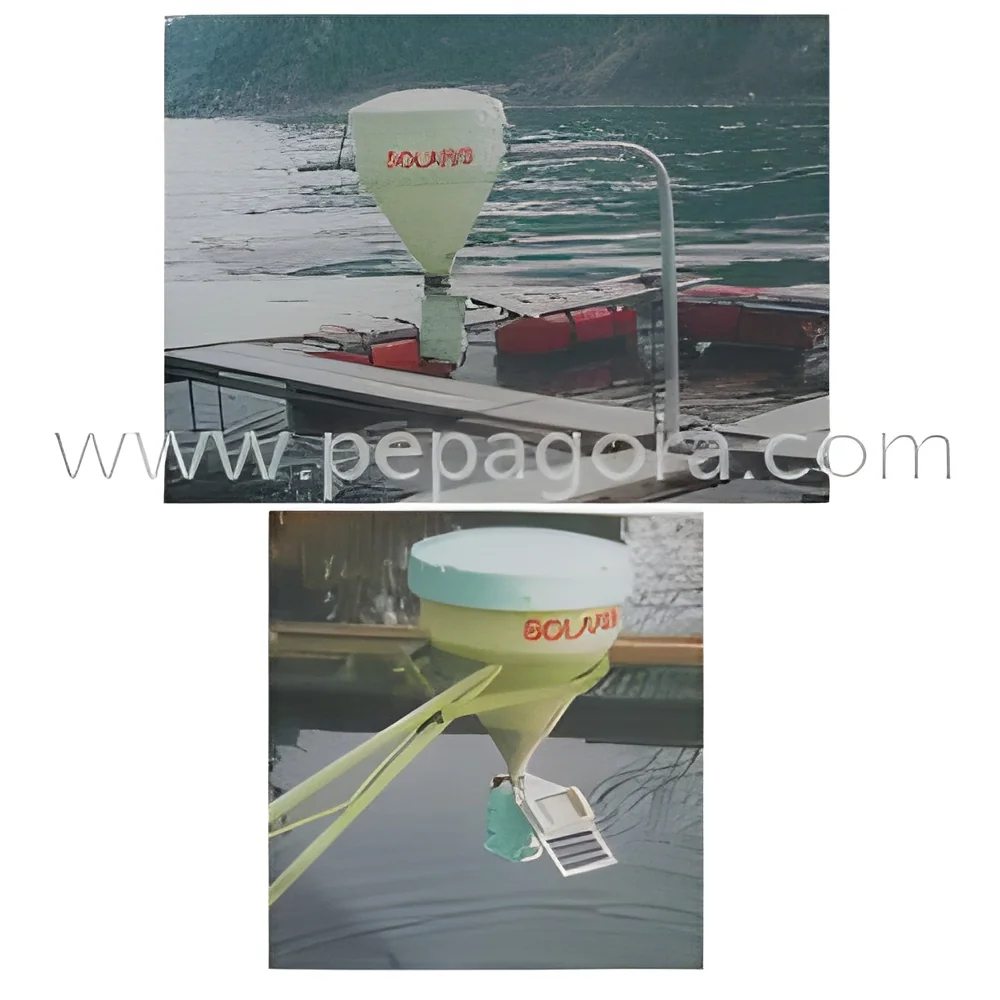
𝗪𝗵𝗮𝘁 𝗮𝗿𝗲 𝗦𝗼𝗹𝗮𝗿 𝗔𝗲𝗿𝗮𝘁𝗶𝗼𝗻 𝗦𝘆𝘀𝘁𝗲𝗺𝘀?
Solar Aeration Systems are innovative devices that utilize solar energy to enhance the oxygen levels in water bodies. These systems are designed to improve water quality by promoting the natural aeration process. They operate by using solar panels to power aerators, which then introduce air into the water, effectively increasing dissolved oxygen levels. This process is vital for the health of aquatic ecosystems, as it supports the growth of beneficial bacteria and helps break down organic matter.
These systems are primarily used in various applications such as ponds, lakes, and wastewater treatment facilities. Industries that manage water bodies often rely on solar aeration for maintaining water quality. With a growing emphasis on sustainable practices, businesses prefer solar aeration systems as they reduce energy costs and lower the carbon footprint compared to traditional electric aeration systems. As environmental regulations become stricter, the relevance of solar aeration systems in the market continues to rise, making them a critical component in sustainable water management strategies.
𝗞𝗲𝘆 𝗙𝗲𝗮𝘁𝘂𝗿𝗲𝘀 𝗮𝗻𝗱 𝗦𝗽𝗲𝗰𝗶𝗳𝗶𝗰𝗮𝘁𝗶𝗼𝗻𝘀
Solar Aeration Systems come with several features designed to enhance efficiency and performance. These specifications ensure that businesses can select the right system for their specific needs.
Key specifications include:
1. Power Source
- Operates using solar energy, reducing reliance on grid electricity.
- Typically includes solar panels and a backup battery system for continuous operation.
2. Aeration Capacity
- Varies based on the model; usually measured in cubic feet per minute (CFM).
- Designed to serve different sizes of bodies of water, ensuring optimal oxygenation.
3. Durability
- Constructed with corrosion-resistant materials suitable for outdoor environments.
- Capable of withstanding varying weather conditions.
4. Installation Requirements
- Generally requires minimal installation effort; can be set up in remote locations without extensive infrastructure.
- May include flotation devices or mounting systems for easy deployment.
5. Maintenance Needs
- Low maintenance requirements due to robust design.
- Regular checks on solar panels and aerators recommended for optimal performance.
6. Operating Temperature Range
- Effective across a wide range of temperatures, although specific data not available.
- Suitable for various climates.
7. Noise Levels
- Designed to operate quietly, minimizing disturbance to the surrounding environment.
- Ideal for residential areas and natural settings.
In summary, Solar Aeration Systems combine advanced technology with environmentally friendly practices, making them a suitable choice for diverse applications.
𝗖𝗼𝗺𝗺𝗼𝗻 𝗔𝗽𝗽𝗹𝗶𝗰𝗮𝘁𝗶𝗼𝗻𝘀 𝗮𝗻𝗱 𝗨𝘀𝗲 𝗖𝗮𝘀𝗲𝘀
Solar Aeration Systems are versatile and cater to various industries, enhancing water quality and sustainability.
1. Aquaculture: In fish farming, these systems help maintain optimal oxygen levels, promoting healthy fish growth and reducing mortality rates.
2. Wastewater Treatment: Municipalities utilize solar aeration in treatment plants to facilitate the breakdown of organic waste, improving water quality before discharge.
3. Agriculture: Used in irrigation ponds and reservoirs, these systems ensure that water remains aerated, supporting crop irrigation and improving water health.
4. Landscape Ponds: Homeowners and landscapers deploy solar aeration to enhance the aesthetic appeal of ponds while promoting aquatic life.
5. Golf Courses: Many golf courses implement aeration systems in water features to maintain clear and clean water, enhancing the overall landscape.
6. Recreational Lakes: These systems are used to keep lakes healthy for recreational activities, ensuring safe and clean water for swimming and fishing.
7. Environmental Conservation: Solar aeration systems play a crucial role in habitat restoration projects, helping to revitalize natural water bodies.
𝗣𝗿𝗼𝗱𝘂𝗰𝘁 𝗩𝗮𝗿𝗶𝗮𝗻𝘁𝘀 𝗮𝗻𝗱 𝗦𝘂𝗯𝗰𝗮𝘁𝗲𝗴𝗼𝗿𝗶𝗲𝘀
Solar Aeration Systems offer a variety of options to suit different needs. Each variant is tailored for specific applications and environments.
[Variant 1 Name]
Standard Solar Aerator: This model is designed for small to medium-sized ponds. It typically features two solar panels and can aerate up to one acre of water surface area, making it ideal for residential use.
[Variant 2 Name]
Heavy-Duty Solar Aerator: This variant is suitable for larger bodies of water, such as lakes or large treatment facilities. It includes multiple solar panels and a higher aeration capacity, designed to handle significant oxygenation demands.
[Variant 3 Name]
Portable Solar Aerator: This lightweight and mobile unit is perfect for temporary setups or remote locations. It offers flexibility and ease of transport, making it suitable for various seasonal applications.
𝗕𝗲𝗻𝗲𝗳𝗶𝘁𝘀 𝗮𝗻𝗱 𝗔𝗱𝘃𝗮𝗻𝘁𝗮𝗴𝗲𝘀
Solar Aeration Systems present numerous benefits that align with modern sustainability goals.
Key benefits include:
1. Cost Savings: By operating on solar energy, these systems significantly reduce electricity costs, leading to long-term savings for businesses.
2. Environmental Impact: Utilizing renewable energy minimizes carbon emissions, contributing to a greener footprint.
3. Improved Water Quality: Enhanced oxygen levels promote healthier aquatic ecosystems, leading to better overall water quality.
4. Low Maintenance: Designed for durability and longevity, these systems require minimal upkeep, saving time and resources.
5. Versatility: They can be used in various applications, making them suitable for a wide range of industries and environments.
6. Noise Reduction: Operating quietly, solar aeration systems minimize disruption to wildlife and surrounding communities.
𝗕𝘂𝘆𝗶𝗻𝗴 𝗚𝘂𝗶𝗱𝗲 𝗳𝗼𝗿 𝗕𝟮𝗕 𝗕𝘂𝘆𝗲𝗿𝘀
When considering Solar Aeration Systems, B2B buyers should evaluate several critical factors to ensure they select the right product.
1. Quality Assessment: Look for systems that meet high-quality standards, focusing on materials and manufacturing processes. It is essential to check for certifications that validate the quality of the products.
2. Supplier Verification: Vet potential suppliers by reviewing their reputation, customer feedback, and history in the market. A reliable supplier will provide assurance of product quality and support.
3. Pricing and MOQ: Consider the pricing structure and minimum order quantities. Understanding these aspects will help in budgeting and aligning with project needs.
4. Delivery and Lead Times: Review logistics capabilities, including shipping options and estimated delivery times. Timely delivery is critical for project planning.
5. Compliance Requirements: Ensure that the systems meet regional regulatory standards and certifications, such as CE, to avoid legal issues and ensure safe operation.
𝗖𝗼𝗺𝗽𝗹𝗶𝗮𝗻𝗰𝗲 𝗮𝗻𝗱 𝗖𝗲𝗿𝘁𝗶𝗳𝗶𝗰𝗮𝘁𝗶𝗼𝗻𝘀
Solar Aeration Systems must adhere to various quality and safety standards to ensure reliability and performance. Industry standards, such as ISO 9001, guarantee that manufacturers maintain quality management systems that meet customer and regulatory requirements.
Additionally, certifications like CE indicate compliance with European safety standards, ensuring that products are safe for use in various applications. Testing requirements may include assessments of durability, efficiency, and performance under different conditions.
Regional compliance considerations are also crucial, as different countries may have specific regulations regarding environmental impact and product safety. B2B buyers should verify that their selected systems comply with local laws to ensure seamless operation.
𝗪𝗵𝘆 𝗦𝗼𝘂𝗿𝗰𝗲 𝗦𝗼𝗹𝗮𝗿 𝗔𝗲𝗿𝗮𝘁𝗶𝗼𝗻 𝗦𝘆𝘀𝘁𝗲𝗺𝘀 𝗳𝗿𝗼𝗺 𝗣𝗲𝗽𝗮𝗴𝗼𝗿𝗮?
Pepagora offers a trusted platform for sourcing Solar Aeration Systems, bringing several distinct advantages to B2B buyers.
Verified Supplier Network: Pepagora collaborates with a network of verified suppliers, ensuring that buyers have access to reliable sources of high-quality products. This verification process enhances buyer confidence in their purchases.
Streamlined RFQ Process: The request for quotation (RFQ) process is designed to be efficient, allowing buyers to receive competitive quotes quickly. This time-saving feature enables businesses to make informed decisions without unnecessary delays.
Trade Assurance and Support: Pepagora provides trade assurance, protecting buyers against potential issues during transactions. Additionally, dedicated support teams are available to assist with any queries, ensuring a smooth purchasing experience.
Regional Coverage: With a strong presence in India, the GCC region, and Southeast Asia, Pepagora is strategically positioned to serve a diverse range of markets. This geographic reach allows businesses to access solar aeration systems tailored to their specific regional needs.

 IN
IN