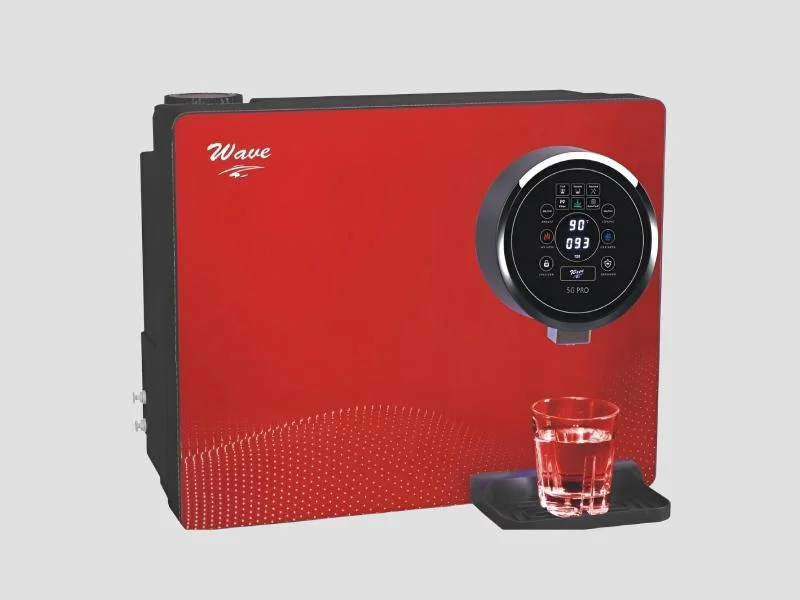
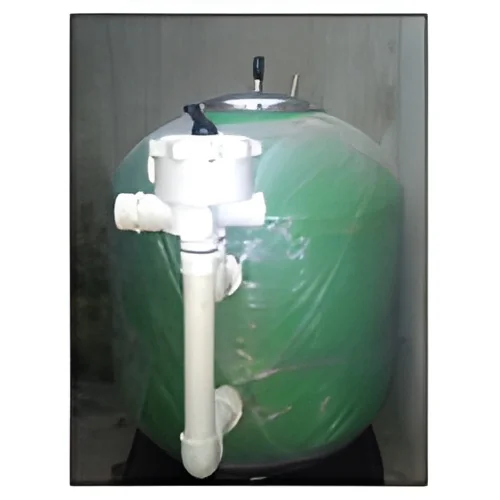
What are Water Filtration Systems?
Water Filtration Systems are specialized setups designed to remove impurities and contaminants from water, ensuring it is safe for consumption and various industrial applications. These systems use a combination of physical, chemical, and biological processes to produce clean water by filtering out particles, microorganisms, and chemical pollutants. The technology behind water filtration can vary significantly, with options ranging from simple mechanical filters to advanced systems incorporating reverse osmosis and UV purification.
The primary uses of Water Filtration Systems span numerous sectors including municipal water supply, food and beverage production, pharmaceuticals, and manufacturing processes. Businesses rely on these systems to enhance water quality, meet regulatory standards, and maintain operational efficiency. In industry contexts, effective water filtration can lead to improved product quality, reduced equipment wear, and lower operational costs. The global market for water filtration systems is expanding, driven by increasing awareness of water quality issues and stringent regulatory requirements.
Key Features and Specifications
Water Filtration Systems come equipped with a variety of features that enhance their functionality and efficiency. Understanding these specifications is crucial for businesses looking to invest in reliable filtration solutions.
Key specifications include:
1. Filtration Technology
- Various methods such as activated carbon, reverse osmosis, and UV treatment
- Each technology offers unique benefits and applications
2. Flow Rate
- Measurement of the volume of water filtered per unit time
- Typically ranges from a few liters per minute to several hundreds, depending on system size
3. Contaminant Removal Efficiency
- Percentage of specific contaminants removed during the filtration process
- Commonly targets bacteria, viruses, heavy metals, and sediments
4. System Size and Capacity
- Physical dimensions and water storage capacity
- Varies based on intended use, from residential units to large-scale industrial systems
5. Maintenance Requirements
- Frequency and types of maintenance needed for optimal performance
- Includes filter replacement, system cleaning, and calibration checks
6. Energy Consumption
- Efficiency levels regarding energy use for operation
- Important for evaluating long-term operational costs
7. Compliance Standards
- Adherence to relevant industry standards and regulations
- Ensures the system meets safety and quality benchmarks
8. Warranty and Support
- Manufacturer’s warranty terms and availability of technical support
- Important for ensuring long-term reliability and service
In summary, understanding the key features and specifications of Water Filtration Systems helps businesses select the right solutions tailored to their water quality needs.
Common Applications and Use Cases
Water Filtration Systems find applications across a wide range of industries, each with specific requirements for water quality.
1. Municipal Water Supply: These systems are essential for treating and distributing safe drinking water to communities, ensuring compliance with health standards.
2. Food and Beverage: In this industry, filtration systems are critical for removing impurities from water used in food processing, brewing, and beverage production, which directly impacts product quality.
3. Pharmaceuticals: Water used in drug manufacturing must meet stringent purity standards, making advanced filtration systems a necessity for pharmaceutical companies.
4. Industrial Manufacturing: Many manufacturing processes require clean water to prevent contamination and ensure product integrity, making reliable filtration systems vital.
5. Agriculture: Water Filtration Systems are used in irrigation and livestock operations to ensure that water is free from harmful substances that could affect crop and animal health.
6. Hospitality: Hotels and restaurants utilize filtration systems to provide clean drinking water and enhance the quality of food and beverages served.
7. Residential: Homeowners often invest in water filtration systems to improve the quality of drinking water and safeguard against contaminants.
Product Variants and Subcategories
Water Filtration Systems are available in various configurations to meet different needs.
Residential Filtration Systems: These systems are designed for home use, providing clean drinking water through compact and user-friendly setups. They often incorporate multiple filtration stages to ensure high water quality.
Commercial Filtration Systems: Tailored for businesses, these systems handle higher volumes of water and are built for durability and efficiency. They are used in restaurants, offices, and small manufacturing processes.
Industrial Filtration Systems: Designed for large-scale operations, these systems can manage significant water flow rates and remove a wide range of contaminants. They are often customizable to meet specific industrial requirements.
Portable Water Filtration Systems: These systems are ideal for temporary setups, such as construction sites or outdoor events, providing clean water on-demand without permanent installation.
Benefits and Advantages
Investing in Water Filtration Systems offers numerous advantages for businesses.
1. Improved Water Quality: Filtration systems effectively remove contaminants, ensuring that the water is safe for consumption and meets regulatory requirements.
2. Cost Savings: By reducing the need for bottled water and minimizing equipment maintenance costs, businesses can achieve significant savings.
3. Enhanced Product Quality: In industries like food and beverage, clean water directly impacts the quality and safety of the final product.
4. Compliance Assurance: Utilizing filtration systems helps companies meet local and international water quality standards, reducing the risk of regulatory penalties.
5. Environmental Sustainability: Filtration systems promote sustainable water use by reducing reliance on single-use plastic bottles and minimizing waste.
6. Customization Options: Many filtration systems can be tailored to fit specific needs, ensuring optimal performance for diverse applications.
Buying Guide for B2B Buyers
When sourcing Water Filtration Systems, it is essential for businesses to consider several key factors to ensure they select the right product.
1. Quality Assessment: Evaluate the quality of materials and technology used in the filtration system. Look for certifications and industry standards that indicate reliability and performance.
2. Supplier Verification: Conduct thorough research on suppliers to ensure they have a track record of delivering high-quality products. This includes checking references and customer reviews.
3. Pricing and MOQ: Understand the pricing structure and minimum order quantities required by suppliers. This will help in budgeting and ensuring that the purchase aligns with company needs.
4. Delivery and Lead Times: Consider the logistics of delivery times and processes. Ensure that the supplier can meet your timelines for installation or operational needs.
5. Compliance Requirements: Familiarize yourself with any regulatory requirements relevant to your industry and ensure that the filtration system meets these standards.
Compliance and Certifications
Water Filtration Systems must adhere to various quality standards and certifications to ensure safety and effectiveness.
Relevant quality standards include ISO 9001, which outlines requirements for quality management systems, ensuring consistent quality in products and services. HACCP (Hazard Analysis and Critical Control Points) is essential for food and beverage industries, focusing on food safety management principles.
Industry certifications, such as CE marking, indicate that a product meets European safety and health requirements. Additionally, compliance with safety and testing requirements is vital for ensuring the reliability of filtration systems.
Regional compliance considerations may vary significantly. Businesses should be aware of local regulations governing water quality and filtration system performance to ensure that their systems are compliant and effective.
Why Source Water Filtration Systems from Pepagora?
Pepagora provides a trusted platform for sourcing Water Filtration Systems, offering numerous advantages for businesses.
Verified Supplier Network: Pepagora ensures that all suppliers in its network are thoroughly vetted, providing buyers with confidence in the quality and reliability of the products.
Streamlined RFQ Process: The platform simplifies the request for quotation process, enabling buyers to easily compare offerings from different suppliers, saving time and effort.
Trade Assurance and Support: Pepagora offers buyer protection and support, helping businesses navigate the purchasing process with confidence. This includes dispute resolution and guarantees on product quality.
Regional Coverage: With a strong presence in India, the GCC, and Southeast Asia, Pepagora provides extensive regional coverage, making it easier for businesses in these areas to source quality Water Filtration Systems tailored to their needs.

 IN
IN