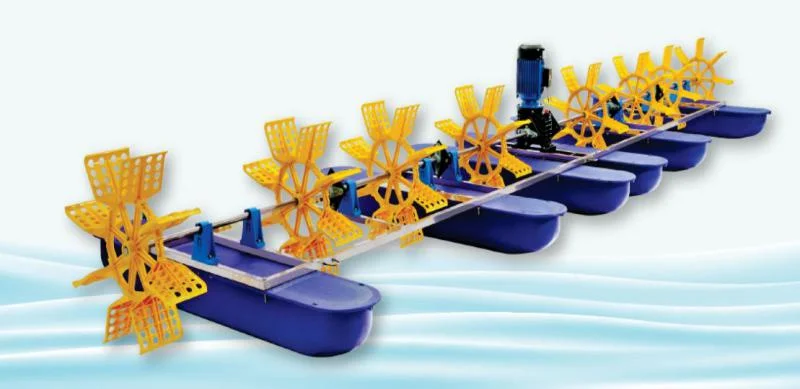
What are Paddle Wheel Aerators?
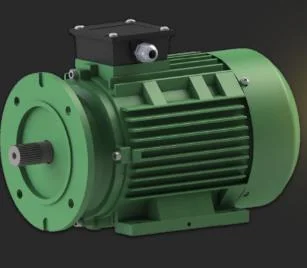
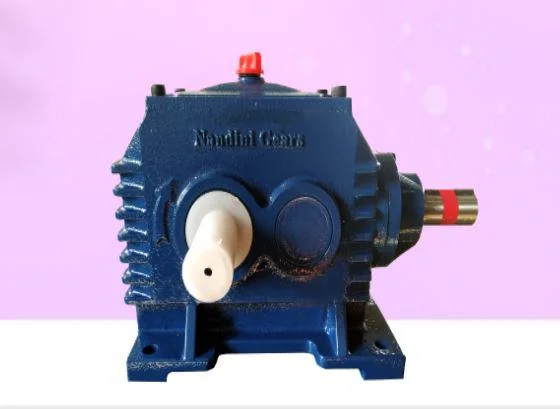
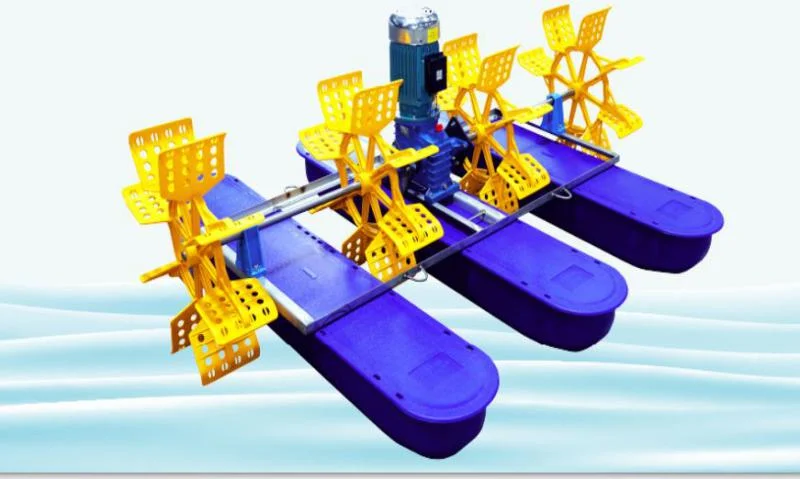
Paddle wheel aerators are mechanical devices designed to enhance the oxygen transfer in aquatic environments. These devices utilize rotating paddles to create surface agitation, which facilitates the diffusion of oxygen from the atmosphere into water bodies. Paddle wheel aerators are particularly effective in shallow ponds, lagoons, and aquaculture systems where oxygen levels are critical for the health of aquatic life.
The primary applications of paddle wheel aerators include wastewater treatment, aquaculture, and the maintenance of recreational water bodies. In wastewater treatment, they help reduce sludge build-up by promoting aerobic conditions. In aquaculture, they oxygenate the water to support fish and other aquatic species, ultimately enhancing productivity. Their relevance spans across industries that require effective oxygenation and mixing in water bodies, making them a vital component in environmental management and agricultural practices.
Key Features and Specifications
Paddle wheel aerators are equipped with several features that enhance their performance and efficiency. Understanding these specifications is crucial for selecting the right model for specific applications.
Key specifications include:
1. Power Rating
- Typically ranges from 1 HP to 10 HP
- Power requirements based on the size and capacity of the aerator
2. Aeration Capacity
- Can aerate from 1,000 to 10,000 gallons of water per hour
- Varies by paddle size and speed
3. Paddle Size
- Commonly available in sizes from 3 feet to 8 feet in diameter
- Larger paddles increase aeration efficiency
4. Material Construction
- Made from corrosion-resistant materials such as stainless steel or high-density polyethylene
- Durability against harsh environmental conditions
5. Operating Depth
- Effective in depths ranging from 1 to 6 feet
- Depth suitability based on the design of the aerator
6. Installation Type
- Available in fixed or floating installations
- Floating models allow for flexibility in water levels
7. Energy Efficiency
- Designed for low power consumption relative to aeration output
- Reduces operational costs over time
8. Maintenance Requirements
- Generally low maintenance with periodic inspections needed
- Simple design allows for easy repairs and part replacements
In summary, paddle wheel aerators are designed with a variety of specifications that cater to different operational needs, ensuring efficient performance and longevity.
Common Applications and Use Cases
Paddle wheel aerators find applications across various industries due to their efficiency in oxygenating water.
1. Aquaculture: In fish farming, paddle wheel aerators provide essential oxygen to aquatic species, promoting growth and survival rates. They help maintain optimal water quality, which is crucial for fish health.
2. Wastewater Treatment: These aerators are instrumental in municipal and industrial wastewater treatment processes. They enhance aerobic digestion, effectively breaking down organic matter and minimizing sludge.
3. Agriculture: In agricultural ponds and irrigation systems, paddle wheel aerators improve water quality and promote healthy ecosystems, which can enhance crop irrigation practices.
4. Recreational Water Bodies: Paddle wheel aerators are used in lakes and ponds to prevent stagnation and maintain clear water, supporting recreational activities and local wildlife.
5. Industrial Applications: Industries dealing with large volumes of water, such as pulp and paper or food processing, utilize paddle wheel aerators for effective waste management and water treatment.
6. Aquatic Ecosystem Management: Paddle wheel aerators help in the management of natural water bodies by maintaining oxygen levels, thereby supporting biodiversity.
7. Algae Control: By promoting water circulation, these aerators help in controlling algae growth, which is crucial for maintaining the ecological balance in ponds and lakes.
Product Variants and Subcategories
Paddle wheel aerators come in various designs and configurations to meet diverse operational needs. Each variant is tailored for specific applications.
Floating Paddle Wheel Aerators
These aerators are designed to float on the water surface, providing flexibility in installation and operation. They are ideal for varying water levels and are commonly used in aquaculture and wastewater treatment.
Fixed Paddle Wheel Aerators
These models are anchored to the bottom of the water body, providing a stable aeration solution. They are suitable for permanent installations in large ponds or treatment facilities.
Portable Paddle Wheel Aerators
These aerators are lightweight and easy to transport. They offer versatility for temporary installations, making them ideal for small farms or recreational facilities.
High-Efficiency Paddle Wheel Aerators
Designed for maximum aeration output with minimal energy consumption, these models are suitable for large-scale applications, particularly in industrial settings.
Benefits and Advantages
Paddle wheel aerators offer numerous benefits that make them a preferred choice in various industries.
1. Enhanced Oxygen Transfer: These devices significantly improve oxygen levels in water, promoting healthier aquatic ecosystems.
2. Cost-Effective Operation: With low energy consumption and minimal maintenance needs, paddle wheel aerators provide a cost-efficient solution for water treatment and aquaculture.
3. Versatility: Suitable for a wide range of applications, paddle wheel aerators can be used in aquaculture, wastewater treatment, and recreational water management.
4. Improved Water Quality: By preventing stagnation and promoting mixing, these aerators help maintain clear and healthy water bodies.
5. Simple Installation: Paddle wheel aerators are easy to install, which reduces downtime and operational disruption.
6. Durable Construction: Made from robust materials, these aerators are designed to withstand harsh environmental conditions, ensuring long-term reliability.
Buying Guide for B2B Buyers
When sourcing paddle wheel aerators, several factors should be considered to ensure the right choice for your operational needs.
1. Quality Assessment: Evaluate the quality of materials and construction. Look for aerators that comply with industry standards to ensure longevity and performance.
2. Supplier Verification: Vet suppliers by checking their reputation, customer reviews, and certifications. Reliable suppliers should have a proven track record in providing high-quality products.
3. Pricing and MOQ: Understand the pricing structure and minimum order quantity (MOQ) requirements. Compare quotes from different suppliers to ensure competitive pricing.
4. Delivery and Lead Times: Check the supplier's delivery capabilities and lead times. Timely delivery is crucial in maintaining operational efficiency.
5. Compliance Requirements: Ensure that the paddle wheel aerators meet relevant regulatory and safety standards. This may include certifications such as CE to ensure product safety and reliability.
Compliance and Certifications
Paddle wheel aerators are subject to various quality standards and certifications that ensure their reliability and safety in operational environments. Many manufacturers adhere to ISO 9001, which focuses on quality management systems, ensuring consistent product quality. HACCP (Hazard Analysis Critical Control Point) standards may also be relevant in industries like aquaculture, where food safety is paramount.
CE certification is crucial for compliance in the European market, indicating that the product meets safety and environmental protection standards. Additionally, manufacturers may follow safety testing requirements to ensure the aerators operate effectively without posing risks to users or the environment. Regional compliance considerations should also be taken into account, as different areas may have specific regulations governing aquatic equipment.
Why Source Paddle Wheel Aerators from Pepagora?
Pepagora offers a trusted platform for sourcing paddle wheel aerators, providing several key advantages for B2B buyers.
Verified Supplier Network: Our platform ensures that all suppliers are thoroughly vetted, giving buyers confidence in the quality and reliability of the products offered.
Streamlined RFQ Process: The request for quotation (RFQ) process is designed to be user-friendly, allowing buyers to easily compare options and make informed purchasing decisions.
Trade Assurance and Support: Pepagora provides trade assurance, ensuring that buyers are protected throughout the purchasing process. Our support team is available to assist with any inquiries or issues that may arise.
Regional Coverage: With a strong presence in India, the GCC, and Southeast Asia, Pepagora offers extensive regional coverage, making it easier for businesses to find the right paddle wheel aerators for their specific needs.

 IN
IN